When you review a home inspection report before buying a rental property, focus on structural integrity, major systems condition, and safety compliance — these directly impact your carrying costs and landlord liability.
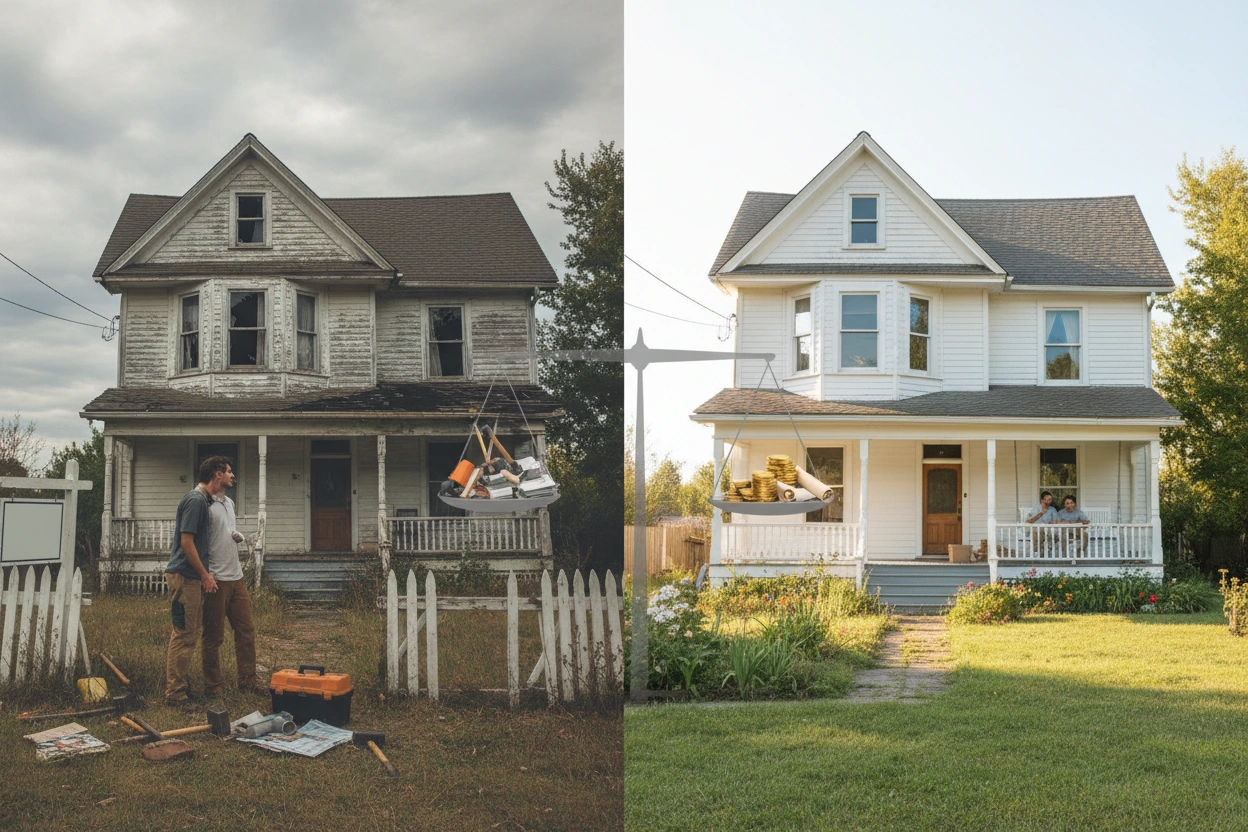
A fixer-upper rental is worth the investment when the distressed purchase price, realistic repair costs, and projected rent create a viable return margin.
To reduce tenant turnover downtime, you need a pre-approved vendor list built and ready before a unit ever goes vacant.
Standardizing fixtures across your rental portfolio means selecting a consistent set of hardware, plumbing components, lighting, and appliances for every unit.
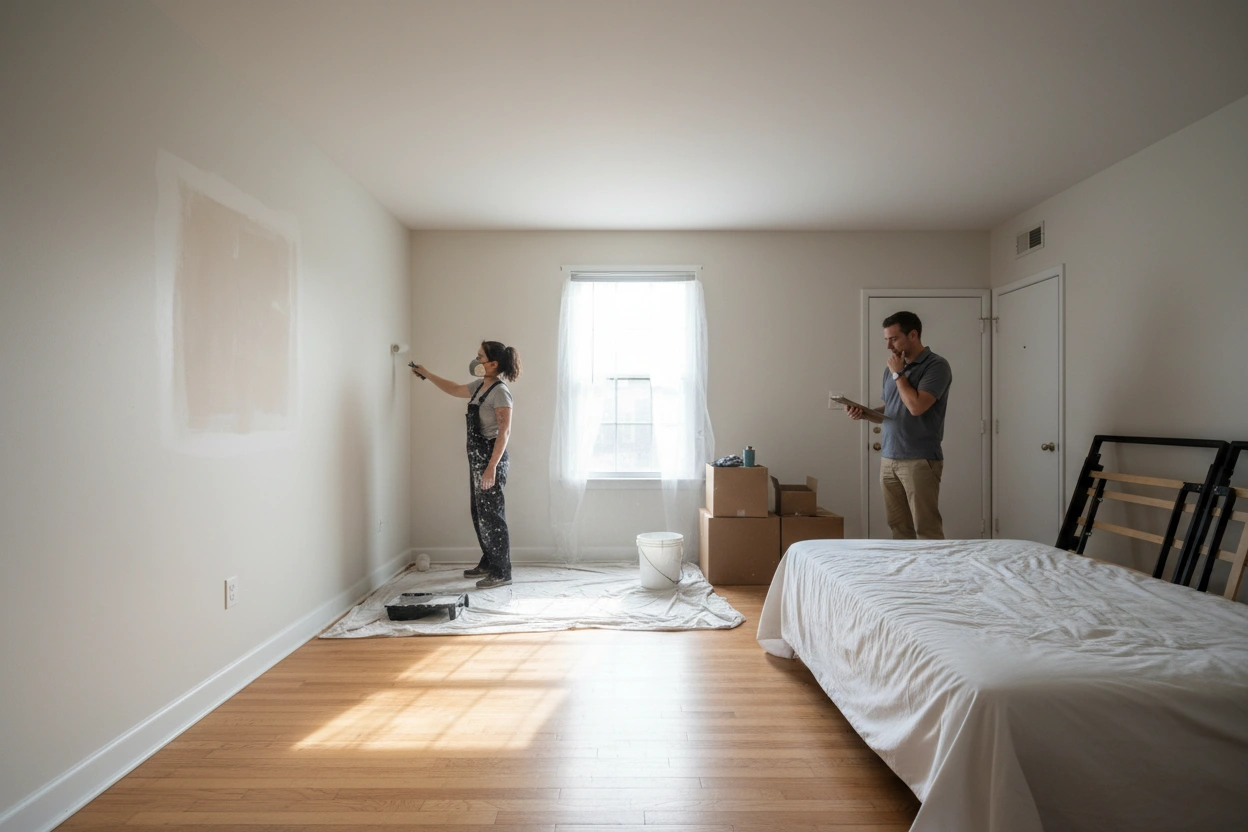
You don't need to repaint between every tenant. Standard rental paint lasts 3–5 years with normal wear, so base your decision on wall condition, not move-out dates.
For rental units, your best defense against turnover costs is choosing neutral tones like warm greiges, soft whites, and mid-tone grays paired with satin or eggshell finishes.
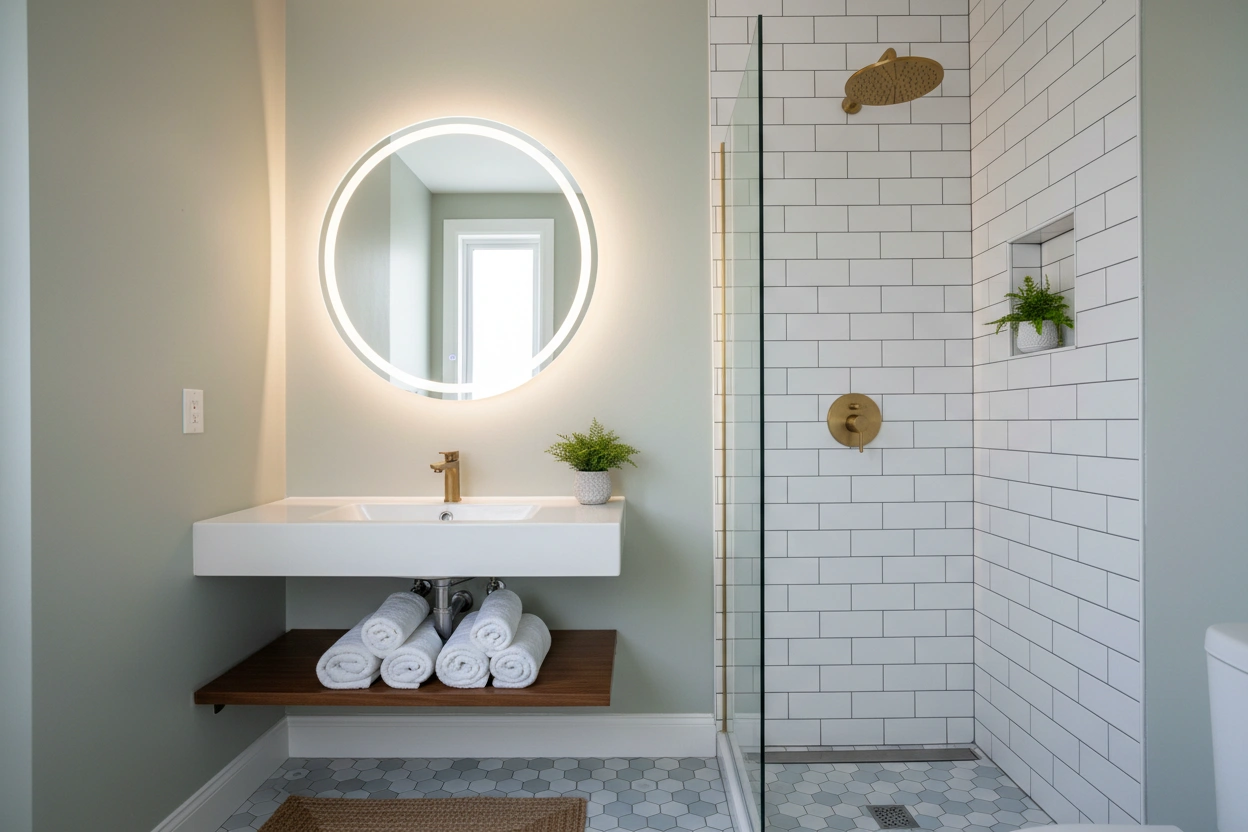
Swap out worn faucets, refresh caulk and grout, update cabinet hardware, and replace that builder-grade mirror — you're looking at roughly $250 installed for a space that photographs like a renovation.
Targeted updates like cabinet repainting ($200–$800), modern fixtures ($300–$700), and LED lighting ($150–$400) can boost perceived value for under $1,100 while commanding $300–$500 more in monthly rent.
LVP, carpet, or hardwood? Compare durability, maintenance, and long-term costs to choose the best flooring for your rental property.
Sync your property management and maintenance software to automate work orders, reduce manual tasks, and keep repair records organized in one place.