
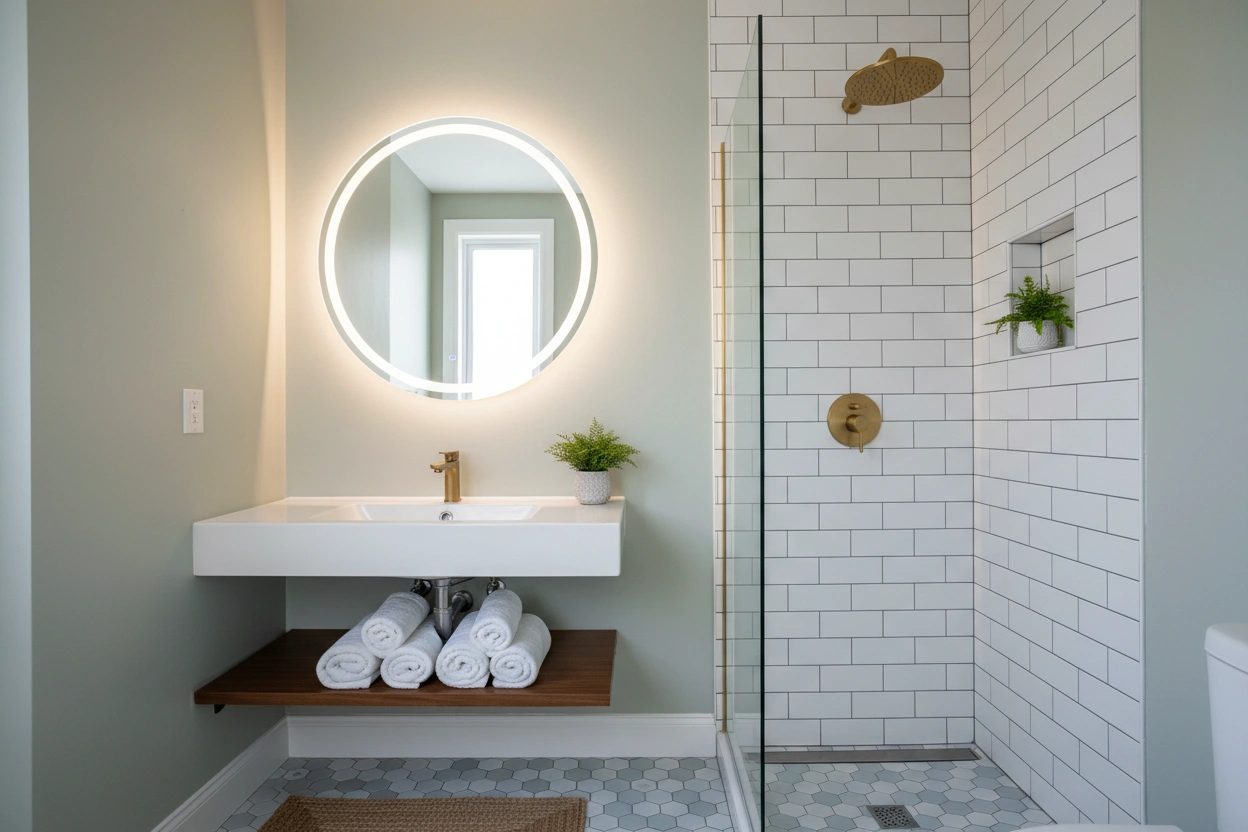
Before re-listing your rental, a few targeted bathroom upgrades can dramatically improve leasing speed without blowing your budget. Swap out worn faucets, refresh caulk and grout, update cabinet hardware, and replace that builder-grade mirror — you're looking at roughly $250 installed for a space that photographs like a renovation. Tenants notice fixtures they can touch and surfaces that look clean. The right updates attract better tenants and reduce vacancy time, and there's a smart way to prioritize every dollar you spend.
Key Takeaways
- Replacing worn faucets, cabinet pulls, and towel bars with matching modern finishes significantly modernizes bathrooms without requiring extensive renovation work.
- Fresh caulk and regrouted tile surfaces dramatically improve cleanliness perception, costing as little as $50–$150 total.
- Swapping builder-grade mirrors for framed alternatives and upgrading lighting signals a well-maintained, polished rental space.
- Neutral color schemes and practical storage solutions broaden tenant appeal and support faster leasing in competitive markets.
- Prioritize upgrades that photograph well, as visually appealing listings attract higher-quality tenants and stronger re-listing returns.
Why Bathrooms Make or Break a Re-Listing
When a tenant moves out, the bathroom is often the first space that shows its age. Grout discoloration, worn fixtures, and outdated finishes signal neglect to prospective tenants before they've even checked the closet space.
In competitive rental markets like Seattle, Portland, or Denver, bathroom aesthetics directly influence how quickly a unit gets leased and at what price.
Tenant preferences have shifted. Renters today compare your listing against newer builds and recently renovated units. A tired bathroom drags down perceived value across the entire property, even if every other room is in solid shape.
You don't need a full renovation to compete. Targeted, cost-effective updates made during turnover can reset expectations, justify stronger rent, and attract tenants who stay longer and treat the space better. Additionally, regular property maintenance can foster tenant comfort and contentment, further enhancing the overall appeal of the unit.
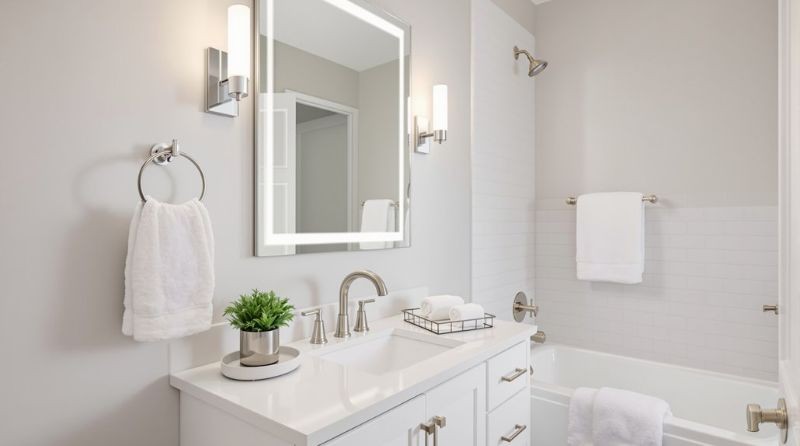
Which Bathroom Upgrades Give the Best ROI
You don't need a full remodel to make a bathroom feel rental-ready—the right low-cost updates can deliver outsized returns when it's time to re-list.
Swapping out dated fixtures, replacing a worn vanity light, and re-caulking the tub are small investments that tenants notice immediately.
Focus your budget on the upgrades that hit tenants' visual and functional checkpoints first, and you'll spend less while attracting stronger applicants faster. Additionally, addressing minor repairs promptly can prevent structural disasters that may arise from deferred maintenance.
High-Impact, Low-Cost Updates
Not every bathroom upgrade needs to break the bank to make a difference. Some of the highest-impact changes cost under $100 and still move the needle on rental appeal.
Fresh caulk around the tub and sink makes the space look clean and well-maintained. Swapping outdated fixtures for brushed nickel or matte black hardware instantly modernizes the room.
Neutral color schemes on walls and accessories create a space tenants can picture themselves in. Adding practical storage solutions—like an over-the-toilet shelf or a simple vanity organizer—addresses a common tenant concern without major construction.
Replacing a builder-grade mirror with a framed one adds polish for minimal spend. These small, targeted updates signal that you take care of your property, which helps attract and retain quality tenants.
Upgrades Tenants Notice Most
Some bathroom upgrades deliver markedly more return than others, and knowing the difference helps you spend smarter.
Tenants consistently notice a few key areas first: lighting, fixtures, and storage. Swapping dated vanity lights for clean, modern fixtures signals a well-maintained space without requiring a full renovation. Replacing a worn faucet takes under an hour but dramatically shifts first impressions.
Tenant preferences also lean toward easy-clean surfaces and functional layouts. A frameless shower curtain rod, updated hardware, and a new toilet seat cost little but read as intentional upgrades.
Prioritizing maintenance simplicity here pays double—tenants appreciate the finish, and you'll spend less addressing wear over time.
Focus on what's visible, touchable, and functional. Those three priorities consistently drive faster leasing and stronger tenant retention.
Quick Fixes That Look Like Full Renovations
You don't need a gut renovation to make a bathroom feel updated — small swaps create a surprisingly strong visual impact.
Replacing dated cabinet pulls, towel bars, and faucets with modern finishes like matte black or brushed nickel instantly modernizes the space for minimal cost.
Regrouting tile surfaces is equally effective, turning dingy, discolored grout lines into clean, crisp ones that make existing tile look brand new to prospective tenants.
Additionally, focusing on professionalizing maintenance strategy ensures that these updates are not only appealing but also part of a broader plan for long-term property care.
Swapping Outdated Hardware
Swapping out outdated hardware is one of the fastest, lowest-cost moves you can make to modernize a rental bathroom. Towel bars, toilet paper holders, robe hooks, and faucet handles all follow functionality trends, and tenants notice when they're stuck in the wrong decade.
Replacing brass or chrome fixtures with matte black or brushed nickel aligns your space with modern styles without touching tile or cabinetry.
Most hardware sets run between $30 and $80, and installation takes under an hour per piece. That's a strong return for something that directly shapes a prospective tenant's first impression.
Matching finishes across every fixture also signals that the property is well-maintained—something quality tenants actively look for before signing a lease.
Regrouting Tile Surfaces
Grout does more damage to a bathroom's perceived value than most landlords expect. Stained, cracked, or darkened grout signals neglect to prospective tenants before they've looked at anything else.
The good news is that grout maintenance costs a fraction of what full tile replacement runs, yet it delivers a visually comparable result.
Start with thorough tile cleaning using a grout-specific cleaner to strip built-up mildew and soap residue. If grout is crumbling or deeply discolored beyond cleaning, regrout those sections entirely.
White or light gray grout refreshes a space immediately and photographs well for your listing.
Tenants notice cleanliness first. Sharp, bright grout lines communicate that the property's been maintained—and that kind of first impression directly supports faster lease-ups and stronger rental rates.
Hardware, Lighting, and Fixtures Worth Swapping Out
Small hardware and fixture upgrades can make a dated bathroom feel noticeably more modern without touching the tile or vanity. Swapping out builder-grade towel bars, toilet paper holders, and cabinet pulls for brushed nickel or matte black finishes keeps you aligned with current hardware trends while staying budget-friendly.
These fixture materials hold up well in humid environments and photograph better than chrome, which matters when re-listing.
Lighting is worth prioritizing too. Replace a single-bulb vanity strip with a multi-globe fixture or a cleaner bar-style light to instantly elevate the space.
Upgrade the faucet if it shows mineral buildup or dated styling—tenants notice. Each swap costs relatively little but signals that the property is well-maintained, which supports faster leasing and stronger rental rates. Additionally, regular maintenance can enhance tenant satisfaction and foster a sense of community.
How Much Should a Bathroom Refresh Cost?
Once you've identified the upgrades worth making, knowing what to budget keeps the project grounded in ROI. A surface-level bathroom refresh typically runs between $300 and $1,500, depending on scope and market.
Here's a rough cost breakdown to guide your planning:
- Hardware swaps (towel bars, toilet paper holder, cabinet pulls): $50–$150
- Lighting fixture replacement: $80–$250 installed
- Vanity faucet upgrade: $100–$300 installed
- Mirror replacement: $75–$200
- Caulking and grout refresh: $50–$150
Your budget considerations should reflect your local rental market. In higher-rent cities like Seattle or Denver, tenants expect more polished finishes, making mid-range upgrades easier to justify. Additionally, ensuring that fixtures and appliances are in good working order can significantly enhance tenant satisfaction and reduce future maintenance requests.
Prioritize changes that photograph well and reduce maintenance calls—those deliver the strongest return when re-listing.
When to DIY and When to Call a Pro
Knowing where to draw the line between DIY and professional work can protect your margins and keep the project on track.
For DIY considerations, stick to low-risk tasks like painting, swapping hardware, replacing a mirror, or installing a new light fixture. These require minimal skill and carry little risk of costly mistakes.
Professional services become essential when plumbing, electrical work, or tile installation is involved. A botched caulk job or an improperly sealed shower can lead to water damage that far exceeds what you saved on labor.
Licensed work also protects you from liability and keeps the property up to code.
A simple rule: if a mistake could damage the unit or delay your re-listing, call a pro.
Frequently Asked Questions
How Soon Before Re-Listing Should a Bathroom Refresh Be Completed?
Complete your bathroom refresh at least 1–2 weeks before re-listing. This timing consideration gives your renovation schedule breathing room for touch-ups, photos, and showings—maximizing your ROI and presenting tenants with a move-in-ready space.
Can Bathroom Upgrades Help Justify Raising Rent Between Tenants?
Yes, bathroom upgrades can justify higher rent. By weighing cost vs. value and aligning improvements with tenant preferences, you're positioning the property to command competitive rates while attracting quality tenants willing to pay more.
Do Tenants Ever Request Specific Bathroom Features Before Signing Leases?
Yes, tenants do request specific features. You'll notice tenant preferences leaning toward double vanities, updated showers, and strong water pressure. Staying ahead of feature trends helps you attract serious renters and reduce vacancy time between leases.
Should Bathroom Upgrades Be Disclosed to Prospective Tenants During Showings?
Yes, you should highlight upgrades during showings. Tenant transparency builds trust and sets clear expectations, while showcasing improved bathroom aesthetics strengthens your listing's appeal, justifies higher rent, and attracts quality tenants who'll value and respect the space.
How Do Bathroom Standards Differ Across Seattle, Denver, and San Diego Markets?
Each market's rental expectations vary: Seattle tenants favor clean, functional design aesthetics, Denver renters follow outdoor-inspired market trends, and San Diego's feature preferences lean coastal and modern. You'll maximize ROI by tailoring upgrades to each city's style.
Conclusion
You don't need to spend thousands to make your bathroom rental-ready. A few smart swaps — fresh hardware, updated lighting, clean caulk — can shift how applicants perceive your entire property. Focus your budget where it shows, move quickly during turnover, and you'll fill the unit faster and at a stronger price point. Small investments here consistently punch above their weight.