

For rental units, your best defense against turnover costs is choosing neutral tones like warm greiges, soft whites, and mid-tone grays paired with satin or eggshell finishes. These colors hide scuffs and wear between tenants, while satin's durability handles high-traffic areas without breaking down quickly. Skip trendy colors — they'll cost you more in repaints. The right paint system can dramatically cut your maintenance budget, and there's a smarter way to build one.
Key Takeaways
- Neutral tones like warm greiges, soft whites, and mid-tone grays hide scuffs effectively and remain timeless for easier future repairs.
- Satin finishes are ideal for high-traffic areas like entryways and hallways due to their superior durability and scrubbability.
- Eggshell finishes work well in bedrooms, offering moderate durability without requiring frequent scrubbing.
- Semi-gloss is best for trim, doors, bathrooms, and kitchens due to its moisture and grease resistance.
- Standardizing one wall color across all units simplifies touch-ups, reduces costs, and speeds up the turnover process.
Why Paint Choices Make or Break Tenant Turnover
When a tenant moves out, the condition of your walls can make the difference between a quick re-rental and weeks of costly delays. Poor paint choices mean more touch-ups, more full repaints, and more money leaving your pocket between leases.
The right colors and finishes reduce visible wear, cut turnover time, and align with tenant preferences that keep units occupied longer.
Color psychology plays a real role here. Neutral tones create spaces that feel clean, open, and move-in ready, which helps prospective tenants picture themselves living there.
Trendy or bold colors might photograph well, but they alienate more renters than they attract and require complete repaints more often.
Smart paint decisions at the start save you labor, materials, and vacancy days down the road. Additionally, proactive maintenance can further enhance the longevity of your paint choices, ensuring your investment remains attractive and low-maintenance over time.
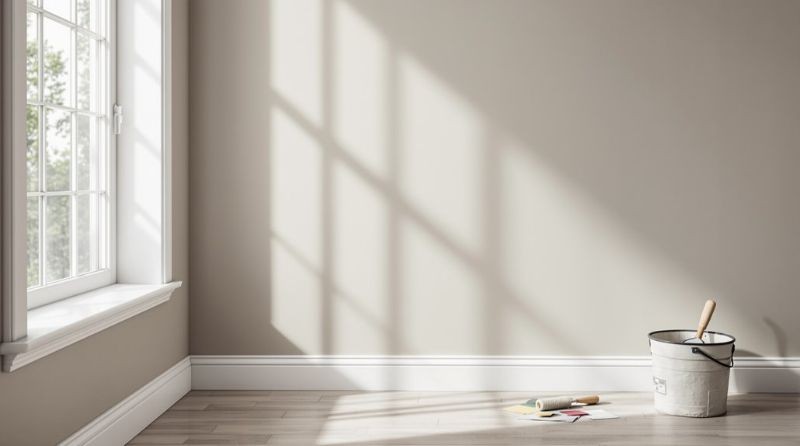
The Best Paint Finishes for High-Traffic Rental Spaces
Paint finish matters just as much as color when it comes to durability and maintenance costs. For rental properties, eggshell and satin finishes consistently win in finish comparisons because they balance cleanability with a polished look.
Flat paint absorbs scuffs and stains, making it a costly mistake in kitchens, hallways, and bathrooms.
Durability testing shows that satin holds up best in high-traffic areas like entryways and living rooms, where walls take the most abuse between tenants. Eggshell works well in bedrooms where scrubbing isn't as frequent.
Semi-gloss is your best option for trim, doors, and bathrooms since it resists moisture and wipes clean easily.
Choosing the right finish upfront reduces touch-up frequency, cuts turnover costs, and helps your property stay rent-ready longer. Additionally, selecting durable finishes reinforces long-term benefits for property value, ensuring your investment remains appealing to future tenants.
Top Neutral Colors That Hide Wear Between Tenants
Choosing the right neutral paint shades saves you time and money between tenant turnovers by masking everyday scuffs and wear without requiring constant touch-ups.
Warm greiges, soft whites, and mid-tone grays are reliable go-to options that photograph well, appeal to a wide range of tenants, and hold up under repeated cleaning. Additionally, opting for these colors aligns with proactive property care strategies that focus on maintaining a property's aesthetic appeal over time.
Sticking to timeless tones rather than trendy colors also means you can more easily match paint batches down the road when spot repairs come up.
Best Neutral Paint Shades
A few neutral paint shades consistently outperform the rest when it comes to hiding scuffs, smudges, and everyday wear between tenants.
Warm greiges like Sherwin-Williams' Accessible Beige or Benjamin Moore's Revere Pewter carry neutral undertones that balance warm and cool tones, making them adaptable across different lighting conditions and flooring types. That versatility reduces the chance you'll need to repaint just because a new tenant's furnishings clash with the walls.
Color psychology also plays a practical role here. Soft, warm neutrals feel inviting without feeling bold, which helps your unit appeal to a wider pool of renters.
Stick to mid-range values—not too light, not too dark—and you'll mask everyday marks more effectively while keeping touch-up costs low between turnovers.
Colors That Mask Scuffs
Not all neutrals hide wear equally well, and knowing which ones perform best can save you real money between turnovers. Mid-tone greige and warm gray tones are your strongest scuff resistant options because they naturally camouflage dirt, smudging, and minor wall contact without requiring spot repainting between tenants.
Color psychology plays a practical role here. Shades that sit between light and dark—think greige, taupe, or soft clay—absorb visual imperfections that stark whites expose immediately.
Pure white walls look clean in photos but punish you at turnover.
Stick with colors in the LRV range of 55–70 for the best balance of brightness and concealment. Pair them with an eggshell or satin finish, and you'll stretch your paint job further across multiple tenancies.
Timeless Tones Tenants Prefer
While scuff-masking ability narrows the field, tenant preference narrows it further—and the colors that survive both filters are the ones worth keeping in your rotation.
Color psychology research consistently shows tenants gravitate toward warm neutrals that feel clean without feeling cold. These shades also photograph well, which helps your vacancy listings.
Top tenant-preferred neutrals that hold up:
- Agreeable Gray (SW 7029) – warm, universally flattering
- Accessible Beige (SW 7036) – softens spaces without yellowing
- Repose Gray (SW 7015) – true greige with broad appeal
- White Dove (BM OC-17) – crisp without harsh contrast
- Pale Oak (BM OC-20) – warm undertones tenants consistently respond well to
Tenant preferences cluster around these tones because they feel move-in ready and livable immediately.
Rooms That Need a Tougher Finish Than You Think
Choosing the right color is only half the battle—you also need to match the finish to the room or you'll be repainting far sooner than planned.
High-traffic hallways take constant scuffing and scraping, so they need a durable satin or semi-gloss that holds up between tenants without looking beat up.
Bathrooms and kitchens raise the stakes even higher, demanding moisture-resistant and scrubbable finishes that won't peel, stain, or trap grease after a single lease cycle. Regular maintenance, including preventive maintenance practices, can also help extend the life of your paint finishes and keep your property looking its best.
High-Traffic Hallways Need Protection
Hallways take a beating in rental properties—scuffed walls, scraped corners, and constant contact from furniture, bags, and people moving through daily.
For hallway durability, you need paint that can handle repeated cleaning without fading or peeling. Satin or semi-gloss finishes are your best options for long-term paint maintenance.
Keep these tips in mind:
- Choose semi-gloss for high-impact zones like baseboards and door frames
- Stick with satin on upper walls where sheen isn't as critical
- Use scrubbable paint rated for high-traffic areas
- Opt for medium-toned neutrals that hide smudges between turnovers
- Apply two coats minimum to corners and edges prone to chipping
The right finish here saves you from repainting every single turnover.
Bathrooms Demand Moisture Resistance
Protecting hallways from wear is only part of the equation—bathrooms bring a different set of problems that regular paint simply can't handle. Steam, humidity, and splashing water break down standard paint quickly, leaving you with peeling walls between tenants.
You need moisture resistant materials specifically formulated for wet environments.
Choose a satin or semi-gloss finish with mildew-resistant additives, and don't skip proper bathroom ventilation—poor airflow accelerates paint failure no matter what product you use.
Light neutrals like soft gray or warm white work well here, keeping the space feeling clean without showing early water staining.
Spending slightly more on the right bathroom paint now prevents costly repaints every turnover. It's a straightforward investment that protects your walls and your budget.
Kitchens Require Scrubable Surfaces
Kitchens take more abuse than almost any other room in a rental—grease, food splatters, and constant cleaning wear down paint faster than tenants realize.
For kitchen durability, you'll want scrubable paints with a semi-gloss or gloss finish that can handle repeated wiping without breaking down.
Look for these qualities when choosing kitchen paint:
- Semi-gloss or gloss sheen for maximum moisture and grease resistance
- Scrubable paints rated for heavy-use surfaces
- Neutral tones like warm whites or soft grays that hide minor smudges between cleanings
- Stain-blocking primers applied before painting to prevent grease bleed-through
- Low-VOC formulas that meet tenant health standards without sacrificing toughness
Skipping these specs costs you more at turnover when walls need repainting after a single tenancy.
How to Touch Up Paint Without Repainting the Whole Wall
Sometimes a full repaint isn't necessary—you just need to blend a few scuffs or chips back into the existing wall. Successful touch up techniques depend heavily on using the exact same paint color, sheen, and brand from the original application.
Always store leftover paint after each turnover for this reason.
For better paint blending, feather the edges of your touch-up rather than applying it in a hard-edged patch. Use a small roller instead of a brush to match the original texture more closely.
Apply thin coats and let each dry fully before evaluating the result.
Keep in mind that older paint fades, so the sooner you touch up between tenancies, the less noticeable the difference. Additionally, regular property inspections can help identify areas needing touch-ups before they become larger issues, preventing the growth of mold in damp areas.
Building a Rental Paint System That Saves Money Long-Term
A consistent rental paint system cuts your long-term costs more than any single cheap paint job ever will. When you standardize your approach using durable materials and cost-effective options, every turnover becomes faster and cheaper.
Build your system around these core habits:
- Choose one wall color and stick with it across all units
- Store leftover paint labeled by unit for quick touch-ups
- Use the same finish in every room to simplify matching
- Buy in bulk to reduce per-gallon costs over time
- Document your paint specs so any painter can match your standard
The upfront planning pays off every time a tenant moves out. Additionally, a consistent maintenance approach not only enhances property value appreciation but also contributes to a more efficient turnover process.
You'll spend less time coordinating, less money repainting, and more time keeping your properties in strong condition.
Frequently Asked Questions
How Soon After a Tenant Moves Out Should Repainting Begin?
Start your repainting timeline within 24–48 hours after a tenant moves out. Acting fast during tenant turnover helps you minimize vacancy days, control costs, and get your property market-ready before prospective renters schedule showings.
Can Tenants Be Charged for Paint Damage Beyond Normal Wear?
Yes, you can charge tenants for paint damage that exceeds normal wear and tear. Document everything with photos, apply deductions against their security deposits, and clearly outline tenant responsibilities in your lease to protect yourself.
Does Paint Brand Quality Actually Matter for Rental Properties?
Yes, paint brand quality truly matters. Higher-quality paints offer better paint durability, meaning you'll repaint less often, saving money long-term. They also maintain a fresh appearance that boosts tenant satisfaction and reduces turnover-related touch-up costs.
How Long Should Rental Property Paint Fully Cure Before Move-In?
Most paint types need 30 days of cure time before move-in. You'll want tenants to avoid scrubbing walls too soon, even if paint feels dry, to prevent premature wear and costly touch-ups.
Are There Eco-Friendly Paint Options That Still Hold up Well?
You'll find that natural paint options like zero-VOC and low-VOC formulas hold up surprisingly well. Brands like Benjamin Moore Natura offer durable, sustainable finishes that withstand tenant wear without sacrificing washability or your budget.
Conclusion
You don't have to repaint from scratch every time a tenant moves out. By choosing durable finishes, sticking to neutral tones, and keeping extra paint on hand, you'll cut your turnover costs considerably. It's not about making your rental look perfect — it's about making it easy to maintain. Build your paint system once, do it right, and you'll save time and money on every single turnover ahead.