
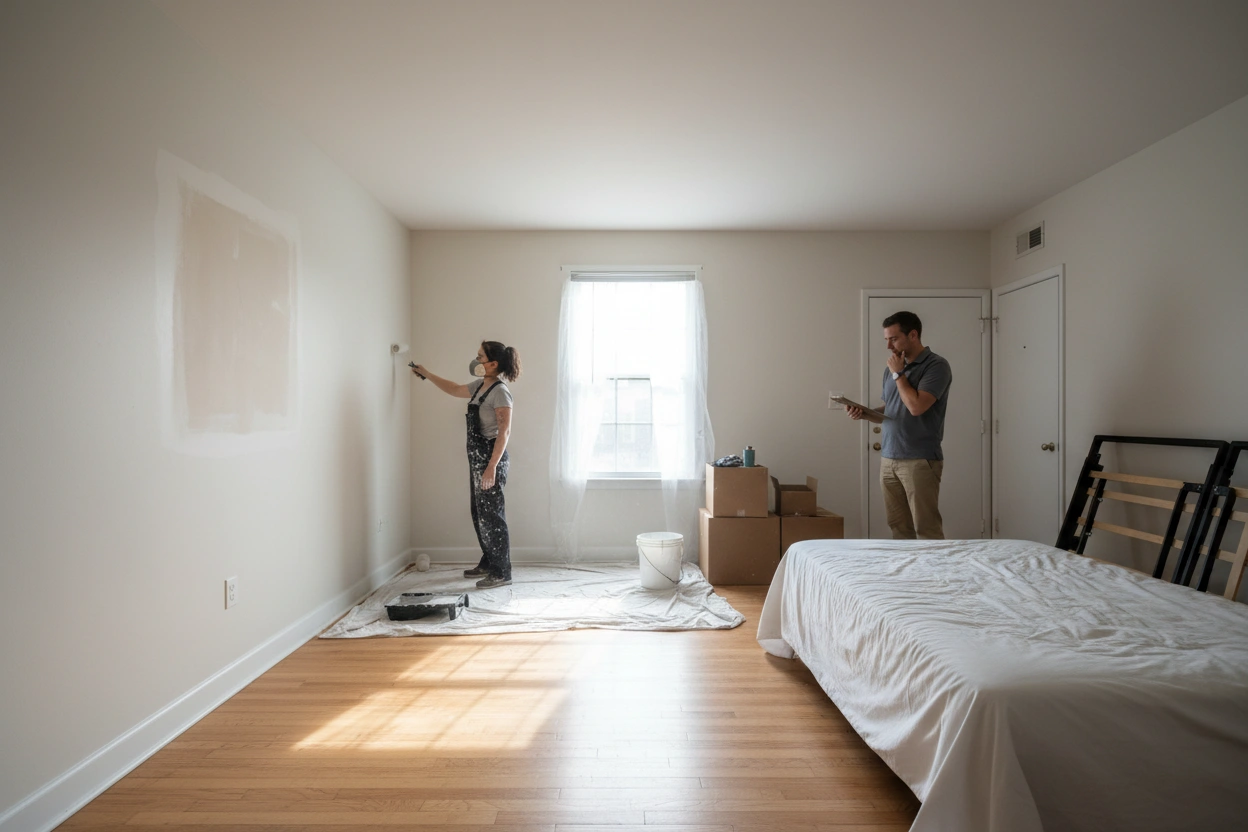
You don't need to repaint between every tenant. Standard rental paint lasts 3–5 years with normal wear, so base your decision on wall condition, not move-out dates. After each tenant leaves, assess the walls carefully—touch-ups can often handle minor scuffs and small holes. Save full repaints for longer tenancies, stubborn stains, or outdated colors. Keep going to find out exactly when it's your cost to cover and when it's theirs.
Key Takeaways
- Standard paint lasts 3-5 years, so repainting between every tenant is unnecessary unless walls show significant damage or wear.
- After each move-out, assess wall condition; touch-ups may suffice if walls remain clean and structurally intact.
- Longer tenancies typically cause more wear, often making a full repaint necessary before the next tenant moves in.
- Tenant lifestyle factors like pets, kids, or indoor smoking can accelerate paint deterioration, requiring more frequent repainting.
- Choosing durable finishes like satin or semi-gloss, combined with regular touch-ups, can extend full repaints to every 5-7 years.
How Often Should You Repaint Between Tenants?
Most landlords don't need to repaint between every tenant. A standard interior paint job holds up well for three to five years under normal wear, so repainting frequency should depend on condition, not just tenant turnover.
Walk the unit after each move-out and assess honestly. If the walls show scuffs, stains, or fading beyond normal wear, it's time to repaint. If they're still clean and intact, a touch-up is often enough.
Longer tenancies naturally cause more wear, so a tenant who lived there four years likely warrants a full repaint. A one-year tenant may not.
Make decisions based on what you see, not a fixed schedule, and you'll avoid spending money on work the unit doesn't actually need. Incorporating preventative maintenance can help ensure your property remains in top condition, minimizing the need for frequent repainting.
Normal Wear vs. Damage: What Paint Is Responsible For
Knowing the difference between normal wear and actual damage determines whether you repaint at your expense or charge the tenant.
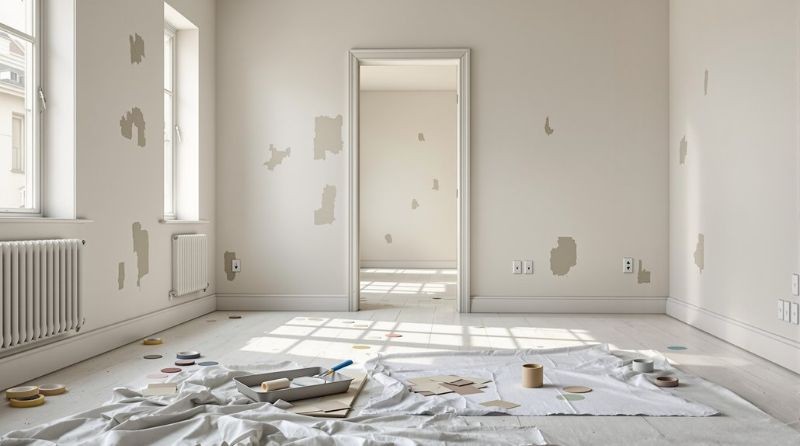
Normal wear includes minor scuffs, small nail holes, and slight fading—these are expected over time and don't justify deducting from a security deposit.
Damage is different. Large holes, crayon or marker stains, excessive dirt buildup, and unauthorized paint colors all fall outside normal use.
Your damage assessment process should happen at every move-out inspection. Document everything with photos and compare against your move-in condition report.
Paint longevity plays into this too—if paint is already five or six years old, charging a tenant for full repainting is hard to justify.
Depreciation matters, and most courts factor it into any deposit dispute. Additionally, understanding normal wear and tear helps clarify what constitutes reasonable expectations for property maintenance.
What Affects How Fast Rental Paint Wears Out
Not every rental unit ages at the same pace, and two factors drive most of the difference: how your tenants live and where your property sits.
Heavy foot traffic, kids, pets, and smokers wear paint down faster than a single quiet occupant ever would.
On top of that, properties in sun-heavy markets like San Diego or high-humidity climates like Seattle face faster fading, peeling, and moisture damage than rentals in milder conditions. Additionally, older buildings often lack modern insulation, which can exacerbate issues like dampness and paint deterioration.
Tenant Habits and Traffic
Several factors tied to tenant behavior and daily traffic can wear paint down faster than age alone. A tenant lifestyle that includes young children, pets, or frequent guests puts considerably more stress on painted surfaces.
High foot traffic areas like hallways, entryways, and stairwells take the hardest hits, showing scuffs, marks, and scratches well before other rooms.
You'll also notice faster deterioration in units where tenants cook frequently without ventilation, smoke indoors, or push furniture against walls. These habits accelerate staining, grease buildup, and peeling.
When evaluating how soon a unit needs repainting, consider who lived there and how they used the space. A single remote worker causes far less wear than a family of five with two dogs.
Climate and Sun Exposure
Tenant habits aren't the only thing working against your paint—the climate your property sits in plays just as big a role.
In sun-heavy markets like San Diego or Bend, high sun intensity accelerates paint fading, especially on south-facing walls and rooms with large windows. You'll find yourself repainting sooner than expected if you don't use UV-resistant finishes.
In humid climates like Seattle or Portland, elevated humidity levels break down paint adhesion over time, leading to peeling and bubbling.
Before repainting in either environment, prioritize thorough surface preparation—cleaning, sanding, and priming—so the new coat actually holds. Skipping that step in a challenging climate means you're spending money on paint that won't last through the next tenancy.
When You Can Charge a Tenant for Repainting
While normal wear and tear is your responsibility as a landlord, you can charge a tenant for repainting if the damage goes beyond that.
Tenant responsibility kicks in when the damage is clearly excessive, and you can deduct repainting costs from their security deposit.
Qualifying damage typically includes:
- Large, deep scuffs or gouges in the wall that require more than a standard touch-up
- Unauthorized paint colors or murals applied without your written approval
- Smoke, pet odor, or grease stains that have penetrated the paint and can't be cleaned
Document everything with move-in and move-out photos. Regular maintenance of the property, including essential systems, is crucial for preventing extensive damage.
Without clear evidence, deductions become harder to enforce, and you may end up covering costs that should've been the tenant's obligation.
How to Make Rental Paint Last Longer Between Turns
Stretching the time between full repaints starts with choosing the right paint from the beginning—opt for a satin or semi-gloss finish in high-traffic areas like kitchens, bathrooms, and hallways, since these hold up better to scrubbing and moisture than flat or eggshell finishes.
When you notice a scuff, stain, or small area of damage, address it quickly with a touch-up rather than letting it worsen into a larger problem.
Keeping a small supply of leftover paint labeled by room and color makes this easy to hand off to your property specialist or handle yourself between tenants. Additionally, selecting high-durability paints can significantly extend the lifespan of your rental unit's exterior.
Choose Durable Paint Finishes
One of the simplest ways to extend the life of your rental's paint job is choosing the right finish from the start.
Paint sheen options vary widely, and finish durability depends heavily on what you select. Skip flat paint entirely on rental walls—it scuffs, stains, and can't handle scrubbing.
Here's what actually holds up:
- Eggshell – Ideal for living rooms and bedrooms; it resists light scuffs and wipes down easily.
- Satin – A stronger choice for hallways and common areas where walls take more contact.
- Semi-gloss – Best for kitchens, bathrooms, and trim where moisture and grease are constant issues.
Choosing the right sheen upfront means fewer touch-ups, longer intervals between full repaints, and lower turnover costs overall.
Address Touch-Ups Promptly
Catching small paint issues early keeps minor scuffs and nicks from turning into a full repaint job.
During move-out inspections, document any wall damage and address touch-ups before listing the unit again. Keep leftover paint from each unit specifically labeled by room—proper color selection upfront makes matching easier later.
Flat or matte finishes are harder to touch up seamlessly, which is another reason why eggshell or satin finishes work better for rentals.
Apply touch-up paint using a small roller rather than a brush to better match the existing texture. Feather the edges lightly so the patch blends in.
Consistent touch-up techniques between tenancies extend your paint's lifespan greatly, helping you stretch full repaints to every five to seven years instead of every two.
Signs It's Time to Repaint Before the Next Tenant Moves In
Even if the walls don't look obviously damaged, a few clear signs mean repainting before the next tenant moves in is worth the cost.
- Stubborn stains or scuffs that cleaning can't remove will put off prospective tenants during showings.
- Outdated colors that clash with current color trends or tenant preferences can slow down your leasing process and cost you more in vacancy than a fresh coat would.
- Uneven or patchy walls from repeated touch-ups look unprofessional and signal poor upkeep to incoming tenants.
If you're spotting two or more of these issues, a full repaint is the smarter financial move over trying to patch your way through the turnover. Additionally, maintaining a visually appealing space can enhance tenant satisfaction(#) and ultimately lead to longer lease agreements.
Frequently Asked Questions
What Paint Finish Works Best for High-Traffic Rental Spaces?
Use satin or semi-gloss for high-traffic rental spaces—they're your best durability factors. These finish types resist scuffs, clean easily, and hold up between tenants, saving you time and repainting costs long-term.
Should Landlords Repaint Before Listing a Vacant Unit for Rent?
You don't always need to repaint, but during tenant turnover, inspect walls carefully. If scuffs, stains, or fading are visible, touching up or repainting with quality paint helps attract renters and justify your asking rent.
Does Repainting a Rental Unit Qualify as a Tax Deduction?
Yes, paint expenses typically qualify as a tax deduction for rental properties. You can usually deduct them as a routine maintenance cost, but the tax implications can vary, so you'll want to consult a tax professional.
How Long Does a Typical Rental Unit Repaint Job Take?
A typical repaint takes two to three days. You'll spend day one on preparation techniques like patching and priming, day two painting, and day three allowing paint drying time before your next tenant moves in.
What Colors Tend to Appeal Most to Prospective Rental Tenants?
Stick with neutral tones like warm whites, soft grays, or greiges—they appeal to the widest range of tenants. If you want personality, add accent walls sparingly to boost appeal without limiting your prospective tenant pool.
Conclusion
Repainting your rental doesn't have to be a guessing game. Stick to a 3–5 year cycle, use durable paint finishes, and document everything between tenants. Know the difference between normal wear and actual damage so you're not absorbing costs that aren't yours to carry. When you're strategic about when and how you repaint, you'll protect your property's value, reduce turnover costs, and keep your unit competitive without overspending on unnecessary refreshes.