

When you review a home inspection report before buying a rental property, focus on structural integrity, major systems condition, and safety compliance — these directly impact your carrying costs and landlord liability. The report documents visible defects across roofing, plumbing, electrical, and HVAC systems, giving you negotiation leverage and a foundation for budgeting capital expenditures. It won't catch everything, though — standard inspections have real blind spots that landlords specifically need to address, and there's much more to unpack.
Key Takeaways
- Focus on structural and foundation issues, major systems condition, and safety concerns, as these directly impact rental performance and long-term costs.
- Prioritize negotiating safety deficiencies, structural problems, and code violations while accepting minor cosmetic wear as normal ownership costs.
- Convert inspection findings into accurate cost estimates using local contractor quotes, separating immediate repairs from deferred maintenance items.
- Standard inspections miss landlord-specific issues; conduct independent audits covering subfloors, wall cavities, and realistic tenant-use utility testing.
- Aging HVAC, plumbing, and electrical systems signal near-term upgrades; factor replacement timelines into your offer price and maintenance reserves.
What a Home Inspection Report Actually Covers
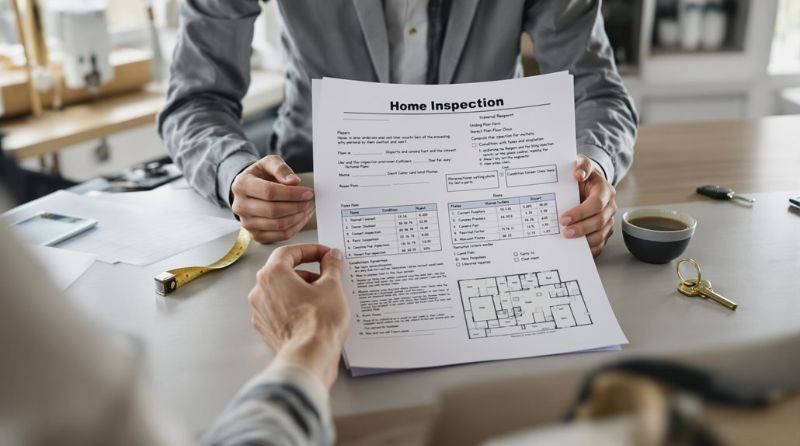
A home inspection report documents the visible and accessible condition of a property's major systems and components at a specific point in time. It covers structural elements, roofing, plumbing, electrical systems, HVAC, insulation, windows, and exterior features.
Understanding inspection terminology helps you accurately interpret findings rather than misread severity levels. Inspectors categorize issues using terms like "deficient," "safety hazard," or "monitor," each carrying different weight for your investment decisions.
The report's significance lies in what it reveals about deferred maintenance, latent defects, and capital expenditure timelines. It won't cover concealed systems, cosmetic conditions, or code compliance beyond observable issues. Additionally, being aware of routine and preventative maintenance can help you evaluate future costs and responsibilities.
Treat it as a snapshot, not a guarantee. As a rental property buyer, you're reading for risk exposure, not just repair lists.
The Sections That Matter Most for Rental Properties
When reviewing an inspection report for a rental property, you'll want to prioritize three categories above all others: structural and foundation issues, major systems condition, and safety or code concerns.
These sections carry the most financial and legal weight, directly affecting your liability as a landlord and your property's long-term viability. Understanding how to read and act on each one lets you make smarter decisions before closing or scheduling repairs. Regular maintenance of essential systems, such as septic system functionality, is critical for preventing costly issues down the line.
Structural and Foundation Issues
Structural and foundation issues sit at the top of the priority list for a reason—these defects are expensive to fix, slow to develop, and easy to miss until they've caused significant damage.
When reviewing this section, focus on anything that compromises foundation stability or structural integrity: foundation cracks, uneven settling, bowing walls, or deteriorating support beams.
Diagonal cracks near door and window corners often signal active movement, not just age.
Pay attention to whether the inspector flagged issues as monitored, active, or requiring immediate intervention—that distinction matters for cost projections.
A rental property with unresolved structural concerns puts your tenants at risk and your investment at a disadvantage.
Don't negotiate around these findings—resolve them or walk away.
Major Systems Condition
Four major systems define the ongoing maintenance cost of any rental property: the HVAC, plumbing, electrical, and roof. Each one carries significant replacement costs and directly impacts tenant livability, so treat any deficiencies here as financial projections, not just inspection notes.
Pay close attention to the age and condition ratings for each system. Aging electrical systems flagged for outdated wiring or insufficient panel capacity signal near-term upgrades.
Plumbing issues like corroded pipes, slow drains, or water pressure irregularities compound quickly in occupied units. HVAC systems past their service life become a recurring maintenance liability.
Cross-reference the inspector's findings with estimated lifespans. If two or three major systems are nearing end-of-life simultaneously, factor those replacement costs into your acquisition offer.
Safety and Code Concerns
Safety and code concerns carry more weight in a rental property inspection than in a standard owner-occupied purchase because you're legally responsible for the conditions your tenants live in.
Building codes set the legal baseline for habitability, and violations can expose you to liability or delay your ability to rent.
Flag these items immediately:
- Smoke and CO detector compliance — required placement and quantity vary by jurisdiction
- Electrical hazards — outdated panels, ungrounded outlets, or unpermitted wiring directly threaten tenant safety
- Egress deficiencies — bedrooms lacking code-compliant windows or exits create both legal and life-safety exposure
Any cited code violation requires resolution before leasing.
Don't treat these as negotiating chips—treat them as mandatory corrections with hard deadlines tied to your closing timeline.
Red Flags That Should Kill the Deal
While most inspection findings are negotiable, some defects represent financial and liability exposure serious enough to reconsider the purchase entirely. Foundational failure, active roof leaks, compromised load-bearing structures, and widespread mold contamination aren't renovation projects—they're liability multipliers that generate tenant complaints, insurance complications, and cost overruns.
Review the property history carefully. Repeated repairs to the same systems, unpermitted additions, or prior flood and fire damage signal deferred accountability, not isolated incidents. These patterns don't resolve at closing.
Environmental hazards—asbestos, lead paint, underground storage tanks—carry regulatory remediation requirements that can dwarf your acquisition costs. If the inspection surfaces any of these conditions, get specialist assessments before proceeding. Additionally, understanding your landlord responsibilities and laws can help you navigate potential liabilities associated with these issues.
The numbers rarely improve with deeper scrutiny.
Repairs You Can Negotiate vs. Accept
Once you've ruled out the deal-breakers, the remaining findings fall into two categories: items worth negotiating and items you absorb as the cost of ownership.
Structuring your repair priorities around cost, urgency, and leverage keeps negotiations focused and efficient.
Target these items in negotiation strategies:
- Safety and structural deficiencies — faulty wiring, roof damage, or plumbing failures that carry immediate financial exposure
- Deferred maintenance with documented costs — HVAC servicing, water heater age, or drainage issues where contractor bids support your ask
- Code violations — sellers are often motivated to resolve these to avoid liability
Accept cosmetic wear, minor weathering, and age-appropriate deterioration without pushback.
These are predictable ownership costs. Negotiating them dilutes your credibility and weakens your position on repairs that actually matter.
Additionally, be aware of your legal responsibilities as a landlord, such as maintaining a property that is safe and habitable, to ensure compliance and avoid disputes.
How to Estimate Costs From Inspection Findings
Translating inspection findings into dollar figures gives your negotiation strategy its backbone. Start by categorizing each finding by trade—roofing, plumbing, electrical, HVAC—then apply cost estimation techniques specific to your market.
Labor rates vary considerably between Denver and San Diego, so use local contractor quotes rather than national averages. For budgeting for repairs, separate immediate capital expenditures from deferred maintenance items and assign realistic timelines to each.
Request itemized bids from at least two licensed contractors before closing. Inspection reports describe conditions, not costs, so you'll need professional input to convert findings into accurate figures.
Factor in material costs, permit fees, and contingency buffers of 15–20% per project. These numbers directly inform your offer price, repair requests, and post-acquisition maintenance reserves. Additionally, understanding preventative maintenance can help you prioritize repairs that will mitigate future costs and enhance tenant satisfaction.
What Inspectors Miss That Landlords Should Catch
Home inspectors follow standardized checklists, which means they often miss the landlord-specific issues that directly affect rental performance and tenant experience.
Hidden damages and tenant concerns often fall outside standard inspection scope, so you'll need to audit these independently:
- Tenant-caused wear patterns – Look beyond cosmetic surface issues; check subfloors beneath carpet, wall cavities near plumbing fixtures, and cabinet interiors for concealed moisture or structural damage.
- Utility performance under load – Inspectors rarely run appliances simultaneously. Test water pressure, drainage speed, and HVAC output under realistic tenant-use conditions.
- Rental-specific code compliance – Egress windows, smoke and CO detector placement, and landlord-tenant habitability requirements vary by jurisdiction and fall outside standard inspection parameters.
Additionally, being aware of mold prevention responsibilities can help landlords identify potential health risks that might not be covered in a standard inspection report.
Cross-referencing inspector findings against these overlooked categories gives you a more complete picture of actual acquisition risk.
Frequently Asked Questions
Should I Attend the Home Inspection in Person as the Buyer?
Yes, you'll gain significant inspection benefits by attending in person. Your buyer presence lets you ask questions, observe issues firsthand, and better understand the inspector's findings before reviewing the written report.
How Long Does a Typical Home Inspection Take to Complete?
Most inspections take 2–4 hours, but inspection duration varies based on factors affecting the process, like property size, age, and condition. You'll want to plan your schedule around these variables accordingly.
Can I Use Inspection Findings to Back Out of the Deal?
Yes, you can use inspection findings to back out, depending on your contingency clause. Leverage contract negotiations with repair cost estimates to either renegotiate terms, request fixes, or exit the deal if issues are deal-breakers.
How Soon After Inspection Should I Submit My Repair Requests?
Submit your repair requests within your contract's inspection timeline—typically 5–10 days. Don't delay; prompt repair negotiation keeps your deal on track and guarantees you've got leverage before contingency deadlines expire.
Should I Get a Second Inspection if the First Raises Concerns?
Yes, you should get a second opinion if serious structural, electrical, or plumbing issues surface. A second inspector may apply different inspection criteria, giving you a clearer, more analytical picture before you finalize your rental property purchase.
Conclusion
Don't treat the inspection report as a formality — it's your clearest window into what you're actually buying. Prioritize structural, mechanical, and safety findings first. Separate negotiable repairs from deal-breakers. Run your cost estimates before you renegotiate or walk away. A thorough reading now protects your cash flow for years. The numbers only work if the property holds up, so use every finding to your advantage before you close.