
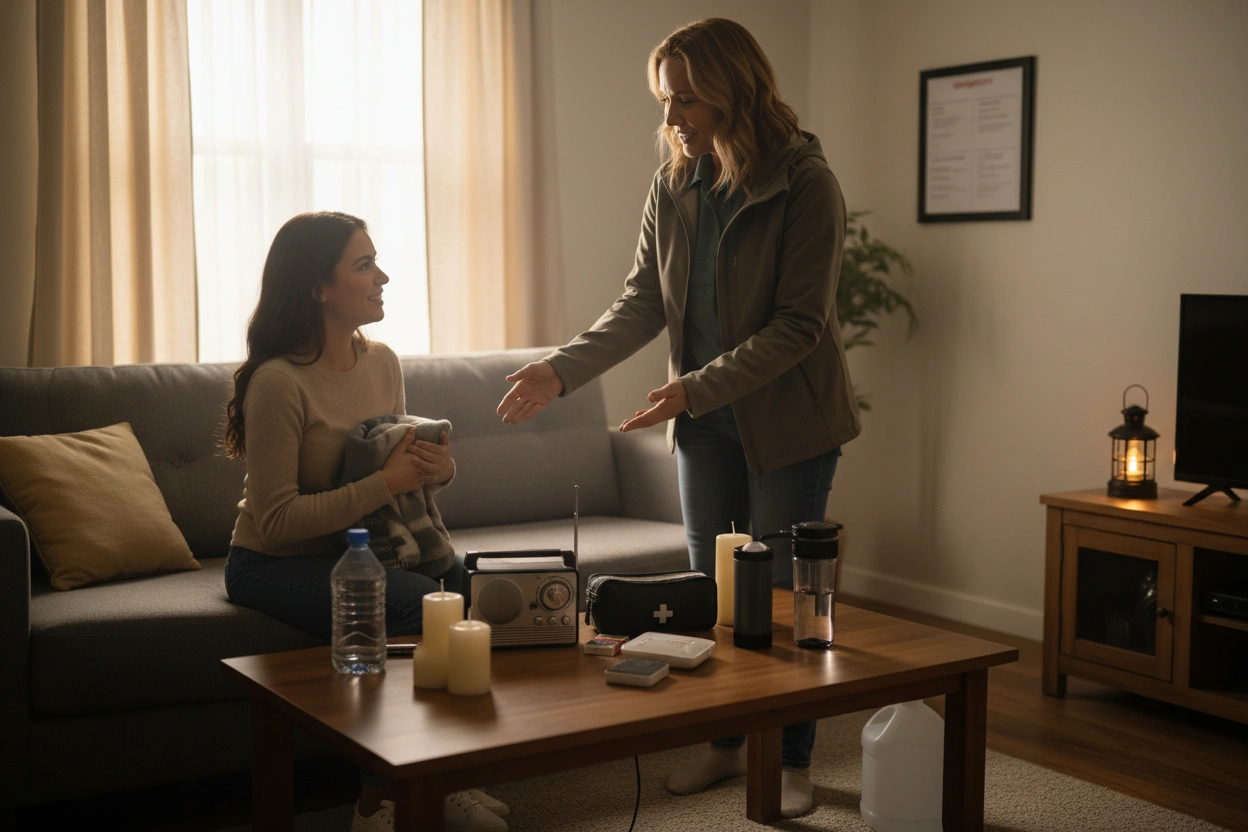
As a landlord, you're legally required to maintain habitable conditions — even during a power outage. You should supply tenants with flashlights, backup phone chargers, a battery-powered radio, and a 24-hour water supply. You're also responsible for maintaining safe electrical systems, communicating promptly during disruptions, and addressing prolonged outages that threaten habitability. Knowing exactly what your obligations cover — and where they end — can protect you from serious liability.
Key Takeaways
- Landlords should provide flashlights, batteries, a first aid kit, portable phone chargers, and at least a 24-hour bottled water supply.
- Establish clear communication protocols via text, email, or management platforms, and distribute emergency contact sheets to all tenants.
- During outages, promptly notify tenants, inspect electrical panels, and ensure emergency lighting functions in all common areas.
- Advise tenants to discard perishables after two to four hours without power and seal waste in tied plastic bags.
- Prevent frozen pipe damage by instructing tenants to let faucets drip and keep cabinet doors open under sinks.
What Are Landlords Actually Required to Provide?
When a power outage hits your rental property, your legal obligations don't disappear with the lights. Most states require landlords to maintain habitable conditions, which means ensuring access to essential utilities remains a core responsibility.
While you're not always liable for outages caused by the utility company, you're responsible for keeping your property's electrical systems in safe, working order. Timely maintenance and repairs are essential to comply with landlord-tenant laws that govern your responsibilities.
Tenant rights vary by state, but most jurisdictions allow renters to pursue rent reductions or repairs if power loss stems from neglected infrastructure. Know your local housing codes before an outage occurs.
In cities like Seattle, Portland, or Denver, habitability standards are strictly enforced. Understanding your legal obligations ahead of time keeps you compliant, protects your tenants, and shields you from costly disputes.
Essential Supplies Every Rental Unit Should Have
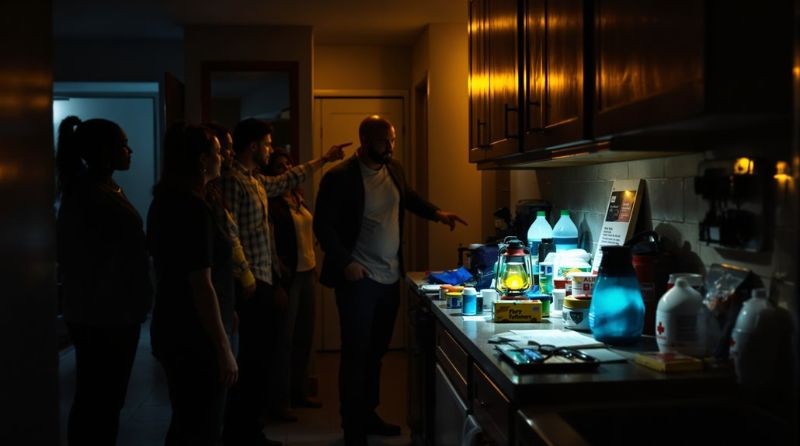
A few basic supplies can make the difference between a manageable outage and a genuine emergency for your tenants.
While you're not always legally required to stock emergency kits, providing them demonstrates responsible property ownership and reduces the risk of tenant distress or liability claims.
At minimum, consider supplying each unit with:
- Flashlights with extra flashlight batteries
- A basic first aid kit
- A battery-powered or hand-crank radio
- A portable phone charger
- Bottled water (at least a 24-hour supply)
Store these items in an accessible, clearly labeled location and inspect them during annual walkthroughs.
Replacing dead batteries and expired supplies keeps emergency kits functional when tenants actually need them.
Small investments in preparedness protect both your tenants and your property, enhancing tenant satisfaction and overall trust in your management practices.
How to Communicate With Tenants Before an Outage Hits
Before a storm or grid failure disrupts service, you need established communication channels already in place so tenants aren't left scrambling for answers.
Set up a primary contact method—whether that's a group text thread, email list, or property management platform—and make sure every tenant is enrolled before outage season arrives.
You should also distribute a clear emergency contact sheet that includes your number, a backup contact, and any utility provider hotlines tenants may need to report outages or request updates. Additionally, consider including seasonal reminders to reinforce expectations and prevent confusion during emergencies.
Set Up Communication Channels
Clear communication before a power outage can mean the difference between a calm, informed tenant and a flood of panicked calls at midnight. Establish your preferred communication channels now, before an emergency occurs.
Whether you use text, email, or a property management platform, make sure your tenants know exactly how they'll receive emergency notifications and what to expect from you during an outage.
Document your communication protocol in writing and share it with tenants at move-in or during your next lease renewal.
Schedule routine tenant check-ins so that contact information stays current and communication lines remain open. Outdated phone numbers or ignored email addresses will compromise your ability to reach tenants when it matters most.
A reliable system eliminates confusion and keeps everyone on the same page.
Share Emergency Contact Info
Every tenant in your rental property should have three essential pieces of emergency contact information on hand before an outage ever occurs: your direct phone number, an after-hours emergency line, and the contact details for your local utility provider.
These emergency contacts aren't optional—they're a baseline obligation that protects both your tenants and your property.
Distribute this information in multiple formats. Post it inside the unit, include it in the lease, and send a digital copy tenants can access without power.
Don't assume tenants will track down tenant resources on their own during a crisis.
Update this contact list annually or whenever information changes. Outdated emergency contacts create confusion, delay response times, and expose you to liability when tenants can't reach help during an outage.
What to Do When the Power Goes Out
When the power goes out at your rental property, your response time and communication matter. Notify your tenants immediately with clear instructions on what to do and what to expect.
Confirm whether the outage is isolated to your property or part of a broader utility disruption—this determines your next steps.
If the outage is property-specific, inspect your electrical panel for tripped breakers before calling an electrician.
Verify emergency lighting is functional in common areas, stairwells, and exits to meet safety code requirements. If you've installed backup generators, confirm tenants know how to operate them safely.
Document the outage, your actions, and any related communications. Quick, transparent responses reduce tenant frustration and protect you from potential liability. Additionally, ensure that you have a vendor list ready for after-hours services to address any urgent electrical issues.
Cold Weather and Food Safety: Tenant Guidance That Matters
When temperatures drop and power stays out, your tenants face real risks beyond discomfort—spoiled food and frozen pipes can quickly become costly problems.
Remind tenants that refrigerators hold safe temperatures below 40°F for roughly four hours, and any perishables beyond that threshold should be discarded.
You should also instruct tenants to keep cabinet doors open near exterior walls and let faucets drip slightly to reduce the risk of frozen pipes during extended outages. Additionally, emphasize the importance of insulating exposed pipes to prevent freezing and potential damage during extreme cold.
Refrigerator Safety Temperature Thresholds
During a power outage, your refrigerator's internal temperature becomes a critical food safety variable. Once power fails, you have a narrow window before refrigerator temperature rises into the danger zone.
Share these thresholds with tenants immediately:
- 40°F or below – Safe refrigerator temperature for perishables
- 40°F–140°F – The danger zone where bacteria multiply rapidly
- 4 hours – Maximum safe time an unopened refrigerator holds safe temps
- Never taste-test – Discard any food with an uncertain temperature history
- Use a thermometer – Tenants shouldn't guess; an appliance thermometer confirms safety
Remind tenants to keep refrigerator doors closed to preserve cold air.
Clear, direct food safety guidance reduces liability and prevents illness during extended outages.
Safe Food Disposal Guidelines
Once refrigerator temperatures breach the 40°F threshold, the next step isn't hesitation—it's disposal. Instruct tenants to discard perishables—meat, dairy, eggs, and cooked foods—that have been exposed to unsafe temperatures for two or more hours.
Clear food storage guidelines reduce liability and prevent foodborne illness.
For waste disposal, tenants should seal discarded food in tied plastic bags before placing it in exterior bins. This prevents odors, pests, and sanitation violations.
Remind tenants not to refreeze thawed items, even if temperatures are later restored.
Provide a simple written checklist so tenants don't rely on memory during a stressful outage. When expectations are documented and communicated in advance, you're protecting both your tenants' health and your property's sanitation standards.
Preventing Frozen Pipe Damage
Power outages that strike during freezing temperatures introduce a secondary threat that landlords often underestimate: frozen and burst pipes. Your frozen pipe prevention strategy should include clear tenant instructions before winter arrives.
Provide tenants with these winterization tips:
- Keep cabinet doors open under sinks to allow warm air circulation.
- Let faucets drip slowly to maintain water movement through pipes.
- Identify and communicate the location of the main water shut-off valve.
- Seal gaps near pipes along exterior walls using towels or insulation.
- Report dropping indoor temperatures immediately if heating systems fail.
Acting on these steps early reduces costly pipe failures.
You're responsible for equipping tenants with this knowledge before an outage creates irreversible structural and water damage to your property.
When a Power Outage Becomes a Habitability Issue
Most power outages resolve within hours, but when one extends beyond that window, it can cross into habitability territory—and that's where your legal obligations as a landlord come into focus.
Tenant rights laws in most states require rental units to maintain livable conditions, which typically includes functional heating, lighting, and refrigeration. A prolonged outage that compromises these essentials can constitute a breach of the implied warranty of habitability.
Your legal responsibilities don't pause because the utility company is at fault. Depending on your jurisdiction, you may need to arrange temporary accommodations, issue rent reductions, or take other corrective action. Knowing the habitability thresholds in your state before an outage occurs puts you in a far stronger legal and operational position. Additionally, understanding your obligation to provide a habitable living environment is crucial in these situations.
Frequently Asked Questions
Can Tenants Break Their Lease Due to Repeated Power Outages?
Repeated power outages may give tenants grounds for lease termination if you've failed to maintain habitable conditions. Know your local tenant rights laws, as they vary by state and can greatly impact your legal obligations as a landlord.
Who Is Responsible for Replacing Food Lost During an Outage?
Generally, you aren't responsible for food reimbursement unless negligence caused the outage. Tenant rights vary by state, so review local laws and your lease terms to clarify liability before disputes arise.
Should Landlords Install Backup Generators in Their Rental Properties?
You're not typically required to install backup generators, but doing so can enhance tenant safety. If you choose to install one, you'll need to budget for ongoing generator maintenance and comply with local codes.
How Long Can a Landlord Legally Delay Restoring Power to Tenants?
You can't legally delay power restoration—tenant rights require you to act immediately. Most states mandate repairs within 24–72 hours. Prolonged outages can constitute constructive eviction, exposing you to serious legal liability.
Are Landlords Required to Provide Temporary Housing During Extended Outages?
You're generally required to provide temporary housing options during extended outages if the unit becomes uninhabitable. Tenant rights vary by state, so you should consult local housing laws to understand your specific obligations.
Conclusion
When the power goes out, your tenants are counting on you to have already done the work. You've got legal obligations to meet, supplies to stock, and communication systems to put in place before an outage ever hits. Don't wait for a crisis to expose the gaps in your preparedness plan. Take action now, document everything, and treat power outage readiness as a core component of your property management responsibilities — not an afterthought.