
As winter sets in, the risk of frozen pipes becomes a pressing concern for Denver tenants. The cold temperatures, coupled with the unique plumbing setups often found in Denver homes, create a perfect storm for potential plumbing disasters. This article will provide essential tips and insights on how to prevent frozen pipes, understand tenant rights, and ensure your plumbing remains intact during the cold months.
Understanding the Risks of Frozen Pipes in Denver
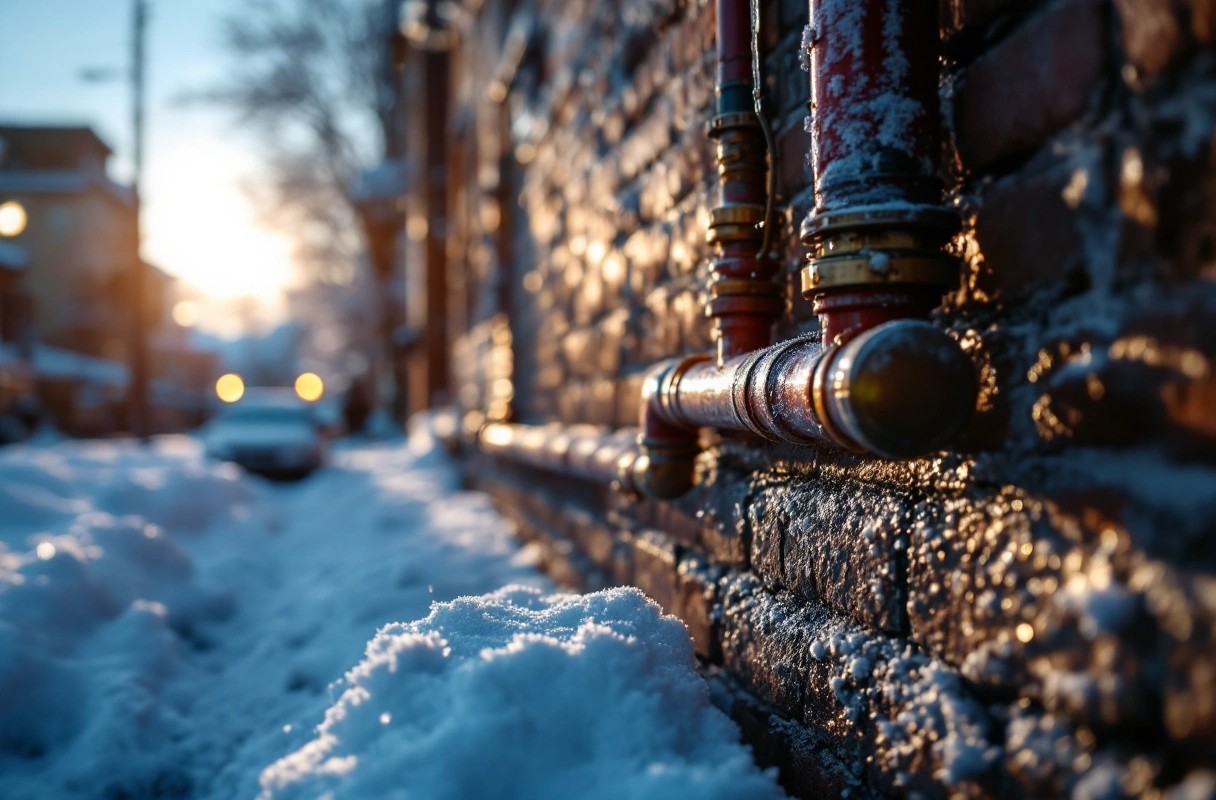
Frozen pipes can lead to significant damage and costly repairs, making it vital for tenants to understand the risks involved. The primary causes of frozen pipes include inadequate insulation, exposure to cold air, and sudden temperature drops. In Denver, where winter temperatures can plummet well below freezing, any exposed pipes are at risk. Unheated areas such as basements, attics, and crawl spaces are particularly vulnerable.
When water freezes within a pipe, it expands, potentially causing the pipe to burst. This not only results in immediate water damage but can also lead to long-term structural issues if not addressed promptly. The impact of freezing temperatures on plumbing can be severe, especially in older buildings where the infrastructure may not be equipped to handle extreme weather conditions. Understanding these risks is the first step in preventing frozen pipes and protecting your living space.
Essential Winter Plumbing Tips for Denver Residents
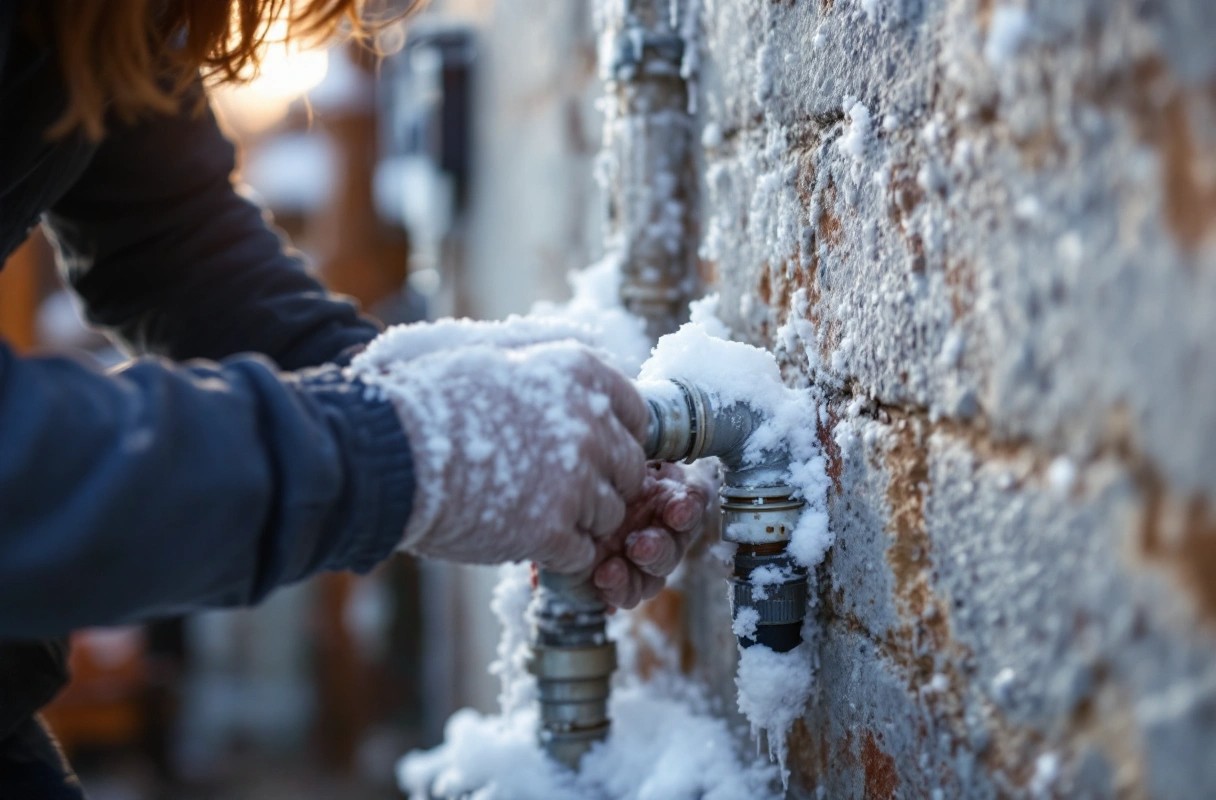
To minimize the risk of frozen pipes, Denver residents should implement several key strategies. One of the most effective methods for frozen pipes prevention is to ensure that all exposed pipes are properly insulated. Insulation helps to maintain a consistent temperature around the pipes, reducing the likelihood of freezing. Foam pipe insulation is readily available at home improvement stores and can be easily installed by tenants.
Another essential tip is to maintain consistent heating in your home. Even when you are away, keeping your thermostat set to a minimum temperature can help prevent pipes from freezing. It is also advisable to open cabinet doors under sinks to allow warm air to circulate around the plumbing. Additionally, letting faucets drip slightly during extreme cold can relieve pressure and prevent freezing by keeping water moving through the pipes.
Understanding Your Tenant Rights in Denver
Being informed about your tenant rights regarding plumbing maintenance is crucial in protecting yourself during winter. In Denver, landlords are required to provide habitable living conditions, which includes ensuring that plumbing systems are functional and well-maintained. If you notice signs of plumbing issues, such as leaks or inconsistent water pressure, it is your right to report these problems to your landlord for timely repairs.
Tenants should also understand their responsibilities when it comes to winterizing their homes. While landlords are generally responsible for major repairs, tenants must take reasonable steps to prevent issues, such as ensuring that heating systems are functioning properly and notifying landlords about maintenance needs. Familiarizing yourself with these rights and responsibilities can help you navigate any disputes that may arise during winter months.
Creating a Comprehensive Winter Maintenance Checklist
A winter maintenance checklist is an invaluable tool for Denver tenants looking to protect their homes from frozen pipes. The importance of having a structured approach to winterizing your living space cannot be overstated. A well-organized checklist ensures that no critical tasks are overlooked, ultimately safeguarding your plumbing system.
Key items to include on your winter maintenance checklist should consist of:
- Inspecting and insulating exposed pipes, especially in unheated areas
- Checking the heating system to ensure it is functioning properly
- Sealing any drafts around windows and doors to maintain indoor temperatures
- Draining outdoor hoses and shutting off exterior water sources to prevent freezing
- Scheduling regular plumbing inspections with local services if you live in an older building
By following a comprehensive checklist, you can effectively minimize the risk of frozen pipes and maintain a comfortable living environment throughout the winter.
When to Seek Professional Plumbing Repairs in Denver
Identifying plumbing emergencies is essential for tenants, especially during the winter months. Signs that you should seek professional plumbing repairs include sudden drops in water pressure, unusual sounds from the plumbing system, or visible leaks. If you suspect that a pipe has frozen or burst, it is critical to act quickly to prevent further damage.
Hiring local plumbing services can provide several benefits. Not only do professionals have the expertise to diagnose and resolve plumbing issues, but they also have access to the right tools and materials. Moreover, local plumbers are familiar with the specific challenges presented by Denver's climate and can offer tailored solutions to prevent future issues.
By understanding when to seek professional help, tenants can protect their homes from the potentially devastating consequences of frozen pipes and ensure their plumbing remains in good working order.
The Importance of Frozen Pipe Prevention for Denver Tenants
The risk of frozen pipes is a significant concern for Denver tenants during winter months. By understanding the causes and impacts of freezing temperatures, implementing effective plumbing tips, and being aware of tenant rights and responsibilities, individuals can take proactive steps to protect their homes.
For independent landlords and small portfolio property owners looking for support in managing these responsibilities, RentalRiff offers valuable resources to help you navigate plumbing issues and maintain tenant satisfaction.