

Navigating the complexities of rental agreements can be daunting, especially when it comes to maintenance obligations like septic system upkeep. Many landlords and tenants find themselves uncertain about their responsibilities, especially regarding critical aspects such as septic system maintenance. This article clarifies the essential elements of rental agreements concerning septic maintenance, outlining the responsibilities of both landlords and tenants to foster a clear understanding and promote a harmonious rental experience.
Understanding Rental Property Maintenance Obligations
Landlords bear the primary responsibility for maintaining rental properties, which includes ensuring that essential systems, such as plumbing and septic systems, are in proper working order. This obligation is rooted in the principle of providing a habitable living environment for tenants. Under most rental property agreements, landlords must address significant repairs and maintenance issues promptly. This includes regular inspections and necessary repairs to the septic system, which can prevent costly failures and health hazards.
Tenants also have rights related to property maintenance that should not be overlooked. Typically, tenants are entitled to a safe and functional living space. If a septic system issue arises, tenants should report the problem to their landlord immediately. Failure to address maintenance concerns in a timely manner can lead to severe health risks and potentially legal ramifications for landlords. It's crucial for both parties to understand these dynamics to ensure compliance with rental property agreements and maintain a positive rental relationship.
Septic System Maintenance: What You Need to Know
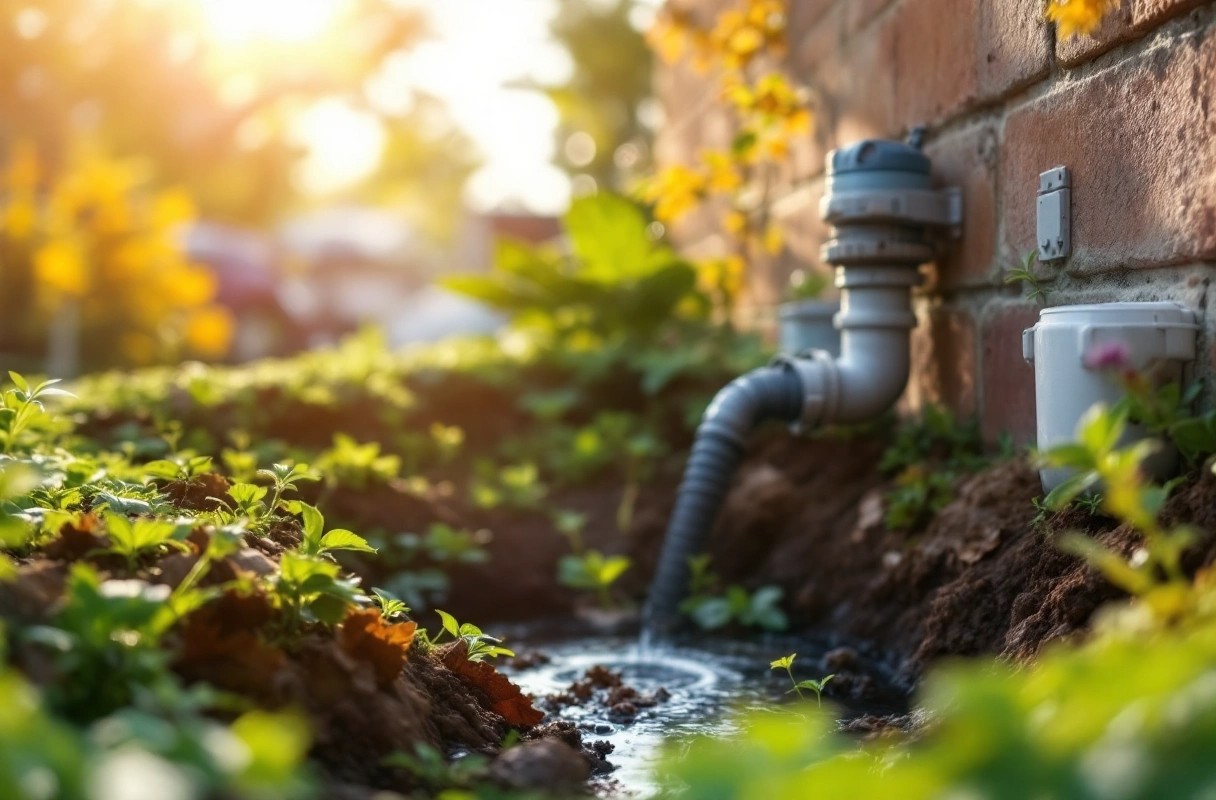
Septic system maintenance is vital for both property owners and tenants. A well-maintained septic system helps prevent backups, leaks, and costly repairs. Regular maintenance includes pumping the septic tank every three to five years, inspecting for leaks, and ensuring proper drainage. Neglecting these tasks can result in system failure, which not only disrupts the tenant's living conditions but can also lead to legal issues for landlords due to non-compliance with health regulations.
Common issues faced by tenants regarding septic systems include slow drainage, foul odors, and sewage backups. These problems can significantly impact daily life and may require immediate attention. Tenants should be educated on how to maintain their septic systems, such as avoiding flushing non-biodegradable items and conserving water usage. Establishing clear communication channels for reporting problems can help ensure that septic issues are addressed swiftly and effectively.
Navigating Property Rental Laws and Regulations

Understanding property rental laws and regulations is crucial for both landlords and tenants. These laws govern the obligations and rights of both parties in a rental agreement, particularly regarding maintenance and repairs. Depending on the jurisdiction, there may be specific regulations that outline the responsibilities of landlords concerning septic systems. For instance, some states mandate that landlords must provide documentation proving the septic system's functionality before leasing the property.
State-specific regulations may vary widely, so it is essential for landlords to familiarize themselves with local laws governing septic system maintenance. This includes understanding inspection requirements and potential penalties for non-compliance. Tenants should also be aware of their rights under these laws, particularly if they encounter issues with the septic system that are not addressed by the landlord in a timely manner.
Defining Maintenance Expectations in Rental Agreements
Clearly outlining maintenance responsibilities in rental agreements is essential for preventing misunderstandings and disputes. A well-crafted rental agreement should specify who is responsible for septic system maintenance, inspections, and repairs. This clarity can save both parties from potential conflicts and ensure that issues are resolved efficiently.
It is important to include specific rental agreement clauses that detail maintenance expectations. For example, a clause might state that the landlord is responsible for regular septic inspections and that the tenant must report any issues promptly. Written agreements help protect both landlords and tenants by providing a clear reference point if disputes arise. Establishing these expectations upfront can lead to a more positive rental experience for everyone involved.
The Intersection of Rental Agreements and Septic Maintenance Expectations
Understanding rental agreements in the context of septic maintenance is vital for independent landlords and small portfolio property owners. By defining responsibilities and expectations clearly within these agreements, both parties can work towards a smoother rental experience. RentalRiff is committed to helping landlords navigate these complexities effectively.
Property owners seeking assistance with maintenance and tenant support can reach out for expert guidance. For more information on how to manage your rental agreements and septic maintenance expectations, visit RentalRiff today.