
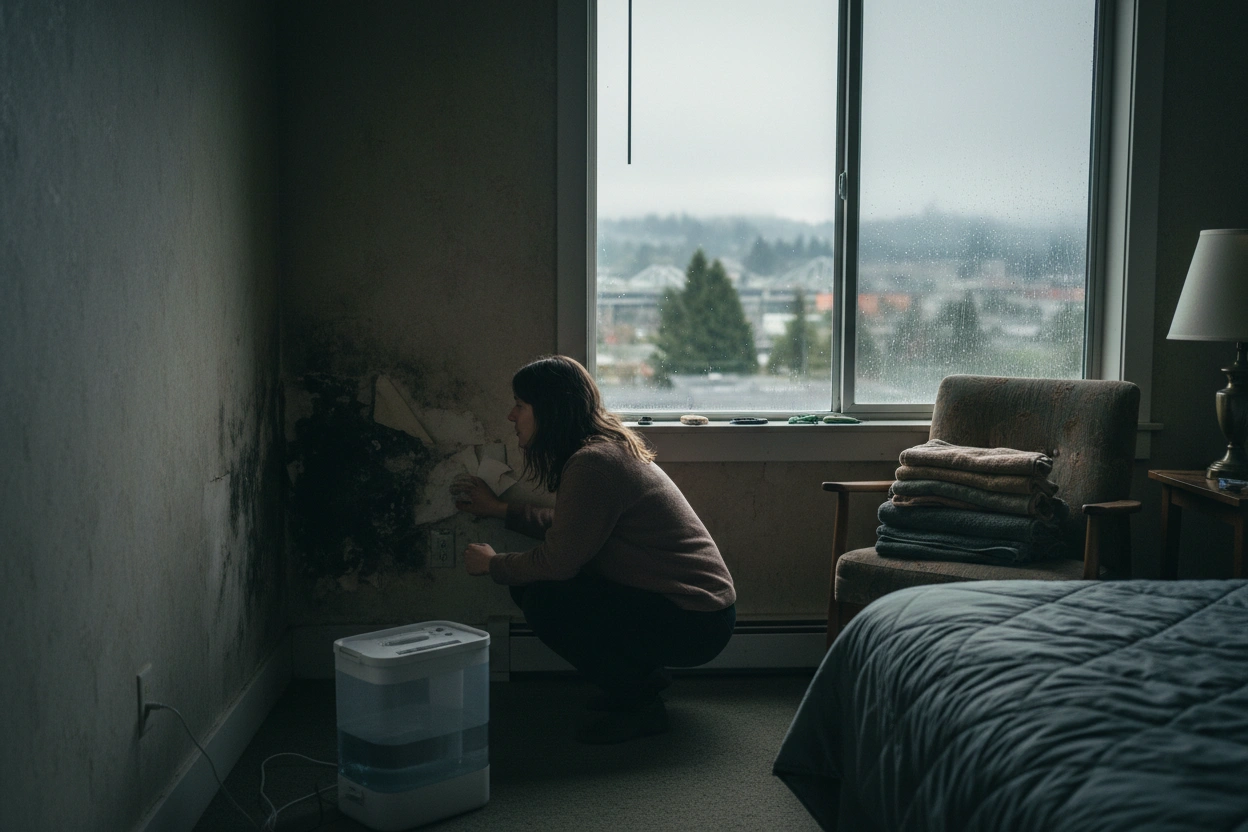
As the seasons shift in Portland, many renters find themselves battling an all-too-familiar foe: dampness. This problem is particularly pronounced in older rental units, where the architecture and materials can exacerbate moisture retention. Understanding the factors contributing to this issue is essential for both tenants and landlords, as it can have significant implications for health, property condition, and overall tenant satisfaction.
Why Older Rental Units Are More Prone to Dampness
Older rental units often exhibit age-related vulnerabilities that make them more susceptible to dampness. Many of these buildings were constructed before modern building codes were established, which means they may lack adequate insulation, proper sealing, and efficient drainage systems. As a result, moisture can easily infiltrate these structures, leading to persistent dampness.
Portland's climate further exacerbates this issue. The region is known for its rainy weather, particularly during the fall and winter months. High humidity levels combined with inadequate ventilation in older units can create a perfect breeding ground for moisture-related problems. Without the modern barriers found in new construction, these vintage homes often struggle to remain dry during the long Pacific Northwest rainy season.
Common Sources of Moisture Infiltration
- Inadequate Insulation: Thin walls allow for significant temperature differentials, leading to condensation on interior surfaces.
- Failing Building Envelope: Gaps in original siding or around historic window frames provide direct pathways for rainwater.
- Basement and Crawl Space Seepage: Older foundations may lack modern vapor barriers, allowing ground moisture to rise into the living areas.
- Poor Ventilation: Many historic units were built without mechanical exhaust fans in high-moisture areas like kitchens and bathrooms.
Strategic Maintenance to Combat Seasonal Humidity
For property owners, the battle against dampness is won through a proactive property upkeep checklist that addresses the building's exterior before the rains arrive. Ensuring that gutters and downspouts are clear is the most important task; when water overflows from a clogged gutter, it saturates the soil near the foundation, which is the primary cause of damp basements in older Portland homes.
Inside the unit, ad-hoc maintenance and repairs should focus on air sealing and ventilation. Installing or upgrading bathroom exhaust fans is a high-impact investment that allows tenants to remove steam at the source. Property specialists should also inspect the caulking around windows and doors annually. By maintaining a tight building envelope, you reduce the humidity load that the building's heating system must overcome. RentalRiff supports this model by providing local, licensed specialists who handle these recurring checks to keep independent landlords ahead of the seasons.
Essential Moisture Prevention Tactics
- Gutter and Downspout Management: Diverting water at least five feet away from the foundation to prevent soil saturation.
- Exterior Sealant Review: Replacing brittle caulk around all penetrations to stop liquid water entry.
- Vapor Barrier Installation: Adding a heavy-duty plastic barrier to crawl spaces to block subterranean moisture.
- Heating System Optimization: Ensuring the furnace is serviced and filters are clean to provide the consistent, dry heat necessary for moisture evaporation.
Empowering Tenants Through Education and Support
The daily habits of residents play a significant role in managing indoor air quality. Mastery of Portland rentals involves maintaining a professional line of tenant support and communication to educate residents on how to manage their environment. For instance, explaining the importance of keeping furniture away from exterior walls to allow for airflow can prevent the "hidden" mold that often grows in stagnant pockets behind beds or sofas.
When a tenant reports dampness or a musty smell, the response must be immediate. 24/7 maintenance requests ensure that a specialist can investigate the source—whether it’s a localized leak or a systemic ventilation issue—before it leads to structural decay or health concerns. RentalRiff serves as the primary contact for these interactions, managing the logistics of repair coordination so the owner remains in control without the daily stress of moisture management.
The Long-Term ROI of a Dry Property
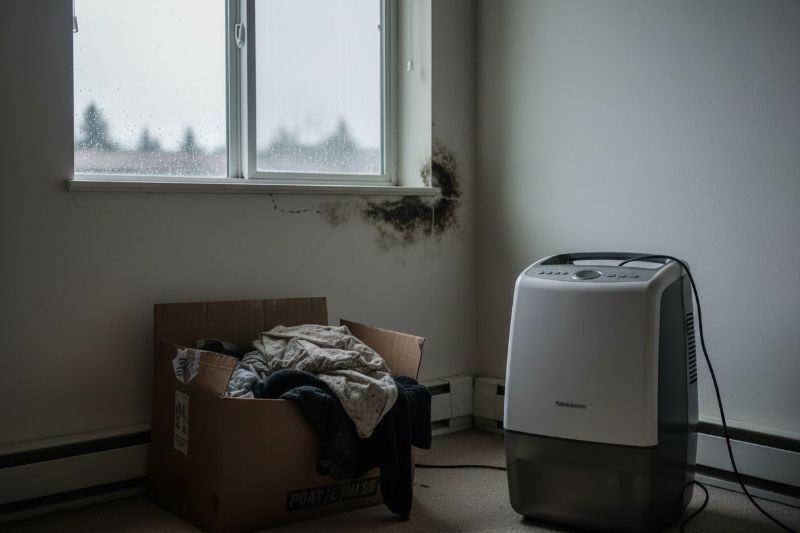
Addressing seasonal dampness is a critical component of a rental profit audit. A unit that is perpetually damp will suffer from accelerated aging, leading to peeling paint, warped flooring, and the potential for expensive mold remediation. Conversely, a property that is well-maintained and dry justifies premium rent levels and encourages long-term residency.
Turnover services provide an ideal window to perform a deep-dive moisture audit. When the unit is empty, specialists can check for signs of moisture intrusion in areas usually covered by tenant belongings. Delivering a clean, dry unit sets a high standard for the next lease and reduces the likelihood of future disputes. By focusing on the physical health of the building, you reduce your liability and increase your chances of effortless lease renewals.
Securing Your Investment in the Pacific Northwest
Seasonal dampness is a reality for Portland landlords, but it is manageable with the right systems in place. By combining structural improvements with proactive maintenance and clear tenant communication, you can protect your assets from the elements. Your commitment to professional maintenance standards is the best defense against the humidity of the region.
Whether you are managing a classic Victorian or a mid-century bungalow, the principles of moisture control remain the same. Stay ahead of the rain, utilize the right specialists for the job, and keep your communication channels open. With a focus on the unique challenges of the Portland climate and a dedication to quality upkeep, you can build a rental business that is both profitable and resilient for decades to come.