
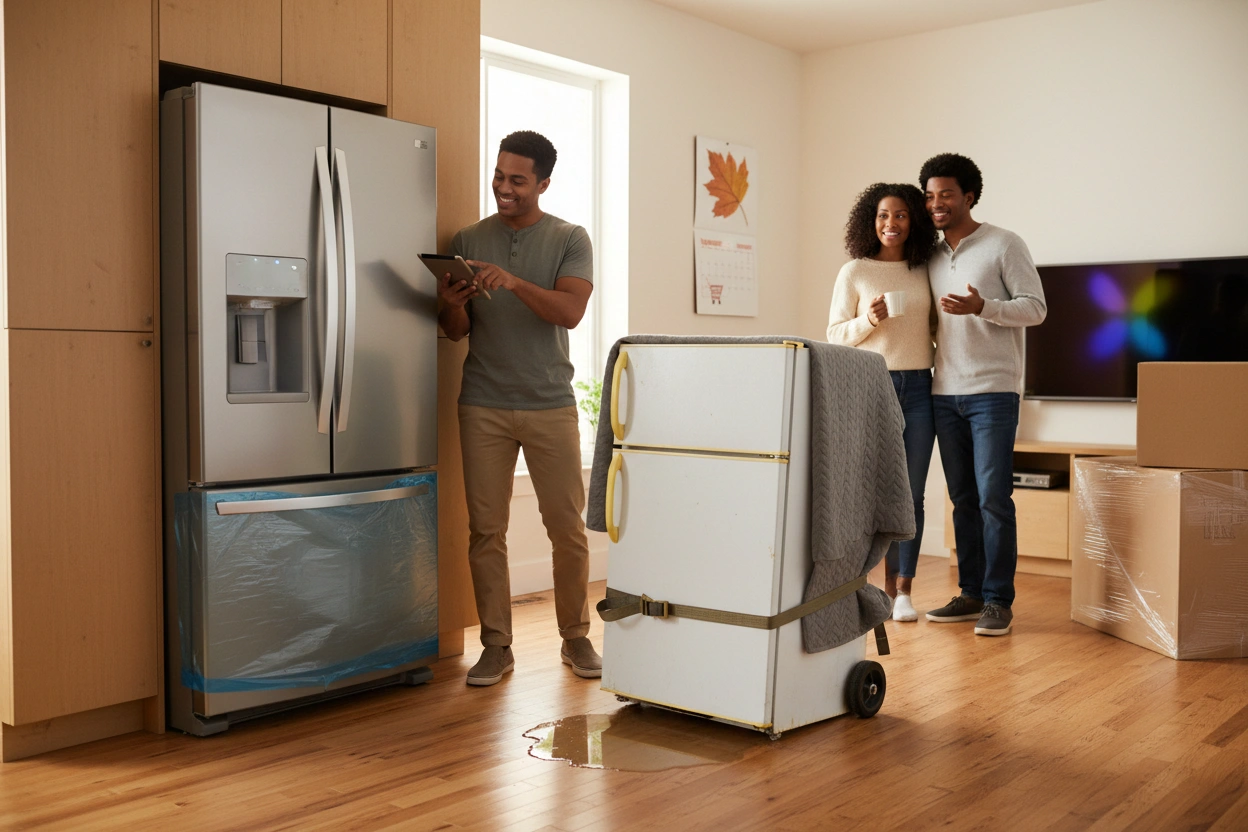
Black Friday is the right time to replace aging rental appliances before winter exposes their weaknesses. Heating systems, water heaters, and washers face their heaviest strain between December and February, and emergency repairs cost far more than planned replacements. If an appliance is over halfway through its service life or repair costs exceed 50% of its replacement value, buying now makes financial sense. The sections below break down exactly how to make that call.
Key Takeaways
- Black Friday discounts of 20–40% make proactive appliance replacements significantly cheaper than emergency replacements during winter breakdowns.
- The 50% rule helps decide: if repair costs exceed half the replacement value, replacing now is smarter.
- Heating systems and water heaters face peak winter stress, making pre-season replacement a strategic preventative measure.
- Scheduling installations during Black Friday avoids disruptive emergency repairs that strain tenant relationships and operational capacity.
- Standardizing appliances during Black Friday purchases simplifies future maintenance, reduces parts inventory, and lowers long-term repair costs.
Which Rental Appliances Are Most Likely to Fail in Winter
Winter puts rental appliances under stress they don't face the rest of the year, and some are far more likely to fail than others. Heating systems top the list—furnaces and heat pumps running continuously accelerate winter wear and push older units past their appliance lifespan limits. Water heaters work harder against cold incoming water temperatures, increasing sediment buildup and element strain. Refrigerators in poorly insulated units cycle more frequently due to temperature swings near exterior walls. Washers and dryers see heavier use as tenants layer up and wash more. HVAC units in particular benefit from lubricating moving parts and checking refrigerant levels before seasonal demand peaks, as neglected components are far more prone to mid-winter failure. If your units have appliances approaching the 10–15 year mark, winter isn't when you want to find out they're done—it's when breakdowns cost the most.

When to Replace Rental Appliances vs. Pay for Repairs
When a rental appliance breaks mid-winter, the instinct is often to repair it fast and move on—but that decision deserves a harder look. Use the 50% rule as your baseline: if repair costs exceed half the unit's current replacement value, replacement wins. Factor in appliance lifespan too—a 10-year-old refrigerator or furnace sitting near the end of its expected service life isn't worth repeated investment. Repairs on aging units compound quickly, and a second failure mid-January costs you more in emergency labor and tenant friction than a proactive swap would've. If the appliance is under five years old and the fix is straightforward, repair makes sense. Beyond that window, you're often financing a breakdown that's already inevitable. Keep in mind that landlords are required to maintain heating and plumbing systems in working order, meaning delayed replacements on critical systems can put you out of compliance with local repair timelines.
Why Black Friday Beats Waiting for a Breakdown
Appliance failures don't follow business hours—they hit on weekends, holidays, and in the middle of the night, leaving you scrambling for emergency replacements at full retail price. Black Friday flips that dynamic by letting you replace aging units on your schedule, not your appliance's. Capturing discounts of 20–40% on major appliances offsets replacement costs and removes the financial sting of proactive swaps before failure forces your hand. Proactive replacement also aligns with preventative maintenance strategies that protect property value and shield landlords from the compounding costs of emergency repairs.
Breakdowns Happen at Night
Rental appliances don't schedule their failures conveniently. They fail at 11 PM on a Friday, during a holiday weekend, or in the middle of a cold snap when HVAC demand peaks. Night emergencies create compounding problems: your tenant needs an immediate response, repair technicians charge premium after-hours rates, and replacement inventory at local suppliers is often depleted. You're also managing tenant communication under pressure, which increases the likelihood of miscommunication, frustration, and strained relationships.
Proactive Black Friday replacement eliminates that scenario entirely. You control the timeline, choose the unit, schedule installation during business hours, and brief your tenant before the swap happens. Replacing an aging appliance now costs less in every measurable way than responding to a failure you could have anticipated. Landlords who prioritize regular proactive maintenance report higher tenant satisfaction, which directly contributes to lease renewals and long-term rental stability.
Sales Offset Replacement Costs
Black Friday discounts on major appliances routinely run 20–40% off retail, and that single variable changes the financial calculus of proactive replacement entirely. For budget planning purposes, a predictable sale date lets you stage cost effective solutions before failure forces your hand.
Waiting for a January breakdown means:
- Full retail pricing with zero negotiating leverage
- Emergency delivery fees on top of unit cost
- Potential tenant displacement and lost rent
- Repair costs stacked against a dying appliance
- No time to compare models, warranties, or efficiency ratings
Buying during Black Friday gives you controlled timing, lower unit cost, and scheduled installation. The math is straightforward — a 30% discount on a $1,200 refrigerator saves $360, easily covering installation. Proactive replacement is cheaper, cleaner, and operationally smarter. Appliance servicing and replacement before failure extends the life of property assets and protects tenant satisfaction, making a planned Black Friday purchase one of the more defensible line items in a landlord's annual budget.
Durability, Warranties, and Features That Matter for Rentals
When replacing appliances during a Black Friday sale, durability and warranty terms matter more than price alone. For rental properties, prioritize commercial-grade or heavy-duty models built to handle higher usage cycles than standard residential units. Check user reviews specifically from landlords or multi-unit operators—they'll surface failure patterns that spec sheets won't show.
Focus on energy efficiency ratings, since tenants rarely monitor utility consumption, and inefficient appliances drive up costs over time. Look for a minimum one-year parts-and-labor warranty, with extended coverage available for major components like compressors or heating elements.
Avoid feature-heavy models with complex electronics. Touch screens, smart connectivity, and proprietary parts increase repair costs and failure points. Simpler controls, stainless interiors, and accessible components keep long-term maintenance manageable and turnaround time short between tenants. Keeping appliances in reliable working order is part of a landlord's broader obligation to maintain essential property systems like plumbing, heating, and electrical in a habitable condition.
How to Replace Appliances Without Disrupting Your Tenants
Replacing appliances mid-tenancy requires coordination, not just scheduling. Your appliance selection affects delivery timing, so confirm dimensions and utility hookups before purchasing. Loop in your tenant early to minimize friction.
- Notify tenants 48–72 hours before delivery and installation
- Confirm the delivery window fits the tenant's schedule
- Verify utility shutoffs, clearances, and hookup compatibility in advance
- Arrange haul-away for the old appliance during the same visit
- Test the new appliance before the crew leaves
Tenant communication throughout this process isn't optional—it protects the relationship and prevents complaints. A Black Friday purchase gives you lead time to schedule installation on your terms, not reactively during a breakdown. Use that window to coordinate cleanly and keep your tenant's routine intact. Your rental agreement clauses should already outline appliance maintenance responsibilities, giving both parties a clear reference point before any replacement begins.
How to Use Black Friday Across Multiple Properties
If you own multiple rental properties, Black Friday is an opportunity to consolidate your appliance purchases into a single bulk order, often revealing deeper discounts from retailers. You'll need to coordinate delivery windows across each property in advance, scheduling around tenant availability and unit turnover dates to avoid conflicts. Standardizing on the same appliance models portfolio-wide also simplifies future maintenance, since your specialist can stock consistent parts and troubleshoot familiar units across every property. Keeping detailed documentation of maintenance activities for each replaced appliance across your portfolio ensures accurate records that support warranty claims and inform future purchasing decisions.
Bulk Purchasing Across Properties
Landlords managing multiple properties can stretch Black Friday's value further by coordinating appliance purchases across their entire portfolio rather than replacing units reactively, one property at a time. Bulk discounts increase greatly when you're buying three refrigerators instead of one. Consolidating purchasing strategies across properties lets you negotiate better pricing, standardize appliance models, and simplify future maintenance.
Consider coordinating purchases by:
- Auditing appliance age across all units before November
- Standardizing brands and models to reduce parts and service variability
- Negotiating volume pricing directly with retailers or distributors
- Scheduling deliveries and installations across properties within the same window
- Tracking warranty expiration dates collectively to anticipate future replacement cycles
This approach converts scattered reactive purchases into a deliberate, portfolio-wide capital strategy.
Coordinating Multi-Property Deliveries
Coordinating deliveries across multiple properties during Black Friday week is a logistical challenge that can unravel even well-planned purchasing decisions. Retailers often compress delivery windows during high-volume periods, leaving little flexibility. Without tight scheduling coordination, you risk tenant disruptions, missed delivery windows, and installation delays that defeat the purpose of buying early.
Map each property's availability before you purchase. Confirm tenant schedules, building access requirements, and whether old appliances need removal before new units arrive. Build your delivery logistics around these constraints, not around retailer convenience.
Stagger deliveries by property when possible. Attempting to manage simultaneous installations across multiple addresses strains your capacity to oversee quality and address problems on-site. A phased approach keeps each installation controlled and reduces the likelihood of costly mistakes slipping through unnoticed.
Standardizing Appliances Portfolio-Wide
Black Friday gives multi-property landlords a rare opportunity to standardize appliances across their entire portfolio at reduced cost. Appliance standardization drives rental property efficiency by simplifying repairs, reducing parts inventory, and streamlining tenant onboarding.
Standardizing across properties means:
- Unified parts inventory — one filter, belt, or igniter fits multiple units
- Faster repairs — your specialist diagnoses problems without relearning different systems
- Bulk purchasing leverage — buying identical models across properties lowers per-unit cost
- Consistent tenant experience — every unit operates the same way, reducing support calls
- Simplified vendor relationships — fewer brands means stronger service agreements
Use Black Friday to phase in your target appliance model across properties needing replacements. You don't need to replace everything at once — treat it as a rolling standardization strategy.
Frequently Asked Questions
Can I Deduct Black Friday Appliance Purchases as a Rental Business Expense?
Yes, you can deduct Black Friday appliance purchases as rental expenses if they're used in your rental property. These tax deductions typically qualify under Section 179, letting you write off the full cost immediately.
What Appliance Brands Do Property Specialists Typically Recommend for Rental Units?
Your property specialist typically recommends Whirlpool, GE, and LG for rental units—they've proven strong in brand reliability and energy efficiency, reducing service calls while keeping tenant satisfaction and long-term operating costs manageable across your portfolio.
How Do I Handle Appliance Replacement for a Tenant-Occupied Property Mid-Lease?
Coordinate directly with your tenant, ensuring you've reviewed your lease agreements for appliance clauses. Schedule the replacement during convenient hours, maintain clear tenant communication throughout, and document everything. Your RentalRiff property specialist can manage this process seamlessly.
Does Rentalriff Coordinate Appliance Deliveries and Installations for Property Owners?
Yes, RentalRiff handles delivery logistics and installation services for your rental property appliances. Your dedicated property specialist coordinates scheduling, manages vendor access, and guarantees tenant communication stays smooth throughout the entire replacement process.
How Long Should a Rental Appliance Last Before Replacement Becomes Worth Considering?
Most appliances have a 10–15 year appliance lifespan. Once you're seeing frequent breakdowns or inefficiency, those are clear replacement signs. You'll save more replacing aging units proactively than absorbing repeated repair costs.
Conclusion
You've got a narrow window where pricing, timing, and planning all align. Black Friday lets you swap out aging appliances on your schedule — not your tenant's emergency timeline. Check your property's appliance ages, run the repair-versus-replace numbers, and pull the trigger on units approaching or past the ten-year mark. A proactive replacement today costs you a fraction of what a mid-winter breakdown will — financially and operationally.