
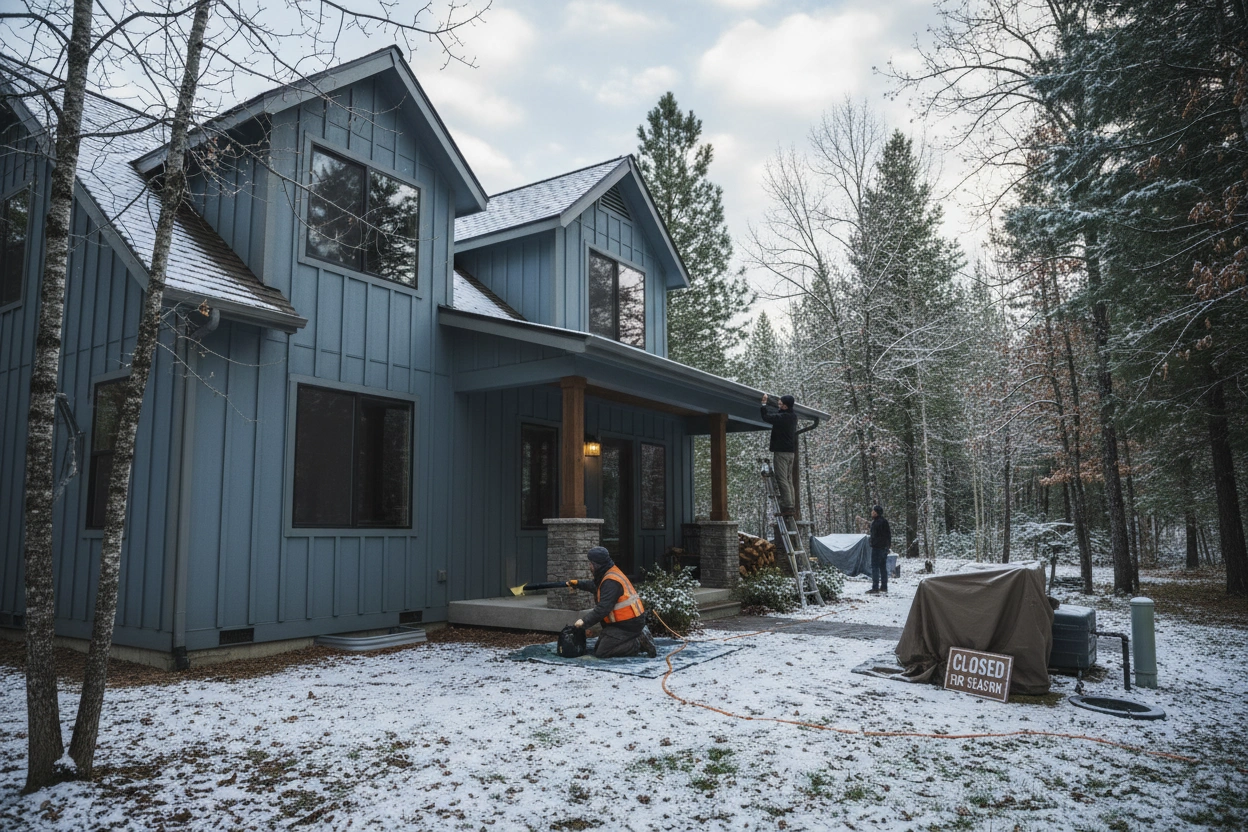
When occupancy drops in November, your Bend rental becomes vulnerable to problems that go unnoticed until they're expensive. Sharp temperature swings stress heating systems, freeze exposed pipes, and push debris into gutters. You need to inspect roofing, insulation, and interior conditions before winter takes hold. Proactive checks protect your investment, satisfy habitability obligations, and prevent emergency repairs during the off-season. The sections ahead break down exactly where to focus your attention.
Key Takeaways
- November inspections in Bend's high desert climate are critical, as sharp temperature drops can turn minor issues into costly repairs during low occupancy.
- Clear gutters, inspect shingles, and confirm proper grading to prevent water damage before winter snowfall arrives.
- Schedule furnace inspections and check pipe insulation to prevent heating failures and frozen pipes in vacant units.
- Use smart thermostats and leak sensors to remotely monitor vacant properties, receiving alerts before small issues escalate.
- Walk through each unit with a move-in checklist, testing detectors, appliances, and fixtures before new tenants arrive.
Why Bend Rentals Need Extra Attention in November
Bend's high desert climate makes November a critical month for rental properties. Temperatures drop sharply, snowfall increases, and freeze-thaw cycles put real stress on roofing, plumbing, and exterior surfaces. If you're not proactive, minor issues escalate into costly repairs fast.
November also marks the start of lower occupancy periods for many Bend rentals. Fewer eyes on the property means problems go unnoticed longer. That's a risk you can't afford heading into winter.
Prioritizing winter readiness now protects your investment and supports tenant safety throughout the colder months. A structured November inspection helps you identify vulnerabilities before they become emergencies, keeping your property functional, your tenants protected, and your repair costs manageable when harsh weather arrives. Heavy snowfall can lead to ice dams and roof leaks that compound quickly when properties aren't regularly monitored.
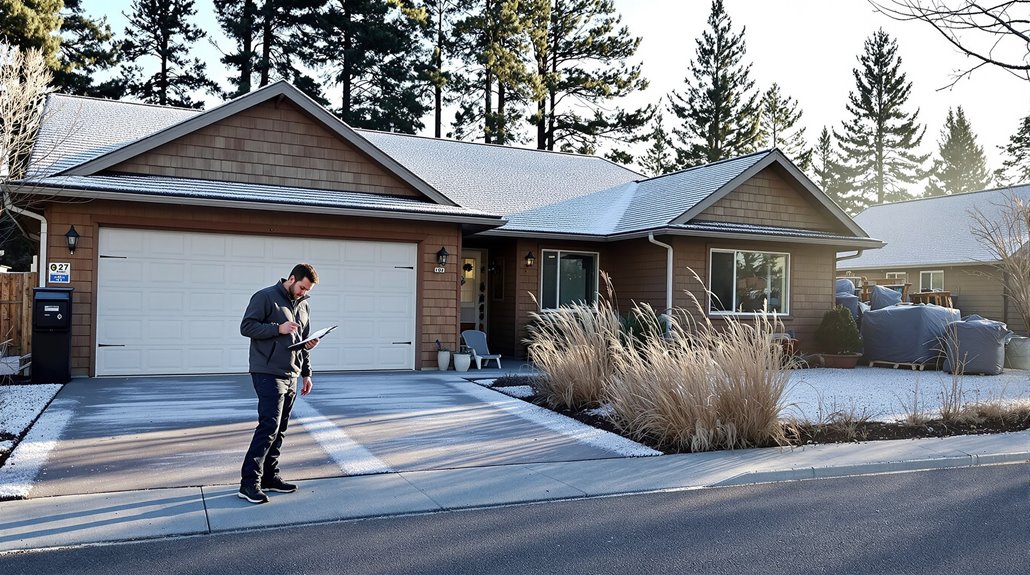
Gutters, Roofing, and Drainage to Inspect Before the Cold Hits
Starting with the roof and drainage system gives you the most return on your November inspection time. Clear gutters of pine needles, debris, and compacted buildup before freezing temperatures lock everything in place. Clogged gutters force water against your fascia, foundation, and siding—damage that compounds quietly through winter.
Gutter maintenance should include checking that all hangers are secure and downspouts are directing water well away from the foundation. Bent or sagging sections need immediate correction. Installing gutter guards reduces debris accumulation and can lower how often cleaning is needed between seasonal inspections.
On the roof, look for lifted shingles, compromised flashing around vents and chimneys, and any soft spots that signal moisture intrusion. Address drainage solutions around the property perimeter as well—confirm grading moves water away from the structure rather than pooling against it.
Heating Systems, Pipe Protection, and Insulation in Bend's Winter Climate
Because Bend sits at elevation and faces genuinely cold winters, heating systems and pipe protection aren't optional concerns—they're your first line of defense against costly mid-season failures. Schedule a furnace inspection before occupancy drops—dirty filters, failing igniters, and worn heat exchangers compromise heating efficiency and leave vacant units vulnerable to freeze damage.
Check your thermostat settings and confirm they're programmed to maintain a minimum temperature, even when the unit sits empty. Inspect pipe insulation in crawl spaces, garages, and exterior walls where exposure is highest. Uninsulated or under-insulated pipes in Bend's sub-freezing temperatures burst fast and expensively. Seal any gaps where cold air contacts plumbing runs, and confirm that heat tape is functioning on especially vulnerable sections before temperatures drop consistently below freezing. Remote diagnostic tools and smart home systems can help property managers monitor temperature conditions in vacant units, providing alerts before a heating failure escalates into freeze damage.
What to Check Inside a Bend Rental Before New Tenants Move In
Once the mechanical systems are squared away, shift your attention to the interior condition of the unit itself. Walk every room with a move-in checklist and document what you find. Check walls, ceilings, and floors for damage, staining, or wear that exceeds normal use. Test every light switch, outlet, and fixture. Confirm that appliances function properly and that cabinet hardware, doors, and locks operate without issue.
Tenant expectations in Bend's rental market are straightforward—they want a clean, functional, problem-free unit. Repaint scuffed walls, deep clean all surfaces, and replace worn caulking in bathrooms and the kitchen. Address anything that would reasonably prompt a maintenance request within the first week of occupancy. A thorough interior review before move-in prevents disputes and protects your property's condition long-term. During this walkthrough, also test smoke and carbon monoxide detectors to confirm they are functioning correctly before new tenants arrive.
Repairs That Are Cheaper to Schedule Before Winter Arrives
Scheduling repairs before winter hits Bend saves you money—contractors are more available, materials cost less, and you're not paying emergency rates when something fails mid-January. Start with your roof and gutters, your HVAC system, and any drafts you've noticed around windows, doors, or exterior penetrations. Catching these three areas in the off-season keeps your repair costs predictable and your tenants comfortable when temperatures drop. Downspouts should direct water at least 3–6 feet from the foundation to prevent backup under shingles and costly water intrusion once winter precipitation begins.
Roof and Gutter Prep
Three components of your roof system—shingles, flashing, and gutters—account for most of the water damage claims landlords face each winter, and all three are considerably cheaper to address before cold weather sets in. Schedule a professional roof inspection and complete gutter maintenance before November to stay ahead of Bend's freeze-thaw cycles.
Prioritize these four tasks:
- Inspect shingles for cracks, curling, or missing sections that let water penetrate the decking.
- Check flashing around chimneys, vents, and skylights where separation causes concentrated leaks.
- Clear gutters and downspouts of debris to prevent ice dams and pooling.
- Confirm downspout drainage directs water at least three feet away from the foundation.
Addressing these now costs a fraction of mid-winter emergency repairs. In particularly cold climates, seamless gutters made from aluminum or galvanized steel are worth considering, as their custom-fitted design minimizes the seams where ice tends to accumulate and cause damage.
HVAC Servicing Timing
Your roof and gutters protect the structure from outside water; your HVAC system protects the people inside from the cold—and it carries its own set of costs when you let servicing slide until winter demand peaks. Technicians charge more and schedule slower once November hits and calls spike across Bend.
Use low-occupancy periods to run HVAC maintenance schedules ahead of peak demand. Book your inspection in October, confirm refrigerant levels, clean coils, and test ignition on forced-air systems. Set filter replacement reminders on a 60 to 90-day cycle depending on system load and dust exposure.
Catching a failing component before a tenant calls at midnight saves you the emergency rate, the callback, and the complaint. Keep in mind that clogged or dirty filters restrict airflow and force the system to work harder, directly increasing utility costs for occupied units heading into winter. Schedule early—it's straightforward preventative math.
Sealing Drafts Early
Most of the heat loss in a rental property comes from gaps you can fix with caulk, weatherstripping, and foam—materials that cost under $50 and an hour of labor. Addressing drafty windows and worn door seals before November keeps heating costs manageable and prevents tenant complaints mid-season.
Prioritize these four areas before winter arrives:
- Window frames – Recaulk exterior edges where the frame meets siding
- Door seals – Replace compressed weatherstripping on entry and garage doors
- Attic hatches – Add foam tape around the perimeter to stop cold air infiltration
- Electrical outlets – Install foam gaskets behind exterior-wall outlet covers
Scheduling this now costs far less than emergency heating repairs in January. As part of your landlord maintenance obligations, documenting these seasonal repairs also supports your rental agreement and protects you if disputes arise over habitability conditions later in the season.
How to Keep Your Bend Rental Maintained Without Doing It Yourself
If you own a rental in Bend but don't live nearby, staying on top of seasonal maintenance without doing it yourself comes down to who you have in your corner. Assigning a dedicated property specialist gives your tenants a reliable point of contact while keeping repairs, inspections, and preventative work moving without requiring your direct involvement. With the right support structure in place, you can oversee your property remotely and still maintain the standard your investment demands.
Delegate to Property Specialists
Delegating property upkeep to a dedicated specialist is one of the most effective ways to keep your Bend rental maintained without managing it yourself. Property specialist benefits extend beyond repairs—they streamline tenant communication strategies, coordinate vendors, and keep your property winter-ready when occupancy drops.
A dedicated specialist handles:
- Seasonal inspections – Identifying heating, insulation, and weatherproofing issues before they escalate
- Tenant communication – Serving as the direct point of contact for maintenance requests and concerns
- Vendor coordination – Scheduling and overseeing qualified local contractors
- Preventative upkeep – Tracking recurring maintenance needs to avoid costly surprises
You stay informed without staying involved. RentalRiff assigns each property a specialist who knows your Bend rental and keeps it performing through every off-season month.
Streamline Remote Property Oversight
Remote oversight works best when you have reliable systems that remove you from the daily loop without removing you from the decision-making process. Digital tools like smart thermostats, leak sensors, and remote monitoring platforms let you track your Bend property's condition in real time without being on-site. You'll receive alerts before minor issues escalate into costly repairs.
Pair that technology with a dedicated property specialist, and you've built a two-layer system that handles both detection and response. Your specialist handles inspections, coordinates vendors, and keeps you informed—so your involvement stays at the decision-making level rather than the operational one. That structure keeps your property protected through Bend's slower off-season months while freeing you to focus on ownership rather than management.
Frequently Asked Questions
Does Rentalriff Handle November Inspections for Short-Term Bend Rentals Too?
Yes, RentalRiff handles Bend rental inspections for short-term properties. Your dedicated specialist conducts November property maintenance checks, ensuring your rental stays in top condition during the off-season when occupancy drops and issues can go unnoticed.
How Much Notice Do Tenants Need Before a Maintenance Visit?
You'll typically need to provide 24–48 hours' notice for tenant notification before a maintenance scheduling visit. Your dedicated RentalRiff property specialist coordinates this process, ensuring tenants receive proper advance communication while keeping repairs on track efficiently.
Can Rentalriff Coordinate With My Existing Bend Property Insurance Provider?
Yes, RentalRiff can support insurance integration with your existing Bend provider. Your dedicated property specialist actively coordinates documentation, maintenance records, and coverage options to guarantee your property stays protected and your insurer stays informed.
What Happens if Emergency Repairs Are Needed During the Off-Season?
Your dedicated property specialist activates an emergency response immediately, coordinating vetted contractors to address urgent issues fast. You'll receive updates throughout the repair timeline, ensuring your Bend property stays protected even during low-occupancy months.
Does Rentalriff Offer Bundled Pricing for Multiple Bend Rental Properties?
RentalRiff offers bundled services for multiple Bend rental properties. You'll want to contact them directly to explore pricing options tailored to your portfolio size and specific property needs.
Conclusion
November is your best opportunity to get ahead of Bend's harsh winter before it costs you. You've got the time, the access, and the visibility — use them. Schedule your inspections now, knock out deferred repairs, and lock down every vulnerability before temperatures drop and occupancy picks back up. The landlords who stay ahead of maintenance cycles don't just avoid emergencies — they protect their margins, retain better tenants, and keep their properties performing year after year.