

When something breaks in your rental, tenants don't just want it fixed — they want to feel heard. Slow maintenance response triggers negative reviews more than rent increases or lease disputes because silence signals neglect. Tenants move through frustration fast, from feeling ignored to feeling disrespected, and dissatisfied renters are far more likely to go public than satisfied ones. Understanding what drives that frustration is the first step to stopping it.
Key Takeaways
- Slow maintenance response makes tenants feel ignored and disrespected, triggering frustration that escalates into public complaints and negative reviews.
- Dissatisfied tenants are more likely to leave reviews than satisfied ones, amplifying the damage of delayed repairs online.
- Silence during repairs signals neglect; tenants expect acknowledgment, clear timelines, and regular updates throughout the process.
- One negative review can significantly reduce prospective tenant inquiries, creating a damaging cycle of complaints and lost leads.
- Emergency repairs unresolved within 24 hours and routine repairs exceeding seven days are the most common frustration triggers.
Why Maintenance Response Time Drives Negative Reviews
When a tenant submits a maintenance request, the clock starts immediately—and how quickly you respond shapes everything that follows. Research consistently shows that slow response times are the leading trigger for negative rental reviews—outranking rent increases, noise complaints, and lease disputes.
Tenants don't expect instant fixes. They expect acknowledgment, communication, and a clear timeline. When you fail to meet those tenant expectations, frustration compounds fast. A minor leak ignored for a week doesn't just damage drywall—it damages trust.
How you handle maintenance priorities directly signals to tenants whether you value them or just their rent. Delayed responses create a perception of neglect, and that perception turns into public reviews.
Understanding this connection is the first step toward protecting your property's reputation. Additionally, faster response times can help prevent escalated issues and costly repairs, reinforcing tenant satisfaction.
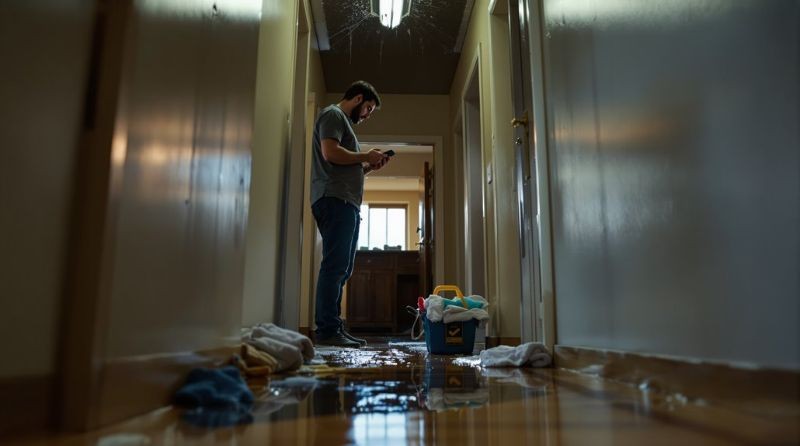
What Tenants Actually Expect When Something Breaks
When a tenant reports a broken appliance or a leak, they're not just waiting—they're measuring you.
Research consistently shows that tenants expect urgent issues like no heat or water to be addressed within 24 hours, while non-emergency repairs should be resolved within 3 to 7 days.
Just as critical as the timeline itself is how you communicate during the repair process, since tenants who receive regular updates report higher satisfaction even when fixes take longer than expected. Additionally, implementing regular inspections can help identify issues before they escalate, further enhancing tenant satisfaction.
Timelines Tenants Expect
How quickly you respond to a maintenance request shapes everything that follows.
Tenant expectations around repair urgency are more specific than most landlords realize. Research consistently shows tenants expect emergency repairs—loss of heat, water, or security—resolved within 24 hours.
Urgent but non-critical issues, like a broken appliance or plumbing leak, should be addressed within 48 to 72 hours. Routine repairs typically earn you up to seven days before frustration sets in.
Miss these windows and you're not just dealing with a delayed repair—you're triggering a negative review.
Tenants don't separate the maintenance issue from how you handled it. Slow response signals neglect, and neglect drives tenants to Google, Yelp, and Apartments.com to tell others exactly what they experienced.
Communication During Repairs
Meeting a repair deadline is only half the equation. Tenants also expect repair transparency throughout the entire process. Research consistently shows that tenants who receive no updates during a repair feel more dissatisfied than those who receive timely communication—even when the repair takes longer than expected.
When something breaks, you need to acknowledge the request immediately, confirm the scheduled timeframe, and provide status updates if delays occur. These three touchpoints directly build tenant trust and reduce the likelihood of a negative review.
Silence is what damages relationships. A tenant who knows a part is backordered and understands the revised timeline will tolerate the wait. A tenant left guessing will head straight to Google.
How Slow Repairs Snowball Into Public Complaints
Slow repairs don't stay private for long. When you delay a repair, tenant frustration builds in stages. First, tenants feel ignored. Then they feel disrespected. By the time you respond, the emotional damage is already done—and it's heading online.
Research shows that dissatisfied customers are far more likely to leave a review than satisfied ones. Repair delays accelerate that process. A tenant who waits two weeks for a fix doesn't just leave—they document the experience publicly. One negative review influences prospective tenants before they ever contact you.
The pattern is predictable: unresolved issue → repeated follow-ups → silence → public complaint. You don't get a warning before it goes live.
That's why response time isn't a courtesy—it's a reputation management strategy.
The Real Cost of a Bad Review for Rental Owners
Once that negative review goes live, the damage compounds fast. Studies show that 84% of people trust online reviews as much as personal recommendations, and a single one-star drop in rating can reduce rental inquiries by up to 10%.
You're not just losing one prospective tenant—you're losing a steady pipeline.
Poor review management also drives up vacancy rates. The longer a unit sits empty, the more you absorb in lost rent, turnover costs, and marketing expenses.
Meanwhile, weak tenant retention forces you into a cycle of constant re-leasing, which typically costs landlords one to two months of rent per turnover.
The financial hit from one bad review isn't abstract—it's measurable, recurring, and avoidable with the right maintenance systems in place. Empathetic service is crucial in addressing tenant concerns promptly to prevent these negative outcomes.
What a Fast Maintenance Response Actually Looks Like
A fast maintenance response isn't just about acting quickly—it's about setting a measurable standard that tenants can count on.
You need to acknowledge requests within hours, not days, and follow through with scheduled repairs and clear timelines.
Every step of the process should include direct communication with your tenant so they're never left wondering what's happening or when to expect a resolution. This includes using a maintenance tracking system to provide updates and manage expectations effectively.
Speed Defines the Standard
When tenants submit a maintenance request, the clock starts immediately—and how fast you respond shapes everything that follows. Research consistently shows that response expectations are simple: tenants want acknowledgment within hours, not days.
A strong response framework looks like this:
- Acknowledgment: Confirm receipt within 2–4 hours
- Assessment: Diagnose the issue within 24 hours
- Resolution: Complete non-emergency repairs within 48–72 hours
- Follow-up: Confirm tenant satisfaction after completion
Each step builds trust. Missing any one of them creates friction that often ends up in a public review.
Tenants don't just remember how the repair went—they remember how long they waited. Speed signals that you take their comfort seriously, and that signal directly determines whether your tenant satisfaction scores rise or fall.
Clear Communication Throughout
Speed gets you in the door, but communication keeps you there. Tenant expectations don't stop at a fast response—they extend through every stage of the repair process. When you leave tenants guessing, frustration builds even if the work gets done correctly.
Effective communication strategies follow a clear sequence: acknowledge the request immediately, provide a realistic timeline, confirm when a technician is scheduled, and follow up once the work is complete. Each touchpoint removes uncertainty and signals that you're in control.
Research consistently shows that tenants rate their experience higher when they're kept informed, even during delays. Silence is what damages trust. You don't need to have every answer immediately—you just need to keep the tenant in the loop at every step.
How a Dedicated Property Specialist Keeps Tenants Happy
One of the clearest drivers of tenant satisfaction is knowing exactly who to call when something goes wrong. A dedicated property specialist eliminates confusion and builds trust through consistent, accountable communication.
Here's what that structure delivers for property upkeep and tenant retention:
- Single point of contact so tenants never chase down answers
- Faster response times because one specialist owns every issue
- Consistent follow-through that prevents maintenance from falling through the cracks
- Proactive updates that keep tenants informed without them asking
- Documented history of repairs that supports smarter long-term upkeep decisions
Implementing a dedicated specialist also enhances the implied warranty of habitability, ensuring essential services are prioritized.
When tenants know who's handling their concerns, frustration drops and trust builds. That directly reduces negative reviews and strengthens your property's reputation over time.
Frequently Asked Questions
Can Slow Maintenance Response Affect My Ability to Raise Rent?
Yes, slow maintenance response directly impacts your rent pricing power. When you lose tenant retention through poor service, negative reviews follow, weakening your property's reputation and making it harder to justify higher rents.
Are Landlords Legally Required to Respond to Maintenance Requests Within a Set Timeframe?
Yes, you're legally obligated to respond to maintenance requests within state-mandated timeframes. Most states enforce tenant rights requiring 24–72 hours for emergencies. Ignoring these legal obligations can expose you to rent withholding, fines, or lawsuits.
Does Maintenance Response Time Affect Tenant Lease Renewal Decisions?
Yes, it directly impacts renewals. When you meet tenants' maintenance expectations quickly, you boost tenant satisfaction and retention. Studies show slow responses push tenants to leave, so you're fundamentally deciding renewals through your response habits.
How Do Negative Reviews Impact a Property's Long-Term Occupancy Rates?
Negative reviews directly slash your long-term occupancy rates. They damage tenant satisfaction before prospects even tour your unit. Review credibility carries serious weight—potential renters trust peer feedback, making vacancies longer and your rental income less predictable.
What Types of Maintenance Issues Most Commonly Lead to Tenant Complaints?
You'll find that plumbing problems, electrical failures, HVAC issues, pest infestations, appliance breakdowns, and safety violations consistently drive the most tenant complaints—each one directly threatening comfort, safety, and your property's reputation when you don't respond quickly.
Conclusion
Your maintenance response time directly controls your review score. Tenants don't leave negative reviews because of broken things — they leave them because you didn't act. Every delayed repair is a ticking clock, and once a tenant posts publicly, you can't undo the damage. You can fix this by building a faster, more reliable response system or partnering with a dedicated property specialist who keeps your tenants informed, satisfied, and far less likely to complain online.