

Landlords are often faced with the dual challenge of ensuring that properties are well-maintained while also managing tenant expectations and satisfaction. A well-structured maintenance system can minimize these challenges and help landlords focus on what matters most: providing quality living spaces for tenants.
This article explores effective strategies to build a robust maintenance system that minimizes landlord responsibilities while ensuring tenant satisfaction. By adopting a proactive approach, independent landlords can effectively manage their properties, reduce emergency repairs, and maintain high levels of tenant satisfaction.
The Importance of Proactive Maintenance Planning
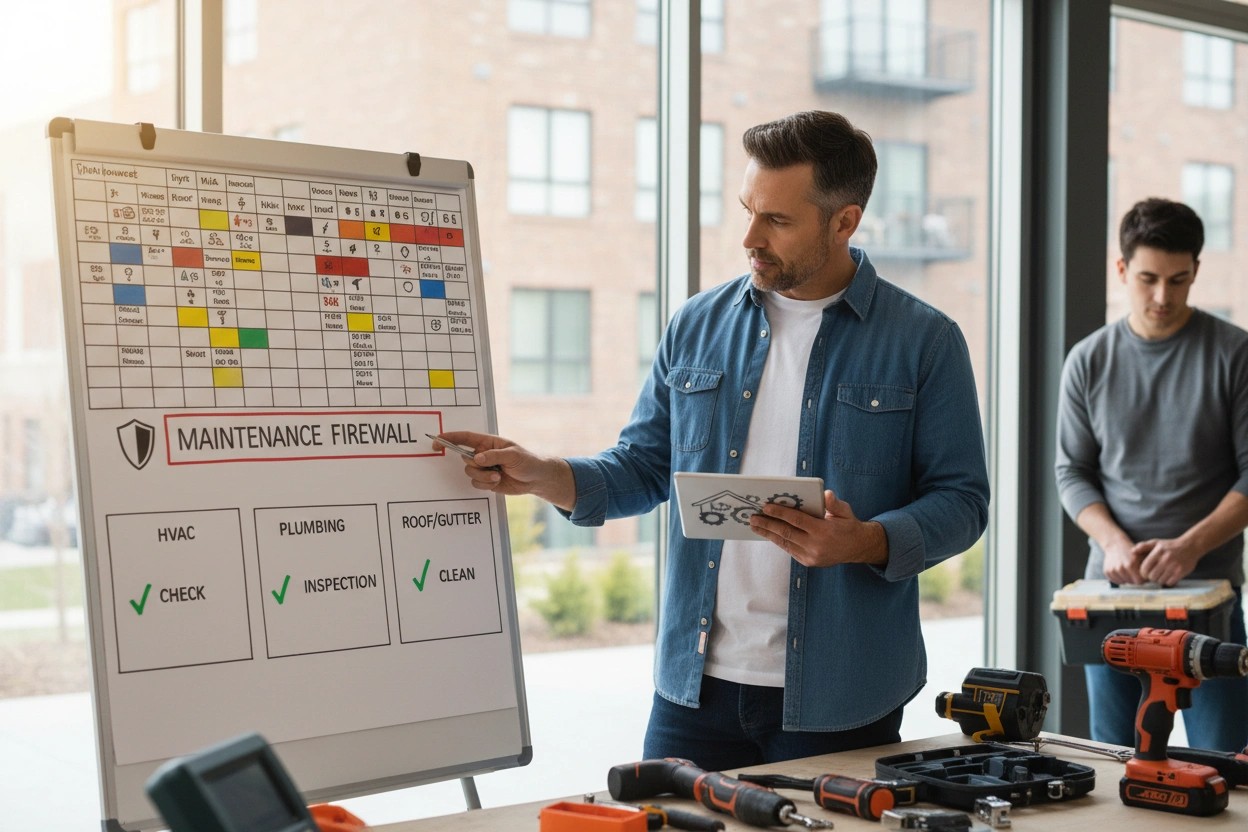
Proactive maintenance reduces emergency repairs and can save landlords significant time and money. By identifying potential issues before they escalate, landlords can avoid the hassle and expense of emergency repairs, which often arise from neglecting routine upkeep. Preventative maintenance plans allow landlords to schedule regular inspections and repairs, ensuring that properties remain in optimal condition.
A well-structured maintenance plan not only addresses immediate concerns but also enhances the overall value of the property. Properties that are consistently well-maintained tend to attract higher-quality tenants and can command better rental rates. Landlords who prioritize proactive maintenance planning find that they not only save money in the long run but also create a more positive living environment for their tenants.
Key Elements of Preventative Maintenance Plans
- Regular inspections: Schedule routine checks for plumbing, electrical systems, and HVAC units to catch issues early.
- Seasonal maintenance: Implement tasks that are specific to the season, such as gutter cleaning in the fall and HVAC servicing in the spring.
- Budgeting for repairs: Set aside funds specifically for maintenance to ensure that financial resources are available when needed.
Essential Strategies for Effective Property Management
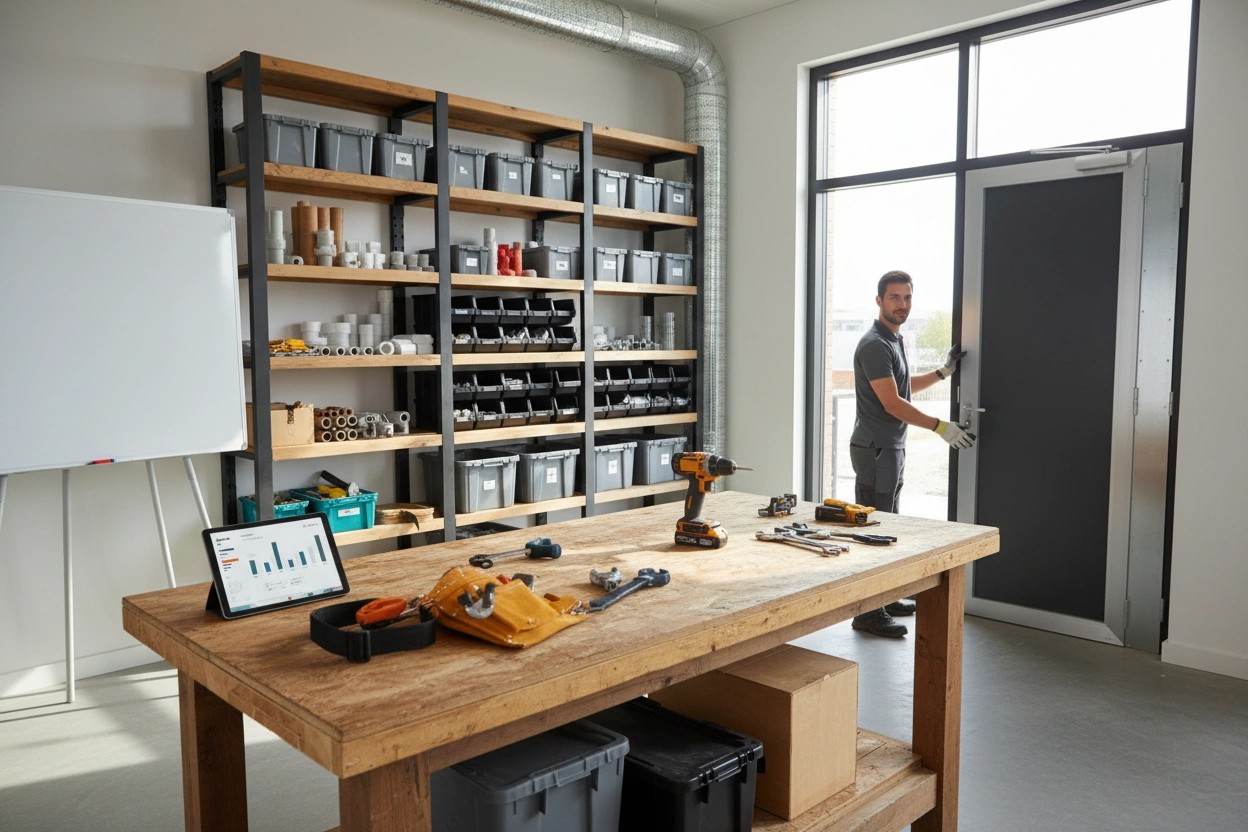
Implementing a maintenance tracking tool is a fundamental strategy in effective property management. Such tools help landlords monitor maintenance requests, track the status of repairs, and maintain records of work completed. By using property management software, landlords can streamline their operations and ensure that no request goes unnoticed.
Streamlining tenant communication for maintenance requests is equally important. Establishing a clear process for tenants to report issues fosters transparency and ensures that maintenance problems are addressed promptly. This not only improves tenant satisfaction but also builds trust between landlords and tenants, leading to longer lease agreements and lower turnover rates.
Tools and Techniques for Property Management Strategies
- Use software solutions: Platforms like property management software can help track maintenance requests and schedules.
- Set clear expectations: Provide tenants with guidelines on how to report issues and what to expect in terms of response time.
- Maintain a responsive approach: Quickly address tenant requests to demonstrate commitment to property upkeep.
Streamlining Communication With Tenants
Establishing clear lines of communication is essential for effective property management. Tenants should know whom to contact for maintenance issues and how to reach them. This transparency helps to alleviate concerns and fosters a positive relationship between landlords and tenants.
Educating tenants on reporting maintenance issues is also vital. Providing tenants with information on how to report problems, including what details to include, can significantly speed up the maintenance process. By encouraging tenants to be proactive in reporting issues, landlords can ensure that small problems do not escalate into major repairs.
Best Practices for Tenant Communication
- Create a maintenance request form: A standardized form can help tenants provide all necessary information at once.
- Offer multiple communication channels: Allow tenants to report issues via phone, email, or a dedicated app.
- Regular updates: Keep tenants informed about the status of their requests to maintain transparency.
Creating a Property Upkeep Checklist
A property upkeep checklist is an invaluable tool for landlords aiming to ensure regular maintenance. This checklist should include all necessary tasks that need to be completed on a routine basis, covering everything from landscaping to appliance servicing. By having a clear list of tasks, landlords can easily manage their maintenance schedules and ensure that no important upkeep is overlooked.
Seasonal maintenance tasks should also be prioritized on this checklist. For example, winterizing properties before cold weather hits can prevent costly damage, while spring cleaning can help prepare properties for new tenants. By focusing on seasonal tasks, landlords can protect their investments and provide a comfortable living environment for tenants.
Key Items for a Property Upkeep Checklist
- Monthly tasks: Check smoke detectors, replace air filters, and inspect common areas.
- Seasonal tasks: Clean gutters in the fall, service heating systems before winter, and check for pest infestations in the spring.
- Annual inspections: Schedule comprehensive inspections of roofs, plumbing, and electrical systems.
Emergency Repairs: Being Prepared
Understanding landlord responsibilities in emergencies is crucial for effective property management. Landlords are typically required to address urgent repair issues promptly, such as plumbing leaks or heating failures during winter months. Being prepared for these situations not only ensures compliance with legal obligations but also reinforces tenant trust.
Setting up an emergency repair protocol can help landlords respond effectively when issues arise. This protocol should outline the steps to be taken during an emergency, including how to contact repair professionals and what information to communicate to tenants. A clear protocol can minimize confusion and ensure that repairs are made quickly and efficiently.
Components of an Emergency Repair Protocol
- 24/7 contact information: Provide tenants with a reliable way to reach the landlord or a property manager in case of emergencies.
- Pre-approved vendors: Establish relationships with reliable contractors who can respond quickly to emergency repairs.
- Documentation: Maintain records of all emergency repairs to track recurring issues and inform future preventative maintenance plans.
The Intersection of Maintenance and Tenant Satisfaction
The strategies outlined in this article highlight the importance of proactive maintenance planning and effective communication in property management. Building a maintenance firewall allows landlords to manage their responsibilities efficiently while ensuring tenant satisfaction. By implementing these practices, independent landlords can streamline their operations and create a more positive living environment for their tenants.
RentalRiff can assist landlords in applying these strategies effectively. With tools and resources designed specifically for independent landlords, we help you manage maintenance tasks, streamline tenant communication, and ensure that your properties remain in top condition.