
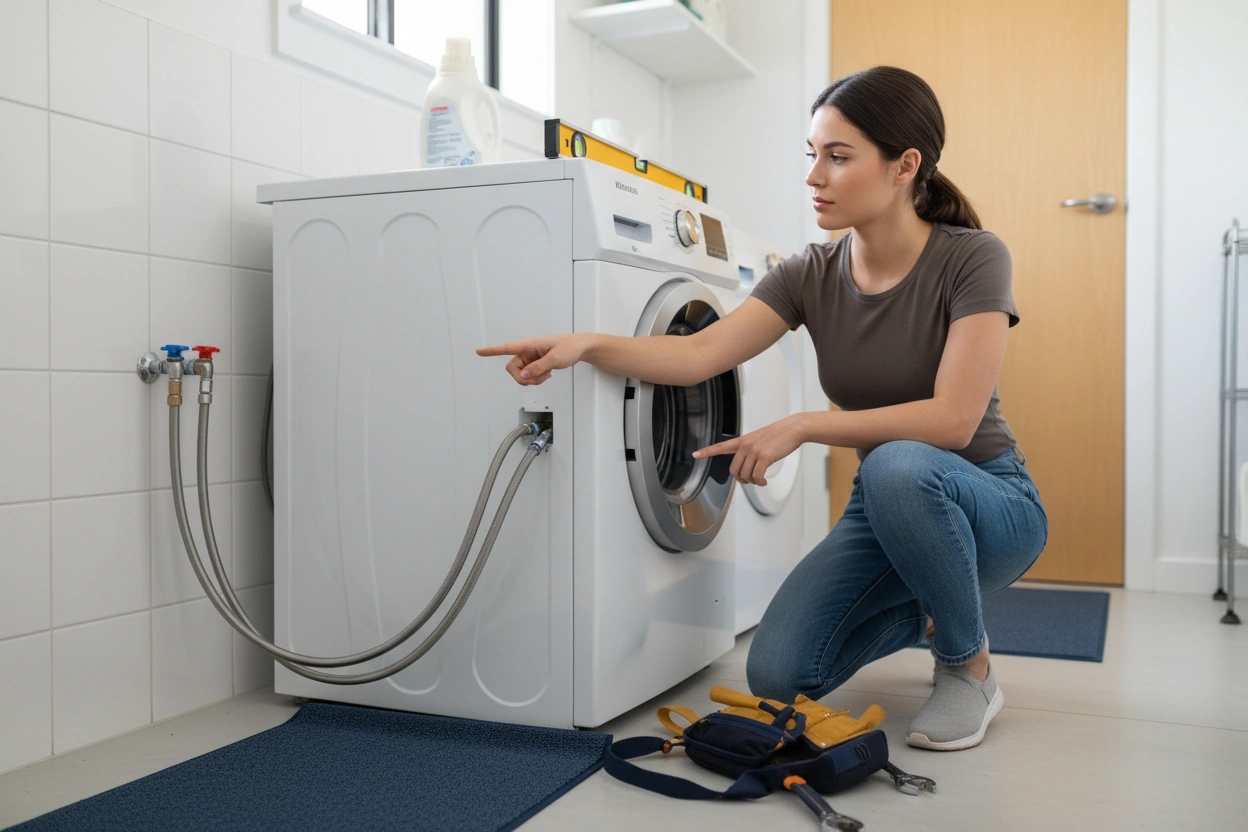
Preventing washer and dryer hookup problems in your rental starts with inspecting supply hoses, drain connections, electrical outlets, and dryer venting before every tenancy. Replace rubber hoses with braided stainless steel, use rigid metal ducting, and confirm your standpipe height meets code. Install leak detectors and schedule annual vent cleanings to stay ahead of failures. Each hookup component carries its own risk profile, and knowing what to look for makes all the difference.
Key Takeaways
- Replace rubber supply hoses with braided stainless steel hoses and hand-tighten connections to prevent leaks and bursts.
- Use rigid metal ducting for dryer venting and schedule annual cleanings to prevent lint buildup and fire hazards.
- Inspect drain standpipes for correct height and secure placement to avoid wastewater backup and spills.
- Install leak detection devices and drain pans beneath washers for early alerts and damage containment.
- Verify electrical outlet voltage, grounding, and gas shutoff valves before move-in to eliminate safety hazards.
The Most Common Washer and Dryer Hookup Problems in Rentals
Washer and dryer hookup problems in rentals tend to fall into a few recurring categories: improper venting, worn water supply hoses, faulty drain connections, and mismatched electrical or gas configurations.
Each issue carries distinct risks. Poor venting traps moisture and creates fire hazards. Fluctuating water pressure accelerates hose damage, increasing the likelihood of leaks or bursts behind the machine.
Drain connections that aren't properly secured allow wastewater to back up or spill onto flooring. Electrical mismatches—such as a 110V outlet where a 240V connection is required—render the dryer inoperable or create safety hazards.
Identifying which category your problem falls into is the first step toward an effective, lasting fix. Additionally, working with a reliable property specialist can ensure that these issues are addressed promptly and effectively.
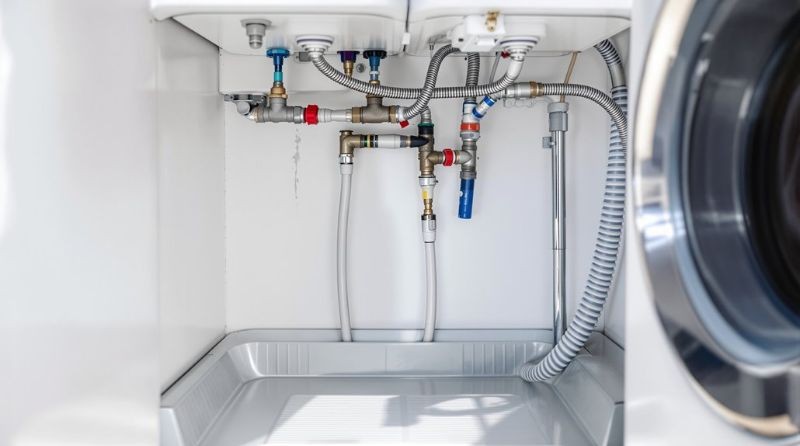
What Every Landlord Should Inspect Before a Tenant Moves In
Before a tenant moves in, inspecting the washer and dryer hookups thoroughly can prevent costly repairs and liability down the line.
Use a structured inspection checklist to evaluate every component systematically. Check hot and cold water supply valves for leaks, corrosion, and proper shutoff function.
Inspect the drain standpipe for correct height, secure placement, and drainage flow. Examine the electrical outlet for correct voltage—120V for standard dryers, 240V for electric units—and verify grounding.
For gas hookups, test the shutoff valve and check for leaks using a gas detector. Confirm the dryer vent clears lint without obstruction and terminates outside.
Setting clear tenant expectations around proper hookup use during move-in reduces misuse and long-term damage to your property. Additionally, understanding normal wear and tear helps tenants maintain their laundry connections effectively.
How to Prevent Washer Hookup Leaks Before They Happen
Most washer hookup leaks trace back to a handful of preventable causes: degraded supply hoses, loose fittings, and unprotected flooring beneath the unit. Addressing these before a tenant moves in eliminates the most common sources of water damage.
- Replace rubber supply hoses with braided stainless steel hoses rated for high pressure.
- Hand-tighten hose connections, then use pliers to secure an additional quarter-turn—never overtighten.
- Install a leak detection device beneath the washer to alert tenants at the first sign of moisture.
- Place a washing machine drain pan under the unit to contain any discharge before it reaches subfloor materials.
Completing these steps at every turnover keeps minor issues from becoming expensive structural repairs. Additionally, implementing preventative maintenance strategies can significantly reduce the likelihood of future plumbing issues.
Dryer Venting Mistakes That Cause Fires and Costly Repairs
Sealing up the washer side of your laundry hookups is only half the job—the dryer vent system carries its own set of risks that go beyond water damage.
Improper venting is one of the leading causes of residential fires, making ventilation importance and fire safety non-negotiable priorities in any rental unit.
Avoid these common mistakes:
- Using plastic or foil accordion duct — it compresses easily, traps lint, and ignites readily. Use rigid or semi-rigid metal ducting instead.
- Exceeding duct run length — longer runs reduce airflow and accelerate lint buildup.
- Venting into a wall cavity or attic — exhaust must terminate outside the structure.
- Skipping annual cleanings — lint accumulation is cumulative and invisible until it's a problem. Additionally, mold thrives in damp environments, which can further complicate safety and health issues in your rental unit.
When a Tenant Reports a Laundry Issue: What to Do First
When a tenant reports a laundry issue, your first 3 steps determine whether you're dealing with a minor fix or a developing safety hazard.
Start with structured tenant communication to gather accurate details before dispatching anyone.
Run through this diagnostic checklist immediately:
- Identify the symptom — no power, no water, no drain, or excessive heat
- Ask when it started — sudden failure vs. gradual decline signals different causes
- Confirm what's connected — gas or electric dryer, dedicated circuits, shutoff valve positions
- Check for smell or visible damage — burning odors or moisture warrant urgent response
Your response speed and initial questions directly shape repair costs, tenant satisfaction, and whether a small problem escalates into a hazardous one. Additionally, addressing urgent repairs promptly aligns with local repair timelines, ensuring tenant safety and satisfaction.
Maintenance Habits That Keep Rental Laundry Hookups Working Longer
Reactive repairs cost more than the five-minute checks that prevent them. Schedule routine inspections annually at minimum—check supply hoses for bulging, cracking, or corrosion at the fittings, verify the dryer exhaust duct stays clear of lint buildup, and confirm the standpipe height still meets manufacturer specs for your tenants' machines.
Replace rubber supply hoses every three to five years regardless of visible condition; braided stainless steel hoses last longer and handle pressure spikes better.
Tenant education reduces the calls you'll receive. Provide written instructions at move-in covering load sizes, lint trap cleaning frequency, and how to shut off the water supply valves in an emergency.
Tenants who understand the equipment treat it better and catch early warning signs before minor issues become expensive ones. Moreover, incorporating smart home systems can enhance monitoring and maintenance efficiency, ensuring laundry setups remain in optimal condition.
Frequently Asked Questions
Are Landlords Required to Provide Washer and Dryer Hookups?
No, you're not required to provide washer hookups under most state laws. However, tenant rights vary by jurisdiction, so you'll want to verify local washer hookup regulations to guarantee you're meeting any area-specific requirements.
Can Tenants Install Their Own Washer and Dryer Without Permission?
Generally, tenants can't install a washer and dryer without your written permission. Tenant rights and appliance regulations vary by lease terms and local laws, so you should always require prior written approval to protect your property.
Who Pays for Washer and Dryer Hookup Installation in a Rental?
You're typically responsible for washer hookup costs if you request the installation, while landlords cover it when providing the amenity upfront. Review your lease carefully, as tenant responsibilities vary based on your rental agreement's specific terms.
Does Renters Insurance Cover Damage Caused by Washing Machine Leaks?
Your renters insurance typically covers water damage from sudden washing machine leaks, but you'll need to document everything carefully when filing insurance claims. Installing leak detection devices can also strengthen your case and help prevent costly damage altogether.
Can a Landlord Charge Tenants for Laundry Hookup Damage They Caused?
Yes, you can charge tenants for laundry hookup damage they've caused. Review your lease agreements to confirm tenant responsibilities, document the damage thoroughly, and deduct repair costs from their security deposit per local regulations.
Conclusion
Staying ahead of washer and dryer hookup problems doesn't require guesswork — it requires a system. Inspect hoses, venting, and electrical connections before every tenancy. Document what you find, fix what's worn, and schedule follow-up checks annually. You'll catch small failures before they escalate into water damage, fire hazards, or emergency calls. Apply these steps consistently across every unit, and you'll spend far less time reacting and far more time running a stable, profitable rental.