

Navigating the complexities of rental agreements can be challenging, especially when it comes to understanding what constitutes normal wear and tear. This distinction is particularly important in rural rental properties, where unique environmental factors and tenant lifestyles can influence property conditions. Misunderstandings surrounding normal wear and tear can lead to disputes between landlords and tenants, often straining relationships and complicating property management.
Defining Normal Wear and Tear in Rental Properties

Normal wear and tear refers to the expected deterioration that occurs in a property over time due to regular use. This can include minor scuffs on walls, wear on carpets, and fading paint. Understanding what counts as normal wear and tear in rural rentals is essential for both landlords and tenants, as it establishes a baseline for property maintenance and repairs.
In legal terms, normal wear and tear is often distinguished from damage, which refers to neglect or misuse. For example, a carpet that has become frayed from regular foot traffic may fall under normal wear and tear, whereas a carpet stained with pet urine would be considered damage. Rural housing standards often reflect these distinctions, emphasizing the importance of clearly defined rental agreements that outline expectations for maintenance and repairs.
Tenant Responsibilities in Rural Rentals
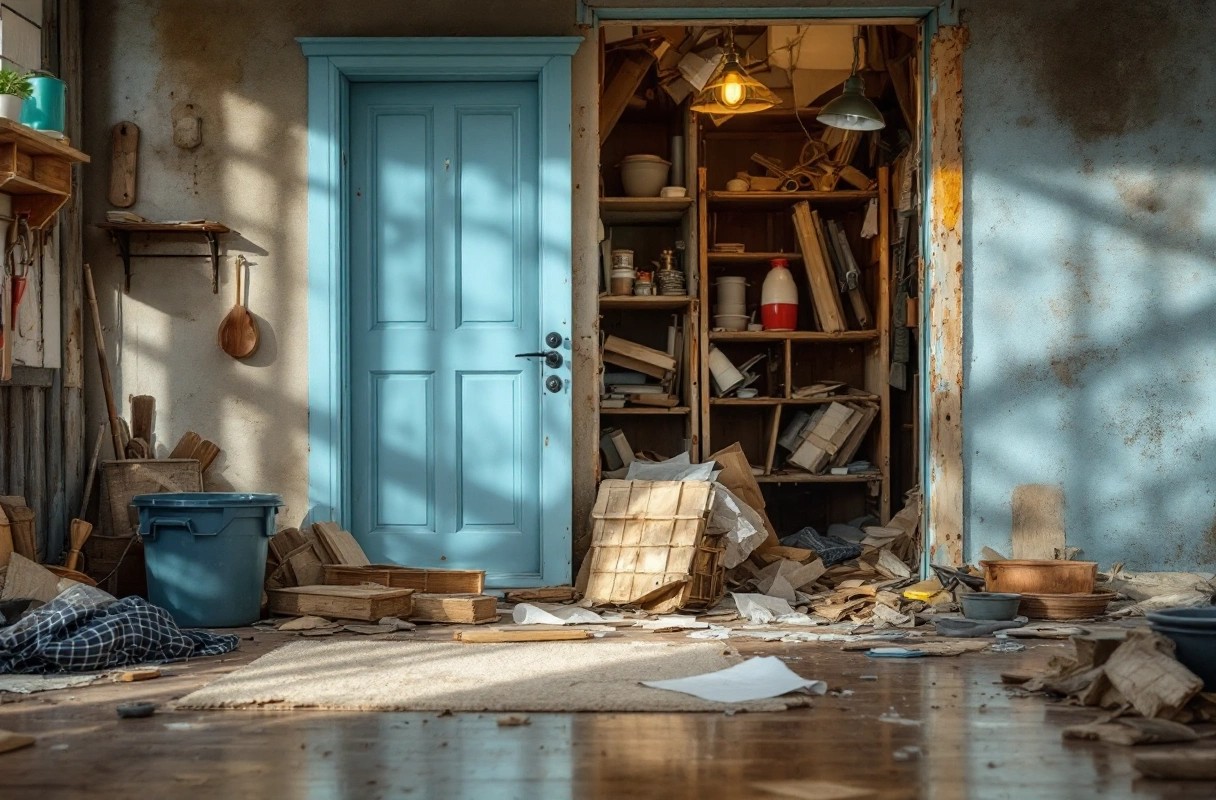
Tenants have a significant role in maintaining the condition of a rental property. Expectations for maintaining the property should be clearly outlined in rental agreements, which typically include provisions for cleanliness, reporting maintenance issues, and avoiding damage. Common misunderstandings among tenants often arise when they believe that they are not responsible for any repairs or maintenance during their tenancy.
For instance, tenants should be aware that while normal wear and tear is expected, they are responsible for taking care of the property to prevent excessive damage. This includes regular cleaning, proper use of appliances, and reporting any issues promptly to the landlord. Failure to uphold these responsibilities can lead to disputes over security deposits and potential legal ramifications.
Landlord Obligations for Property Maintenance
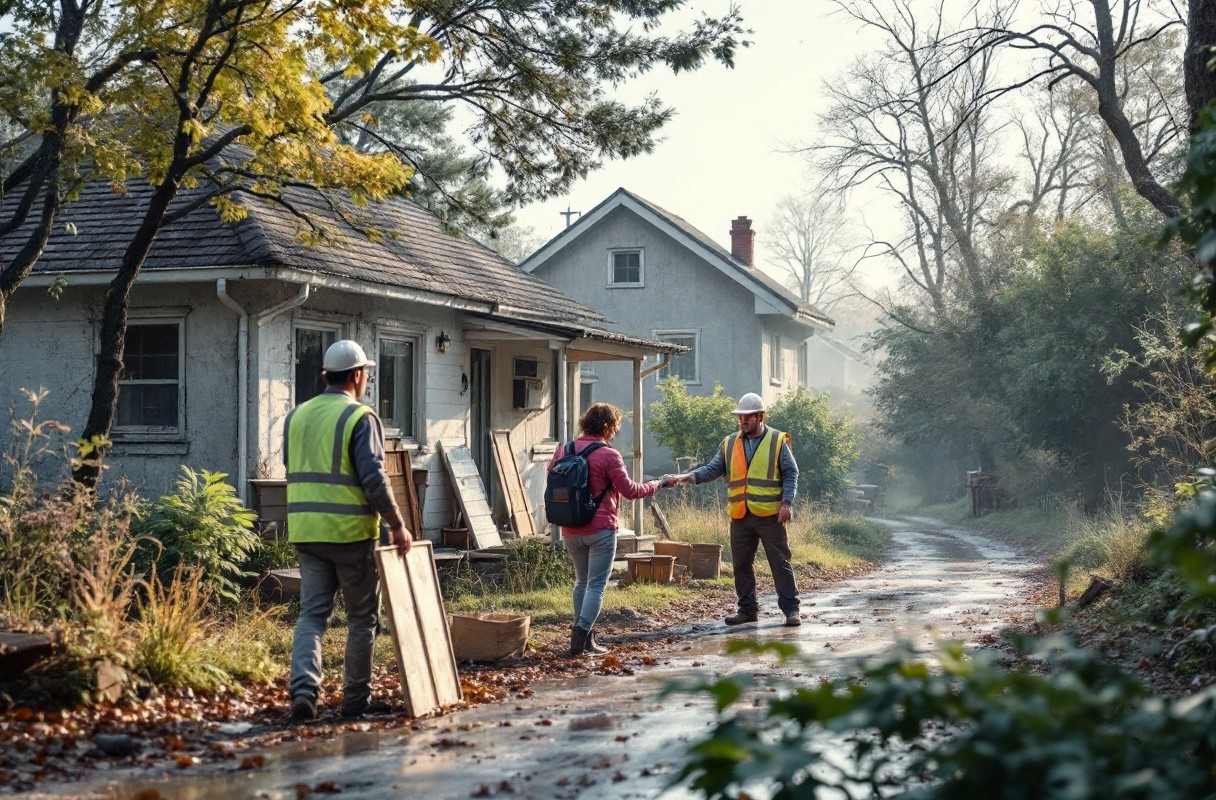
Landlords have legal obligations for maintaining safe living conditions in their rental properties. This includes addressing significant repairs and ensuring that the property meets local housing codes and safety standards. Understanding landlord obligations is crucial for both parties, as it fosters a cooperative relationship and helps prevent misunderstandings.
Adhering to rental agreements is also essential. Landlords must fulfill their responsibilities regarding property maintenance, which often includes routine inspections, timely repairs, and providing a safe environment for tenants. If a landlord neglects these duties, they may face legal consequences, including claims from tenants for unsafe living conditions. Therefore, it is vital for landlords to stay proactive in property management to uphold their obligations.
Managing Normal Wear and Tear in Rural Rentals
Effectively managing normal wear and tear in rural rentals requires a proactive approach from both landlords and tenants. For landlords, best practices include conducting regular property inspections and maintaining an open line of communication with tenants. This can help identify potential issues before they escalate into significant problems.
Tenants can also play a role in minimizing wear on the property. Simple practices such as using coasters under furniture, avoiding harsh cleaning products on surfaces, and promptly reporting maintenance issues can significantly extend the life of the property. Additionally, creating a maintenance checklist that outlines seasonal tasks can help both parties stay on top of necessary upkeep.
Understanding Normal Wear and Tear: Insights from RentalRiff
The nuances of normal wear and tear in rural rentals highlight the importance of clear communication and defined responsibilities between landlords and tenants. By understanding what counts as normal wear and tear in rural rentals, both parties can better navigate their obligations and foster a positive rental experience.
At RentalRiff, we provide resources and support tailored for independent landlords and small portfolio property owners. Our goal is to help you manage your rental properties effectively while maintaining strong relationships with your tenants. For more information on how to apply these insights and enhance your property management practices, contact RentalRiff today.