

Maintaining shared common areas isn't optional — it's a legal responsibility that protects your property's value and tenant relationships. You're generally responsible for keeping lobbies, hallways, stairwells, parking lots, and shared amenities safe, clean, and functional. Clear lease clauses, routine inspection schedules, and consistent communication help you stay compliant and avoid costly disputes. Whether you're handling routine upkeep or outsourcing structural repairs, a systematic approach makes all the difference — and there's much more to cover.
Key Takeaways
- Landlords are responsible for maintaining common areas like lobbies, hallways, parking lots, and shared amenities, keeping them safe, clean, and functional.
- Lease agreements should clearly specify maintenance responsibilities, acceptable usage standards, and cost allocation to prevent disputes and liability exposure.
- Establish structured inspection schedules, including seasonal assessments and annual common area reviews, while tracking completed tasks to prevent costly repairs.
- Post clear policies in common areas, review them during tenant onboarding, and document complaints immediately to ensure consistent, professional responses.
- Proactive maintenance reduces legal disputes, ensures regulatory compliance, enhances tenant satisfaction, and preserves overall property value and appeal.
What Counts as a Common Area (and Why It Matters)
Whether you own a duplex or a large apartment complex, understanding what qualifies as a common area is fundamental to fulfilling your legal maintenance obligations.
Common areas include any space shared by multiple tenants — lobbies, hallways, stairwells, parking lots, laundry rooms, elevators, courtyards, and shared amenities like fitness centers or rooftop decks.
These spaces fall under your direct responsibility, not your tenants'. Most state and local housing codes require you to keep them safe, clean, and functional at all times.
Failing to meet these maintenance expectations can expose you to liability, code violations, or tenant disputes.
Identifying every common area in your property upfront lets you build accurate maintenance schedules, allocate budgets properly, and set clear expectations before issues arise. Regular maintenance of common areas, including essential systems, is crucial to ensure tenant satisfaction and compliance with housing regulations.
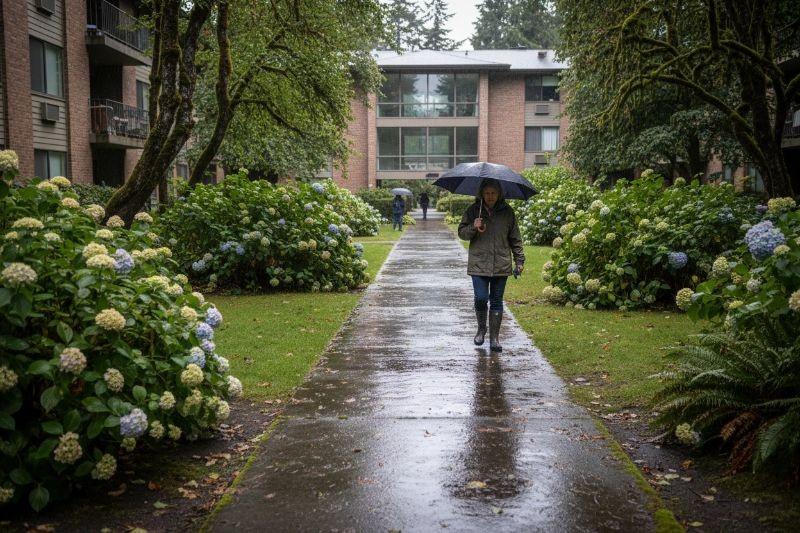
Who's Responsible for Common Area Maintenance?
When it comes to common area maintenance, you're generally responsible as the landlord for keeping shared spaces safe, clean, and functional.
Your lease agreement, however, can shift certain duties to tenants—such as sweeping a shared walkway or maintaining a designated storage area—as long as those clauses are clearly written and legally enforceable.
Review your lease language carefully to guarantee responsibilities are unambiguous, because vague terms often lead to disputes and potential liability. Additionally, ensuring compliance with property maintenance laws is essential to foster positive landlord-tenant relationships.
Landlord vs. Tenant Duties
Dividing maintenance responsibilities between landlords and tenants requires clear boundaries—and getting it wrong can lead to disputes, liability exposure, or code violations.
As a landlord, your responsibilities typically cover structural integrity, shared systems like HVAC and plumbing, exterior upkeep, and all common area maintenance. These landlord responsibilities aren't optional—they're often legally mandated.
Tenant obligations, by contrast, center on keeping their individual unit clean, avoiding damage beyond normal wear, and promptly reporting maintenance issues.
Tenants don't own shared spaces, so they shouldn't bear the cost of maintaining them.
Document every responsibility in the lease. When duties are clearly assigned in writing, you reduce ambiguity, strengthen your legal position, and set enforceable expectations that protect both parties throughout the tenancy.
Lease Clauses That Matter
Your lease is the legal foundation that determines who handles common area maintenance—and without specific clauses addressing it, you're exposed to disputes that are difficult to resolve after the fact.
Lease specifics eliminate ambiguity by clearly defining tenant obligations before move-in.
Include these three clauses in every lease:
- Maintenance responsibility assignments – Identify exactly which common areas each tenant is responsible for maintaining, such as hallways, stairwells, or shared laundry rooms.
- Usage rules – Outline acceptable use standards to prevent neglect or damage caused by misuse.
- Cost allocation language – Specify how repair costs are divided when damage occurs in shared spaces.
Without these provisions documented, enforcing accountability becomes legally complicated and financially costly.
Build a Routine Maintenance Schedule That Actually Holds
A routine maintenance schedule only works when you anchor it to specific, recurring inspection dates rather than vague intentions.
You'll also need to assign clear roles so everyone involved knows exactly who handles what, eliminating gaps and duplicated effort.
Finally, track every completed task consistently so you can spot patterns, confirm nothing slips through, and build a reliable maintenance history for each property. Additionally, a proactive approach to regular inspections can significantly enhance property value and tenant satisfaction.
Set Recurring Inspection Dates
Most landlords understand the importance of property inspections but struggle to keep them consistent without a structured schedule. Establishing recurring inspections at fixed intervals removes guesswork and creates accountability across your entire property.
Use inspection frequency as your framework by scheduling:
- Move-in and move-out walkthroughs to document condition changes and assign responsibility for damages.
- Seasonal inspections every spring and fall to assess HVAC systems, weatherproofing, drainage, and shared area wear.
- Annual common area reviews covering hallways, stairwells, laundry rooms, and exterior amenities for safety and compliance issues.
Log every inspection with dated photos and written notes. Consistent documentation protects you legally, supports maintenance decisions, and gives you a clear picture of each property's condition over time.
Assign Clear Maintenance Roles
Routine maintenance only holds when everyone involved knows exactly what they're responsible for. Without role clarity, tasks fall through the cracks, tenants grow frustrated, and properties deteriorate faster than they should.
Start with a formal responsibility breakdown that distinguishes what you handle as the landlord, what tenants are expected to maintain, and what requires a dedicated specialist or vendor. Document these roles in your lease agreements and shared-area maintenance policies so there's no ambiguity.
For multi-unit properties, consider assigning a Property Specialist to oversee common area upkeep directly. This creates a single accountable point of contact for repairs and ongoing maintenance.
When roles are clearly defined in writing, your maintenance schedule becomes enforceable, consistent, and far less dependent on informal follow-up.
Track Completed Tasks Consistently
Tracking completed maintenance tasks is one of the fastest ways to expose gaps in your schedule before they become costly repairs.
Without accurate maintenance logs, you're managing from memory—and memory fails. Consistent task tracking creates a reliable paper trail that protects you legally and operationally.
Use your logs to document:
- What was completed — include the date, location within the property, and who performed the work.
- What was inspected but deferred — note the reason and set a follow-up date to prevent items from falling through the cracks.
- What's recurring — identify patterns across completed tasks to adjust your schedule proactively.
Structured task tracking transforms reactive maintenance into a disciplined, repeatable system you can audit and improve over time.
Set Clear Common Area Rules Before Problems Start
Shared spaces—laundry rooms, parking areas, hallways, and outdoor amenities—become flashpoints for tenant disputes when expectations aren't defined upfront.
Establishing shared space policies before move-in removes ambiguity and gives you enforceable standards when conflicts arise.
Document common area etiquette rules in your lease or a separate addendum. Cover noise levels, cleanliness responsibilities, guest access, storage restrictions, and hours of use.
Be specific—vague language creates loopholes and inconsistent enforcement.
Post physical reminders in relevant areas so tenants can't claim they weren't informed. Review these policies during tenant onboarding and require a signed acknowledgment.
When rules are clear from day one, you spend less time mediating disputes and more time maintaining the property.
Prevention through documentation is always more efficient than reactive conflict resolution.
Handle Tenant Complaints About Shared Spaces the Right Way
Even with clear policies in place, tenant complaints about shared spaces will arise—and how you handle them determines whether small issues escalate into bigger problems.
Structured tenant communication and consistent conflict resolution practices keep disputes manageable.
Follow this process for every complaint:
- Document the complaint immediately — Record the date, tenant, and specific issue to establish a paper trail and track recurring problems.
- Investigate before responding — Inspect the space, review lease terms, and gather relevant facts before committing to any resolution.
- Respond with a clear action plan — Communicate your findings and next steps in writing, including timelines, so tenants know what to expect.
Consistency here signals professionalism and protects you legally if disputes worsen. Additionally, maintaining well-maintained properties can significantly enhance tenant satisfaction and reduce complaints over time.
When to Hire Out Common Area Work vs. Do It Yourself
Knowing which common area tasks to handle yourself and which to outsource can save you money, reduce liability, and keep your property up to code.
DIY limitations become apparent when work involves electrical systems, structural repairs, or code-regulated installations — these require licensed contractors to remain compliant and insurable.
For routine tasks like minor landscaping, light bulb replacements, or cleaning, a cost-benefit analysis often favors handling them yourself.
However, when specialized labor, permits, or equipment are involved, hiring out typically reduces long-term risk and rework costs.
Apply a straightforward decision framework: if the task requires a license, affects safety, or exceeds your verified skill set, hire a professional.
If it's routine and low-risk, doing it yourself is a reasonable option. Additionally, proactive maintenance helps avoid unnecessary legal disputes while ensuring your property remains in good standing with tenant rights and local regulations.
Frequently Asked Questions
Can Tenants Be Charged Extra Fees for Common Area Maintenance Costs?
Yes, you can charge tenants common area fees, but only if your tenant agreements explicitly outline these costs. Always guarantee your lease terms comply with local regulations before implementing any additional maintenance charges.
How Do I Handle a Tenant Who Refuses to Use Common Areas Responsibly?
Document violations, then follow a systematic conflict resolution process: issue a formal written warning, reference lease terms on responsible usage, and escalate to legal remedies if the behavior continues without correction.
What Insurance Coverage Do I Need Specifically for Shared Common Areas?
You'll need liability coverage to protect against tenant injuries in shared spaces and property insurance to cover damage to common area structures and equipment. Consult your insurer to guarantee both policies specifically address shared common areas.
How Often Should I Update or Renovate Aging Common Area Spaces?
Plan your renovation frequency every 5–7 years to refresh common area aesthetics and maintain compliance. You should also assess spaces annually, addressing wear, safety concerns, and outdated features that could impact tenant satisfaction or regulatory standards.
Do Common Area Conditions Affect My Property's Overall Rental Market Value?
Yes, common area aesthetics directly impact your property's rental market value. Well-maintained shared spaces boost tenant satisfaction, attract higher-quality renters, and justify premium rental rates, strengthening your property's overall competitive position in the market.
Conclusion
You've got the framework — now put it to work. Define responsibilities clearly, schedule maintenance consistently, and address complaints before they escalate. When you stay proactive rather than reactive, you're protecting your property's value and reducing liability exposure. Don't wait for something to break or a tenant to walk out. Common area management isn't optional; it's a core operational requirement of running a compliant, well-maintained rental property.