

As a landlord, you need to understand that grout, caulk, and sealants each serve a distinct protective role in your bathroom. Grout fills rigid tile joints, caulk seals flexible movement areas, and penetrating sealers block moisture absorption. You should inspect both grout and caulk twice yearly, watching for crumbling, discoloration, mold, or peeling. Catching failures early prevents structural water damage and keeps repair costs manageable — and there's a lot more to know about keeping these systems working together.
Key Takeaways
- Inspect grout and caulk lines at every tenant turnover and at least annually, focusing on cracks, discoloration, shrinkage, and separation.
- Replace grout entirely when deterioration exceeds 30%; spot regrouting suits small, isolated cracks only.
- Use silicone or polyurethane caulk at corners and flexible junctions where grout would crack under movement.
- Black spotting, pink residue, or yellow streaking each signal specific moisture problems requiring targeted repair approaches.
- Reapply penetrating sealer annually to grout lines; proactive sealing prevents costly water damage and mold remediation.
Grout, Caulk, and Seals: What's the Difference?
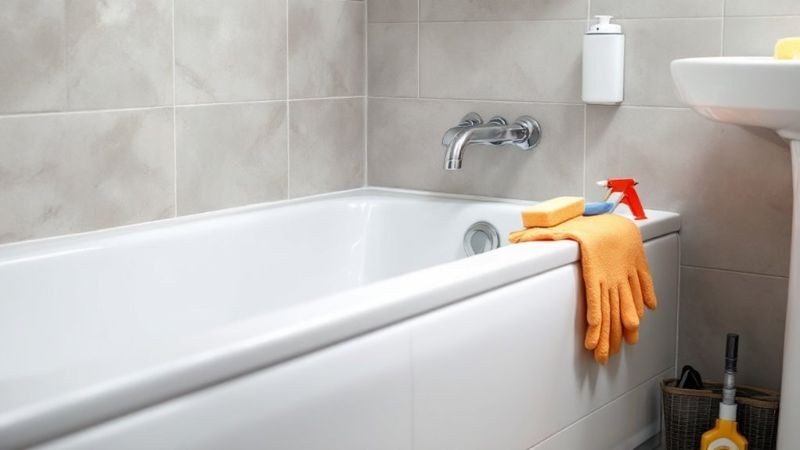
Grout, caulk, and seals each serve a distinct role in bathroom waterproofing, and mixing them up leads to premature failures and water damage.
Grout types include cement-based and epoxy formulations—cement fills rigid tile joints, while epoxy resists staining and moisture better in high-traffic areas. Neither grout type handles movement or flexible joints well.
That's where caulk materials come in. Silicone caulk seals corners, connections, and gaps where surfaces meet or shift, absorbing movement without cracking.
Polyurethane caulk offers similar flexibility with stronger adhesion on porous surfaces.
Seals refer to penetrating sealers applied over grout and natural stone, blocking moisture absorption at the surface level.
Proper maintenance of these materials is crucial to prevent persistent indoor humidity and ensure the longevity of the waterproofing system.
Each material has a specific application—substituting one for another compromises the entire waterproofing system.
Signs Your Bathroom Seals Need Attention
Catching seal failure early saves you from costly water damage repairs down the line.
Watch for discoloration or staining around grout lines and caulked edges, which often signals moisture infiltration or mold growth beneath the surface.
Cracking or crumbling grout and peeling caulk lines are clear indicators that your bathroom's waterproof barrier has broken down and needs immediate attention. Additionally, mold exposure can lead to severe health complications, making it vital to address any seal issues promptly.
Discoloration and Staining
Discoloration and staining around grout lines and caulked seams are early warning signs that your bathroom seals are failing.
Don't mistake surface stains for purely cosmetic issues—they often signal moisture infiltration requiring immediate attention. Effective mold prevention depends on identifying these warning signs early and applying the right cleaning techniques before deterioration spreads.
Watch for these specific discoloration patterns:
- Pink or orange residue — bacterial biofilm forming in consistently damp areas
- Black spotting — active mold growth embedded beneath or within the sealant
- Yellow or brown streaking — mineral deposits indicating water is bypassing the seal
- Gray or chalky haze — grout degradation from prolonged moisture exposure
Each pattern points to a distinct problem requiring a targeted repair approach.
Cracking or Crumbling Grout
While staining gives you a visual heads-up that moisture is moving where it shouldn't, cracking or crumbling grout tells you the structural integrity of your bathroom seal is already compromised.
Fractured grout no longer bonds tile surfaces together, allowing water to penetrate the substrate and accelerate deterioration beneath what you can see.
Before applying grout restoration techniques, you'll need to fully remove the damaged material.
One of the most common grout mistakes landlords make is applying fresh grout directly over cracked grout without grinding it out first—this creates a weak bond that fails quickly.
Use a grout saw or oscillating tool to clear the joints completely, then regrout and seal properly.
Skipping steps here turns a minor repair into a costly tile or subfloor replacement.
Peeling Caulk Lines
Peeling caulk along tub edges, shower pans, and wall-to-floor junctions is one of the most overlooked entry points for water damage in rental bathrooms.
When caulk separates, water infiltrates substrate layers, causing rot, mold, and structural deterioration. Proper caulk application and routine maintenance tips keep these failures from escalating.
Watch for these warning signs between inspections:
- Caulk lifting or curling away from the surface
- Visible gaps between the tub and tile or wall
- Discoloration or mold growth along caulk lines
- Soft or spongy drywall near the junction
When you spot peeling, remove the old caulk completely, clean and dry the surface thoroughly, and apply fresh silicone caulk rated for wet areas.
Don't patch over failing caulk—it accelerates moisture intrusion.
How Often Should Landlords Inspect Grout and Caulking?
How often you inspect grout and caulking depends on the age of the bathroom, tenant usage, and local climate conditions. For most rental properties, a twice-yearly inspection schedule works well—once in spring and once in fall.
High-humidity climates like Seattle or Portland may require more frequent checks due to accelerated moisture exposure.
Build grout and caulking into your standard inspection checklists alongside plumbing, ventilation, and fixture condition. During each walkthrough, check for cracking, discoloration, soft spots, and separation along tile edges and seams.
Older bathrooms with original caulking warrant closer attention. Regular inspections help prevent costly repairs and ensure that small seal failures don't escalate into significant water damage claims. Catching deterioration early keeps repair costs low and gives tenants a well-maintained, functional bathroom.
How to Recaulk a Bathroom the Right Way
Once you've identified failing caulk during an inspection, removing and replacing it correctly makes the difference between a lasting seal and a repeat repair.
Using proper recaulking techniques and the right caulking tools guarantees adhesion and longevity. Follow these steps:
- Remove old caulk completely using a caulk remover tool or utility knife—residue prevents proper bonding.
- Clean and dry the surface thoroughly; moisture or soap film causes premature failure.
- Apply painter's tape along both edges for a clean, straight bead.
- Cut the tube at a 45-degree angle, apply steady pressure, and smooth the bead immediately with a wet finger or caulk tool.
Allow full cure time—typically 24 hours—before tenant use. Additionally, regular inspections can help identify emerging issues early, preventing costly repairs down the line.
When to Repair Grout vs. Replace It Entirely
Grout damage ranges from surface-level discoloration and hairline cracks to deep structural failure, and correctly reading those signs determines whether you repair or replace.
If the grout is cracked but still intact, firmly bonded, and isolated to a small area, spot regrouting is a practical fix.
However, if you're seeing widespread cracking, crumbling, missing sections, or grout that's separating from the tile edges across multiple areas, full replacement is the more cost-effective long-term solution. Regular maintenance of essential systems like plumbing can help prevent issues that lead to grout damage.
Signs Grout Needs Repair
Bathroom grout doesn't fail all at once—it deteriorates gradually, and catching problems early determines whether you're doing a quick repair or a full replacement.
Different grout types age differently, but most share common failure indicators. Use targeted repair techniques when you spot these early warning signs:
- Hairline cracks running along grout lines, often caused by substrate movement or settling.
- Discoloration or staining that doesn't respond to cleaning, signaling surface degradation.
- Crumbling or sandy texture when you run a finger across the grout line.
- Missing sections where grout has fully dislodged, exposing the tile edge or substrate.
Addressing these early keeps water from penetrating behind tiles and escalating into costlier structural damage.
When Replacement Is Necessary
While early-stage grout damage often responds well to patching and resealing, widespread deterioration calls for full replacement. If more than 30% of your grout shows cracking, crumbling, or discoloration, you'll need to remove and reapply it entirely.
When replacing, match your grout types carefully — sanded grout works for joints wider than 1/8 inch, while unsanded suits tighter seams.
Reassess your caulk options at corners and junctions, since these flexible joints fail faster than field grout. Select seal materials rated for wet environments to extend your results.
Key maintenance tips: fully excavate old grout before applying new material, allow complete cure time before exposing joints to moisture, and reapply sealant annually to prevent premature breakdown and water intrusion behind tile surfaces.
Assessing Grout Damage Severity
Catching grout damage early determines whether you're facing a quick repair or a full replacement job. Grout lifespan typically runs 8–15 years, depending on traffic, moisture exposure, and installation quality.
Common damage causes include settlement shifts, cleaning chemical erosion, and improper sealing. Assess severity before committing to any approach:
- Surface discoloration or staining — cleanable; no structural concern
- Hairline cracks or minor chips — repairable with matching grout or filler
- Crumbling, soft, or recessed grout — requires full removal and regrout
- Missing grout with moisture penetration — demands immediate replacement plus substrate inspection
If water has reached the substrate, you're no longer dealing with a cosmetic issue. Act quickly to prevent tile destabilization and structural damage.
How Seal Maintenance Prevents Costly Water Damage
Small gaps in caulk and worn-out seals around tubs, showers, and sinks are among the most common sources of water intrusion in rental bathrooms.
When moisture bypasses the seal line, it penetrates substrate materials, promotes mold growth, and compromises structural integrity behind walls and beneath flooring.
Staying ahead of seal deterioration is one of the most cost-effective maintenance tips you can follow as a landlord.
Inspect caulk and grout lines at every tenant turnover and at least once annually during occupied tenancies.
Look for cracking, shrinkage, discoloration, or separation from the surface.
Resealing a tub surround costs a fraction of what you'll pay to replace water-damaged subfloor or drywall.
Proactive seal maintenance directly reduces your exposure to expensive, avoidable repairs.
Frequently Asked Questions
Can Tenants Be Held Responsible for Damaged Grout or Caulking?
Yes, you can hold tenants accountable for damaged grout or caulking if it results from negligence or misuse. Clearly outline maintenance responsibilities in the lease to distinguish tenant damage from normal wear and tear.
What Caulk Colors Best Match Common Bathroom Tile Finishes?
For white subway tile, you'll want bright white caulk. Almond and biscuit caulk types match warmer grout styles. Gray caulk suits modern slate or porcelain. Always test against your tile before committing to a full application.
Does Homeowner's Insurance Cover Water Damage From Failed Bathroom Seals?
Most homeowner's insurance policies won't cover water damage from failed bathroom seals, as insurers classify it as neglected maintenance. You'll likely face denied insurance claims, so proactively replacing worn seals protects both your property and wallet.
How Long Does Professional Recaulking Typically Take to Complete?
Professional recaulking typically takes 1–3 hours, but you'll need 24–48 hours of cure time before use. Proper caulking techniques and grout maintenance guarantee a lasting seal, so don't rush the process.
Are Landlords Required to Disclose Past Water Damage to New Tenants?
Yes, you're typically required to disclose past water damage under tenant rights laws in most states. Water damage disclosure protects tenants from hidden hazards, so consult your local regulations to guarantee you're meeting legal obligations before signing leases.
Conclusion
Staying on top of grout, caulking, and bathroom seals isn't glamorous, but it's one of the smartest maintenance habits you can build as a landlord. Inspect regularly, recaulk before cracks worsen, and address grout failures before moisture finds its way behind your walls. Small interventions now prevent structural repairs later. Treat your bathroom seals as a system, not an afterthought, and you'll protect your property's value while keeping tenant complaints to a minimum.