
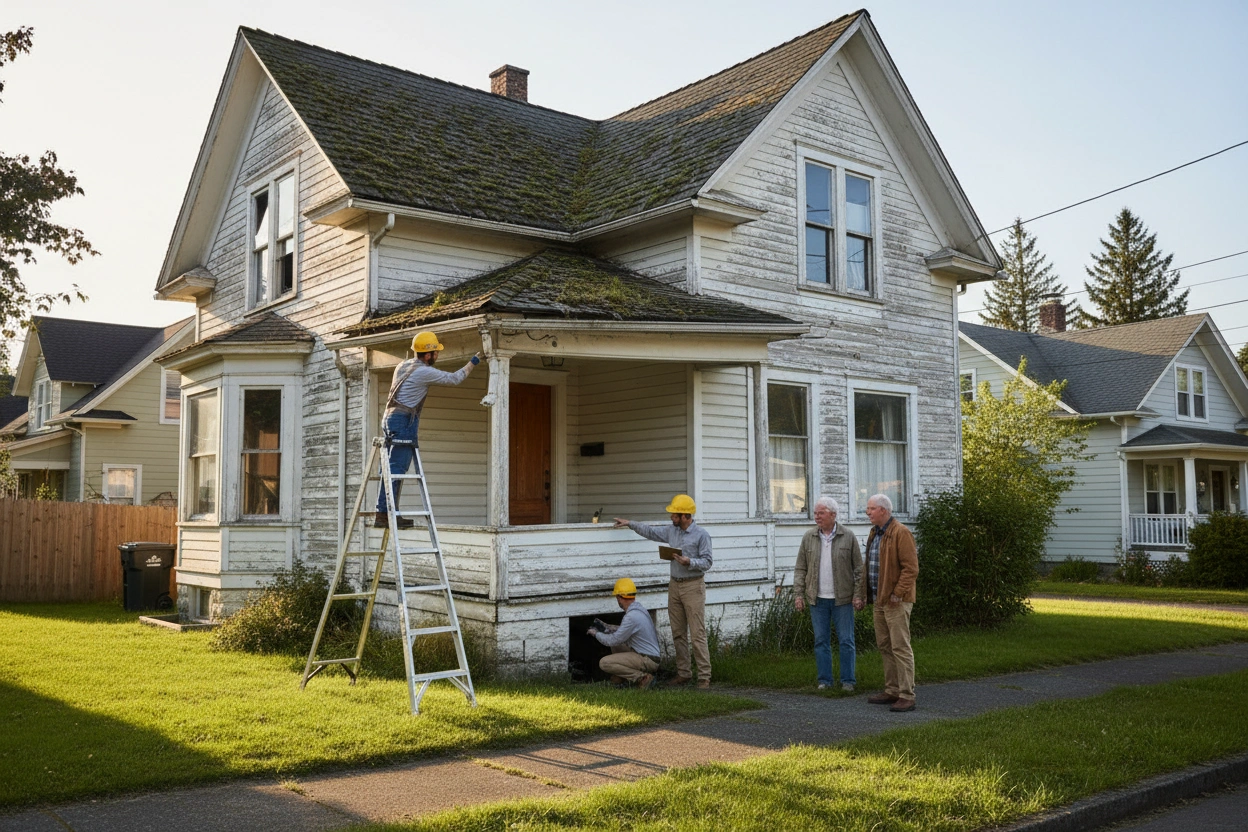
Tacoma's oldest rentals deteriorate on a predictable schedule, and your inspection routine needs to match it. Properties over 40 years old face compounding failures across roofing, plumbing, electrical, and foundation systems simultaneously. Annual inspections won't catch these overlapping deterioration cycles fast enough. You'll need quarterly checks to stay ahead of code violations and structural decline before repair costs escalate. The specifics of what fails first—and when—are worth understanding in detail.
Key Takeaways
- Tacoma's pre-war homes in neighborhoods like Hilltop and North End face compounding deterioration in roofing, plumbing, electrical, and foundation systems over time.
- Properties over 40 years old require quarterly inspections, as annual checks are insufficient to catch accelerating deterioration patterns.
- Aging galvanized pipes, outdated electrical panels, and failing roofs create cascading failures that worsen rapidly without frequent monitoring.
- Regular inspections create documented condition records, enabling early intervention before minor defects escalate into costly structural or systems failures.
- Increased inspection frequency reduces emergency repairs, lowers long-term costs, and improves tenant satisfaction through consistently maintained property conditions.
Tacoma's Oldest Neighborhoods and Where Aging Rentals Cluster
Tacoma's oldest rental housing concentrates in a handful of historically developed neighborhoods where residential construction peaked in the early 1900s.
Areas like the North End, Stadium District, and Hilltop contain dense clusters of pre-war homes featuring historic architecture—craftsman bungalows, Victorian-era structures, and early colonial revivals built between 1890 and 1940.
Neighborhood demographics in these zones skew toward long-term renters occupying properties that haven't seen major structural updates in decades.
If you own rental property in these corridors, you're likely managing buildings with original plumbing, aging electrical panels, and deteriorating foundations.
Understanding where your property falls within Tacoma's development timeline tells you a great deal about what maintenance risks you're carrying and how aggressively you should be scheduling inspections. Additionally, being aware of common plumbing issues in older systems can help you prioritize your inspection and maintenance efforts.
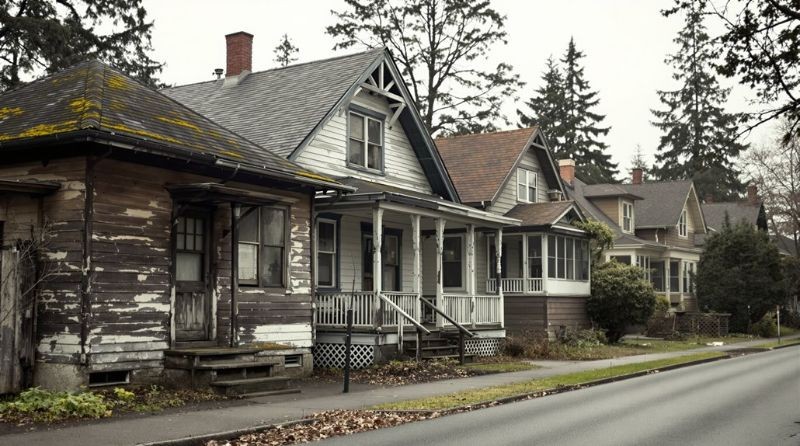
What Actually Deteriorates First in Older Tacoma Homes
Older homes deteriorate in a predictable sequence, and knowing that order helps you prioritize where to spend inspection time and money. In Tacoma's pre-1960 housing stock, deterioration typically follows this pattern:
- Roof systems fail first, especially aging cedar shake or composition shingles exposed to Pacific Northwest moisture cycles.
- Plumbing wear appears next, with galvanized steel pipes corroding from the inside out, restricting flow and increasing leak risk.
- Electrical systems degrade through outdated wiring, undersized panels, and deteriorated insulation.
- Foundation issues emerge over decades of soil movement, water infiltration, and inadequate drainage.
- HVAC and ventilation components lose efficiency and fail as original equipment exceeds service life.
Each failure point compounds the next. A leaking roof accelerates foundation issues. Corroded plumbing increases moisture exposure. It is crucial to maintain essential systems to prevent these interconnected problems. Treat these systems as interconnected, not isolated.
Why Annual Inspections Aren't Enough After 40 Years
Once a rental property crosses the 40-year threshold, annual inspections operate on a timeline that no longer matches the rate at which systems degrade. Aging properties accumulate compounding failures—corroded supply lines, failing subfloor supports, deteriorating HVAC heat exchangers—that can progress from early-stage to critical within months, not years. Inspection importance scales with age because the margin between a manageable repair and a costly structural or mechanical failure narrows dramatically. If you're inspecting twice per year at minimum, you're catching failures before they cascade. Waiting twelve months between walkthroughs means you're evaluating conditions that have already shifted. For properties built before 1985, a semi-annual schedule isn't optional—it's the baseline required to stay ahead of deterioration rates your property's age is actively accelerating. Additionally, regular inspections can help identify maintenance needs before they escalate into more significant issues.
The Inspection Schedule That Matches Your Property's Age
Matching your inspection frequency to your property's age removes the guesswork and keeps you ahead of failure rates that accelerate as systems get older.
Structure your inspection types around three age brackets. Properties under 20 years need annual walkthroughs covering mechanical systems, weatherproofing, and tenant-reported issues.
Properties between 20 and 40 years require semi-annual inspections, with maintenance priorities shifting toward electrical panels, plumbing joints, and roof underlayment.
Properties over 40 years demand quarterly checks, targeting foundation movement, knob-and-tube remnants, galvanized supply lines, and envelope integrity.
Each bracket calls for progressively deeper diagnostic work, not just visual confirmation. Implementing routine and preventative maintenance practices during these inspections can significantly extend the lifespan of your property's systems.
Applying this age-tiered schedule to your Tacoma rental converts inspection frequency from a flat routine into a calibrated response to how your property actually deteriorates over time.
Tacoma Code Violations Older Homes Fail Most Often
Keeping your inspection schedule calibrated to your property's age reduces surprise failures, but inspections only protect you if you know what Tacoma's code enforcement actually flags.
Older homes fail most often on these violations:
- Electrical: Ungrounded outlets, outdated panels, missing GFCI protection in kitchens and bathrooms
- Plumbing: Galvanized pipe corrosion, inadequate water pressure, failing shut-off valves
- Heating: Non-compliant or inoperable heat sources in occupied rooms
- Egress: Windows that don't meet minimum opening dimensions in sleeping areas
- Smoke and CO detectors: Missing, expired, or incorrectly placed units
Rental safety and code compliance aren't separate concerns—they're the same standard. Tacoma enforces both through the same inspection process. Understanding your tenant rights helps ensure that you can address these failure points proactively before a violation notice forces your hand.
How a Property Specialist Keeps Aging Rentals Ahead of Problems
When you assign a dedicated property specialist to an aging Tacoma rental, you gain a trained set of eyes conducting regular site visits before small deficiencies compound into costly failures.
Your specialist works through a structured inspection process, identifying early indicators of deterioration in systems most prone to failure in older homes—roofing, electrical, plumbing, and foundation.
Catching these issues early keeps you ahead of code violations, reduces emergency repair costs, and protects tenant habitability before problems escalate. Additionally, understanding landlord responsibilities ensures that maintenance issues are addressed promptly, safeguarding tenant rights.
Proactive Specialist Site Visits
One of the clearest advantages of having a dedicated property specialist is that they don't wait for something to break before showing up. Through scheduled site visits, your specialist executes proactive maintenance checks and maintains direct tenant communication to catch developing issues early.
During each visit, your specialist evaluates:
- Roof drainage, gutters, and flashing integrity
- Plumbing fixtures, water heater condition, and visible supply lines
- HVAC filter status and mechanical performance
- Foundation access points, crawlspace moisture, and ventilation
- Electrical panel, smoke detectors, and carbon monoxide devices
Each finding gets documented and prioritized. You receive a clear summary with recommended next steps.
In Tacoma's older housing stock, this structured approach prevents minor deterioration from compounding into costly structural or systems failures between tenancy cycles.
Catching Issues Before Escalation
Scheduled site visits create a structured record of your property's condition over time, and that record becomes the foundation for catching problems before they escalate. Your property specialist tracks changes visit-to-visit, identifying deterioration patterns that isolated inspections miss.
Early detection of failing caulk, stressed roofing, corroded connections, or compromised drainage allows for targeted preventative maintenance before minor defects compound into structural or system-level failures.
In older Tacoma properties, this sequential documentation matters greatly. Aging materials don't fail suddenly—they degrade incrementally. A specialist familiar with your property's history recognizes when incremental changes cross into actionable thresholds.
That continuity eliminates guesswork, tightens repair timelines, and reduces emergency callouts. You're not reacting to failures; you're systematically intercepting them at the point where intervention is still cost-effective.
Frequently Asked Questions
Does Rentalriff Handle Emergency Repairs in Older Tacoma Rental Properties?
Yes, RentalRiff handles emergency maintenance in your older Tacoma rental properties. Your dedicated property specialist manages urgent repairs swiftly while maintaining clear tenant communication, ensuring you're never left scrambling when aging systems unexpectedly fail.
How Much Do More Frequent Inspections Typically Cost Property Owners?
Inspection costs vary, but you'll typically pay $100–$300 per visit for routine property maintenance checks. More frequent inspections on older Tacoma rentals can run $500–$1,200 annually, depending on property size and condition complexity.
Can Tenants Request an Inspection if They Notice Potential Issues?
Yes, your tenants can request an inspection if they spot potential issues. Tenant rights allow them to formally flag concerns, triggering your inspection process to assess and address maintenance problems before they escalate into costly repairs.
Does Inspection Frequency Affect My Rental Property Insurance Premiums?
Yes, inspection frequency can affect your premiums. Insurers use risk assessment to evaluate your property's condition, and documented inspections may qualify you for insurance discounts by demonstrating proactive maintenance and reduced liability exposure.
How Do I Find Out My Tacoma Rental Property's Exact Construction Year?
You can uncover your property's exact construction year by checking Tacoma's Pierce County Assessor-Treasurer records online. These construction records provide detailed property history, including build year, permits, and structural documentation tied to your specific parcel.
Conclusion
Your property's age isn't just a number — it's a risk multiplier. The older your Tacoma rental, the faster small deficiencies compound into structural failures, code violations, and liability exposure. Tightening your inspection schedule around your building's decade of construction isn't optional maintenance strategy; it's the baseline standard for responsible ownership. You can't manage deterioration you haven't measured. Increase your inspection frequency, document what you find, and act before the building forces your hand.