
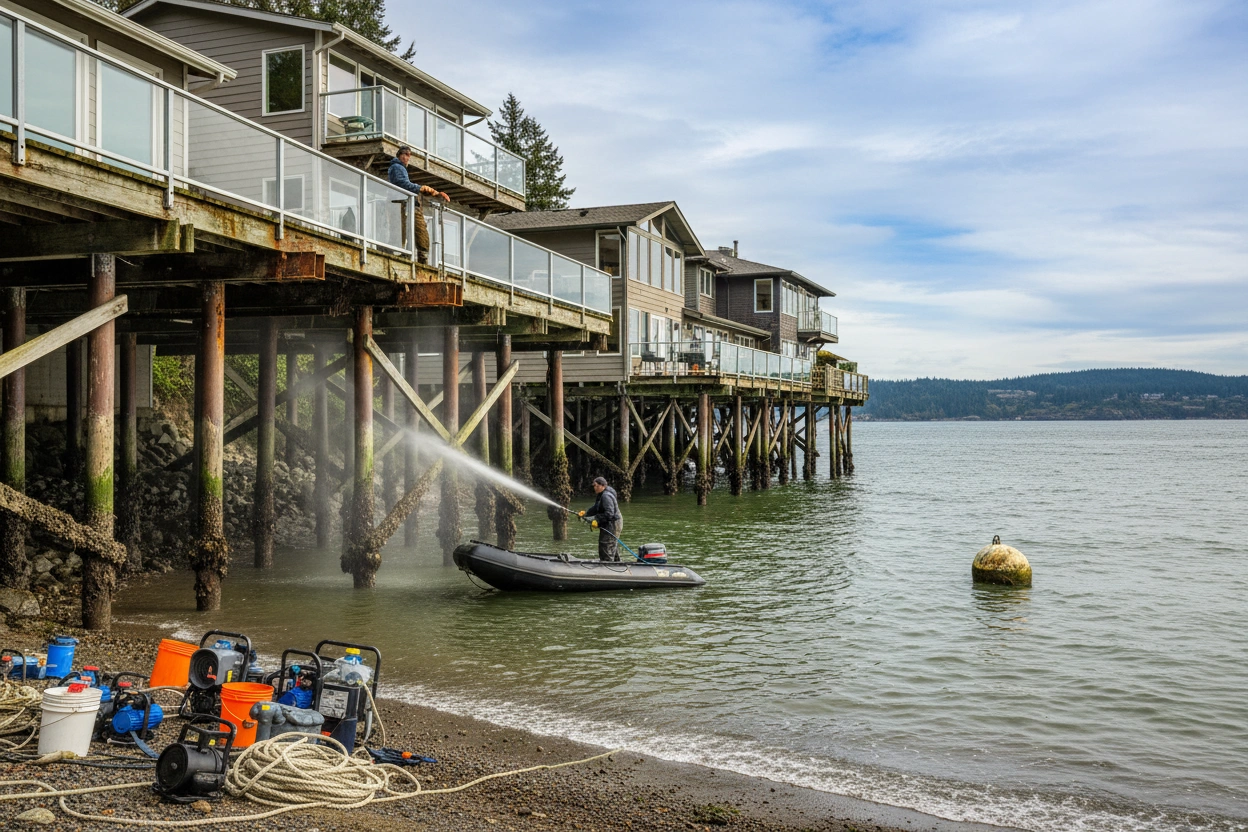
Owning a Tacoma waterfront rental puts you up against salt air, elevated humidity, tidal surges, and accelerated material degradation that inland properties never face. Salt corrodes metal fixtures, moisture warps wood, and tidal activity destabilizes foundations faster than you'd expect. You'll need minimum semi-annual inspections covering dock hardware, crawl spaces, retaining walls, and sealants around windows and doors. Neglecting even minor rust spots or soft decking can trigger costly structural failures—and there's a lot more ground to cover.
Key Takeaways
- Salt air accelerates corrosion of metal fixtures and railings, requiring regular inspections and proactive sealant maintenance around windows and doors.
- Elevated humidity and moisture penetration cause wood warping, rot, and siding deterioration, demanding consistent seasonal inspection schedules.
- Tidal proximity destabilizes foundations and drainage systems, making monthly crawl space checks and riprap inspections essential.
- Inspect dock cleats, deck bolts, and joist hangers every six months, addressing surface rust before it compromises structural integrity.
- Maintain detailed photo documentation of each inspection to track deterioration trends, support insurance claims, and resolve tenant disputes effectively.
What Makes Puget Sound Properties So Hard to Maintain
Owning rental property along the Tacoma waterfront means dealing with one of the most punishing maintenance environments in the Pacific Northwest.
Salt-laden air accelerates metal corrosion, degrades exterior paint, and breaks down roofing materials faster than inland properties experience. Humidity levels stay elevated year-round, driving moisture into crawl spaces, window frames, and siding joints.
Wind exposure compounds the damage, forcing debris against structures and stressing waterfront landscaping that requires reinforced planting strategies to survive.
Tidal proximity also means soil instability near foundations and drainage systems that clog more frequently.
Without consistent seasonal inspections, small vulnerabilities compound into expensive structural problems. Regular inspections are crucial for identifying early signs of corrosion, helping to mitigate potential damage before it escalates.
You're not just managing a rental—you're actively fighting an environment that works against every component of your property simultaneously.
Salt Air and Moisture Damage on Tacoma Waterfront Rentals
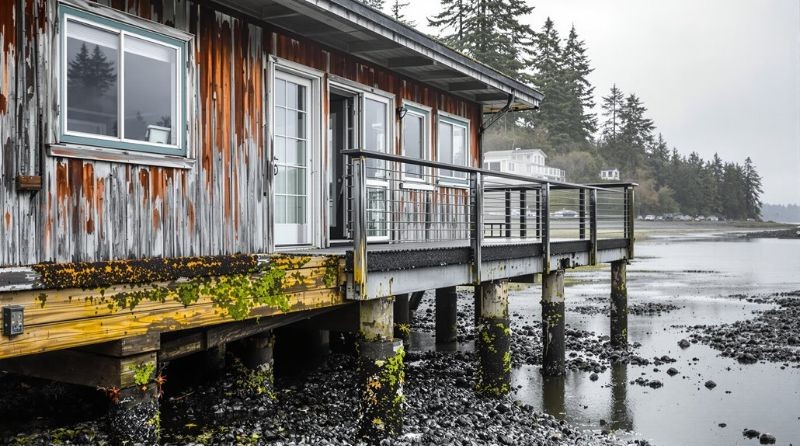
If your rental sits near the Tacoma waterfront, salt-laden air is actively corroding your metal fixtures—hinges, railings, lock hardware, and exterior fasteners break down faster than they'd inland.
Moisture compounds the problem by penetrating wood surfaces, causing decking, window frames, and siding to warp, swell, and eventually rot.
You'll need a maintenance schedule that accounts for both threats simultaneously, or you'll find yourself replacing components far ahead of their expected service life. Regular inspections for signs of corrosion and moisture damage will help you stay ahead of these issues.
Corrosion Affects Metal Fixtures
Salt air and consistent moisture along Tacoma's waterfront accelerate corrosion on metal fixtures far faster than inland properties experience.
Exposed hinges, railings, door hardware, exterior light fixtures, and HVAC components oxidize quickly when salt-laden air contacts bare or compromised metal surfaces.
To support metal fixture longevity, prioritize marine-grade or stainless steel components rated for coastal environments.
Apply corrosion-inhibiting coatings annually and inspect sealants around exterior hardware before each wet season.
Pay close attention to galvanic corrosion where dissimilar metals meet — a common issue on older Tacoma waterfront properties.
Effective corrosion prevention depends on inspection frequency, not just material selection.
Catching early oxidation before it compromises structural integrity keeps repair costs manageable and prevents tenant-reported failures that disrupt occupancy.
Schedule fixture inspections at least twice yearly.
Moisture Warps Wood Surfaces
Metal fixtures aren't the only components taking a beating from Tacoma's coastal environment — wood surfaces face their own set of compounding problems when salt air and persistent moisture work together.
Without consistent wood preservation and humidity control strategies, you're looking at accelerated deterioration across multiple surface types.
Watch for these moisture-driven failure points:
- Window frames swelling and binding from repeated moisture absorption
- Subfloor panels delaminating beneath vinyl or tile in poorly ventilated spaces
- Deck boards cupping and splitting as grain structure breaks down
- Interior trim separating from walls where humidity fluctuates seasonally
- Exterior siding developing soft spots that invite rot and structural compromise
Catching these early keeps repair costs manageable and protects your property's long-term structural integrity.
Erosion, Tidal Flooding, and Foundation Risks
Waterfront properties along Tacoma's shoreline face persistent erosion, tidal flooding, and foundation stress that can quietly compound into costly structural problems.
Tidal surges and stormwater runoff gradually undermine soil stability beneath and around your foundation, accelerating settling, cracking, and moisture infiltration. Effective shoreline management means inspecting riprap, retaining walls, and drainage grades seasonally—not just after storm events.
You'll want to document any soil displacement or wall shifting before it progresses. Flood mitigation requires more than sandbags.
Install check valves on below-grade drains, confirm your sump pump operates reliably, and verify that foundation vents aren't channeling tidal water inward.
Crawl spaces on waterfront lots deserve monthly attention. Catching early erosion or drainage failure keeps minor grading issues from becoming full foundation repairs that run tens of thousands of dollars. Additionally, implementing effective drainage solutions can significantly reduce the risks associated with water runoff and erosion.
Deck, Dock, and Exterior Repairs That Can't Wait
When you own a waterfront rental in Tacoma, rot and structural damage in decks and docks move fast — water intrusion into exposed wood framing can compromise load-bearing members within a single season.
Saltwater accelerates corrosion on metal fasteners, hardware, and support brackets, often causing hidden failures that aren't visible until a structural element gives way.
You can't treat these repairs as optional or low-priority, because deteriorating exterior structures create serious liability exposure and code compliance risks that affect your rental's legal occupancy status. Additionally, investing in effective irrigation solutions can help manage water-related issues more effectively, ultimately preserving your property's integrity.
Rot and Structural Damage
Tacoma's wet climate accelerates wood rot in decks, docks, and exterior framing faster than most landlords expect.
Without proper mold prevention protocols and consistent inspection frequency, minor decay becomes structural failure quickly.
Watch for these critical indicators:
- Soft or spongy decking boards that flex underfoot
- Discolored or staining wood signaling moisture intrusion and active rot
- Corroded fasteners and hardware weakening load-bearing connections
- Deteriorating ledger boards where decks attach to the home's framing
- Dock pilings showing splits, spalling, or waterline decay
Don't wait for tenant complaints to schedule inspections.
Quarterly walkthroughs of exterior wood structures let you catch damage early, prioritize repairs, and avoid costly replacements.
RentalRiff's property specialists coordinate these assessments and manage repairs before small problems compromise your property's safety and value.
Saltwater Corrosion Risks
Rot isn't the only threat eating away at your waterfront property's structural integrity. Saltwater effects accelerate corrosion on metal fasteners, railings, hinges, and hardware throughout your exterior.
Standard galvanized steel won't hold up—salt air oxidizes it within a few seasons, weakening structural connections you can't easily see. Stainless steel or hot-dipped galvanized alternatives rated for marine environments perform markedly better.
Your maintenance strategies need to account for inspection cycles every six months minimum. Check dock cleats, deck ledger bolts, joist hangers, and any metal embedded in concrete or wood.
Surface rust is a warning sign, not a cosmetic issue. Once corrosion compromises a fastener's load-bearing capacity, you're facing potential structural failure rather than a simple replacement job. Act before components reach that point.
Keeping Tenants Happy When Weather Shuts Things Down
Weather disruptions along the Tacoma waterfront—heavy rain, windstorms, and freezing temperatures—can knock out utilities, delay repairs, and leave tenants frustrated if you're not prepared to respond.
Strong tenant communication and clear emergency protocols make the difference between a manageable situation and a broken lease.
Prepare by putting these systems in place before storms hit:
- Pre-season tenant alerts outlining expected weather risks and response timelines
- 24/7 emergency contact protocols for power outages, flooding, or heat loss
- Documented repair prioritization so critical systems get addressed first
- Backup vendor lists for contractors available during high-demand weather events
- Written updates during active disruptions to keep tenants informed in real time
Proactive preparation protects both tenant relationships and your property's long-term condition, as it aligns with tenant-centric service models that reflect evolving expectations for responsiveness.
How Proactive Maintenance Protects Your Waterfront Investment
Responding well during weather events matters, but keeping your waterfront property from reaching crisis mode in the first place comes down to what you do between storms.
Schedule preventative inspections at least twice yearly—once before fall rains hit and again after winter clears. Focus on sealants around windows and doors, roof flashing, deck fasteners, and any exterior wood exposed to salt air and moisture.
These materials degrade faster on Puget Sound than on inland properties. Timely repairs to minor cracks, rust spots, or failing caulk prevent water intrusion that compounds into structural damage quickly. Regular maintenance, including septic system upkeep, is crucial for overall property health.
Document each inspection with photos and notes so you're tracking deterioration trends over time. That documentation also protects you if tenant disputes or insurance claims arise later.
Frequently Asked Questions
Are Waterfront Rental Properties in Tacoma Harder to Insure Than Inland Properties?
Yes, waterfront insurance for Tacoma rentals is typically harder to secure. You'll face higher premiums due to elevated property risks like flood exposure, storm surge, and saltwater corrosion that insurers view as greater liabilities than inland properties.
What Permits Are Required for Dock or Seawall Repairs in Tacoma?
You'll need dock repair permits from Tacoma's City Building Department, plus state Hydraulic Project Approval (HPA) from WDFW. Seawall maintenance regulations also require Army Corps of Engineers Section 404/10 permits for work affecting navigable waters.
How Do Waterfront Maintenance Costs Affect Rental Pricing in Tacoma?
Waterfront maintenance costs directly raise your rental pricing by boosting property valuation and meeting elevated tenant expectations. You'll factor in dock upkeep, seawall repairs, and corrosion prevention when setting competitive, profitable rates for Tacoma Puget Sound properties.
Can Tenants Legally Break Leases Due to Recurring Weather-Related Issues?
Tenants can pursue lease termination if recurring weather impacts create uninhabitable conditions. You've legal obligations to address these issues promptly, as tenant rights allow breaking leases when weather-related damage compromises habitability under Washington state law.
Does Rentalriff Handle Waterfront Properties Differently Than Standard Tacoma Rentals?
Yes, RentalRiff tailors waterfront property management to your Puget Sound property's unique needs. Your dedicated specialist applies enhanced tenant communication strategies and targets corrosion, moisture, and saltwater exposure—challenges standard Tacoma rentals don't typically face.
Conclusion
Owning a Tacoma waterfront rental means you're constantly managing salt air corrosion, moisture intrusion, erosion risks, and weather-driven emergencies. You can't afford a reactive approach — the Pacific Northwest environment moves faster than deferred maintenance budgets allow. Schedule seasonal inspections, document exterior wear, treat corrosion-prone metals annually, and keep drainage systems clear before storm season hits. When you stay ahead of these property-specific demands, you're protecting both your tenants' experience and your long-term investment.