
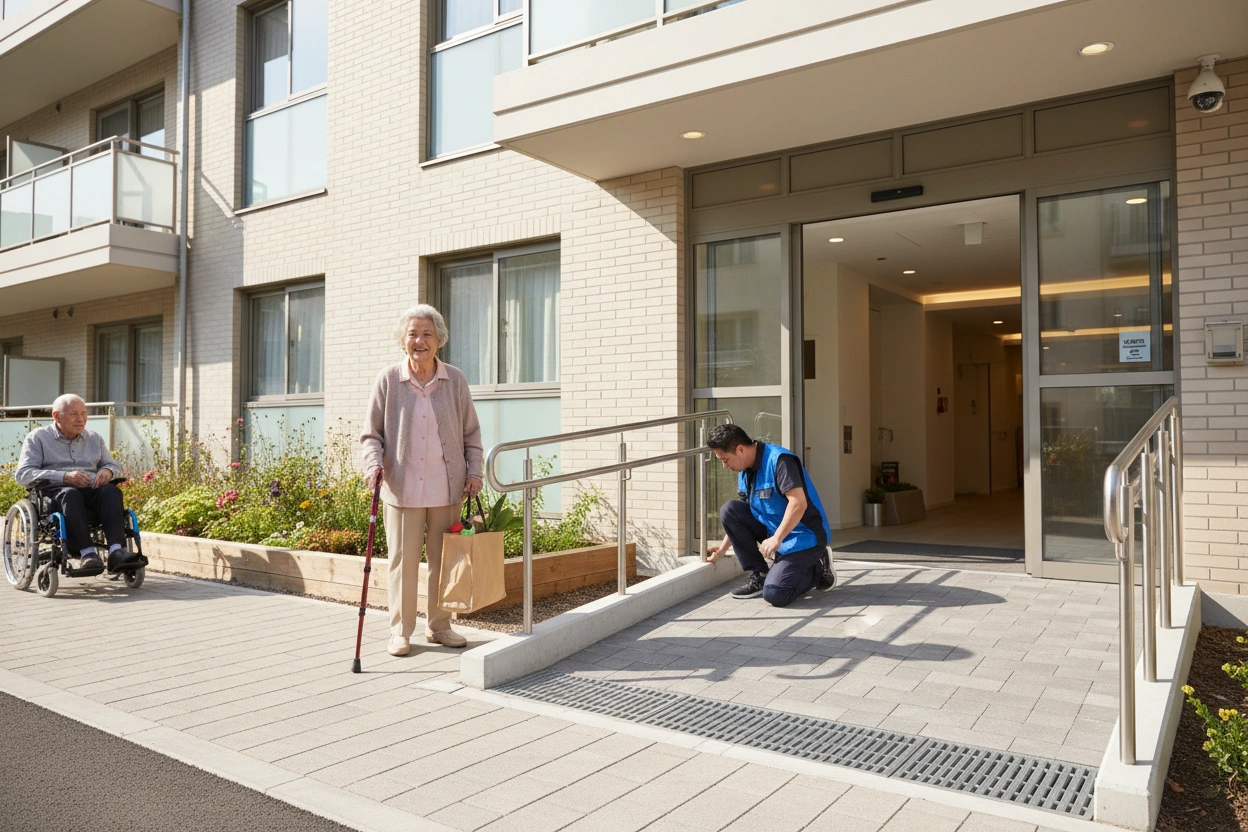
Supporting senior tenants means recognizing that their relationship with home has fundamentally shifted. You'll want to prioritize fall prevention through grab bars, non-slip flooring, and proper lighting. Small upgrades like lever-style door handles and motion-activated night lights make a meaningful difference. Communication matters just as much as the physical changes—approach safety conversations with sensitivity and frame them around routine maintenance. There's a lot more to take into account when building a truly safe, supportive rental environment.
Key Takeaways
- Install grab bars anchored into wall studs near toilets, showers, and tubs, ensuring each bar supports at least 250 pounds for reliable safety.
- Use slip-resistant flooring materials like textured vinyl or rubber, and address transitions between flooring types to prevent tripping hazards.
- Implement proactive maintenance checklists to identify potential safety risks early, including motion-activated night lights and lever-style door handles.
- Frame safety conversations around routine property maintenance rather than age or ability, using sensitivity to avoid patronizing communication.
- Keep tenants informed about maintenance timelines and follow through promptly, building trust and encouraging open dialogue about future concerns.
What Senior Tenants Actually Need From Their Rental
When a tenant gets older, their relationship with their home changes. Mobility aids, health considerations, and shifting communication preferences mean their needs evolve in ways that go beyond a typical maintenance request.
As a landlord, understanding that shift helps you support the whole person, not just the property.
Senior tenants often benefit from a home environment that accommodates limited mobility, reduces fall risk, and integrates technology assistance like smart locks or medical alert compatibility. Additionally, fostering long-lasting relationships with tenants can enhance their overall living experience.
Emotional support matters too—feeling heard and respected by their landlord builds trust and retention.
You can also connect tenants with community resources and encourage social engagement by maintaining shared spaces well.
When you treat their home as a place that actively supports their life, everyone benefits.
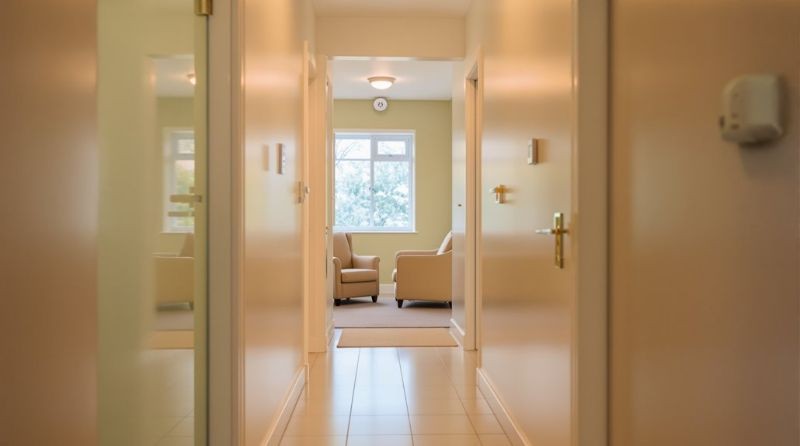
Bathroom Safety Upgrades That Prevent Serious Falls
The bathroom is where fall risks are highest for senior tenants, and a few targeted upgrades can make a significant difference.
Grab bars near the toilet and inside the shower give seniors reliable support at the moments they need it most, while non-slip flooring removes the hidden hazard of wet, slick surfaces.
If your property's setup allows it, converting a standard tub to a walk-in shower can eliminate one of the most dangerous obstacles seniors face daily. Additionally, regular communication about responsibilities for maintenance can help ensure that safety upgrades are promptly addressed and maintained.
Grab Bar Installation Essentials
Bathroom falls send over 235,000 people to the emergency room each year, and senior tenants face the highest risk. Following proper installation guidelines and choosing the right grab bar materials makes a real difference.
Effective grab bar installation requires attention to several key factors:
- Stud anchoring: Always mount bars into wall studs or use toggle bolts rated for 250+ pounds.
- Grab bar materials: Stainless steel and chrome-plated brass offer durability and corrosion resistance.
- Strategic placement: Install bars near the toilet, inside the shower, and along the tub entry.
- Weight capacity: Confirm each bar supports at least 250 pounds before installation.
Getting these details right protects your tenants and reduces your liability.
A property specialist can assess your bathroom layout and handle installation correctly.
Non-Slip Flooring Solutions
Wet floors are one of the leading causes of bathroom falls among senior tenants, but the right flooring solutions can dramatically cut that risk.
When evaluating flooring types, prioritize slip resistant materials like textured vinyl, matte ceramic tile, or rubber flooring—all of which maintain traction even when wet.
If full replacement isn't practical, anti-slip adhesive strips or non-slip bath mats with suction backing offer an effective, lower-cost alternative.
Pay attention to changes between flooring surfaces too, since uneven edges create tripping hazards for seniors with limited mobility.
Your dedicated RentalRiff property specialist can assess your bathroom's current flooring conditions and recommend the most practical upgrades for your tenants' safety, keeping your property both accessible and well-maintained.
Walk-In Shower Benefits
Walk-in showers are one of the most impactful upgrades you can make for senior tenants who struggle with traditional tub-shower combinations.
Stepping over a tub edge is a leading cause of bathroom falls, and walk-in designs eliminate that risk entirely. Choosing the right shower materials also reduces slip hazards and simplifies cleaning.
Key benefits of walk-in shower upgrades include:
- Zero-threshold entry removes the dangerous step-over barrier
- Textured shower materials like matte tile provide better grip underfoot
- Wider openings accommodate walkers or wheelchairs if needed
- Built-in seating options within walk-in designs allow tenants to shower safely without standing
These upgrades protect your tenants, reduce liability, and make your property more attractive to the growing senior renter demographic.
Entry, Flooring, and Mobility Hazards to Address First
When a senior tenant moves in—or as they age in place—the entry, flooring, and movement pathways through the home deserve your earliest attention.
Entry modifications like threshold ramps, wider doorframes, and lever-style door handles make a meaningful difference for tenants using mobility aids such as walkers or wheelchairs.
Inside, loose rugs, uneven shifts between flooring types, and slippery surfaces create serious fall risks. Securing or removing rugs, adding non-slip treatments to hard floors, and ensuring smooth shifts between rooms reduces that danger considerably.
Good lighting along these pathways matters just as much as the surfaces themselves. Addressing these areas first gives your senior tenant a safer foundation throughout the home and signals that their comfort and wellbeing are priorities from day one. Additionally, conducting regular inspections can help identify potential hazards before they become serious issues.
Lighting, Hardware, and the Small Fixes That Matter
A few small upgrades to lighting, hardware, and fixtures can dramatically reduce daily frustration and risk for senior tenants.
Thoughtful lighting options and hardware upgrades don't require major renovations—they just require attention to detail.
Consider prioritizing these improvements:
- Motion-activated night lights in hallways, bathrooms, and stairwells to reduce nighttime fall risks
- Lever-style door handles instead of round knobs, which are easier to grip with limited hand strength
- Rocker light switches that are simpler to operate than standard toggle styles
- Bright, glare-free bulbs in task areas like kitchens and bathrooms where visibility matters most
These targeted hardware upgrades and lighting options signal to your senior tenants that you're invested in their comfort and safety—building trust while actively protecting your property. Regular maintenance of essential systems, such as septic systems, ensures that your property remains a safe and habitable environment for all tenants.
How to Talk to Senior Tenants About Home Safety
When safety concerns come up with senior tenants, how you approach the conversation matters just as much as what you say.
You'll want to frame updates and improvements as routine property care rather than a response to their age or limitations, which helps keep the conversation respectful and collaborative.
Leading with practical language—like "we're making some upgrades to improve comfort and reduce wear on the unit"—lets you address real risks without making tenants feel singled out or alarmed. Additionally, maintaining open communication ensures that tenants feel comfortable discussing their needs and concerns.
Starting Safety Conversations Respectfully
Bringing up home safety with a senior tenant requires sensitivity—it's easy for the conversation to feel patronizing if it's not handled thoughtfully. Sensitivity training helps property specialists approach these discussions with genuine respect.
Frame the conversation around the property, not the person's age or abilities.
Use respectful dialogue by:
- Leading with maintenance language — "We're checking safety features throughout our properties" removes any personal focus.
- Asking questions first — Let the tenant share concerns before offering solutions.
- Listening without assumptions — Avoid presuming what they need based on age alone.
- Offering options, not directives — Present improvements as available choices, not requirements.
This approach builds trust, keeps tenants comfortable, and makes it far more likely they'll raise future concerns openly.
Addressing Concerns Without Alarm
Once a conversation is underway, how you respond to a senior tenant's concerns can shape whether they feel supported or anxious.
Prioritize active listening and avoid minimizing what they share. Strong senior communication means acknowledging the issue clearly, explaining what steps come next, and following through promptly.
When you receive tenant feedback about a safety issue—whether it's a loose railing or poor lighting—treat it as valuable information rather than a complaint.
Frame your response around solutions, not problems. Instead of saying "that's a serious hazard," try "we'll get that fixed quickly so it's not a worry."
Keeping your tone calm and your timeline transparent helps senior tenants feel confident that their home is being looked after.
Staying Ahead With Preventative Senior-Friendly Maintenance
Staying ahead of maintenance issues matters even more when your tenants are seniors. Using preventative checklists and consistent maintenance schedules helps you catch problems before they become safety hazards.
Small oversights can quickly become serious risks for older tenants with limited mobility or slower reaction times.
Prioritize these senior-focused preventative tasks:
- Test grab bars and handrails regularly for stability and secure anchoring
- Inspect lighting in hallways, stairwells, and entryways to guarantee adequate brightness
- Check flooring for loose edges, uneven surfaces, or worn areas that increase fall risk
- Examine door and window hardware for smooth, low-effort operation
Scheduling these checks proactively keeps your property safer and shows your senior tenants you genuinely care about their well-being—not just the unit itself. Additionally, implementing preventative maintenance ensures that minor issues are addressed before they escalate into significant problems.
Frequently Asked Questions
Can I Require Senior Tenants to Allow Regular Safety Inspections?
You can conduct safety inspections, but you'll need to respect tenant rights by providing proper notice. Agreeing on inspection frequency upfront in the lease helps guarantee senior tenants feel comfortable and secure.
Who Pays for Accessibility Modifications Requested by Senior Tenants?
It depends on the situation. Generally, you're responsible for modifications that meet fair housing requirements, while tenants can fund personal accessibility upgrades. Understanding tenant rights and available funding sources helps you navigate cost-sharing arrangements fairly.
Does Adding Grab Bars Affect My Rental Property's Resale Value?
Grab bars don't typically hurt your resale value—they can actually appeal to buyers seeking accessible homes. They enhance tenant comfort, and with proper installation that preserves property aesthetics, they're a smart, solutions-focused addition to your rental.
Are Landlords Legally Required to Make Accommodations for Senior Tenants?
Under fair housing laws, you're required to provide reasonable accommodations for senior tenants when requested. Respecting tenant rights protects you legally and fosters positive relationships. Your RentalRiff specialist can help you navigate these obligations confidently and compassionately.
Can Accessibility Upgrades Help Lower My Rental Property Insurance Premiums?
Yes, accessibility upgrades can influence your insurance discounts! Insurers often factor safety improvements into their risk assessment, and features like grab bars or better lighting may reduce your premiums. Check with your provider for specifics.
Conclusion
Supporting senior tenants doesn't have to feel overwhelming. When you take a proactive approach to accessibility and safety, you're not just maintaining a property — you're protecting someone's independence and dignity. Start with the highest-impact upgrades, keep communication open, and build senior-friendly checks into your regular maintenance routine. Small, thoughtful changes can make an enormous difference in your tenants' daily lives, and that's something worth investing in.