

Booking your heating repairs in October keeps you ahead of the vendor crunch that hits every November. Once temperatures drop, HVAC technicians prioritize emergency calls over routine tune-ups, and appointment slots disappear fast. Waiting just four to six weeks can push your service costs up 20–35% above standard rates. Systems that sat idle all summer are already at risk. The sections below break down exactly what's at stake and how to stay ahead of it.
Key Takeaways
- HVAC vendors reach full capacity before Thanksgiving, making October the last window for guaranteed scheduling without competing against emergency repair backlogs.
- November shifts vendor focus toward emergency heating calls, causing routine maintenance appointments to be repeatedly bumped or dropped entirely.
- Booking in October locks in standard pricing, avoiding the 20–35% cost increase that follows as temperatures drop.
- Mid-winter emergency repairs carry labor premiums of 40–60% above standard rates, plus potential legal costs for tenant displacement.
- Established vendor relationships and early scheduling audits secure priority slots before cold weather triggers peak demand.
Why HVAC Vendors Book Up Before Thanksgiving?
Every fall, HVAC vendors across Seattle, Portland, Denver, and other major markets hit full capacity weeks before Thanksgiving—and it's not a coincidence. Seasonal trends follow a predictable pattern: temperatures drop in October, systems that sat idle all summer start failing, and service requests spike overnight.
Vendor scheduling tightens fast because qualified HVAC technicians are a limited resource. Most contractors run lean crews year-round and can't scale up quickly when demand surges. Homeowners, property managers, and landlords all compete for the same appointment slots simultaneously. Units that missed seasonal HVAC inspections at the start of the dry season are especially prone to failure once heating demands increase, adding even more pressure to an already strained service pipeline.
Why HVAC Vendors Skip Tune-Ups Once November Hits?
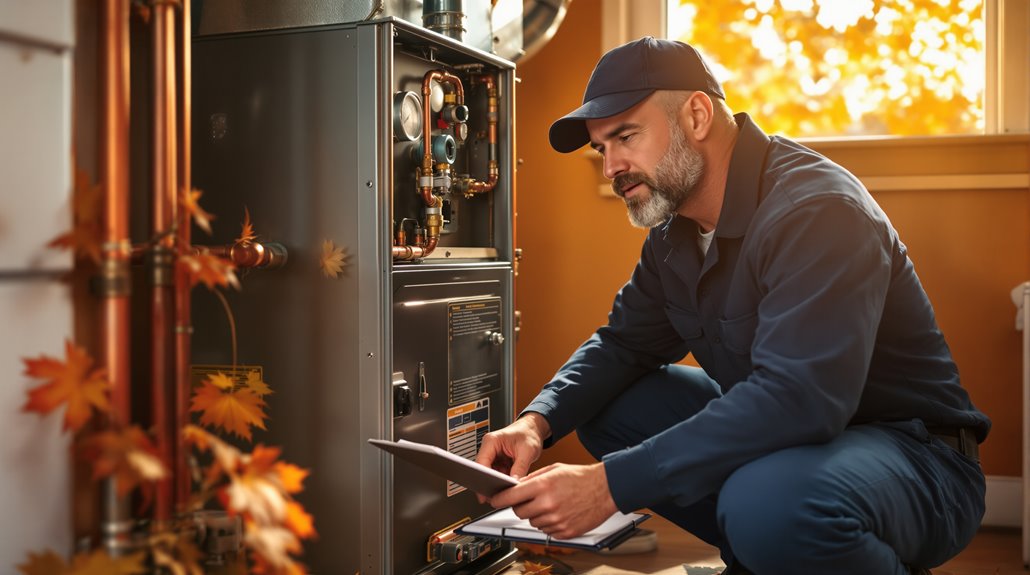
Once November arrives, HVAC vendors shift their focus almost entirely to emergency heating calls, which means tune-up appointments get pushed aside or dropped from the schedule altogether. You'll find that vendors simply can't justify holding tune-up slots when a tenant's furnace is out and temperatures are dropping. If you haven't scheduled preventative maintenance before the cold season hits, you're unlikely to find a vendor willing to fit it in. Delayed repairs don't just inconvenience tenants — they drive tenant turnover costs that far exceed what proactive maintenance would have cost in the first place.
Demand Overwhelms Tune-Up Slots
By November, most HVAC vendors have stopped booking tune-ups entirely—not because they don't want the work, but because emergency repair calls have already consumed their schedules. When temperatures drop suddenly, furnace failures spike overnight. Vendors pivot to urgent breakdowns because those jobs bill at higher rates and carry greater liability if delayed.
That shift in priority kills tune-up timing for landlords who waited. Vendor availability collapses fast—a technician handling three emergency calls a day has no room for a two-hour preventative visit. You're not just competing with other landlords at that point; you're competing with frozen pipes, no-heat violations, and tenants threatening lease breaks. October gives you a window. November takes it away. Landlords who delay heating repairs also face the reality that minor issues escalate into costly emergencies that drain cash flow and threaten the long-term viability of their investment.
Emergency Calls Take Priority
When a furnace fails at 11 p.m. in January, an HVAC technician isn't scheduling it for next week—they're rolling out that night. Emergency protocols completely restructure vendor schedules once cold snaps arrive, pushing routine tune-ups indefinitely. Your non-urgent booking gets bumped—repeatedly.
Here's what that means for your rental:
- Tenant communication breaks down when heating fails and you can't confirm a repair window.
- Vendors deprioritize maintenance calls the moment emergency dispatches start stacking up.
- Your property sits unserviced while technicians handle failures across dozens of other homes.
Neglecting winter maintenance—including heating—can also expose landlords to liability claims from injuries if tenants are harmed by unsafe conditions resulting from unaddressed property failures.
October bookings exist before emergency protocols dominate vendor capacity. Once November hits, you're not competing with other landlords—you're competing with frozen pipes and failed furnaces.
How October Heating Repair Rates Compare to Peak-Season Prices?
October sits in a pricing sweet spot for heating repairs—vendor rates haven't yet spiked to the premium levels that define November through February, when demand consistently outpaces availability. Seasonal trends show that repair frequency climbs sharply once temperatures drop below freezing, pushing vendors to prioritize emergency calls and charge accordingly.
In October, vendor availability remains relatively open, which means you're not competing against a backlog of urgent service requests. That competition is exactly what drives peak-season pricing higher. Scheduling routine inspections and non-emergency repairs now lets you lock in standard rates before cold weather tightens the market. Waiting even four to six weeks can mean paying 20–35% more for the same service scope. Industry data suggests that annual maintenance costs typically range from 1% to 4% of a property's value, meaning deferred heating repairs during peak season can push landlords toward the higher end of that spectrum.
What a Heating Failure Mid-Winter Actually Costs a Landlord
A mid-winter heating failure doesn't just mean an emergency service call—it triggers a chain of financial and legal obligations that can far exceed what routine maintenance would have cost. When heating costs spike and vendor availability collapses, you're facing more than repair bills:
- Emergency labor premiums — Winter repairs during peak demand can run 40–60% above standard rates, often with mandatory after-hours fees.
- Tenant relocation costs — Many states legally require you to cover alternative housing if heating fails during cold months.
- Lease termination exposure — Prolonged outages give tenants legal grounds to break their lease without penalty.
Scheduling heating maintenance in October eliminates all three risks before winter locks you into someone else's emergency timeline. Proactive maintenance costs are consistently lower than reactive repairs, and reviewing your annual repair history by category can reveal just how much emergency HVAC calls are inflating your annual expenses.
How to Schedule Heating Repairs Before the Rush?
Scheduling heating repairs before Q4 vendor queues fill up means booking inspections and tune-ups in late August or September, before contractors shift into emergency-response mode. If you wait until the first cold snap hits, you're competing with every other landlord in your market for the same limited technician slots. Locking in preventative maintenance now keeps you out of that scramble and gives your property specialist time to identify issues before they turn into mid-winter emergencies. Proactive scheduling also aligns with quarterly HVAC filter changes and biannual plumbing checks, ensuring your property systems are fully serviced and documented well before winter demand peaks.
Book Early, Win Fast
Once Q4 hits, HVAC contractors book up fast—so if you haven't scheduled your heating system inspection and any needed repairs yet, now's the time to act. Early scheduling isn't just smart—it's the difference between a warm tenant and an emergency call at midnight in November.
Here's how proactive maintenance pays off:
- October slots are still open—November and December waitlists stretch weeks out, leaving tenants without heat during peak cold.
- Repairs cost less now—emergency service rates spike when demand surges.
- You stay in control—scheduling on your terms beats scrambling when a system fails mid-winter.
Properties that commit to scheduled maintenance can reduce emergency repair costs by 40%, making October the ideal month to lock in your heating service before demand drives up both prices and wait times.
Contact your property specialist today, confirm your heating system's status, and get on the calendar before those open slots disappear.
Prioritize Preventative Scheduling Now
Getting ahead of the rush means more than just calling your HVAC contractor early—it means building a scheduling strategy that keeps your properties covered before demand locks out availability. Start by auditing each unit's heating system history and flagging anything that skipped last year's preventative maintenance cycle. From there, sequence your bookings by risk level—older systems and high-occupancy units first.
Build seasonal readiness into your Q3 close-out process so October inspections become automatic, not reactive. Coordinate with your property specialist to consolidate service visits across multiple units when possible—vendors prioritize bulk scheduling. Confirm appointment windows in writing and get parts lead times upfront. One proactive scheduling cycle now eliminates the tenant complaints, emergency premiums, and availability gaps that November almost always delivers.
How a Property Specialist Handles HVAC Vendor Coordination for You?
When Q4 hits and HVAC vendors start booking up fast, your dedicated property specialist steps in to manage the coordination so you don't have to. Leveraging established vendor relationships and proven maintenance strategies, they act fast before waitlists form.
Here's what that looks like in practice:
- Scheduling audits early — Your specialist identifies which units need heating inspections before October ends, not after the first cold snap.
- Locking in priority slots — Existing vendor relationships mean your property jumps ahead of owners scrambling in November.
- Tracking every open work order — Nothing falls through the cracks while you focus on other priorities.
You get fewer emergencies, happier tenants, and a property that's ready before winter demand peaks.
Frequently Asked Questions
Which Rentalriff Service Areas Experience the Worst Q4 HVAC Shortages?
Denver, Portland, and Seattle hit the hardest Q4 shortages due to cold snaps spiking HVAC demand simultaneously. You'll want to schedule heating repairs in October before November waitlists stretch vendor availability thin across these markets.
Can Tenants Request Heating Repairs Directly, or Only Through Landlords?
Your tenants can submit repair requests directly through their dedicated RentalRiff property specialist. This protects tenant rights and speeds up scheduling, so you don't lose time waiting for heating issues to escalate during peak Q4 demand.
Does Rentalriff Handle Emergency Heating Failures Outside Normal Business Hours?
Yes, RentalRiff's dedicated property specialists handle emergency response for heating failures through after hours service. If your heating system fails unexpectedly, you're covered around the clock, keeping your tenants comfortable and your property protected year-round.
What Heating System Brands or Types Do Vendors Most Commonly Service?
Vendors most commonly service furnace brands like Carrier, Lennox, and Trane, plus boiler types including steam and hot water systems. You'll find scheduling these repairs in October guarantees you're securing the technicians who know your specific system best.
How Long Does a Typical October Heating Tune-Up or Repair Take?
A tune-up duration typically runs one to two hours in October. You'll benefit from peak repair efficiency since vendors aren't overbooked yet, letting your specialist schedule and complete work quickly without delays.
Conclusion
October's your window — and it's closing. Once November arrives, you're competing with hundreds of other landlords for a shrinking pool of available HVAC contractors, paying inflated rates, and risking habitability violations you can't afford. Book your heating inspections now while vendor calendars are open, pricing is predictable, and turnaround times are manageable. One proactive scheduling decision today eliminates weeks of reactive scrambling when temperatures actually drop.