
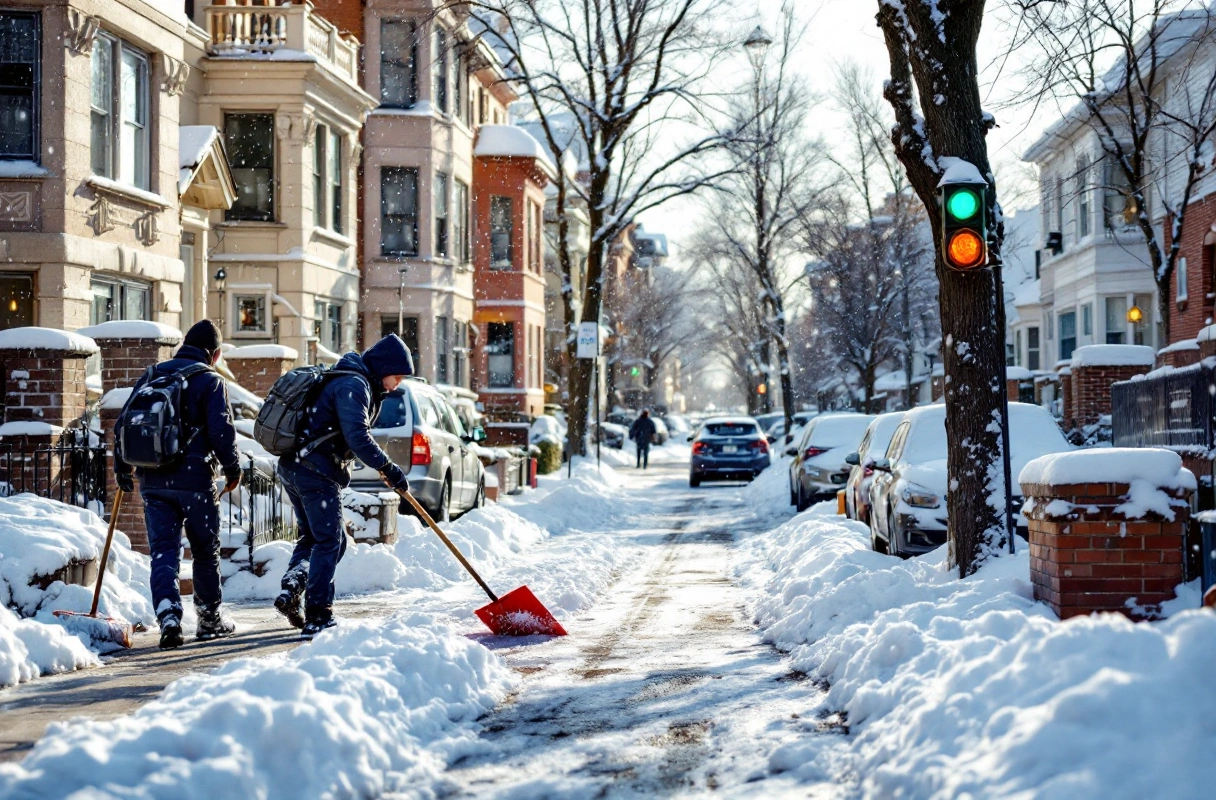
As winter blankets Denver in snow, landlords face unique challenges in maintaining safe and accessible properties. The accumulation of snow and ice can create hazardous conditions for tenants and visitors alike. This guide will explore essential snow shoveling practices, city ordinances, and landlord responsibilities to ensure compliance and tenant safety.
Understanding Denver's Snow Removal Regulations

Denver has specific city ordinances related to snow removal that landlords must adhere to in order to maintain safe environments for their tenants. According to Denver's Municipal Code, property owners are responsible for clearing snow and ice from sidewalks adjacent to their properties within 24 hours after a snowfall. Failure to comply with these regulations can lead to fines and other penalties, which can add unnecessary costs to property management.
The importance of adhering to local laws cannot be overstated. Not only does compliance protect landlords from financial repercussions, but it also demonstrates a commitment to tenant safety. When landlords maintain their sidewalks, they contribute to the overall safety and accessibility of the community. This practice not only fosters good relations with tenants but also enhances the property’s reputation.
Landlord Responsibilities During Winter Months
Defining the scope of landlord duties in snow management is crucial for independent landlords and small property owners. In addition to clearing sidewalks, landlords must ensure that common areas, such as parking lots and walkways, are adequately maintained. This includes salting or sanding to prevent slips and falls. Regular inspections of the property should be conducted to identify any areas that may require additional attention.
Neglecting snow removal responsibilities can lead to severe consequences. Apart from potential fines from the city, landlords may face liability claims if a tenant or visitor is injured due to unsafe conditions. In such cases, landlords can be held accountable for damages, which can be financially devastating. Understanding these responsibilities is essential for maintaining both legal compliance and tenant satisfaction.
Best Practices for Effective Snow Shoveling

Implementing effective snow shoveling strategies can make the winter maintenance process more manageable. Here are several best practices to consider:
- Create a Snow Removal Plan: Outline specific areas that need to be cleared and establish a timeline for snow removal after each snowfall. This plan should include both immediate actions and ongoing maintenance.
- Use the Right Tools: Invest in quality snow shovels and snow blowers to ensure efficiency. Ergonomic shovels can reduce strain on the back and make the task less physically demanding. Additionally, a snow blower can significantly speed up the process, especially for larger properties.
- Prioritize Safety: Always wear appropriate footwear with good traction while shoveling. Consider using salt or sand to improve traction on icy surfaces. It may also be beneficial to hire professional services for larger properties, especially in cases of heavy snowfall.
By following these best practices, landlords can ensure that their properties remain accessible and safe during winter months.
Navigating Liability Issues Related to Snow Removal
Understanding snow removal liability in Denver is essential for landlords looking to mitigate risks. If a tenant or visitor slips and falls on an uncleared sidewalk, the landlord could be held liable for injuries sustained. This liability emphasizes the importance of proactive snow removal and maintenance.
To protect yourself from potential lawsuits, consider implementing a systematic approach to snow management. This includes keeping a log of snow removal activities, documenting weather conditions, and maintaining communication with tenants regarding snow management plans. Additionally, having adequate liability insurance can provide an extra layer of protection against unforeseen incidents.
Landlords should also familiarize themselves with local laws regarding liability. In Denver, the law stipulates that property owners are responsible for maintaining safe conditions on their premises. Therefore, demonstrating a diligent approach to snow removal can help mitigate liability risks and protect the landlord’s interests.
The Intersection of Snow Management and Tenant Safety
Maintaining safe sidewalks and adhering to city ordinances is essential for landlords in Denver. The responsibilities associated with winter maintenance not only protect tenants but also enhance the overall value of the property. Understanding snow removal regulations and implementing best practices can create a safe environment for everyone.
As an independent landlord or small portfolio property owner, navigating the complexities of winter maintenance can feel overwhelming. However, with the right strategies and support, it becomes manageable. RentalRiff offers resources and guidance tailored for landlords looking to ensure tenant safety while maintaining compliance with local laws.