

Managing a Portland ADU means you're dealing with compact, interconnected systems that demand more attention than standard rentals. Mini-split HVAC units, tankless water heaters, and tight electrical panels all require consistent servicing to avoid costly failures. Aging infrastructure, moisture management, and city-specific permitting add another layer of complexity. Seasonal inspections aren't optional—they're essential for protecting your investment and staying compliant. Keep exploring to understand exactly what responsible ADU ownership requires.
Key Takeaways
- ADUs have compact, interconnected systems where plumbing, electrical, and HVAC issues often affect each other, requiring specialized maintenance knowledge.
- Mini-split HVAC units and tankless water heaters demand regular servicing to maintain efficiency and prevent costly failures.
- Seasonal inspections of gutters, downspouts, drain lines, and crawl spaces help catch moisture and drainage problems early.
- Interior humidity above 60% signals a problem; proper foundation grading and downspout placement are critical moisture controls.
- Professional property management helps ADU landlords navigate Portland's permit requirements, coordinate vendors, and maintain compliance efficiently.
Why Portland ADUs Come With Unique Maintenance Demands
Portland's ADU boom has created a wave of new rental units—but smaller square footage doesn't mean smaller maintenance responsibilities.
In fact, ADUs come with unique challenges that traditional rentals often don't face. Compact systems mean plumbing, electrical, and HVAC components are packed tightly together—when one thing fails, it can affect everything else quickly.
Many Portland ADUs also sit on older lots with aging infrastructure, which adds another layer of complexity.
You're also maneuvering through city-specific permitting requirements and utility setups that differ from standard single-family rentals.
Tenant communication becomes especially critical in these situations because ADU tenants often share outdoor spaces or utility connections with primary units.
Staying ahead of problems before they escalate is the only practical approach when managing an ADU in Portland. Regular septic system maintenance is essential to prevent costly repairs and ensure a habitable living environment for tenants.
ADU-Specific Systems That Need Regular Attention
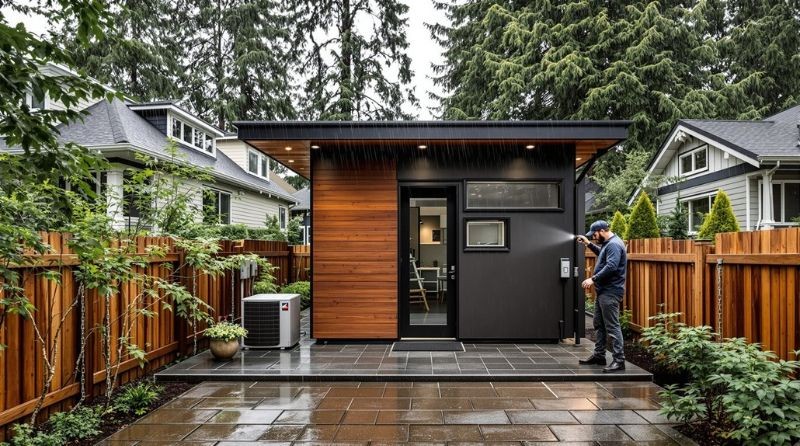
Because ADUs pack so much into a small footprint, certain systems require more frequent attention than you'd give a standard rental. Mini-split HVAC units, tankless water heaters, and compact electrical panels are common in ADUs—and each demands regular servicing to maintain energy efficiency and avoid costly failures.
Regular HVAC maintenance, including seasonal check-ups, is essential to ensure optimal performance and tenant satisfaction.
Utility management is another area to stay on top of, especially if your ADU shares meters with the primary residence. Submetering or clear lease language around utility splits can prevent tenant disputes and billing confusion.
Ventilation is frequently overlooked in smaller units, leading to moisture buildup and mold. Drain lines, sump systems, and crawl spaces also need seasonal checks.
Staying proactive with these systems keeps your ADU performing well and your tenant satisfied.
The Most Common ADU Repairs Portland Landlords Face
Even with a well-built ADU, certain repairs show up repeatedly for Portland landlords.
Plumbing and drainage problems are among the most frequent, especially in detached or garage-conversion units where aging pipes or insufficient slope can cause slow drains, leaks, or backflow issues.
Portland's wet climate also makes weatherproofing and moisture damage a constant concern, as improperly sealed windows, doors, and rooflines can lead to water intrusion that damages walls, flooring, and insulation fast. Additionally, older buildings often lack modern insulation and sealing, making them more vulnerable to dampness.
Plumbing and Drainage Issues
Plumbing and drainage problems top the list of repair calls for Portland ADU landlords, and the city's wet climate is largely to blame.
Older detached ADUs often run on extended pipe lines from the main home, increasing the risk of pressure drops, leaks, and slow drains.
Prioritize leak detection early—catching a small drip before it damages subfloor framing can save you thousands. Proper pipe insulation is equally critical, especially in garage conversions and detached units with limited thermal protection during cold snaps.
Interior ADUs face their own challenges, including shared drain lines that can back up when tenant usage increases.
Establish a seasonal plumbing inspection schedule and document all repairs. Staying ahead of these issues protects your investment and keeps your tenant's experience from turning into a liability.
Weatherproofing and Moisture Damage
Moisture doesn't stop at your pipes. Portland's rainfall creates persistent weatherproofing challenges that ADU landlords can't afford to ignore. Poorly sealed windows, inadequate roofing, and compromised flashing invite water intrusion that quietly destroys insulation, framing, and drywall before you notice visible damage.
Your ventilation strategies matter as much as your building envelope. Without proper airflow in bathrooms, kitchens, and crawl spaces, trapped humidity breeds mold—triggering Portland's strict habitability standards and potential tenant complaints.
Evaluate your insulation options carefully, since ADUs often use unconventional construction methods that leave thermal gaps. Spray foam and rigid board insulation outperform fiberglass batts in tight ADU configurations.
Annual inspections of seals, vents, and roofing surfaces help you catch vulnerabilities before Portland's wet season turns minor issues into costly repairs.
Maintaining an ADU Without Disrupting Your Primary Tenant
When you're managing an ADU on the same lot as your primary residence or rental unit, keeping maintenance from bleeding into your tenant's daily life takes deliberate planning.
Proactive tenant communication sets expectations early—let tenants know about scheduled work in advance and confirm access windows in writing.
Maintenance scheduling matters too; cluster repairs during mid-week daytime hours when disruption is least likely.
Shared utilities, driveways, and yard access create friction points, so define boundaries clearly in your lease and revisit them before any project starts.
For larger repairs affecting shared systems, coordinate staging and contractor access carefully.
The tighter the lot, the more intentional you need to be about separating each unit's experience throughout the maintenance process. Clear expectations lead to smoother operations and increased tenant confidence, ensuring that everyone feels respected throughout the maintenance process.
Preventative Upkeep That Protects Your ADU Long-Term
Protecting your ADU long-term starts with a consistent seasonal inspection schedule that catches small issues before they become costly repairs.
In Portland's wet climate, moisture and drainage management deserve particular attention—poorly directed runoff or inadequate ventilation can quietly compromise your foundation, siding, and roof over time.
You'll want to inspect gutters, downspouts, crawl spaces, and exterior grading at least twice a year to stay ahead of water-related damage. Regular maintenance of gutter cleaning is essential to prevent structural issues and costly repairs due to water damage.
Seasonal Inspection Schedules
Portland's wet winters and dry summers create distinct seasonal stress points for ADUs, making a twice-yearly inspection schedule one of the most cost-effective habits you can build as a landlord.
Your inspection frequency should align with those changes — once in fall before the rain sets in, and once in spring after it tapers off.
Fall seasonal checklists should cover roof condition, gutters, weatherstripping, and HVAC readiness.
Spring checklists shift focus to drainage, foundation moisture, exterior paint, and any damage winter left behind.
For compact ADU structures, small issues escalate quickly, so catching them between tenancies or during low-occupancy periods saves you considerably.
Documenting each inspection also strengthens your position if disputes arise around security deposits or habitability complaints.
Moisture and Drainage Management
Of all the issues your seasonal inspections are likely to surface, moisture ranks at the top — and in Portland, it's rarely a one-season problem.
ADUs face compounded exposure risks, particularly detached units and basement conversions where drainage solutions and moisture barriers are non-negotiable, not optional upgrades.
Start with your grading. Soil should slope away from the foundation at least six inches over ten feet.
Check that downspouts discharge well clear of the structure and that crawl space moisture barriers remain intact and properly sealed.
Interior humidity levels above 60% signal a problem worth investigating immediately.
Portland's building code increasingly scrutinizes ADU moisture management, so staying ahead of deficiencies protects both your tenants and your investment.
When to Hire a Dedicated ADU Property Specialist
Managing an ADU on your own is manageable at first, but as tenant turnover increases, maintenance requests pile up, or you add a second unit, the workload compounds fast.
Without solid tenant communication strategies, small issues escalate into disputes or vacancy. Without deliberate ADU maintenance budgeting, deferred repairs quietly erode your returns.
A dedicated property specialist makes sense when you're spending more time coordinating vendors than managing your investment, when response times are slipping, or when Portland's permit and inspection requirements feel overwhelming.
RentalRiff assigns each property a specialist who handles repairs, tenant communication, and preventative upkeep directly, ensuring quick resolution of issues that can save you time and stress.
For Portland ADU landlords juggling multiple units or out-of-state obligations, that structure isn't a luxury—it's how you protect the asset.
Frequently Asked Questions
How Do ADU Rental Income and Expenses Affect My Portland Tax Filing?
You'll report ADU rental income on Schedule E, and you can claim tax deductions for maintenance, repairs, and depreciation. Consult a tax professional familiar with Portland's local regulations to maximize your deductions accurately.
Can I Legally Rent My ADU on Short-Term Platforms Like Airbnb in Portland?
You can rent your ADU on Airbnb, but Portland's short-term regulations require a license and owner-occupancy. Review your rental agreements carefully to guarantee you're compliant before listing your unit on any platform.
What Insurance Coverage Do I Need Specifically for a Portland ADU?
You'll need dedicated property insurance for your ADU as a separate structure, plus liability coverage protecting you if tenants are injured. Don't rely on your primary homeowner's policy—it typically won't cover rental-specific risks.
How Do Portland Zoning Laws Affect ADU Size and Rental Eligibility?
Portland's zoning regulations cap ADUs at 800 square feet or 75% of your primary home's size. They'll also influence your ADU design and determine rental eligibility based on lot size and owner-occupancy requirements.
Does Having an ADU Impact My Primary Home's Resale Value in Portland?
Yes, an ADU can boost your primary home's resale value. Portland's resale trends show buyers value income potential, and a well-maintained ADU strengthens neighborhood appeal, making your property more attractive and competitive on the market.
Conclusion
Your ADU isn't going to maintain itself, and Portland's rental market won't forgive neglect. Stay current on city code requirements, schedule inspections before problems escalate, and don't wait for tenant complaints to drive your maintenance decisions. You've already made the investment — now protect it. Build a reliable contractor network, document everything, and treat your ADU like the income-generating asset it is. Proactive upkeep isn't optional; it's what separates profitable landlords from ones constantly chasing repairs.