
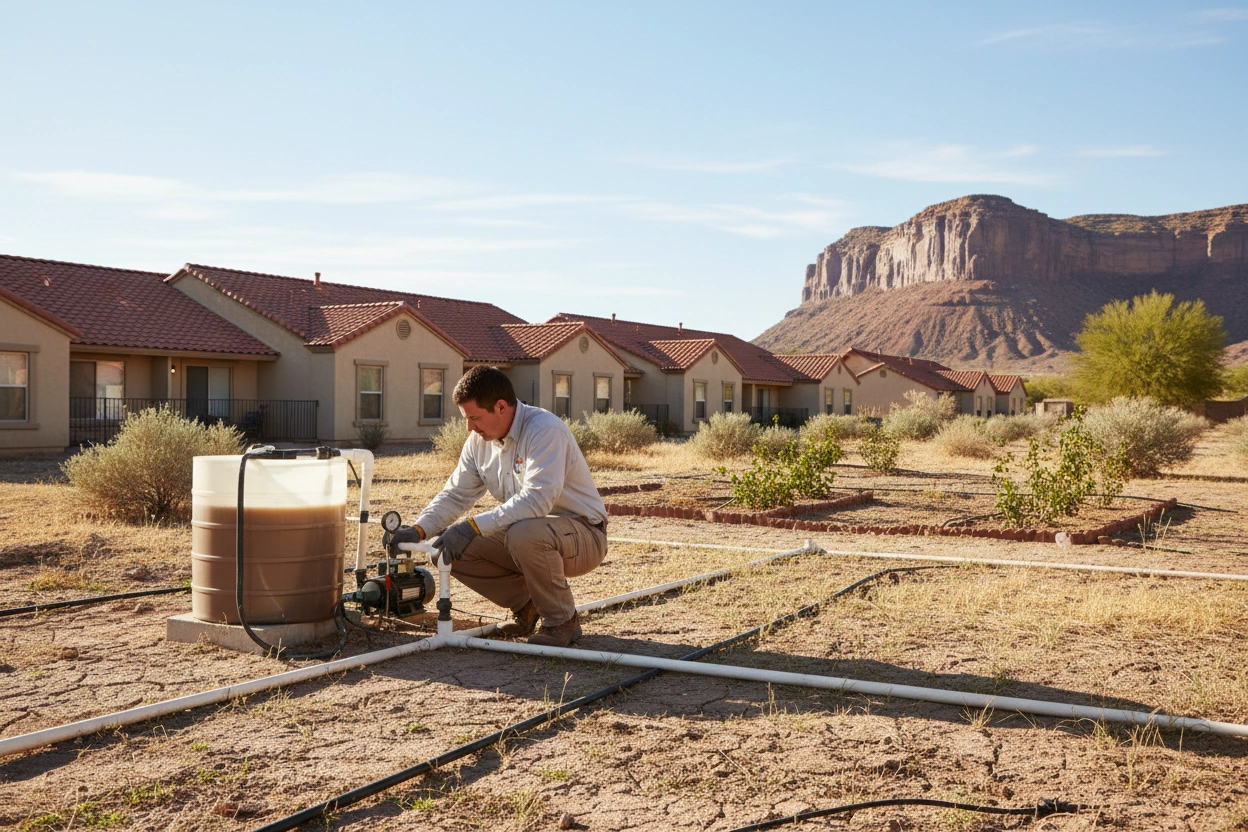
In dry climates, your rental's irrigation system takes a serious beating from UV exposure, high temperatures, and drought-driven demand cycles. You'll need seasonal inspections to catch failing emitters, cracked fittings, and shifted underground lines before they compound into costly repairs. Locking smart controller settings prevents tenant overrides while weather-responsive scheduling cuts water waste. Knowing when to handle repairs yourself versus calling a licensed technician makes all the difference—and the sections ahead break down exactly how to manage both.
Key Takeaways
- Seasonal inspections catch early failures by checking emitter output, pressure levels, valve boxes, and controller wiring damaged by heat and UV exposure.
- Smart controllers automate weather-responsive watering schedules, reduce water waste, lower utility costs, and can be PIN-protected to prevent tenant overrides.
- Dry climates accelerate wear on plastic fittings, valve seals, and tubing through UV degradation, frequent system operation, and soil contraction shifting underground lines.
- Tenants should handle simple DIY repairs like unclogging emitters, realigning heads, and replacing sprinkler bodies, but assess comfort level before attempting fixes.
- Pressure irregularities, backflow preventer failures, mainline leaks, and controller wiring faults require licensed irrigation technicians to avoid misdiagnosis and costly water waste.
Why Dry Climates Are Hard on Irrigation Systems
Dry climates put irrigation systems under a level of stress that milder regions simply don't. When rainfall is scarce and temperatures run high, your system operates more frequently and for longer durations, accelerating component wear.
UV exposure degrades plastic fittings, valve seals, and tubing faster than in cooler, wetter environments. Drought impact compounds this by drawing more demand from the system precisely when water pressure is most inconsistent, straining emitters and causing uneven distribution.
Soil contraction during dry periods also shifts underground lines, increasing the risk of joint separation and leaks. Without consistent inspection and maintenance, these conditions quietly erode irrigation system longevity. For rental properties specifically, reduced oversight makes this degradation worse, often going undetected until a costly failure forces your attention. Additionally, landlords should be aware of water conservation regulations that may require proactive measures to maintain their systems effectively.
Seasonal Inspection Checklist for Rental Properties
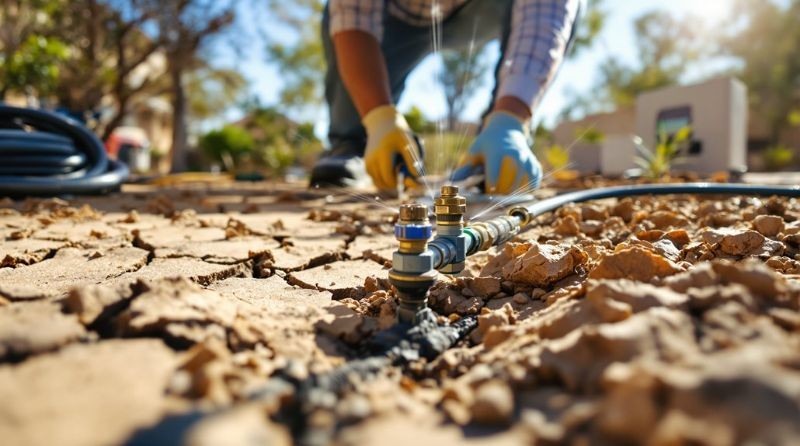
Because irrigation systems in dry climates degrade faster and with less visible warning, seasonal inspections aren't optional—they're your primary defense against compounding failures.
Running through a structured seasonal checklist twice yearly keeps small issues from becoming expensive ones.
Prioritize these three inspection points each season:
- Check emitter output and pressure — clogged or low-pressure zones mean your tenants' landscaping is quietly dying before you notice.
- Audit run times and irrigation adjustments — schedules set in spring won't match summer evaporation rates, and overwatering is just as damaging as under-watering.
- Inspect valve boxes and controller wiring — heat and UV exposure crack seals and corrode connections, turning a $12 fix into a $400 repair.
Document every inspection.
Patterns in your data predict failures before they happen.
Common Irrigation Problems Landlords Overlook
Even when landlords stay on top of seasonal inspections, two problems tend to slip through: clogged emitter buildup and neglected timer settings.
Mineral deposits and debris accumulate in drip emitters over time, restricting flow and causing dry patches that you might misread as a tenant watering issue.
Seasonal timer neglect compounds the problem—if you're not adjusting run times to match changing evapotranspiration rates, you're either overwatering in spring or underwatering in peak summer heat. Regular communication about tenant responsibilities for maintenance can help address these issues before they escalate.
Clogged Emitter Buildup
Clogged emitter buildup is one of the most common irrigation problems landlords miss because the symptoms develop gradually and rarely trigger an obvious complaint.
Mineral deposits, debris, and algae accumulate inside drip emitters over time, restricting flow without fully stopping it. That slow degradation means plants receive inconsistent water while your system appears functional.
Neglecting emitter maintenance and clog prevention costs you more than water efficiency:
- Dead landscaping forces expensive replacement before lease renewals
- Root stress from uneven watering accelerates plant decline tenants won't report
- Systemic pressure issues develop when multiple emitters restrict simultaneously
Flush emitters seasonally, inspect output rates individually, and replace units showing visible mineral scaling.
Consistent checks catch restrictions before they compound into larger irrigation failures.
Seasonal Timer Neglect
Emitter clogs affect what happens at the plant level, but seasonal timer neglect creates system-wide failures that compound every problem downstream.
Dry-climate rentals require consistent seasonal adjustments as temperatures shift, yet most landlords program a timer once and leave it unchanged for months. That static schedule overwaters in cooler seasons and underwaters during peak heat, stressing plants, wasting water, and inflating utility costs.
Timer malfunctions compound the problem further. Batteries die, power interruptions reset programming, and aging controllers drift off schedule without visible warning signs.
You won't catch these failures unless you're actively auditing run times against current weather conditions.
Audit your timer settings at each seasonal shift. Verify that programmed schedules reflect actual evapotranspiration rates, and replace aging controllers before they fail mid-season.
Smart Controllers and Water-Saving Upgrades Worth Installing
Upgrading to a smart irrigation controller lets you automate watering schedules based on real-time weather data, soil moisture levels, and seasonal conditions, which reduces water waste and lowers utility costs.
Many models integrate with apps like Rachio or RainBird, giving you remote control and usage reports without requiring on-site adjustments.
Pairing a smart controller with drip emitters, pressure regulators, and rain sensors compounds the efficiency gains and extends the lifespan of your system's components.
Smart Controller Benefits
Smart controllers replace traditional timer-based irrigation systems with weather-responsive technology that adjusts watering schedules based on real-time conditions.
This smart technology eliminates guesswork, improving irrigation efficiency by delivering water only when conditions require it.
Key benefits you'll see immediately:
- Reduced water waste: Controllers skip scheduled cycles during rainfall or high humidity, cutting unnecessary usage.
- Lower utility costs: Tenants and owners both notice measurable reductions in monthly water bills.
- Remote access and control: You can adjust schedules, monitor usage, and troubleshoot from any device without visiting the property.
These systems integrate with local weather stations to make automatic, data-driven adjustments.
For dry climates like Denver, Bend, or San Diego, that precision isn't optional—it's essential for protecting your landscaping investment year-round.
Water-Saving Upgrade Options
Beyond smart controllers, a few targeted hardware upgrades can greatly cut water consumption without overhauling your entire irrigation system.
Drip irrigation conversion ranks among the highest-impact changes you can make. Replacing spray heads with drip emitters in planting beds eliminates overspray, reduces evaporation, and delivers water directly to root zones. Expect 30–50% water reduction in converted zones.
Rain sensors are equally cost-effective. A wired or wireless rain sensor overrides scheduled cycles when measurable precipitation occurs, preventing redundant watering after storms. Installation costs are minimal, and most sensors integrate with existing controllers.
Pressure-regulating heads and flow meters round out a practical upgrade package. Pressure regulators prevent misting caused by excessive line pressure, while flow meters detect leaks and irregular usage before they inflate your utility costs.
How to Set Watering Schedules Tenants Won't Break
Even the most thoughtful irrigation setup fails if tenants override or ignore the schedule.
Prioritize tenant education from move-in day by providing clear, written watering guidelines specific to your property's climate zone and plant types.
Lock controller settings behind a PIN or enable smart controller restrictions that prevent manual overrides.
Then communicate the why behind the schedule—tenants respect rules they understand.
Include in your guidelines:
- What happens when they overwater: root rot, mold risk, higher utility bills they'll pay
- What drought stress looks like: dead landscaping they may be held financially responsible for
- Who to contact: their dedicated specialist handles adjustments—not them
Remove ambiguity, and tenants won't feel the need to intervene. Additionally, ensure that tenants understand the importance of proactive moisture management, as it can prevent costly repairs and health hazards.
When to Call a Pro vs. Fix It Yourself
Some irrigation issues are straightforward enough to handle yourself, but knowing where that line sits prevents a minor leak from becoming a flooded yard or a damaged controller.
DIY Repairs make sense for clogged emitters, misaligned heads, or replacing a single broken sprinkler body. These tasks require basic tools, no system shutdown, and minimal risk of compounding damage.
Call Professional Services when you're dealing with pressure irregularities, controller wiring faults, backflow preventer failures, or mainline leaks. These problems involve system-level diagnostics, code-compliant components, or pressurized lines that can escalate quickly without proper training.
In dry climates, a misdiagnosed issue wastes water and risks plant loss. If you're uncertain about the root cause, don't guess—get a qualified irrigation technician on-site before the problem spreads.
Frequently Asked Questions
Who Is Responsible for Irrigation Repairs, the Landlord or Tenant?
Landlords typically own irrigation responsibilities for system repairs, while you, as the tenant, hold tenant obligations like reporting issues promptly and avoiding misuse. Always review your lease to confirm your specific duties.
Can Irrigation Maintenance Affect My Rental Property's Insurance Coverage?
Yes, it can. Neglected irrigation systems carry insurance implications—your insurer may deny water damage claims if you don't meet policy requirements for routine upkeep. Document all maintenance to protect your coverage.
How Often Should Irrigation Systems Be Fully Replaced in Dry Climates?
You'll typically replace your irrigation system every 15–20 years, though climate impact in dry regions can shorten irrigation lifespan considerably. Inspect components annually and replace UV-degraded or cracked parts proactively to maintain efficiency.
Are Irrigation Upgrades Tax-Deductible for Rental Property Owners?
Irrigation upgrades can qualify for irrigation tax benefits as deductible expenses. As part of your property owner responsibilities, you'll want to consult a tax professional to confirm eligibility based on your specific rental property improvements.
Conclusion
Your irrigation system won't maintain itself, especially in a dry climate where every gallon counts. You've now got the inspection checklists, upgrade options, scheduling strategies, and repair thresholds to manage your system with precision. Apply these steps consistently across seasons, document what you find, and act fast when something's off. A well-maintained system protects your landscaping investment, controls water costs, and gives tenants fewer reasons to complain or leave.