
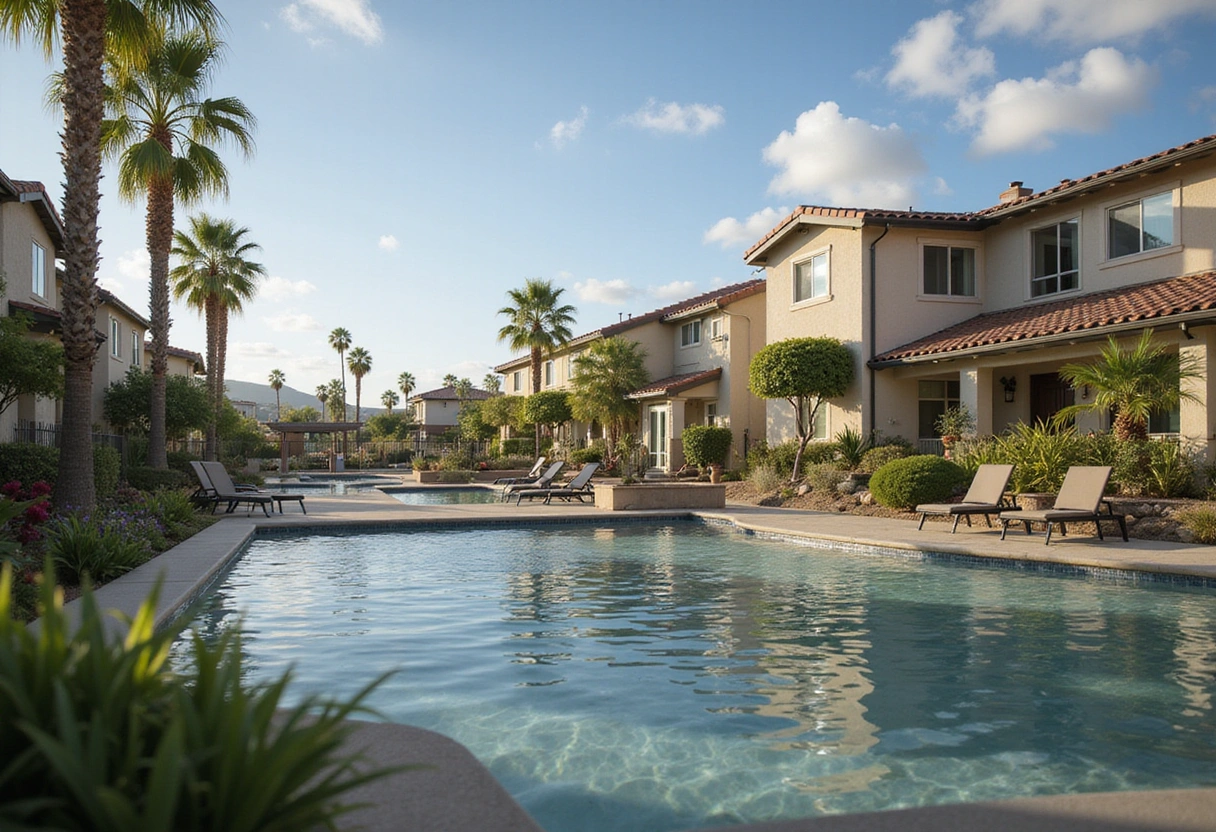
This article explores effective strategies for communicating water conservation rules to tenants in San Diego rentals, ensuring compliance with local regulations while promoting sustainable living.
Understanding San Diego's Water Conservation Regulations
Overview of California Drought Laws
California has been grappling with drought conditions for years, leading to the implementation of stringent water conservation laws. The state has enacted various regulations aimed at reducing water usage across residential, commercial, and agricultural sectors. The California Department of Water Resources has set guidelines that dictate how water should be conserved, which landlords must adhere to in their properties.
Landlords must be familiar with the California Water Code, which includes provisions on water use efficiency and restrictions during drought conditions. These laws often mandate the installation of water-saving fixtures, such as low-flow toilets and showerheads, and can include penalties for non-compliance. Understanding these regulations is vital for landlords to ensure they are not only compliant but also promoting responsible water use among their tenants.
Specific Rental Regulations in San Diego
In addition to state laws, San Diego has its own set of regulations regarding water conservation in rentals. The San Diego Water Department provides guidelines specifically tailored for residential properties, focusing on efficient water use and conservation practices. For instance, landlords are required to provide tenants with information about water-saving practices and the importance of conservation.
Landlords should also ensure that their properties are equipped with water-efficient appliances and fixtures. This includes irrigation systems that adhere to the city’s watering schedules and restrictions. By familiarizing themselves with these local regulations, landlords can effectively communicate the importance of water conservation to their tenants, ensuring compliance while fostering a culture of sustainability.
Effective Communication Strategies for Landlords
Importance of Clear Communication with Tenants
Effective communication is essential in establishing a mutual understanding of water conservation rules between landlords and tenants. Clear communication helps to set expectations and reduces the likelihood of misunderstandings that can lead to non-compliance with water-saving practices. Landlords should prioritize transparency when discussing water conservation rules, ensuring that tenants understand their responsibilities and the rationale behind them.
Landlords can utilize various communication methods to convey these rules effectively. This includes providing written materials, such as brochures or welcome packets, that outline water conservation practices and expectations. Additionally, regular reminders through email or community meetings can reinforce these messages and keep water conservation at the forefront of tenants' minds.
Methods for Conveying Water Conservation Rules
There are several practical methods landlords can employ to communicate water conservation rules effectively.
- Welcome Packets: Include information about water-saving practices, local regulations, and tips for reducing water usage.
- Signage: Place informative signs near faucets and toilets that remind tenants to conserve water.
- Workshops: Host workshops or informational sessions on sustainable living and water conservation techniques.
- Digital Communication: Utilize email newsletters or tenant portals to share updates and tips on water conservation.
By employing these strategies, landlords can create a culture of water conservation that resonates with tenants, encouraging them to adopt sustainable practices in their daily lives.
Promoting Sustainable Living in Rental Properties
Encouraging Tenants to Adopt Water-Saving Habits
One of the most effective ways to promote sustainable living in rental properties is by encouraging tenants to adopt water-saving habits. Landlords can lead by example, demonstrating their commitment to sustainability through their own practices. Simple actions, such as reporting leaks promptly and using water-efficient appliances, can set a standard for tenants to follow.
Landlords can also provide resources that help tenants understand how to save water. For instance, sharing information on simple changes, such as taking shorter showers, using dishwashers instead of hand washing, and turning off the tap while brushing teeth, can empower tenants to make a positive impact on water conservation.
Showcasing Water-Saving Appliances
Integrating water-saving appliances into rental properties not only aids in conservation efforts but also enhances the property's appeal. Landlords should consider installing high-efficiency washing machines, low-flow showerheads, and dual-flush toilets. These appliances not only reduce water usage but can also lower utility bills, making rentals more attractive to prospective tenants.
When showcasing these appliances, landlords should highlight their benefits, both in terms of water conservation and cost savings. This can be communicated through property listings, tours, and tenant communications, emphasizing how adopting these technologies contributes to a more sustainable living environment.
Integrating Energy Efficiency With Water Conservation
Link Between Water Usage and Energy Consumption
Water conservation is closely linked to energy consumption, making it essential for landlords to address both aspects in their properties. The process of heating water requires energy, and by reducing water usage, tenants can also lower their energy bills. This connection can be a persuasive point for landlords when discussing water conservation with tenants.
Landlords should educate tenants on how energy-efficient practices, such as using cold water for laundry and minimizing hot water usage, can save both water and energy. Providing clear information on this link can foster a comprehensive approach to sustainability in rental properties.
Benefits of Energy-Efficient Appliances
Investing in energy-efficient appliances can yield significant benefits for both landlords and tenants. These appliances not only reduce water consumption but also lower energy costs, creating a win-win situation. For example, Energy Star-rated washing machines use less water and energy compared to standard models, resulting in lower utility bills.
Additionally, energy-efficient appliances often come with rebates or incentives from utility companies, further enhancing their appeal. Landlords should consider promoting these benefits to tenants as part of their water conservation strategy, reinforcing the value of sustainable living practices in rentals.
Creating an Environmentally Conscious Community
Fostering Awareness Among Tenants
Creating an environmentally conscious community within rental properties requires intentional efforts from landlords. Engaging tenants in discussions about environmental issues and the importance of water conservation can foster a sense of community and shared responsibility.
Landlords can organize community events focused on sustainability, such as clean-up days or workshops on water conservation techniques. These events not only educate tenants but also strengthen community bonds and encourage collective action towards sustainability.
Encouraging Participation in Local Conservation Efforts
Involving tenants in local conservation efforts can further enhance their commitment to sustainable living. Landlords should encourage tenants to participate in community programs focused on water conservation, such as local clean water initiatives or educational workshops offered by city agencies.
By promoting these opportunities, landlords can help tenants feel connected to their community while reinforcing the importance of water conservation. This collaborative approach fosters a culture of sustainability that extends beyond the individual rental property.
The Importance of Communicating Water Conservation Rules in Rentals with RentalRiff
Incorporating effective communication strategies regarding water conservation rules is essential for landlords managing rentals in San Diego. By understanding local regulations and promoting sustainable living practices, landlords can enhance tenant relationships while contributing to broader environmental goals. RentalRiff can assist independent landlords and small portfolio property owners in effectively managing tenant communications, maintenance, and support without the costs associated with full-service property management.
Visit our website or contact us today to learn how RentalRiff can help you implement effective water conservation strategies in your rental properties while supporting your tenants in their journey toward sustainable living.