
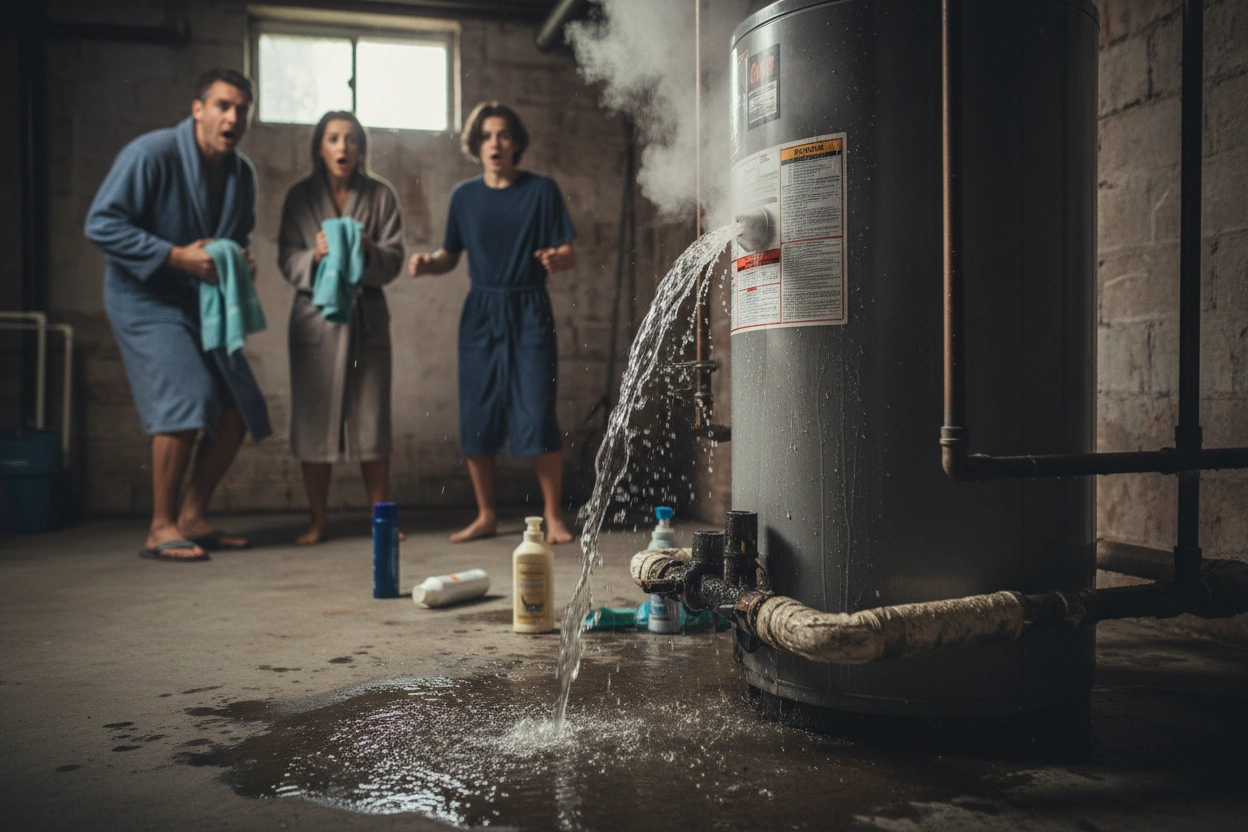
When guests move in, your water heater faces demand it wasn't sized for. A standard 40-gallon tank serves 2–3 people comfortably, but back-to-back showers drain it fast and force 60–90 minute recovery cycles. Older units over 8 years struggle most, since sediment buildup and reduced efficiency make full reheating harder. This cumulative stress accelerates corrosion and raises energy costs. There's a lot more to understand about protecting your system before your next guest stay.
Key Takeaways
- Standard residential water heaters are sized for 2–3 people, making back-to-back guest showers quickly exceed their capacity.
- A 40-gallon tank needs 60–90 minutes to fully reheat, leaving later users with lukewarm or cold water.
- Units over 8 years old recover more slowly, making them especially vulnerable to high demand during guest stays.
- Frequent thermal cycling from guest usage accelerates sediment buildup, reducing heating efficiency and increasing corrosion risk.
- Warning signs of overload include inconsistent temperatures, rumbling sounds, rust-colored water, and recovery times exceeding 45–60 minutes.
Why Rental Water Heaters Struggle When Guests Move In
When guests move into your rental, water heater demand can spike well beyond what the unit was sized to handle. Most residential water heaters are sized for standard occupancy, typically two to three people. Add two or more guests running back-to-back showers, and you're pushing the unit past its recovery capacity.
Older tanks compound the problem. Sediment buildup reduces heating efficiency, and aging elements take longer to reheat depleted water. Guest usage patterns, like multiple showers within a short window, accelerate this stress considerably.
Staying ahead of these issues requires consistent maintenance tips built into your property routine: annual tank flushes, element inspections, and thermostat checks. Catching early degradation before a guest stay prevents cold-water complaints and avoids premature water heater failure. Similarly, indoor humidity levels should be monitored during guest stays, as increased shower frequency can elevate moisture buildup that strains both the water heater and surrounding infrastructure.
What Back-to-Back Showers Actually Do to Your Tank
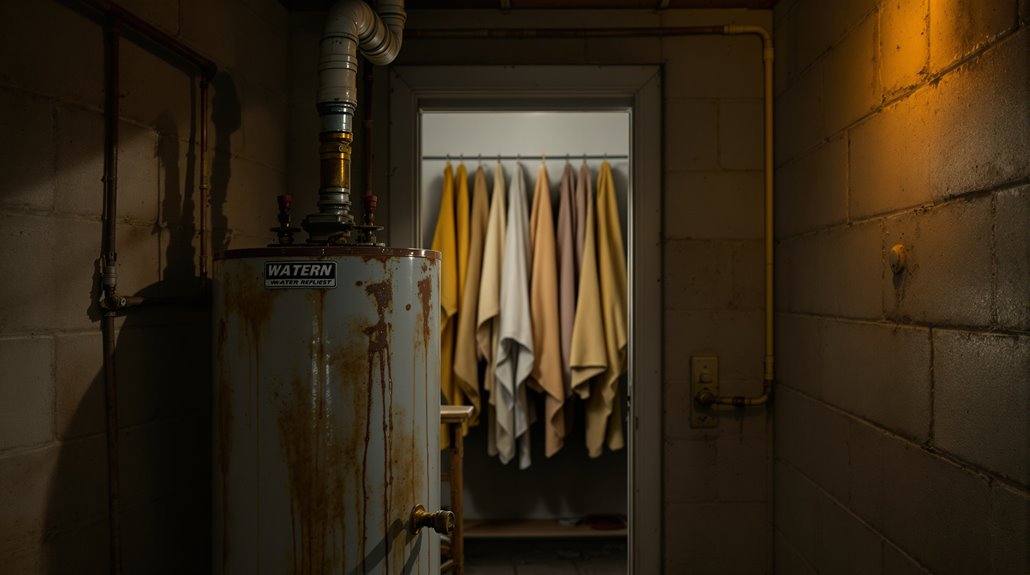
When guests shower back-to-back, your tank can't complete its recovery cycle before the next draw begins, leaving later users with lukewarm or cold water. Each incomplete recovery also keeps water temperatures in a range that accelerates sediment buildup, since minerals settle faster when the heating element cycles on and off repeatedly without reaching full temperature. Over time, that sediment layer insulates the tank floor from the heating element, forcing longer recovery times and compounding the exact problem that extra showers created in the first place. Scheduling periodic plumbing inspections before and after high-occupancy periods can catch early signs of sediment-related strain before they develop into costly water damage or full system failure.
Recovery Time Suffers
Back-to-back showers drain your tank faster than it can recover. A standard 40-gallon water heater needs 60–90 minutes to fully reheat after heavy use. When guests shower consecutively, that recovery window disappears entirely. You're basically running on a depleted tank before the heating element ever catches up.
Recovery strategies matter here. Older units with slower heating elements and sediment buildup recover even more sluggishly, compounding the problem with each additional shower. The burner or element works harder, cycles longer, and still can't keep pace with demand.
Practical maintenance tips help close the gap—flushing sediment annually and adjusting your thermostat to 120–125°F optimizes recovery efficiency. But during peak guest stays, even a well-maintained older unit hits its ceiling fast. Regular preventive inspections can catch early signs of heating element wear before guest-season demand exposes the failure entirely.
Sediment Buildup Worsens
Every back-to-back shower accelerates sediment buildup in ways most landlords never consider. When cold water repeatedly enters a depleted tank, it agitates the mineral deposits already settled at the bottom. That constant thermal cycling loosens and redistributes sediment, creating a thicker insulating layer between the heating element and the water above it.
The result is reduced efficiency, longer recovery times, and accelerated corrosion. Older tanks already carrying years of buildup can't absorb this added stress without consequence. You'll notice higher energy bills and inconsistent hot water long before the tank actually fails.
Prioritize annual sediment removal as part of your standard maintenance tips checklist. Flushing the tank regularly keeps buildup manageable and extends the unit's functional lifespan considerably. Regular professional inspections can catch these developing issues early, reducing the likelihood of a costly emergency water heater replacement down the line.
How Old Your Water Heater Needs to Be Before Guests Break It
Your water heater's age determines how vulnerable it is to guest-driven overload far more than brand or tank size. Once a unit crosses the eight-year mark, its heating elements, anode rod, and sediment buildup combine to cut recovery efficiency considerably. If your heater is approaching or past that threshold, a house full of guests isn't just an inconvenience—it's a breakdown waiting to happen. Older systems also struggle to maintain consistent performance in properties where indoor humidity levels are already elevated due to inadequate ventilation in bathrooms and kitchens.
Age Matters Most
A water heater's age determines how quickly extra demand will push it toward failure. Units older than 8–10 years operate near the end of their water heater lifespan, making guest stays a genuine risk. Follow these maintenance tips to assess your unit's vulnerability:
- 6–8 years: Monitor closely; sediment buildup reduces efficiency
- 8–10 years: Schedule a professional inspection before hosting guests
- 10–12 years: Expect inconsistent performance under increased demand
- 12+ years: Replace proactively rather than reactively
- Any age: Flush sediment annually to extend operational life
If your unit's age is unknown, check the serial number—manufacturers encode the production date within it. Knowing your heater's age lets you make informed decisions before guests arrive and demand spikes. In Tacoma's maritime climate conditions, increased moisture exposure can accelerate corrosion in aging water heaters, compounding the stress that high-demand guest stays place on already vulnerable units.
The Eight-Year Threshold
Eight years marks the point where a water heater shifts from reliable to vulnerable. Before that threshold, your unit can typically handle the increased demand that comes with guest stays. After it, sediment buildup, weakened heating elements, and reduced insulation start limiting recovery speed and output capacity.
You'll notice the signs during high-use periods — slower hot water recovery, inconsistent temperatures, and pressure fluctuations across fixtures. These aren't minor inconveniences; they're mechanical warnings.
Applying basic maintenance tips like annual flushing and anode rod inspections can extend performance past eight years, but efficiency upgrades become worth evaluating once you're in that range. A modern unit with higher first-hour ratings handles guest-driven demand spikes without straining the system or leaving tenants without hot water mid-shower. Scheduling biannual plumbing checks for leaks and pressure irregularities helps catch early deterioration before guest-season demand turns a manageable issue into an emergency repair.
Warning Signs Your Water Heater Is Being Pushed Too Hard
When your water heater is struggling to keep up, it sends clear signals before it fails completely. During periods of high guest occupancy, watch for these indicators that routine water heater maintenance can no longer be delayed:
- Inconsistent water temperatures that fluctuate mid-shower
- Longer recovery times between hot water cycles exceeding 45–60 minutes
- Rumbling or popping sounds caused by sediment buildup on the heating element
- Visible rust or corrosion around the tank, valves, or connections
- Water pooling near the base, indicating pressure relief valve leaks or tank fractures
Each symptom reflects cumulative stress. Catching these warning signs early gives you time to act before a guest stay turns into an emergency repair situation. Many Tacoma rental properties were built with aging galvanized steel pipes that accelerate corrosion throughout the entire plumbing system, compounding the strain already placed on an overworked water heater.
Stopgap Fixes That Keep an Aging Water Heater Running
Replacing an aging water heater mid-guest-season isn't always practical, but a few targeted interventions can buy you meaningful time. Start by flushing sediment buildup from the tank—accumulated sediment forces the heating element to work harder and reduces effective capacity. Lowering your guests' shower frequency or staggering usage by 30–45 minutes between showers reduces thermal recovery demand considerably. Insulating the tank and supply pipes improves heat retention, cutting recovery time without any equipment changes. These temporary solutions won't fix underlying wear, but they stabilize performance during high-demand periods. If pressure relief valve discharge or pilot light failures appear, treat those as emergency maintenance triggers—not situations to defer. Schedule a professional inspection immediately before minor issues escalate into full system failure.
When to Replace Your Water Heater Before the Next Turnover
Timing a water heater replacement around a turnover is far more strategic than waiting for failure mid-tenancy. Watch for these replacement indicators before your next tenant moves in:
- Unit is 10+ years old with declining recovery rates
- Rust-colored water or visible tank corrosion
- Rumbling or popping sounds during heating cycles
- Frequent anode rod replacements no longer stabilizing performance
- Repair costs exceeding 50% of a new unit's price
These maintenance tips keep you ahead of emergency replacements. Scheduling installation during vacancy eliminates tenant disruption, prevents water damage liability, and lets you size up capacity if needed. A proactive swap costs less than emergency plumbing calls, temporary housing arrangements, or tenant turnover triggered by persistent hot water complaints.
Frequently Asked Questions
Can a Water Heater Warranty Cover Damage Caused by Guest Overuse?
Most warranties won't cover guest overuse damage, as they exclude misuse claims. You'll want to document usage patterns, set guest etiquette guidelines, and review your warranty claims process to explore any applicable coverage options.
Does Water Hardness in Cities Like Denver Affect Heater Recovery Time?
Yes, Denver's water hardness reduces heater efficiency by causing mineral buildup inside your tank, slowing recovery time. You'll want to flush your heater annually and consider installing a water softener to combat scale accumulation effectively.
How Does a Tankless Water Heater Perform Differently During Heavy Guest Stays?
During heavy guest stays, tankless units heat water on-demand, so you won't face recovery delays. For guest capacity surges, they offer a strong efficiency comparison to tanks, but simultaneous fixtures can still overwhelm smaller models.
Should Landlords Disclose Water Heater Age to Tenants Before Move-In?
Yes, you should disclose water heater age before move-in. Proactive tenant awareness prevents disputes over performance issues. Sharing water heater maintenance history and equipment age sets clear expectations, reducing complaints and protecting your landlord-tenant relationship long-term.
Can Renters Insurance Cover Costs From a Failed Water Heater?
Renters insurance can cover your personal property losses from water damage caused by a failed water heater. You'll file insurance claims for damaged belongings, but it won't cover the unit's repair or replacement—that's your landlord's responsibility.
Conclusion
Your rental's older water heater wasn't built for holiday-level demand, and back-to-back showers will expose every weakness it has. Watch for the warning signs, apply stopgap measures when you need to buy time, and schedule a replacement before your next high-occupancy period — not after a cold-water complaint at 7 a.m. Acting now on a predictable problem is always cheaper than reacting to an emergency one.