
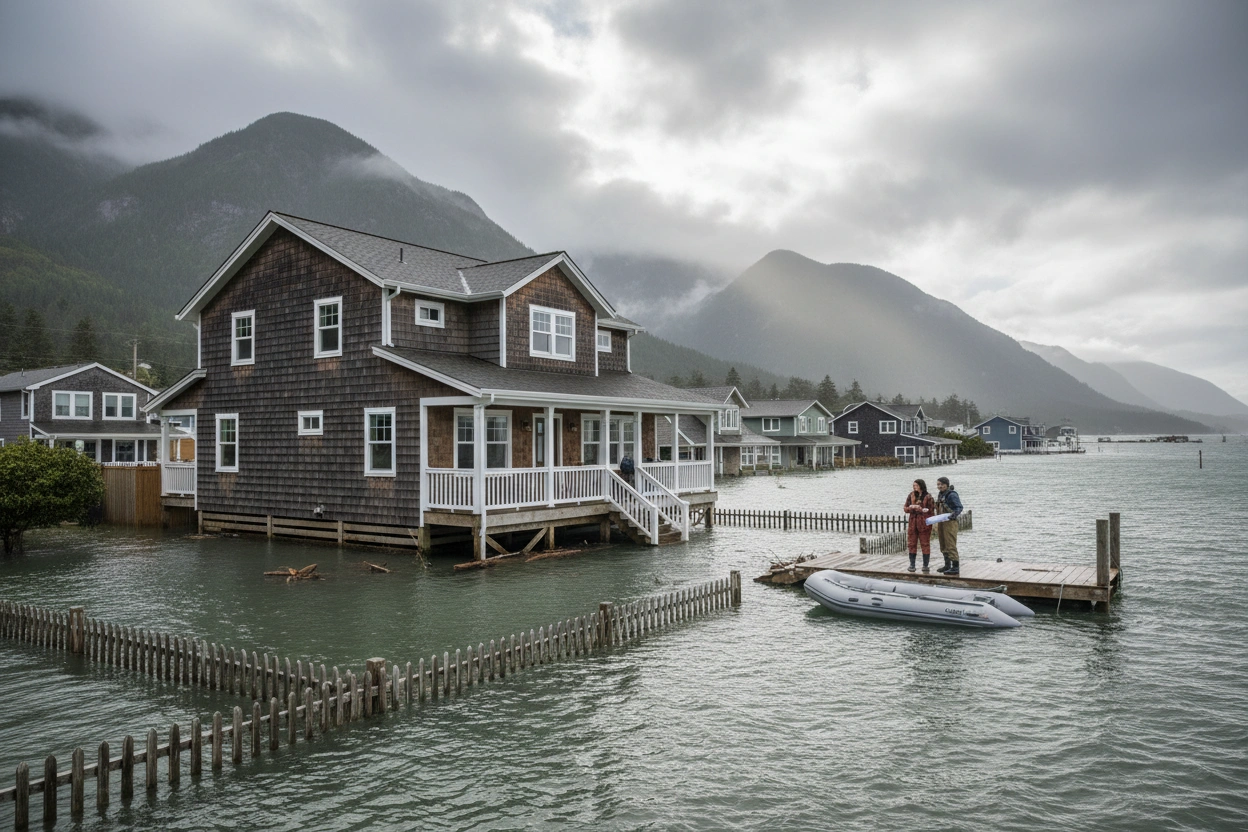
If your Puget Sound rental sits near the Puyallup River, Green River, or Duwamish Valley, you're likely subject to federal flood insurance mandates, Washington State disclosure laws, and landlord liability obligations that don't disappear just because flooding seems unlikely. You'll need to verify your property's FEMA flood zone designation, comply with NFIP insurance requirements for federally backed mortgages, and provide written flood risk disclosures to tenants. There's considerably more to navigate before your next lease is signed.
Key Takeaways
- Use FEMA's Flood Map Service Center to identify if your property falls within a Special Flood Hazard Area requiring mandatory flood insurance.
- Washington State law requires written disclosure of flood zone designation, insurance requirements, and prior flood history to all tenants.
- Properties with federally backed mortgages in high-risk zones must carry NFIP-compliant flood insurance or risk costly force-placed coverage.
- Flood-proof properties by clearing drainage systems, sealing crawl spaces, and inspecting soil grading to reduce damage risk.
- Document all flood-related communications, disclosures, and damage records to protect against legal liability and ensure regulatory compliance.
Is Your Puget Sound Rental in a Flood Zone?
Whether your rental sits near the Puyallup River delta, along Green River corridors, or in low-lying areas of the Duwamish Valley, your property may fall within a designated Special Flood Hazard Area (SFHA) as mapped by FEMA.
Flood zone mapping through FEMA's Flood Map Service Center lets you look up your property's flood zone designation using its address. Zones labeled AE, A, or VE carry the highest risk and trigger mandatory flood insurance requirements for federally backed mortgages.
Conducting thorough rental property assessments means cross-referencing your parcel against current Flood Insurance Rate Maps (FIRMs) and verifying whether recent map amendments or Letters of Map Revision (LOMRs) have altered your property's classification.
Additionally, properties in low-lying areas are at higher flooding risk, making it crucial to stay informed about potential hazards.
Don't assume your zone status is static—FEMA updates these maps periodically.
What Flood Zone Designation Actually Means for Landlords
Flood zone designations, established by FEMA through Flood Insurance Rate Maps (FIRMs), classify properties by risk level using zone designations like AE, VE, or X. High-risk zones (A and V) carry the strictest landlord responsibilities.
If your property has a federally backed mortgage and sits in a high-risk zone, flood insurance isn't optional—it's mandatory. You're also required to disclose the flood zone status to tenants under Washington State law.
Beyond insurance and disclosure, your zone designation can affect allowable improvements, required elevation standards, and permitting conditions. Understanding your specific designation determines what you're legally obligated to do—and what you're financially exposed to if you don't. Additionally, maintaining compliance with landlord-tenant laws helps mitigate potential disputes and liability related to flood zone obligations.
Flood Insurance for Rental Properties: What's Required and What's Not
If your rental property sits in a high-risk flood zone (Zone A or V) and carries a federally backed mortgage, you're required by law to carry flood insurance through the National Flood Insurance Program (NFIP) or a private equivalent.
Your lender may impose additional coverage thresholds beyond the federal minimum, so you'll need to review your loan agreement carefully.
If your property falls outside a high-risk zone or carries no federally backed financing, flood insurance remains optional—though the risk of skipping it can be significant.
Federal Flood Insurance Requirements
Federal law requires flood insurance on rental properties with federally backed mortgages located in Special Flood Hazard Areas (SFHAs), as designated by FEMA's National Flood Insurance Program (NFIP).
If your rental carries a federally backed loan and sits within a FEMA-designated high-risk zone, you're legally obligated to maintain flood coverage—there's no exception. These federal guidelines apply regardless of your property type or rental structure.
Understanding flood insurance basics starts with knowing your flood zone designation. FEMA maps determine whether your Puget Sound rental falls within mandatory purchase requirement zones, primarily Zone A and Zone V classifications.
Lenders must enforce this requirement under the Flood Disaster Protection Act of 1973. Non-compliance can trigger force-placed insurance, which is considerably more expensive and offers less favorable coverage terms than a standard NFIP policy.
Lender-Mandated Coverage Rules
Beyond the federal baseline, your mortgage lender may impose additional flood insurance requirements that exceed NFIP minimums. Lender obligations typically include maintaining coverage equal to the outstanding loan balance or the property's full insurable value—whichever is lower.
Some lenders set stricter coverage limits than NFIP's $250,000 structural maximum, requiring you to purchase excess flood insurance through private markets to close the gap.
Review your loan agreement carefully. Non-compliance can trigger force-placed insurance, which your lender purchases on your behalf at considerably higher premiums and bills directly to you.
Force-placed policies also tend to offer narrower protection than policies you'd select independently. If you're refinancing or acquiring additional Puget Sound rental properties in designated flood zones, confirm lender-specific flood insurance requirements before closing to avoid costly coverage deficiencies post-settlement.
Optional Versus Required Coverage
Once you've confirmed whether your rental property falls within a Special Flood Hazard Area and reviewed your lender's requirements, you can assess which flood coverages are legally mandated versus which you're electing voluntarily.
Mandatory coverage implications are straightforward: federally backed loans on SFHA properties require NFIP-compliant flood insurance at specific minimum coverage thresholds. Falling out of compliance triggers force-placed insurance, which is costlier and narrower in scope.
Outside mandatory requirements, optional coverage benefits become relevant. Standard NFIP policies don't cover loss of rental income, detached structures, or contents within tenant-occupied units.
Supplemental private flood policies or endorsements can fill these gaps. Evaluate your property's elevation, historical flood data, and rental income dependency when determining whether optional coverage justifies the added premium against your actual exposure.
How to Flood-Proof Your Rental Before the Rainy Season
Flood-proofing your rental before the rainy season starts with a systematic inspection of the property's most vulnerable points.
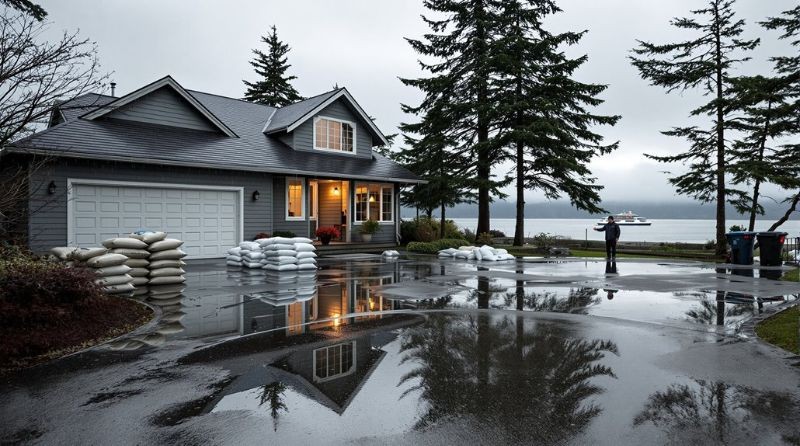
Prioritize drainage solutions like clearing gutters, downspouts, and surface channels to redirect water away from the foundation. Seal crawl spaces and below-grade entry points using waterproof materials rated for hydrostatic pressure.
Key flood-proofing measures to complete before October:
- Inspect and regrade soil around the foundation to maintain a minimum 6-inch slope away from the structure.
- Install backflow prevention valves on sewer lines to block reverse flow during heavy storm events.
- Apply waterproof materials to basement walls, window wells, and door thresholds vulnerable to lateral water intrusion.
Additionally, ensure you conduct routine inspections to identify potential hazards that may exacerbate flooding risks. Document all completed work with dated photographs for insurance and compliance purposes.
What to Tell Tenants Before They Sign a Lease
Before a tenant signs a lease on a flood zone property, you're legally required to disclose the property's flood risk status in most states, including whether it sits in a FEMA-designated Special Flood Hazard Area (SFHA).
Federal law under the Flood Disaster Protection Act may also obligate you to notify tenants if flood insurance is required for the property.
Beyond your legal obligations, you should inform tenants of their option to purchase their own renter's flood insurance policy, since standard renter's insurance typically excludes flood damage. Additionally, make sure to explain their rights regarding habitable living conditions in case of water damage due to flooding.
Flood Risk Disclosure Requirements
Disclosing flood risk to tenants before lease signing isn't optional in many states—it's a legal requirement.
Washington mandates landlords provide written notice if a property sits within a designated flood zone. Reference current flood zone maps from FEMA to verify your property's classification and attach applicable disclosure forms to the lease.
Your disclosure should cover:
- Flood zone designation – Identify whether the property falls within a high-risk, moderate-risk, or low-risk FEMA zone
- Insurance requirements – Notify tenants if flood insurance is required or recommended for personal belongings
- Prior flood history – Disclose any known flooding events that have occurred on the property
Failing to disclose exposes you to significant legal liability.
Flood Insurance Tenant Options
Once disclosure requirements are met, your next obligation is making certain tenants understand their flood insurance options before they sign.
Renters insurance doesn't cover flood damage—tenants need a separate policy through the National Flood Insurance Program (NFIP) or a private carrier. Tenant education on this point isn't optional in high-risk zones; it's a critical lease step.
Include written notice in your lease documents specifying that the unit sits within a designated flood zone and that renters are responsible for securing their own flood coverage.
Outline available insurance options clearly—NFIP policies, private market alternatives, and approximate coverage tiers. Encourage tenants to contact FEMA-approved providers before move-in.
Documenting that this conversation occurred protects you legally and makes certain tenants aren't blindsided when a flood event hits.
Who Handles Flood Damage When It Happens?
When flood damage hits a rental property, everyone—landlord, tenant, and any third-party contractors—has a defined role to play. Understanding these roles prevents disputes and keeps flood restoration processes moving efficiently.
- Landlord: Coordinates licensed contractors, documents structural damage, and files insurance claims promptly.
- Tenant: Among tenant responsibilities—notify you immediately upon discovering flooding, mitigate further damage where safely possible, and document personal property losses for their own renters insurance.
- Contractors: Execute remediation, moisture mitigation, and repairs per local code requirements.
Delays in any role slow the entire restoration timeline. Additionally, landlords are responsible for ensuring that essential systems like plumbing are maintained and functional, which is crucial during flood situations.
Washington's landlord-tenant statutes require you to maintain habitable conditions, meaning flood repairs aren't optional—they're legally mandated.
Act fast, communicate clearly, and keep documentation at every stage.
Frequently Asked Questions
Can Flood Zone Status Change After I Purchase a Rental Property?
Yes, your flood zone status can change after purchase. FEMA periodically updates flood maps, which can alter flood zone regulations affecting your property and may require you to obtain or adjust property insurance coverage accordingly.
Does a Flood Claim History Affect My Ability to Find Tenants?
Yes, a flood claim history can impact your tenant screening process. Disclosing past flood events may deter applicants, and higher flood insurance premiums could force rent increases that narrow your pool of qualified tenants.
Are There Tax Deductions Available for Flood-Proofing My Rental Property?
You can deduct flood-proofing benefits as ordinary business expenses on rental properties. Improvements affecting insurance implications may require capitalization and depreciation. Consult a tax professional familiar with IRS Schedule E rules for your specific situation.
How Do Flood Zones Affect Rental Property Values in the Puget Sound?
Flood zones can lower your property appraisal and limit buyer pools. You'll face mandatory flood insurance requirements that increase operating costs, reducing net income and making your Puget Sound rental less attractive to investors and prospective tenants.
Can Tenants Break Their Lease if Flooding Makes the Unit Uninhabitable?
Yes, tenants can invoke lease termination rights if flooding renders a unit uninhabitable. Washington's tenant rights laws allow them to vacate legally, so you'll want to address flood damage quickly to avoid losing rental income.
Conclusion
Managing a flood zone rental in Puget Sound isn't passive — it requires you to stay current on FEMA flood map updates, maintain compliant insurance coverage, and document every flood-related disclosure in your lease agreements. You're responsible for ensuring your property meets all applicable mitigation standards before each rainy season. When you treat flood preparedness as a regulatory obligation rather than an optional measure, you'll reduce your liability exposure and protect both your tenants and your investment.