

As Portland's rental market continues to evolve, so do the challenges faced by landlords and tenants alike. Among these challenges is the risk of flooding, particularly in properties with basements or in areas prone to heavy rainfall. Understanding the role of sump pumps in mitigating these risks is essential for maintaining property integrity and tenant satisfaction. This article explores the necessity of sump pumps in Portland rental properties, addressing their importance in flood prevention and tenant rights.
Assessing the Need for Sump Pumps in Rental Properties
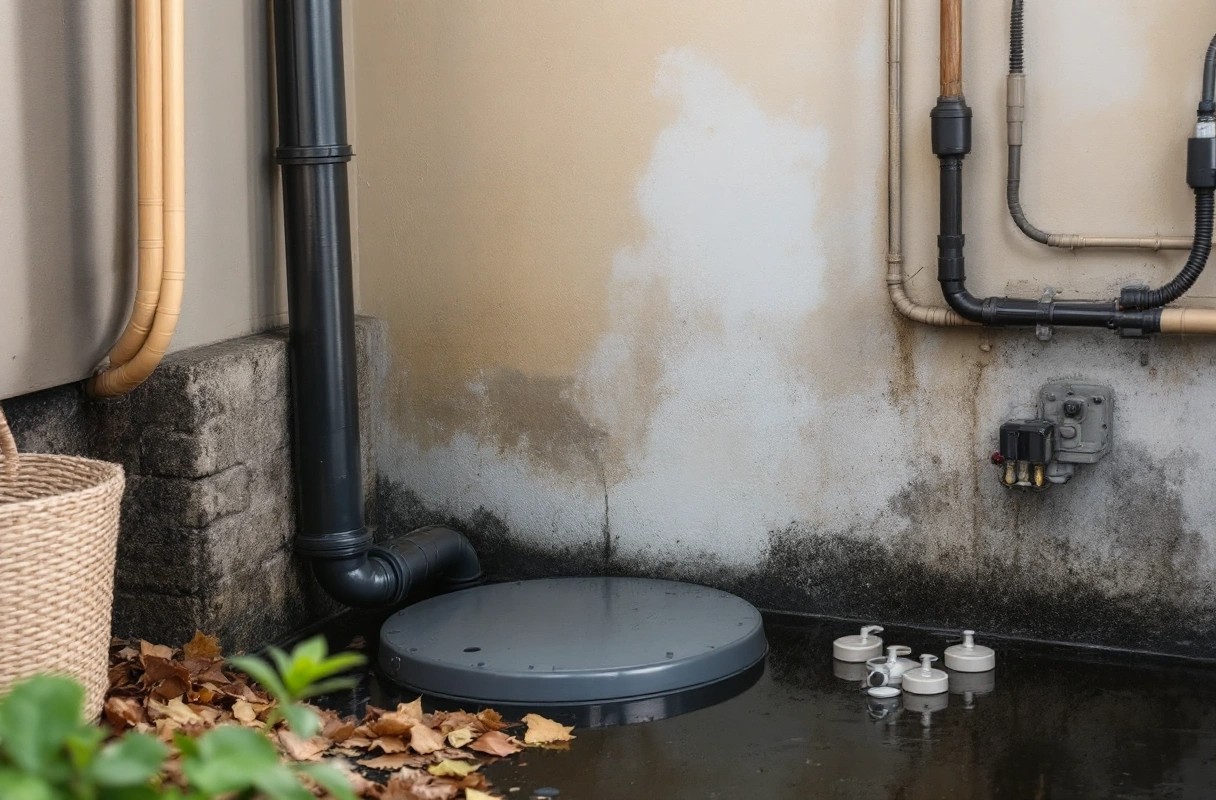
Determining whether a sump pump is necessary in rental properties involves several key factors. First, the geographical location plays a significant role. Portland experiences a unique climate characterized by significant rainfall, particularly during the winter months. Properties situated in low-lying areas or near bodies of water are at a higher risk of flooding, making sump pumps a prudent investment. Additionally, older buildings often lack modern drainage systems, further increasing the likelihood of water accumulation in basements.
Another factor influencing the necessity of sump pumps is the condition of the property's foundation and drainage systems. Landlords should assess the overall drainage strategy employed in their properties. If there are signs of water pooling, dampness, or mold in the basement, the installation of a sump pump may be warranted. It's also beneficial to consider tenant feedback regarding moisture issues, as they can provide valuable insights into the property's performance during heavy rains.
Sump Pump Installation: What Landlords Should Know
Installing a sump pump is a critical step in flood prevention for rental properties. The installation process typically begins with selecting the right sump pump based on the property's needs. Landlords should consider the size of the basement, the expected volume of water, and whether a submersible or pedestal pump is more suitable. Submersible pumps are ideal for larger volumes of water and are typically quieter, while pedestal pumps are easier to maintain.
The installation itself involves digging a sump pit in the lowest part of the basement, placing the pump in the pit, and ensuring that the discharge pipe leads water away from the foundation. It's advisable for landlords to hire professional plumbing services for this task to ensure proper installation and compliance with local regulations. Understanding the nuances of sump pump installation can prevent future headaches and ensure that the system operates efficiently when needed.
Maintaining Sump Pumps for Long-term Performance
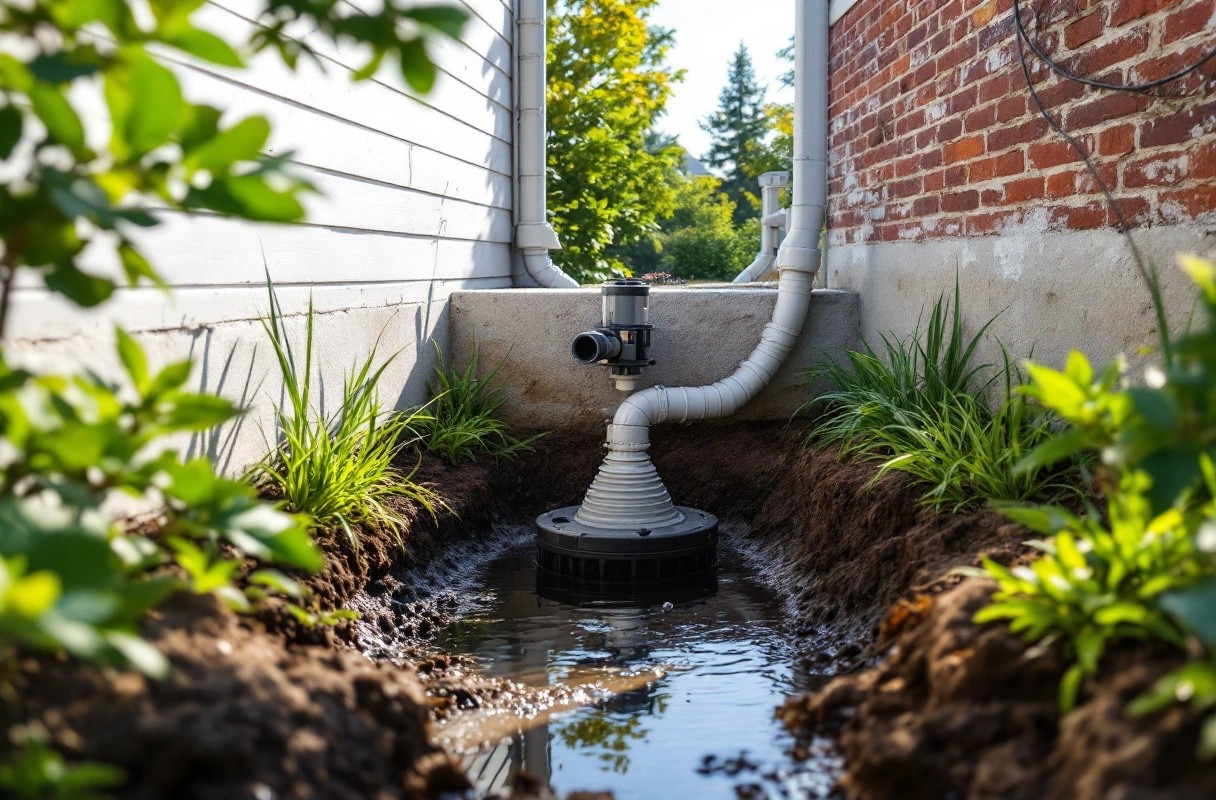
Regular maintenance is essential to ensure the longevity and effectiveness of sump pumps. Landlords should perform routine checks to verify that the pump is functioning correctly, especially before the rainy season. This includes testing the pump by pouring water into the sump pit to see if it activates. Cleaning the sump pit and removing any debris or sediment that may hinder the pump's operation is also crucial.
Signs of sump pump failure can vary, but common indicators include unusual noises during operation, frequent cycling, or the presence of water in the basement despite the pump being active. Landlords should remain vigilant for these signs and address any issues promptly to avoid costly repairs and potential damage to the property. Implementing a maintenance schedule can help ensure that the sump pump remains in optimal condition.
Understanding Tenant Rights and Landlord Responsibilities
In Portland, landlords have specific legal obligations regarding flood prevention and property maintenance. According to Oregon law, rental properties must be habitable, which includes ensuring that they are free from moisture issues that could lead to mold or structural damage. Failure to address these concerns can result in legal repercussions and tenant dissatisfaction.
Tenants also have rights when it comes to living in a safe environment. If a property is prone to flooding and lacks adequate measures such as sump pumps, tenants may have grounds to request repairs or even terminate the lease under certain conditions. Landlords should be proactive in addressing potential flooding issues to protect their investments and maintain positive relationships with tenants.
Effective Flood Prevention Strategies for Rental Properties
Beyond sump pumps, landlords can implement several additional flood prevention measures to protect their rental properties. Proper grading around the foundation can direct water away from the building, while installing gutters and downspouts can help manage roof runoff effectively. Regular maintenance of these systems is critical to ensure they function properly during heavy rains.
Integrating basement waterproofing solutions can also provide an extra layer of protection. This might include sealing cracks in the foundation, applying waterproof coatings, or installing drainage systems that work in conjunction with sump pumps. These strategies not only help prevent flooding but also enhance the overall value and appeal of rental properties in Portland.
The Importance of Sump Pumps in Portland Rentals
The necessity of sump pumps in Portland's rental market cannot be overstated. With the right installation and maintenance practices, landlords can protect their properties from flooding and provide a safe living environment for tenants. Understanding tenant rights and legal responsibilities further emphasizes the importance of these systems in maintaining property integrity.
For independent landlords and small portfolio property owners, RentalRiff offers resources and support tailored to your needs. Whether you're looking for maintenance tips, plumbing services, or guidance on tenant rights, our platform can assist you in navigating the complexities of rental management.