
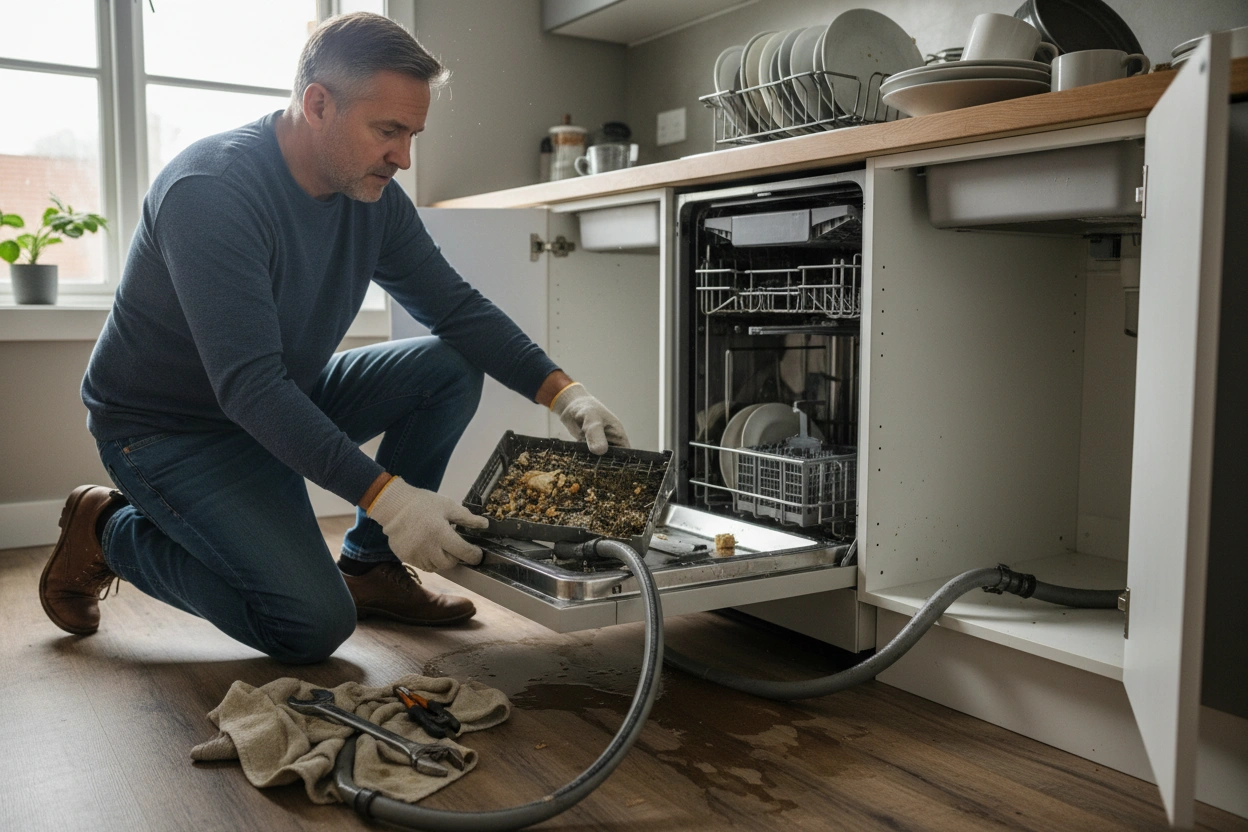
Dishwashers in rental units wear out faster than in owner-occupied homes due to heavy turnover and tenant misuse. You'll want to watch for clogged filters, worn door gaskets, failing drain pumps, and hard water buildup in spray arms and heating elements. These problems cause leaks, drainage failures, and water damage that silently destroys cabinetry and subfloors. Annual inspections and proactive maintenance are essential—and knowing exactly what to look for makes all the difference.
Key Takeaways
- Clogged filters and drain lines cause standing water and odors; clean filters regularly to maintain performance and prevent tenant complaints.
- Worn door gaskets cause leaks that silently damage cabinetry and subfloors; replace them at the first sign of wear.
- Hard water accelerates mineral buildup in spray arms and heating elements; run a descaling cycle annually with white vinegar.
- Heavy tenant turnover increases wear on door latches, spray arms, and pump motors, shortening the typical nine-to-twelve-year lifespan.
- Annual inspections of hose connections, gaskets, and seals help catch issues early and preserve property value.
How Dishwashers Typically Fail in Rental Units
Dishwashers fail in rental units in predictable patterns, and knowing them helps you catch problems before they escalate.
Heavy tenant turnover accelerates wear on door latches, spray arms, and door gaskets. Tenants frequently overload racks, which stresses the pump motor and degrades wash performance over time.
Clogged filters and drain lines are among the most common culprits behind standing water and foul odors. Control panels and float switches also fail with regular use, often due to moisture intrusion.
Hard water in markets like Denver and San Diego accelerates mineral buildup in the spray arms and heating element.
A dishwasher lifespan typically runs nine to twelve years, but rental conditions often shorten that window considerably, making it worth evaluating appliance upgrades earlier than you might expect. Implementing a long-term maintenance plan can help mitigate some of these common issues.
The Most Common Dishwasher Problems Landlords Face
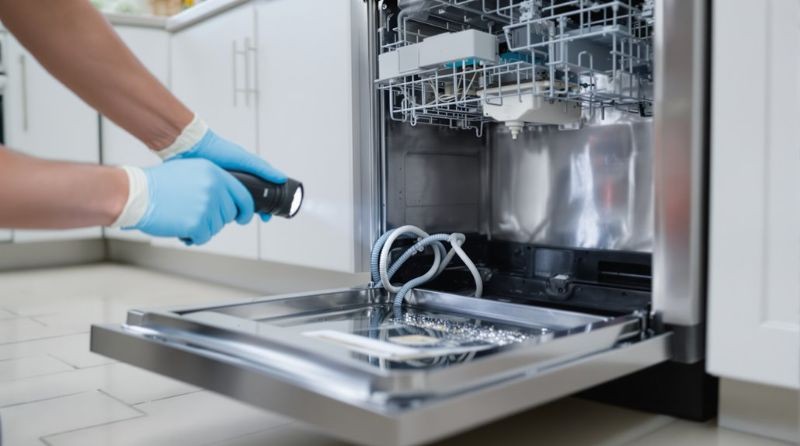
When managing rental dishwashers, two problems will demand your attention more than any others: leaks and drainage failures.
Leaks typically stem from worn door gaskets, loose hose connections, or a faulty door latch. Even a slow drip can cause significant water damage to cabinetry and subfloors if left unaddressed. Regular maintenance, similar to septic system maintenance, is essential for preventing these issues from escalating.
Drainage issues, often caused by clogged filters, blocked drain hoses, or a failing drain pump, leave standing water in the tub and signal a repair that tenants will escalate quickly.
Leaks and Water Damage
Leaks rank among the most damaging dishwasher failures a rental property can experience, often causing harm to flooring, cabinetry, and subfloor materials before a tenant notices anything is wrong.
Common sources include worn door gaskets, failing inlet valves, loose drain hose connections, and cracked pump seals. Because tenants rarely inspect beneath or around the unit, damage accumulates silently over weeks.
Your preventative tips should include scheduling annual inspections of all hose connections, gaskets, and seals.
Replace door gaskets at the first sign of cracking or compression loss.
Installing a water detection sensor beneath the dishwasher adds a reliable early-warning layer, alerting tenants immediately when moisture appears.
Combining scheduled inspections with water detection devices greatly reduces the risk of structural damage and costly remediation between tenancies.
Draining and Clogging Issues
While water damage from leaks can compromise a property's structure, draining and clogging issues are far more likely to be what you're dealing with on a day-to-day basis—making them the most common dishwasher complaint landlords receive.
Drain blockages typically stem from food debris, grease buildup, and foreign objects lodged in the filter, drain basket, or drain hose.
When tenants neglect pre-rinsing dishes or fail to clean the filter regularly, standing water accumulates at the bottom of the unit.
Incorporate these cleaning tips into your maintenance schedule: clear the filter monthly, inspect the drain hose for kinks or obstructions, and confirm the garbage disposal knockout plug is removed if the dishwasher shares a drain connection.
Addressing these points proactively reduces service calls considerably.
Dishwasher Maintenance Tasks Worth Doing Every Year
Annual dishwasher maintenance doesn't take long, but skipping it leads to clogs, leaks, and premature appliance failure. Build annual inspections into your preventive care routine to catch problems before tenants report them. Complete these three tasks every year:
- Clean the filter and spray arms. Remove both components, clear debris from the filter mesh, and flush mineral deposits from spray arm nozzles using a toothpick or thin wire.
- Inspect the door gasket. Check the rubber seal for cracks, stiffness, or mold. Replace it if it's compromised to prevent leaks.
- Run a descaling cycle. Place white vinegar in the bottom rack and run a hot cycle to dissolve interior mineral buildup. Regular maintenance not only ensures tenant satisfaction but also helps to preserve property value over time.
Signs a Repair Is Tenant Caused vs. Normal Wear
When a dishwasher fails, you need to determine whether the damage stems from tenant misuse or normal aging before deciding who bears the repair cost.
Cracked door panels, broken racks from overloading, and clogged filters packed with food debris typically signal tenant-caused damage, while worn door gaskets, fading control panels, and aging pump motors point to normal wear. Regular communication about appliance issues can help prevent disputes and clarify responsibilities. Document everything with timestamped photos at move-in and move-out so you have clear evidence if a tenant dispute arises.
Damage vs. Wear Indicators
Distinguishing between tenant-caused damage and normal wear on a dishwasher determines who pays for the repair. Use these damage assessment criteria to evaluate wear patterns accurately:
- Faded or cloudy interior plastic from heat and mineral buildup is normal wear; melted, cracked, or warped plastic from improper loading is tenant damage.
- Worn door gaskets that degrade over years of use indicate normal wear; torn or pulled gaskets from forced closure signal tenant misuse.
- Rust spots on the rack tines from coating breakdown are expected over time; broken tines from overloading or improper use are tenant damage.
Document findings with photos during every inspection.
Clear records protect you during security deposit disputes and support accurate cost attribution.
Misuse Versus Normal Aging
Misuse and normal aging produce different failure patterns, and knowing how to read those patterns keeps repair costs properly attributed.
Broken door latches with impact marks, melted interior components, and clogged filters packed with food debris point to misuse.
Gradual seal shrinkage, faded interior finish, and worn spray arm bearings reflect normal service life.
Dishwasher safety violations—such as running cycles without a full door latch or loading sharp items that puncture door gaskets—leave identifiable evidence.
Document these findings with timestamped photos before initiating repairs.
User education reduces repeat incidents.
When tenants move in, walk them through proper loading, approved detergents, and filter cleaning intervals.
A one-page reference sheet reinforces correct operation and gives you documented proof that instructions were provided if disputes arise later.
Documenting Tenant-Caused Issues
Three categories of evidence separate tenant-caused damage from normal wear: physical markers, failure timelines, and usage patterns. When you're documenting a suspected tenant-caused issue, structure your evidence around these three categories:
- Physical markers – Photograph cracks, melted plastic, broken racks, or foreign object blockages that indicate misuse rather than gradual deterioration.
- Failure timelines – Cross-reference your maintenance logs against the appliance's age. A two-year-old dishwasher with a blown pump points to misuse, not aging.
- Usage patterns – Pull tenant communication records for prior complaints or reported incidents that correlate with the failure.
Consistent documentation protects you in disputes. Maintain timestamped entries in your maintenance logs and attach photos directly to each record so your evidence stays organized and defensible.
When to Repair vs. Replace a Rental Dishwasher
When should you repair a rental dishwasher versus replace it? Apply the 50% rule: if repair considerations exceed half the unit's replacement costs, replace it. A dishwasher averaging $400–$700 new means repairs shouldn't exceed $200–$350.
Factor in age. Dishwashers typically last 9–12 years. Units older than eight years with failing control boards, corroded tub liners, or cracked door latches rarely justify significant repair investment.
Recurring failures also signal replacement. If you've addressed the same issue two or more times within 12 months, continued repairs compound costs without resolving the underlying deterioration.
For newer units under four years old, repairs on components like pumps, spray arms, or door gaskets typically make financial sense—these fixes extend reliable service life at a fraction of replacement costs. Additionally, understanding local regulations ensures compliance with maintenance practices that enhance tenant satisfaction.
How to Keep Tenants From Damaging the Dishwasher
Tenant misuse causes most preventable dishwasher damage, but a brief written guide at move-in cuts that risk considerably.
Tenant education doesn't require lengthy documentation—just clear, actionable dishwasher etiquette covering the most common misuse points.
Include these three items in your move-in property guide:
- Load correctly — Face dishes inward, avoid nesting, and never block the spray arms or detergent dispenser.
- Use the right detergent — Dishwasher-specific detergent only; dish soap causes overflow and damages the pump seal.
- Clean the filter monthly — A clogged filter strains the motor and degrades wash performance over time.
Attach this guide to the lease or post it inside a cabinet near the unit.
Simple written expectations reduce damage calls and extend appliance life, while proactive maintenance can further enhance the longevity of your appliances.
Frequently Asked Questions
Does a Rental Property Legally Need to Include a Working Dishwasher?
No, you're not legally required to provide a dishwasher. Dishwasher installation requirements vary by jurisdiction, but it's rarely mandated. However, you should consider tenant expectations, as it can impact occupancy and satisfaction.
Who Pays for Dishwasher Repairs, the Landlord or the Tenant?
You're typically responsible for dishwasher repair costs unless tenant misuse caused the failure. Review your lease to clarify tenant responsibilities, as this directly determines who covers the repair cost.
Should Dishwasher Coverage Be Written Into the Lease Agreement?
Yes, you should include lease clauses that outline dishwasher warranties, repair responsibilities, and tenant-caused damage liability. It protects you legally, sets clear expectations, and reduces disputes over maintenance costs throughout the tenancy.
How Long Does a Typical Rental Dishwasher Last Before Needing Replacement?
You'll typically get 9–12 years from rental appliances like dishwashers, but heavy tenant use can shorten that dishwasher lifespan. Track age, monitor performance, and plan replacements proactively to avoid unexpected failures.
Can a Landlord Remove a Dishwasher Instead of Replacing a Broken One?
You can remove a broken dishwasher instead of replacing it, but you'll want to evaluate tenant preferences and dishwasher alternatives first, as removal may affect tenant satisfaction and your property's rental appeal.
Conclusion
Staying on top of dishwasher maintenance isn't complicated, but it does require consistency. You'll want to inspect seals, clean filters, and check water connections annually before small issues escalate. Know the difference between tenant-caused damage and normal wear so you're protecting your liability correctly. When repairs exceed half the replacement cost, it's time to swap the unit out. Follow these steps, and you'll extend appliance life while reducing costly emergency calls.