
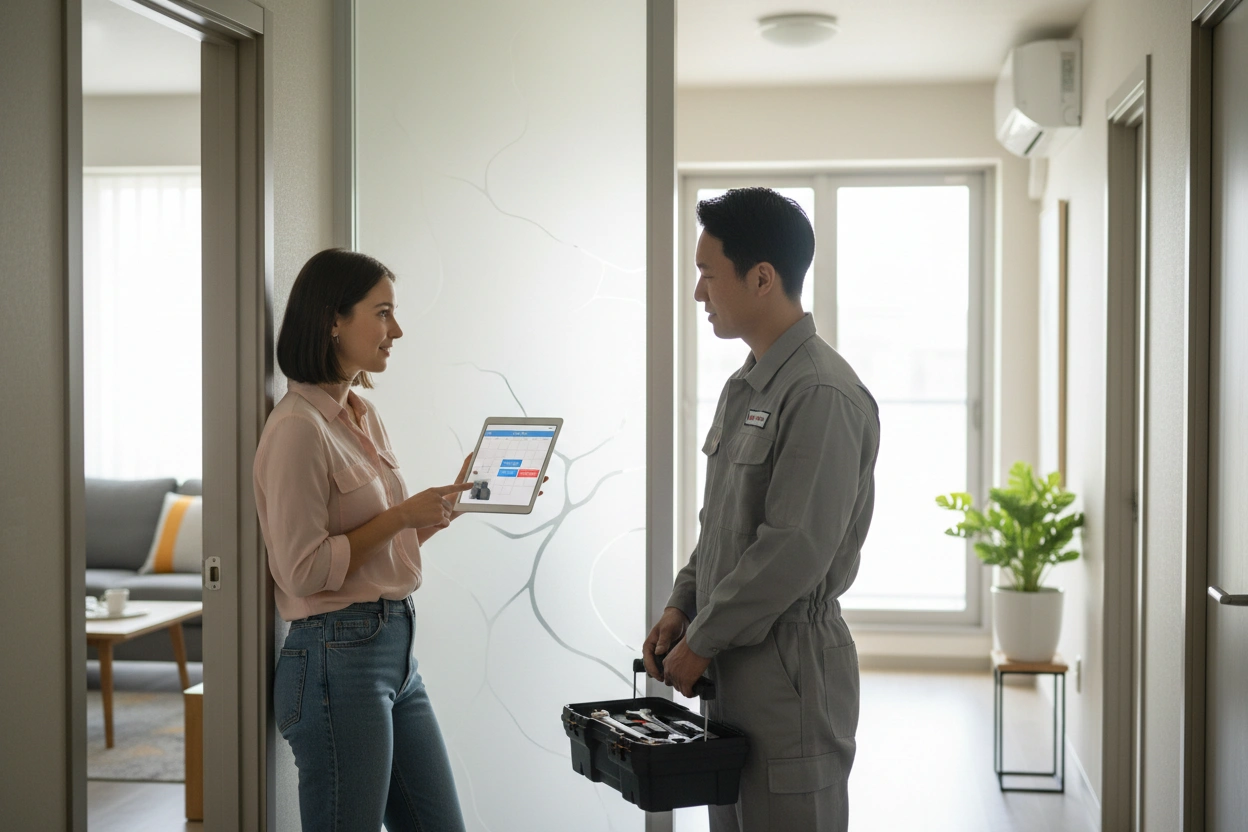
Balancing tenant privacy with necessary maintenance access means respecting your tenant's right to quiet enjoyment while exercising your conditional right to enter. You can't access the unit whenever you want — most states require 24 to 48 hours' written notice, with exceptions only for genuine emergencies. Clear communication, documented notices, and a written access policy keep you legally protected and reduce conflict. The details of getting this balance right are worth understanding fully.
Key Takeaways
- Most states require 24–48 hours' written notice before non-emergency maintenance entry, protecting tenant privacy while allowing necessary access.
- Emergency situations, like burst pipes or gas leaks, permit immediate entry without advance notice to prevent serious damage.
- Written notices should specify the date, time, and reason for entry, with confirmed receipt whenever possible.
- A clearly defined access policy in lease agreements reduces disputes by setting transparent expectations for both parties.
- Proactive communication and consistent transparency build tenant trust, minimizing resistance to legitimate maintenance access requests.
What Does Tenant Privacy Actually Cover?
Tenant privacy isn't just about keeping strangers out—it's a legally protected right that governs how, when, and why a landlord can access an occupied rental unit. Most states grant tenants the right to quiet enjoyment, meaning you can't enter freely without proper notice, a valid reason, or consent.
Privacy concerns extend beyond physical entry. They include how you handle tenant data, communicate maintenance schedules, and document property conditions.
Tenant expectations are shaped by both state law and the lease agreement, so vague lease language creates legal exposure. In practice, privacy protection covers unauthorized entry, excessive inspections, and failure to provide adequate notice, which are all critical aspects of tenant responsibilities. Understanding these boundaries isn't optional—it's the foundation of every legally sound landlord-tenant relationship.
Your Legal Right to Enter as a Landlord
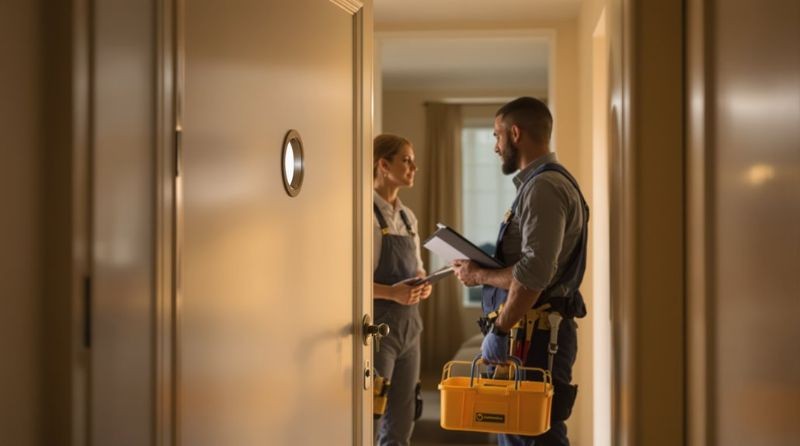
While landlords have a legal right to enter their rental properties, that right is conditional—not absolute.
Tenant rights exist specifically to limit when, why, and how you can access an occupied unit. Understanding your landlord responsibilities means knowing where your authority ends.
Most states require you to:
- Provide advance written notice, typically 24–48 hours before entry
- Enter only during reasonable hours unless an emergency justifies immediate access
- State a legitimate reason for entry, such as repairs, inspections, or showings
- Respect tenant refusals when your entry doesn't meet legal requirements
Ignoring these boundaries doesn't just strain tenant relationships—it exposes you to legal liability.
Entering without proper notice can constitute harassment or an unlawful entry claim, regardless of your ownership status. Additionally, tenants may withhold rent if repairs are not addressed, further complicating tenant-landlord relations.
How Much Notice Do Tenants Need Before Maintenance?
Most states require you to give tenants 24 to 48 hours' written notice before entering for non-emergency maintenance, though some jurisdictions mandate longer windows. You'll need to verify the specific requirement where your property is located. Emergency situations—like burst pipes, gas leaks, or electrical hazards—are the exception, allowing you to enter without advance notice when immediate action is necessary to protect the property or tenant safety. Beyond meeting the legal minimum, sending notice through a documented channel like text or email, confirming a specific time window, and following up if plans change helps you build tenant trust while protecting yourself from disputes. Understanding landlord responsibilities is crucial for maintaining a positive relationship with your tenants.
Standard Notice Requirements
Before scheduling any maintenance visit, landlords must provide tenants with adequate advance notice—a requirement that's both a legal obligation and a matter of basic respect for tenant privacy.
Most states mandate 24 to 48 hours' notice before entry, shaping how you structure maintenance schedules and obtain tenant consent.
Key notice standards to follow:
- 24-hour minimum is the most common legal threshold across states like California, Oregon, Washington, and Colorado
- Written notice via text, email, or written document creates a verifiable record
- Specified timeframe means stating the date, approximate time, and purpose of entry
- Emergency exceptions allow immediate entry for urgent repairs like flooding or gas leaks
Knowing these baselines keeps you legally protected while maintaining a respectful, professional landlord-tenant relationship.
Emergency Access Exceptions
Although standard notice requirements protect tenant privacy in routine situations, emergencies operate under a different set of rules. When immediate threats to safety or property exist—burst pipes, gas leaks, structural failures, or active flooding—you can legally enter without prior notice.
Emergency protocols exist precisely because waiting 24 to 48 hours could mean catastrophic property damage or serious tenant harm. Most jurisdictions recognize this exception, and well-drafted tenant agreements should explicitly define what constitutes an emergency to eliminate ambiguity.
Document everything. Record the nature of the emergency, your entry time, and any actions taken.
Notify your tenant as soon as reasonably possible after entry. Clear documentation protects you legally, demonstrates good faith, and reinforces the trust that keeps landlord-tenant relationships functional during high-stress situations.
Notice Best Practices
Standard notice requirements vary by jurisdiction, but the widely accepted baseline across most U.S. rental markets is 24 to 48 hours before non-emergency maintenance entry.
Your notice duration directly impacts tenant communication quality and legal compliance.
Follow these practices to stay consistent:
- Deliver written notice via text, email, or app—verbal notice creates disputes
- Specify the date, time window, and reason for entry, not just a vague timeframe
- Confirm receipt when possible, so there's no ambiguity about whether the tenant was informed
- Document every notice sent, including timestamps, in case a disagreement arises later
Consistent notice habits protect you legally, reduce friction with tenants, and signal that you're running a professional, respectful operation.
Communicating Access Requests Without Overstepping
Maintenance access is a legal right, but how you communicate it shapes whether tenants experience it as a disruption or a routine part of renting.
Effective tenant communication means being direct, specific, and considerate in every access request. State the reason for entry, the date, the time window, and who'll be entering. Avoid vague language like "sometime next week" — it creates uncertainty and erodes trust.
Respectful access also means giving tenants a way to respond. Ask if the proposed time works or if they'd prefer an alternative. This small step signals that you value their schedule without surrendering your right to enter.
When tenants feel informed rather than managed, access requests rarely become friction points. Additionally, transparent communication helps build trust and reduces tenant anxiety regarding maintenance access.
When You Can Enter Without Notice
While notice requirements protect tenant privacy in routine situations, emergencies override that obligation entirely. When immediate action is necessary to prevent serious harm or property damage, you can enter without prior notice.
Understanding these exceptions keeps you compliant with tenant rights laws while upholding maintenance ethics.
Warrantless entry is justified when:
- Active water leaks or burst pipes threaten structural damage or flooding
- Gas leaks or electrical hazards create immediate safety risks for occupants
- Fire or smoke requires urgent access to protect life and property
- Unauthorized abandonment is suspected and the unit poses a health or safety concern
Document every emergency entry thoroughly—timestamp it, note the reason, and notify your tenant immediately after. Additionally, understanding your maintenance obligations ensures timely resolutions to issues that may arise.
Transparency following unannounced access preserves trust and demonstrates that your actions were necessity-driven, not invasive.
Building Trust Through a Clear Access Policy
Emergency entry rights protect your ability to act fast, but the day-to-day relationship with your tenant runs on something more deliberate—a clearly written access policy that sets expectations before conflict arises.
Access transparency reduces friction by eliminating ambiguity about when, why, and how you'll enter the unit. Put it in writing at lease signing: standard notice periods, preferred scheduling methods, and circumstances that trigger immediate entry.
When tenants understand the rules upfront, they're less likely to resist legitimate access requests. Stronger tenant relationships follow naturally from this structure because tenants interpret consistent, predictable behavior as respect rather than intrusion.
A clear policy doesn't limit your authority—it reinforces it by demonstrating that your actions follow a defined, agreed-upon framework rather than arbitrary decisions. Additionally, incorporating proactive communication strategies can further enhance tenant trust and satisfaction during maintenance interactions.
Frequently Asked Questions
Can Tenants Refuse Entry for Non-Emergency Routine Maintenance Inspections?
Yes, tenants can refuse entry, but you must respect proper maintenance notifications and tenant rights. Providing adequate notice—typically 24–48 hours—reduces refusals and keeps you legally protected during routine inspections.
What Happens if a Tenant Changes the Locks Without Permission?
If your tenant changes the locks without permission, they've violated their lease. This triggers serious lockout consequences, overriding their tenant rights protections. You can demand key copies immediately or pursue lease termination for unauthorized property modifications.
Can Landlords Use Security Cameras Inside Common Areas of Rentals?
You can install security cameras in common areas, but you must follow local security camera regulations and notify tenants. Tenant consent isn't always required, yet transparency helps you avoid legal disputes.
Are Landlords Liable if Contractors Damage Tenant Belongings During Repairs?
You're generally liable if contractors damage tenant belongings during repairs. Document pre-existing conditions before work begins, require contractors to carry insurance, and direct tenants to file damage claims through their tenant insurance for added protection.
Can Tenants Request a Specific Gender Contractor for Privacy Reasons?
Tenants can request gender preferences, but you aren't obligated to guarantee them. Your contractor policies should acknowledge such requests while clarifying that availability and practicality may limit your ability to accommodate them.
Conclusion
Balancing tenant privacy with maintenance access isn't just a legal obligation — it's a relationship management skill. When you communicate clearly, provide proper notice, and establish a written access policy, you protect both your investment and your tenant's rights. Don't treat entry as an entitlement; treat it as a professional process. The landlords who get this right experience fewer disputes, stronger tenant retention, and properties that stay well-maintained without constant friction.