

The true test of a landlord’s management capability does not happen when things are running smoothly, but rather in the immediate aftermath of a significant repair. While a broken appliance or a plumbing leak is a disruption, the way you bridge the gap between the completed fix and the tenant’s continued residency determines your long term turnover costs. We are going to explore five sophisticated strategies to transform a potentially negative maintenance event into a powerful catalyst for lease renewal and resident loyalty.
Humanizing the Maintenance Experience Through Communication
The most frequent cause of tenant churn after a repair is not the initial breakage, but the feeling of being left in the dark during the resolution process. When a tenant has to chase their landlord for updates, it creates a sense of instability that makes them look elsewhere the moment their lease is up. Strategic communication involves providing a roadmap for the repair before the specialist even arrives, ensuring the tenant knows exactly what to expect regarding noise, access, and timelines.
By maintaining a professional line of tenant support and communication, you remove the mystery that fuels frustration. A simple follow up message sent an hour after the specialist leaves can make a world of difference. This proactive check-in demonstrates that you are not just a collector of rent, but a steward of their home environment. This level of transparency is a core pillar of the RentalRiff model, which provides a primary contact for tenants to ensure that every maintenance request is handled with the clear, consistent messaging that modern renters demand.
Communication Milestones That Build Trust
- The 30-Minute Warning: Sending a quick notification when the specialist is en route to respect the tenant’s schedule.
- The Mid-Repair Update: If a part needs to be ordered, explaining the delay immediately rather than letting the tenant wonder why the job isn't finished.
- The Post-Fix Confirmation: Formally closing the loop with a message confirming the work is complete and the site has been cleaned.
- The Satisfaction Survey: A short, two-question check-in 48 hours later to ensure the repair is holding up and the tenant is happy.
Implementing the Satisfaction Follow-Up Protocol
A common mistake in property management is assuming that a closed work order equals a satisfied resident. In reality, a tenant might still be harboring minor frustrations about how the repair was handled or the cleanliness of the workspace. Implementing a formal satisfaction follow-up protocol allows you to catch these small grievances before they fester into a decision to move out. This is your opportunity to show that your standards for the physical upkeep of the home are just as high as theirs.
This follow-up should be personal and direct. Asking a tenant specifically about their experience with the property specialist helps you audit your vendor network and ensures that only the most professional technicians are entering your units. When a tenant sees that their feedback has the power to influence your management decisions, they feel a sense of agency and partnership. This collaborative atmosphere is the ultimate hedge against churn and is a hallmark of the proactive property care provided by RentalRiff.
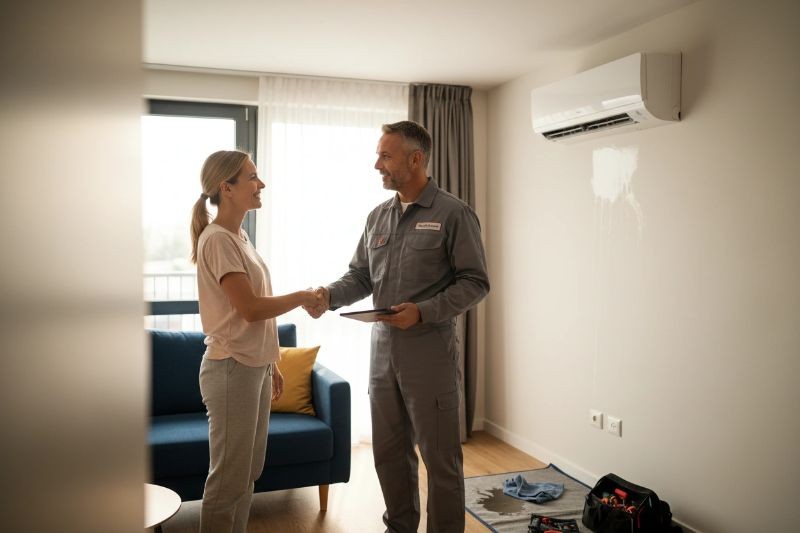
Strategic Questions for Resident Feedback
- Workmanship Quality: Was the repair completed to your satisfaction on the first visit?
- Professional Conduct: Did the specialist treat your home with respect and maintain a clean workspace?
- Communication Clarity: Did you feel well-informed throughout the scheduling and execution of the repair?
- Ongoing Concerns: Is there anything else in the unit that requires our attention while we are in maintenance mode?
Leveraging Incentives to Reward Patience
When a repair has been particularly intrusive—such as a multi-day flooring project or an emergency pipe replacement—it is wise to offer a small, tangible gesture of appreciation for the tenant’s patience. This is not an admission of guilt, but a strategic investment in the relationship. A small gift card to a local coffee shop or a modest one-time credit on the next month’s rent can completely flip the narrative of the event.
These incentives serve as a "pattern interrupt" for the tenant. Instead of remembering the week they couldn't use their kitchen, they remember the landlord who went out of their way to make things right. This approach to ad-hoc maintenance and repairs moves the interaction from a cold, legalistic one to a professional, hospitality-focused one. It is a cost-effective alternative to the massive expense of a turnover, as a $50 gesture of goodwill is a fraction of the cost of a month of lost rent and turnover services.
Elevating Property Standards with Preventative Audits
The most successful landlords use a repair request as a springboard for a broader preventative maintenance check. If a specialist is already in the unit to fix a leaky faucet, they should be tasked with a five-minute sweep of the other high-risk areas, such as the water heater, smoke detectors, and undersink plumbing. This "while we are here" approach prevents the tenant from feeling like the property is falling apart one piece at a time.
This proactive property care sends a message of total oversight. It tells the tenant that you are looking out for issues they haven't even noticed yet. By maintaining a rigorous property upkeep checklist, you reduce the frequency of emergency calls, which are the primary source of tenant stress. RentalRiff focuses on this model, utilizing licensed and insured specialists to perform these holistic checks, ensuring that the physical health of the building remains a constant priority rather than a reactive afterthought.
High-Impact "While We Are Here" Tasks
- Filter Replacements: Swapping out the HVAC filter to ensure peak system efficiency and air quality.
- Leak Detection: A quick visual scan of all visible plumbing joints and shut-off valves.
- Safety Verification: Testing all battery-operated alarms and ensuring window locks are functional.
- Appliance Tuning: Checking refrigerator coils or dryer vents to prevent future mechanical failures.
Building a Community-Centric Management Identity
Ultimately, tenants stay in properties where they feel they belong. Transforming a repair into a positive experience is a major step in building that sense of community. When you treat your tenants as valued clients rather than just occupants, you foster a culture of mutual respect. This professional identity makes it much easier to discuss lease renewals and market-rate rent increases because the value you provide is clearly documented through your actions.
By utilizing a primary contact for all tenant support and communication, you provide a consistent, high-quality brand experience that mimics the service of a luxury hotel. This specialized focus on the resident experience is what allows independent landlords to compete with large-scale management firms. RentalRiff acts as this professional partner, managing the daily logistics so that you can stay focused on the long-term growth and health of your portfolio. When the physical upkeep of the home is seamless, the decision to stay becomes the easiest one for the tenant to make.
Securing Your Portfolio Against Resident Turnover
The financial success of your real estate investment is inextricably linked to your ability to stop tenant churn. Every repair is an opportunity to prove your worth as a landlord and to secure another year of steady rental income. By focusing on rapid communication, satisfying follow-ups, and proactive maintenance, you create a resilient environment that tenants are loath to leave.
Protecting your investment requires a commitment to excellence in every interaction. Whether you are handling a minor ad-hoc fix or a major system overhaul, the principles of professional management remain the same. Stay proactive, stay responsive, and keep the resident’s comfort at the center of your strategy. With the right specialists and a focus on superior support, you can turn the headache of repairs into the foundation of your long-term success.