
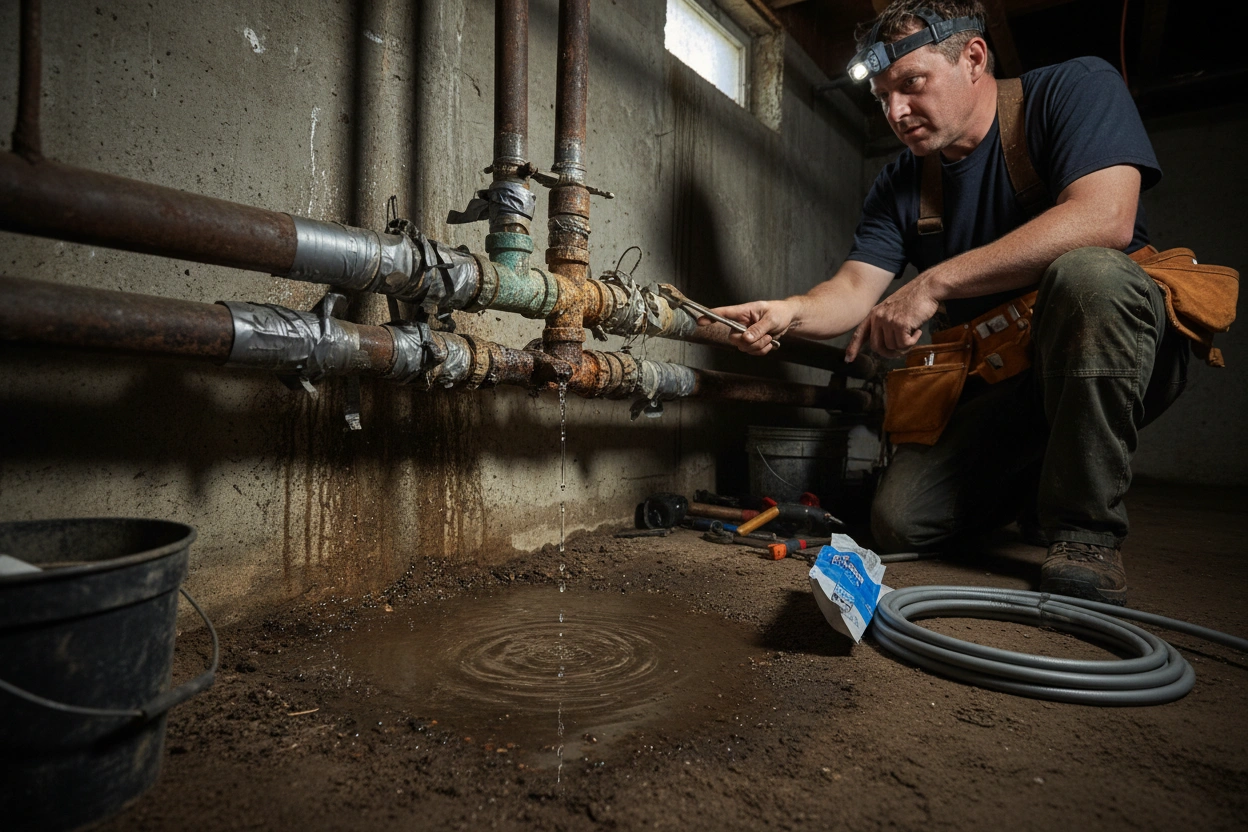
Tacoma's older rental stock carries a plumbing liability most landlords don't see coming. If your property was built before 1970, you're likely dealing with lead, galvanized steel, or early copper pipes that Tacoma's naturally acidic water supply actively corrodes. Pair that with the region's wet climate, pressure fluctuations, and freeze-thaw cycles, and deterioration accelerates faster than standard maintenance schedules account for. The full picture of what's at risk — and where — goes deeper than most owners expect.
Key Takeaways
- Many Tacoma homes built before 1950 contain lead or galvanized steel pipes that corrode faster due to the city's naturally acidic water supply.
- Tacoma's wet climate and freeze-thaw cycles accelerate pipe deterioration, root intrusion, and joint stress, compounding risks in already aging infrastructure.
- Neighborhoods like Hilltop, Stadium, and Old Town face the highest plumbing risk due to concentrated aging pipe materials and outdated systems.
- Multiple warning signs—such as rust-tinted water, slow drains, and inconsistent pressure—often signal deeper systemic failures rather than isolated minor issues.
- Deferred plumbing maintenance silently accumulates costs through water damage remediation, mold testing, and tenant displacement expenses that far exceed preventative care.
Tacoma's Aging Pipes: What's Actually in the Ground
Tacoma's residential plumbing infrastructure spans multiple eras of construction, and the pipe material beneath your rental property depends largely on when it was built.
Pre-1950s homes commonly contain lead or galvanized steel pipes, both flagged under local regulations for health and structural concerns.
Mid-century builds typically used copper, while properties constructed after the 1980s shifted toward PVC or PEX.
Each pipe material carries distinct failure patterns, repair techniques, and environmental factors—particularly Tacoma's soft, slightly acidic water supply, which accelerates corrosion in older metal lines.
Renovation impacts compound the risk when older and newer pipe sections connect incorrectly.
Understanding this historical context shapes smarter maintenance practices, helps you prioritize inspections, and supports tenant awareness of potential water quality or pressure issues before they escalate into costly failures. Furthermore, awareness of plumbing challenges is essential for effective property management in older homes.
Why Old Plumbing Fails Faster in Tacoma's Climate
Knowing what's in your pipes is only part of the picture—understanding why those materials break down in Tacoma specifically helps you get ahead of failures before they become expensive.
Tacoma's wet climate accelerates pipe corrosion and moisture damage, cutting material lifespan considerably shorter than manufacturer estimates. Pressure fluctuations from municipal system demands compound stress on older joints and fittings.
Seasonal impacts—particularly freeze-thaw cycles and sustained rainfall—drive root intrusion into compromised sewer lines and weaken exterior connections. These climate effects directly increase repair frequency if you're not running proactive maintenance schedules.
Tenant awareness also plays a role; slow leaks often go unreported until damage spreads. Tacoma's environment doesn't just age your plumbing—it actively accelerates deterioration in ways that demand more aggressive, calendar-driven oversight from you as the owner. Additionally, understanding the plumbing age of your property can help anticipate potential issues before they escalate.
The Hidden Costs When Older Plumbing Goes Wrong
When older plumbing fails in Tacoma, the repair invoice is rarely your biggest expense. Emergency repairs trigger a cascade of hidden expenses — water damage remediation, mold testing, drywall replacement, and potential code compliance upgrades that inspectors require once work begins.
You're also absorbing tenant inconveniences that carry real financial weight: temporary housing reimbursements, rent concessions to retain good tenants, and the turnover costs that follow if they leave anyway. Liability exposure compounds every scenario.
Preventative measures, by contrast, cost a fraction of reactive spending. Scheduling annual inspections, replacing failing supply lines before they burst, and monitoring water pressure systematically reduces your emergency repairs frequency. Additionally, maintaining essential systems, like plumbing and septic, is crucial for avoiding unexpected costs.
In aging Tacoma housing stock, deferred plumbing maintenance isn't a savings strategy — it's a debt accumulating interest you'll eventually pay at the worst possible moment.
Which Tacoma Neighborhoods Carry the Highest Plumbing Risk
If you own rental property in Tacoma, your plumbing risk isn't uniform across the city—it's directly tied to your neighborhood's development era and infrastructure history.
Districts like Hilltop, Stadium, and Old Town carry the highest exposure due to their pre-1950s construction, where galvanized steel and lead service lines remain common. Understanding pipe condition by district helps you anticipate failure points before they become emergency repairs. Additionally, tenant responsibilities for maintenance can significantly impact how quickly plumbing issues are addressed.
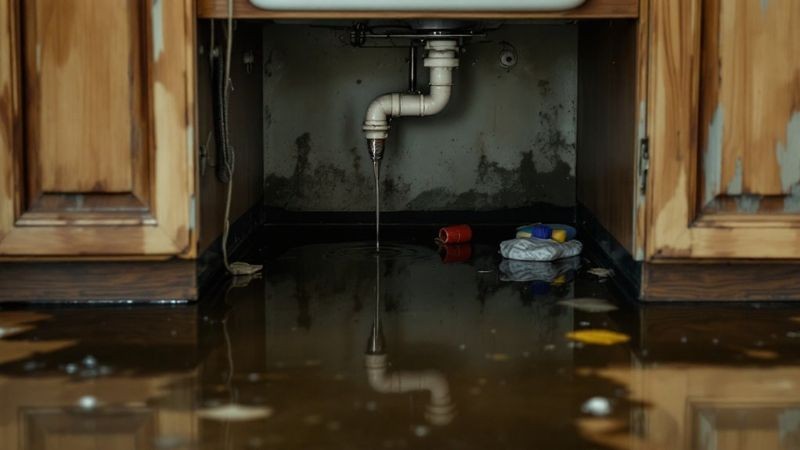
High-Risk Neighborhood Breakdown
Tacoma's oldest neighborhoods carry the highest plumbing risk for rental property owners, and understanding where your property sits on that spectrum directly affects your maintenance strategy.
North Tacoma, Stadium District, and the Hilltop neighborhood consistently present the greatest exposure due to property age and dense pre-1950s housing stock. Neighborhood demographics in these areas skew toward long-established residential blocks where galvanized steel and lead supply lines remain common.
The South End and Central Tacoma follow closely, with significant concentrations of mid-century construction carrying original drain and vent systems. If your rental sits in any of these zones, you're managing infrastructure that's already exceeded its functional lifespan.
Proximity to older municipal mains compounds the risk further, increasing the likelihood of pressure irregularities and sediment-related failures at the meter connection.
Aging Infrastructure Hotspots
Neighborhoods built before 1950 carry Tacoma's heaviest plumbing risk, and several specific areas concentrate that exposure in ways that directly affect your repair costs and tenant experience.
Tacoma's aging infrastructure creates compounding maintenance challenges across these high-density older zones:
- North Tacoma – Pre-war construction with original galvanized supply lines and clay sewer laterals still active in many parcels.
- Hilltop – Dense housing stock with deteriorating drain systems and outdated venting configurations.
- South End – Mixed-era development where aging infrastructure from earlier builds sits alongside newer additions, creating inconsistent pipe materials and pressure incompatibilities.
If your rental sits in any of these corridors, you're managing elevated baseline risk regardless of how recently individual repairs were made.
Pipe Condition by District
Understanding which districts carry the highest plumbing risk helps you prioritize inspections, budget repairs accurately, and avoid reactive maintenance cycles that erode your margins.
Tacoma's highest-risk zones cluster around Hilltop, the North End, and Central Tacoma, where housing stock frequently dates to the 1920s through 1950s. These neighborhoods carry galvanized steel and lead-joint clay sewer laterals that have exceeded their service life.
The South End and Eastside present moderate risk, with mixed-era construction complicating your assessment. Pipe inspections in these districts often reveal partially corroded lines that haven't failed yet but will.
Stadium District properties, despite their premium positioning, share the same aging infrastructure concerns.
Higher maintenance frequency in these zones isn't coincidental — it's structural. Plan accordingly.
Signs Your Rental's Plumbing Is Already Under Stress
Slow drains and recurring backups are often the first indicators that your rental's plumbing system is operating under stress.
If multiple fixtures drain slowly at the same time, you're likely dealing with a partial blockage or deteriorating pipe capacity deeper in the main line rather than an isolated clog.
Don't dismiss these early warning signs—left unaddressed, they typically escalate into full blockages, sewage backups, or pipe failures that are far more disruptive and costly to resolve. Additionally, proper drainage around the foundation can help mitigate some of the pressure on your plumbing system.
Warning Signs To Watch
Sometimes the most telling signs of plumbing stress are already visible before a pipe bursts or a fixture fails.
Leaky faucets, discolored water, and pressure fluctuations aren't minor annoyances—they're diagnostic indicators of deeper systemic issues in aging infrastructure.
Watch for these warning signs in your Tacoma rental:
- Inconsistent water pressure across fixtures, which signals partial blockages or corroding pipe interiors reducing flow capacity
- Rust-tinted or cloudy water indicating galvanized pipe oxidation actively shedding sediment into your supply lines
- Slow drains throughout multiple fixtures simultaneously, pointing to mainline buildup rather than isolated clogs
If you're seeing two or more of these conditions together, your plumbing system isn't just aging—it's already under measurable stress that warrants immediate professional assessment.
Slow Drains And Backups
Among the warning signs covered above, slow drains and sewage backups deserve a closer look because they're frequently misread as minor inconveniences rather than what they actually are—early failure indicators in an overtaxed system.
When multiple fixtures drain slowly or clogged toilets recur despite clearing, you're likely dealing with partial blockages or root intrusion deep in the lateral line—not a surface-level clog.
In aging Tacoma properties, galvanized and cast iron drain lines accumulate scale and corrosion that steadily narrow flow capacity.
Backups don't announce a single failure point; they reveal systemic deterioration. Reactive plumbing maintenance at this stage costs considerably more than early intervention would have.
Treat recurring drainage issues as diagnostic data, not routine nuisances, and investigate the underlying cause before it escalates to full system failure.
How to Stay Ahead of Plumbing Problems Before They Escalate
Catching plumbing issues early is far less costly than reacting to a full-scale failure.
In Tacoma's older housing stock, preventative maintenance isn't optional—it's essential. You need a structured approach that combines routine inspections with tenant education to keep aging systems functional.
Prioritize these interventions:
- Annual drain inspections to identify buildup, root intrusion, or pipe deterioration before blockages develop
- Tenant education protocols that teach renters what not to flush or pour down drains, reducing avoidable clogs
- Scheduled pipe assessments on properties built before 1970 to evaluate corrosion levels and remaining service life
Acting proactively protects your investment, reduces emergency call frequency, and keeps tenants from experiencing disruptive failures that damage both property and retention. Additionally, understanding tenant rights in Seattle ensures that you’re compliant and responsive to maintenance requests.
Frequently Asked Questions
Does Older Plumbing Affect My Rental Property's Insurance Premiums or Coverage?
Yes, older plumbing directly impacts your insurance implications—insurers often raise premiums or limit coverage for aging systems. Scheduling regular plumbing inspections helps you document condition, reduce risk, and negotiate better terms with your provider.
Can Aging Pipes Lower My Tacoma Rental Property's Overall Market Value?
Yes, aging pipes can lower your Tacoma rental property's market value. Buyers and appraisers factor in elevated maintenance costs and deferred plumbing inspections, signaling higher risk and reducing your property's overall appeal and price.
Are Tacoma Landlords Legally Required to Disclose Known Plumbing Issues to Tenants?
Yes, you're legally required to disclose known plumbing issues to tenants in Tacoma. Landlord responsibilities under Washington State law mandate transparency, protecting tenant rights and shielding you from liability tied to concealed material defects.
How Does Old Plumbing Impact a Rental Property's Energy and Water Efficiency?
Old pipes drive up your utility costs through water leaks and energy loss. You'll see inefficient water heaters, corroded fixtures, and poor insulation working against you, inflating both your water and heating bills considerably.
Will Tacoma's City Water System Upgrades Affect My Property's Existing Plumbing?
City upgrades can shift water pressure, which stresses your aging pipes and accelerates pipe corrosion. You'll want to inspect your property's plumbing connections and pressure regulators to prevent leaks, joint failures, or sudden damage from the system changes.
Conclusion
Tacoma's aging plumbing infrastructure isn't going to fix itself, and waiting for visible symptoms means you're already behind. You've got galvanized corrosion, clay sewer lines, and climate-driven pressure cycles working against you simultaneously. The landlords who stay ahead of this problem are the ones treating plumbing as a system — not a collection of isolated fixtures. Schedule your inspections, document your pipe materials, and don't let deferred maintenance turn a manageable repair into a five-figure emergency.