

If you own rental property in Bend, you need to winterize your irrigation system by mid-October before hard freezes crack pipes and damage valves. San Diego gives you more flexibility, with winterization extending to late November or December, but cooler nights still stress your system's components. Skipping winterization in either location risks burst pipes, failed backflow preventers, and costly emergency repairs. Keep going to understand exactly what's at stake for your specific property.
Key Takeaways
- In Bend, complete irrigation winterization by mid-October, as hard freezes can arrive between late September and mid-October.
- San Diego's milder climate allows winterization to extend through late November or December, though cold snaps still cause damage.
- Shallow irrigation lines freeze faster than deeper pipes, increasing urgency for timely winterization regardless of local climate.
- Drip systems and sprinkler systems carry different freeze risks, influencing the timing and method of winterization needed.
- Delaying winterization risks burst pipes, cracked fittings, and damaged backflow preventers, making emergency repairs far costlier than prevention.
When to Winterize Irrigation in San Diego vs. Bend
Winterizing your irrigation system at the right time depends heavily on your local climate. In Bend, you'll want to complete winterization by mid-October, before nighttime temperatures consistently drop below freezing. Delayed seasonal adjustments risk cracked pipes, damaged valves, and failed backflow preventers. The high desert climate leaves little margin for error.
In San Diego, the timeline is more flexible. Freezing temperatures are rare, so you can typically push winterization to late November or December. However, don't skip the process entirely—cooler nights still stress components, and scaling back irrigation techniques during the dry winter months prevents water waste and root rot.
Knowing your local frost window lets you schedule winterization precisely, protecting your system without shutting it down prematurely. When evaluating rental properties in either market, requesting the irrigation maintenance history from your landlord can reveal gaps in seasonal servicing that signal deeper neglect of the property's systems.
Does Your Rental's Irrigation System Actually Need Winterizing?
Whether your rental's irrigation system actually needs winterizing depends on two factors: what type of system you have and where your property is located. Winterization myths often lead landlords to skip the process entirely or apply it incorrectly. Irrigation system benefits only hold up when the system survives the off-season undamaged.
Consider these variables before deciding:
- System type: Drip systems retain water differently than sprinkler systems and carry different freeze risks
- Pipe depth: Shallow lines freeze faster regardless of climate
- San Diego properties: Mild winters reduce risk but don't eliminate it during cold snaps
- Bend properties: Hard freezes make full winterization non-negotiable
Skipping winterization based on assumptions—not conditions—is how preventable pipe damage happens. Neglecting minor repairs like small irrigation leaks can cause systemic damage over time that compounds into costly replacements across multiple property systems.
San Diego's Mild Winters Still Require Irrigation Prep
San Diego's mild winters can give landlords a false sense of security when it comes to irrigation systems. Temperatures rarely drop below freezing, but winter weather impact on irrigation components is still a real concern. Wet season pressure fluctuations, occasional cold snaps, and reduced watering demands all create conditions that require deliberate irrigation system maintenance.
Adjust your controller to reflect shorter winter watering schedules and inspect backflow preventers for early wear or leaks. Check valve seals and emitter heads for deterioration caused by seasonal debris and moisture exposure. Even in a mild climate, neglecting these steps leads to inefficient water use, system damage, and costly repairs heading into spring. Similar to fire sprinkler systems, documentation of all maintenance checks with dates and findings protects landlords during compliance audits and disputes. San Diego's winters are forgiving, but they're not maintenance-free.
In Bend, Missing the Winterization Window Can Cost You
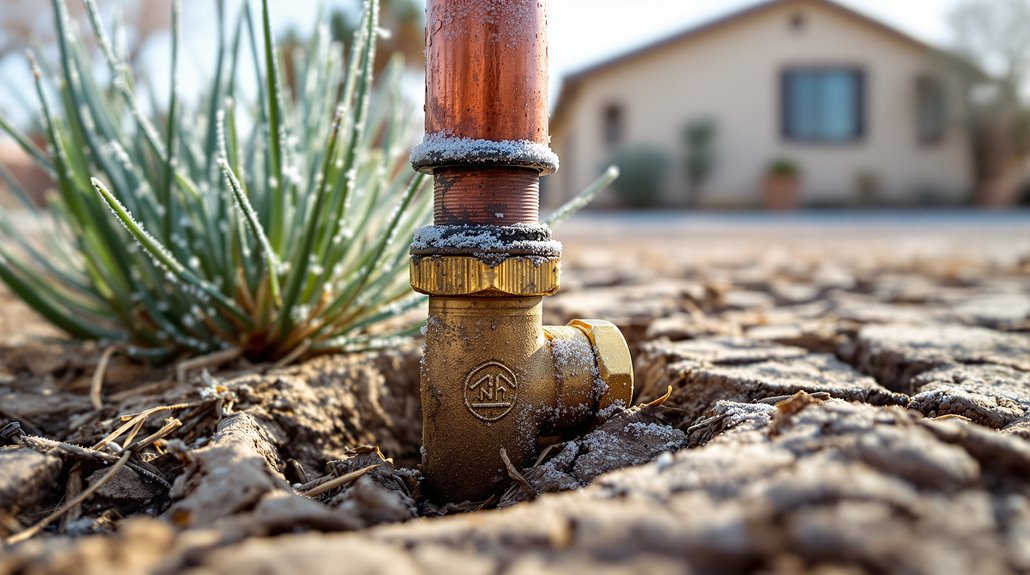
Bend's first hard freeze typically arrives in mid-October, giving you a narrow window to complete irrigation winterization before ground temperatures drop below 32°F and water left in your lines expands and splits pipes, cracks fittings, or destroys backflow preventers. If you miss that window, you're looking at repair costs that routinely run into the hundreds or thousands of dollars, far exceeding what a timely blowout would have cost. Schedule your winterization between late September and the second week of October to stay ahead of Bend's freeze timeline and protect your system before the risk becomes a certainty. Keeping a log of seasonal maintenance activities ensures you can track when winterization was last completed and identify patterns that help you stay ahead of recurring issues.
Bend's Freeze Risk Timeline
Unlike coastal cities in RentalRiff's service area, Bend sits at roughly 3,600 feet elevation, and its high desert climate delivers hard freezes earlier and more unpredictably than most landlords expect. Frost dates and irrigation types both factor into when you need to act.
Bend's freeze risk timeline breaks down like this:
- First frost typically arrives between late September and mid-October
- Hard freezes (28°F or below) can occur by October, damaging unprotected lines regardless of irrigation types
- Overnight lows drop unpredictably, sometimes skipping gradual cooling patterns
- Frost dates vary year to year, meaning last year's timing isn't a reliable guide
You can't treat Bend like a milder climate. The window to winterize is narrow, and missing it means burst pipes and costly repairs. Staying ahead of freeze damage is exactly the kind of proactive maintenance schedule that protects property value and helps landlords avoid the far costlier emergency repairs that come from neglected seasonal prep.
Damage From Delayed Winterization
When Bend's freeze window hits and your irrigation system still has water in the lines, you're not looking at a minor inconvenience—you're looking at burst pipes, cracked fittings, damaged backflow preventers, and broken sprinkler heads. Frozen pipes don't just disrupt the system; they compromise its structural integrity across multiple components simultaneously.
Irrigation repairs in Bend aren't cheap, and the costs compound quickly when freeze damage affects valves, manifolds, and lateral lines at once. A single winterization service runs a fraction of what emergency repairs cost after a hard freeze. If you miss the window—typically mid-to-late October—you're gambling against temperatures that drop fast and stay low. That's a risk your rental property's budget can't absorb unnecessarily. Just as landlords are advised to flush water heaters twice yearly to prevent sediment buildup and system failure, proactive seasonal maintenance on irrigation systems follows the same cost-saving logic.
Optimal Winterization Windows
Timing your irrigation winterization in Bend isn't a rough guideline—it's a hard operational constraint. Seasonal preparation must align with Bend's first hard freeze, which typically arrives between late October and mid-November. Miss that window, and you're absorbing preventable repair costs.
Target your irrigation maintenance using these benchmarks:
- Complete blowouts by October 15 to build in buffer before first freeze
- Monitor NOAA forecasts for sub-32°F overnight temperatures starting in September
- Schedule contractors early—technician availability drops sharply in October
- Inspect backflow preventers and valve boxes before scheduling the blowout
Waiting until temperatures already threaten freezing eliminates your scheduling flexibility. In Bend, the ideal window is narrow, and acting early is your only reliable protection. For ongoing seasonal tasks like these, a dedicated property specialist can help coordinate scheduling and vendor availability before the window closes.
What Actually Happens During an Irrigation Winterization
Irrigation winterization follows a straightforward sequence, but each step matters. A technician starts by shutting off the main water supply to the system. Next, they activate each zone individually while using compressed air to blow out residual water from the lines. This process cycles through every zone until the irrigation components are fully cleared.
Winterization techniques vary slightly depending on your system type. Drip systems require lower PSI than rotor or spray systems to avoid damaging emitters. After blowing out the lines, the technician inspects valves, backflow preventers, and controllers for damage. The controller gets set to rain or off mode. The entire process typically takes under an hour but protects your system from costly freeze-related failures. Pairing this annual service with a preventative maintenance plan tailored to your property can further reduce the risk of expensive repairs throughout the year.
How RentalRiff Handles Irrigation Winterization for Landlords
When you work with RentalRiff, your assigned property specialist coordinates irrigation winterization directly, scheduling the blowout before freezing temperatures arrive rather than waiting for you to initiate it. You stay informed throughout the process without having to chase down updates or manage contractor logistics yourself. This approach keeps your system protected, your tenants supported, and your involvement minimal.
Dedicated Specialist Coordination
For landlords managing rental properties, coordinating irrigation winterization through RentalRiff starts with your dedicated property specialist. Through direct specialist communication, your specialist tracks seasonal timelines, schedules blowouts, and sends maintenance reminders before freezing temperatures arrive. This removes guesswork and keeps winterization on schedule across your portfolio.
Your specialist coordinates the following:
- Scheduling a licensed irrigation technician to perform compressed air blowouts before first frost
- Shutting off the main irrigation supply line and draining residual water
- Inspecting backflow preventers, valves, and controller settings for cold-weather readiness
- Documenting completed winterization and logging it against your property's maintenance history
Each step is tracked and confirmed, so nothing gets missed between the warm season's end and the first hard freeze.
Proactive Winterization Scheduling
Coordinating the right people is only part of the equation—timing is what keeps irrigation systems from freezing. RentalRiff builds proactive maintenance schedules based on each property's location, so your Bend rental gets winterized well before hard freezes arrive in October, while your San Diego property follows a later, climate-appropriate timeline.
Seasonal planning starts before temperatures drop. Your dedicated specialist tracks local frost data, schedules blowouts during the correct service window, and confirms completion without requiring you to follow up. You're not reacting to cold snaps—you're ahead of them.
This approach eliminates last-minute scrambling, reduces freeze-related repair costs, and keeps your irrigation system intact through winter. Scheduling happens on a defined timeline, not when a tenant notices a problem.
Keeping Landlords Informed
Staying informed shouldn't require you to chase down updates. When RentalRiff handles irrigation winterization, your dedicated property specialist keeps you looped in at every step—no guesswork, no gaps in communication.
Here's what landlord updates typically include:
- Scheduled service dates confirming when winterization will occur
- Post-service reports documenting system status and any issues identified
- Tenant communication summaries outlining what your tenants were notified about
- Recommended follow-up actions if components need repair before the next irrigation season
This structured approach to property upkeep means you're never left wondering whether the job got done or what condition the system is in. You get clear, documented updates that help you make informed decisions about your San Diego or Bend rental property.
Frequently Asked Questions
How Much Does Irrigation Winterization Typically Cost for a Rental Property?
Irrigation winterization typically costs $75–$150 for professional service, depending on system size and cost factors like zone count. If you're handy, DIY options can reduce expenses considerably, requiring only basic tools and time.
Can Tenants Request Irrigation Winterization, or Only Landlords?
As the landlord, you hold the obligation to request irrigation winterization—it's not within tenant responsibilities. Your dedicated RentalRiff specialist coordinates scheduling directly with you, ensuring the service gets authorized and completed correctly.
How Long Does the Irrigation Winterization Process Usually Take to Complete?
Winterization typically takes one to two hours per property. Timing considerations like system complexity and seasonal weather conditions can extend this, so you'll want to schedule your specialist early to avoid delays.
Will Winterization Void My Irrigation System's Existing Warranty or Coverage?
Proper winterization typically won't void your warranty. In fact, skipping it often creates coverage concerns, as manufacturers cite neglect. Address warranty implications by following manufacturer-approved blowout procedures, ensuring your system's existing coverage stays fully intact.
How Soon Can Irrigation Systems Be Reactivated After Winter Ends?
You can begin spring activation once nighttime temperatures consistently stay above freezing. Gradually reintroduce water pressure, inspect components for damage, and make seasonal adjustments to runtime schedules before resuming full irrigation operation.
Conclusion
Timing your irrigation winterization correctly isn't optional — it's what separates proactive landlords from reactive ones. In San Diego, you've got a wider window but still need to act before temperatures dip unexpectedly. In Bend, you can't afford to wait. Know your market's freeze patterns, schedule service accordingly, and document everything. Your irrigation system is a long-term asset — treat it like one.