

When a tenant refuses maintenance access, you'll need to act carefully and methodically to protect your legal standing. Start by confirming you've provided proper written notice — typically 24 to 48 hours in advance. Document every denied entry attempt with dates, times, and communications. If refusals continue without valid cause, legal remedies like court-ordered access become your next option. The steps ahead will walk you through exactly how to handle each stage.
Key Takeaways
- Provide proper written notice (typically 24–48 hours) before entry, as courts closely scrutinize adherence to notice procedures during disputes.
- Document every access attempt, logging dates, times, notice methods, and tenant responses to build a strong legal record.
- Communicate directly with the tenant to understand their concerns and offer flexible scheduling or contractor credentials in advance.
- Consult a landlord-tenant attorney if repeated refusals occur, especially when blocked repairs create habitability or liability issues.
- File for court-ordered access as a last resort, presenting documented notices and communications to support your petition.
Why Tenants Refuse Maintenance Access (And What It Usually Means)
When a tenant refuses maintenance access, it's rarely random. Most refusals stem from identifiable tenant concerns: privacy, safety, scheduling conflicts, or distrust built up over time. Some tenants worry about strangers entering their space. Others may have had poor experiences with previous landlords or contractors.
Communication barriers also play a significant role. If your notice was unclear, too short, or delivered through an unreliable channel, tenants may refuse simply because they didn't fully understand the request or felt blindsided.
Recognizing the underlying reason matters because it shapes how you respond. A tenant who feels unsafe needs a different approach than one who missed your message.
Before escalating, take a step back and assess what's actually driving the refusal. Proactive communication can often alleviate tenant concerns and foster a more cooperative environment.
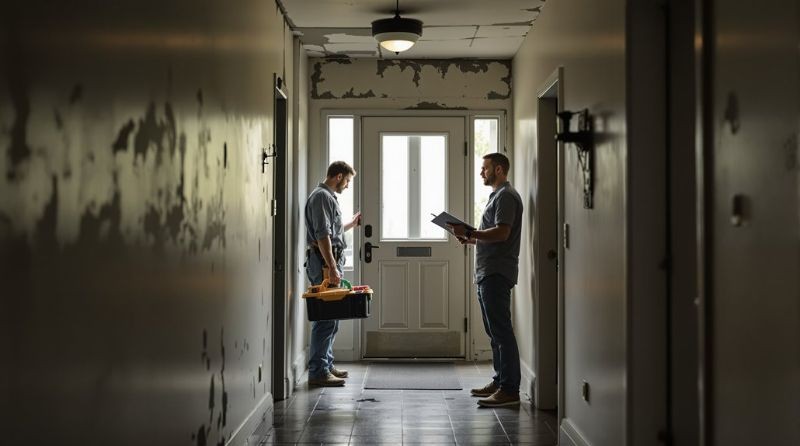
Your Legal Right to Enter as a Landlord
Once you understand why a tenant is refusing access, you need to know where you stand legally. As a landlord, you have the right to enter your property for repairs, inspections, and maintenance. That's not optional—it's a legal landlord right protected under state law.
Most states require you to provide advance written notice before entry, typically 24 to 48 hours, except in emergencies. Tenant obligations include allowing reasonable access when proper notice is given. A tenant can't legally block entry simply because it's inconvenient.
That said, landlord rights aren't unlimited. You can't enter at unreasonable hours or harass tenants with excessive visits. Understanding your obligations under Chapter 59.18 RCW keeps you protected legally and gives you a clear, defensible position if the situation escalates.
Start With a Direct Conversation Before Escalating
Before escalating the situation legally or administratively, reach out to your tenant directly to understand why they're hesitant about allowing access.
A tenant may have valid concerns—scheduling conflicts, privacy worries, or past experiences with repairs gone wrong—and acknowledging those concerns can shift the dynamic quickly.
Ask what time works best for them and work around their schedule when possible, since a small accommodation on your end can often resolve the resistance without further action. Additionally, fostering open communication can help build trust and alleviate any apprehensions the tenant may have regarding maintenance access.
Ask Why They're Hesitant
Why is your tenant refusing access? Understanding their reasoning is your first step. Some tenants have privacy concerns, past negative experiences with contractors, or scheduling conflicts that make access difficult. Others may feel anxious about strangers entering their home.
Before escalating, open communication can resolve most situations quickly.
Reach out directly—by phone, email, or a written notice—and ask about their hesitation. Listen carefully to their tenant concerns without dismissing them.
If scheduling is the issue, offer flexible time windows. If they're worried about who's entering, provide contractor credentials in advance. Documenting this conversation also protects you legally if the situation escalates later.
Most tenants aren't refusing access out of bad faith—they simply need reassurance and a process they feel comfortable with.
Find a Convenient Time
Sometimes the simplest fix is finding a time that actually works for your tenant. Resistance often stems from inconvenience rather than outright refusal. If your initial maintenance window conflicted with their work schedule or personal commitments, proposing schedule flexibility can resolve the issue quickly.
Ask directly about their tenant preferences — mornings, evenings, or weekends — and try to accommodate them within reason. Document the dates and times you offer, along with their responses. This record matters if the situation escalates and you need to demonstrate good-faith efforts.
Keep in mind that most leases require tenants to provide reasonable access, but courts and regulators generally expect landlords to make reasonable scheduling efforts first. A flexible approach protects you legally while keeping the relationship intact.
How to Document Every Denied Entry Attempt
Thorough documentation is your strongest protection when a tenant refuses access. Each time entry is denied, log the date, time, method of notice, and the tenant's response in your entry logs.
Keep copies of all written notices, emails, and texts as part of your communication strategies. If you called the tenant, note what was said and when.
This record establishes a clear timeline if the dispute escalates to legal action or lease enforcement. Use a consistent format for every attempt so the documentation holds up under scrutiny.
Additionally, ensure you are aware of local landlord-tenant laws regarding access rights, as they can influence how you proceed in such situations.
Store records digitally and back them up. If you're working with a property specialist through RentalRiff, they can help you track these incidents and make certain you're following the proper procedures required in your state.
When to Involve a Lawyer or File for Legal Remedies
When documentation and written notices fail to resolve a tenant's repeated refusal, it's time to contemplate legal escalation.
You'll want to consult an attorney who specializes in landlord-tenant law in your jurisdiction, since access rights, notice requirements, and remedies vary by state and city. If the situation warrants it, your attorney can help you file for court-ordered access, which compels the tenant to comply under penalty of contempt. Additionally, ensure that you are aware of the Tenant Protection Act as it may influence your legal options in this scenario.
Recognizing Legal Escalation Triggers
Most access disputes resolve through communication and documentation, but some situations cross a threshold that warrants legal intervention. Knowing when you've reached that point protects both your landlord responsibilities and the integrity of the tenancy.
Consider involving a lawyer or pursuing legal remedies when:
- A tenant repeatedly denies proper notice entries without cause
- Habitability repairs are blocked, creating liability exposure
- The tenant claims tenant rights violations to obstruct legitimate access
- Written notices go ignored beyond your jurisdiction's required response window
- Safety or code compliance deadlines are at risk
At this stage, an attorney familiar with landlord-tenant law in your state can help you pursue a court order for access or evaluate grounds for lease enforcement.
Document everything before taking that step.
Choosing the Right Attorney
Once you've determined that legal action is the right path forward, finding an attorney who specializes in landlord-tenant law in your state isn't optional—it's the difference between a well-executed legal strategy and a costly procedural mistake.
Tenant rights vary markedly by jurisdiction, and legal interpretations of access refusal cases differ across Seattle, Portland, Denver, and other markets. An attorney familiar with your local statutes will know which notices carry legal weight, how courts have ruled on similar disputes, and what documentation strengthens your position.
Look for someone with verifiable landlord-side experience, not just general real estate knowledge. A qualified attorney will also identify whether you've followed proper notice procedures before filing—a critical factor courts scrutinize closely when evaluating whether your access request was lawful.
Filing for Court-Ordered Access
If a tenant continues refusing lawful access after proper notice and documented attempts at resolution, filing for court-ordered access becomes your next viable step.
Work with your attorney to petition the appropriate local court, presenting your documentation of notice, communications, and the maintenance necessity. Courts weigh tenant rights carefully, so your records must clearly demonstrate lawful compliance on your part.
Court procedures vary by jurisdiction, so understanding local rules in markets like Seattle, Portland, or Denver matters.
The court may issue an order compelling access within a defined timeframe. Violating that order carries legal consequences for the tenant.
Acting through proper legal channels protects you from countersuits, preserves the tenancy relationship where possible, and guarantees the property receives necessary maintenance without unnecessary escalation.
How RentalRiff Handles Tenant Access Issues for You
Dealing with a tenant who refuses maintenance access can put you in a difficult position, but RentalRiff's dedicated property specialists handle the process from start to finish.
From the first sign of pushback, your specialist manages tenant communication, documents every interaction, and coordinates maintenance scheduling around legal requirements.
Here's how they support you:
- Send properly worded access notices that comply with your state's landlord-tenant laws.
- Mediate directly with the tenant to resolve disputes before they escalate.
- Guide you through formal procedures, including court-ordered access filings, if necessary.
You don't have to navigate the legal nuances alone. RentalRiff keeps the process structured, protects your rights as a property owner, and works to resolve access issues efficiently while maintaining a professional relationship with your tenant. Additionally, our commitment to excellent service ensures both owners and tenants feel valued throughout the process.
Frequently Asked Questions
Can a Tenant Withhold Access if They Feel the Landlord Is Retaliating?
While tenant rights and retaliation laws protect tenants from unlawful landlord actions, they can't legally withhold maintenance access. You must still follow proper entry procedures, even if a tenant believes you're retaliating against them.
Does a Tenant's Work Schedule Count as a Valid Reason to Reschedule?
Yes, a tenant's work schedule can create valid scheduling conflicts. You must respect tenant rights by offering alternative times that reasonably accommodate their availability while still ensuring timely maintenance access.
What Happens if a Tenant Claims the Maintenance Worker Acted Inappropriately?
If a tenant claims misconduct, take it seriously. Document the complaint, suspend that worker's access, and review your maintenance protocols. Respecting tenant rights throughout the investigation protects you legally and preserves the landlord-tenant relationship.
Can Repeated Access Refusals Affect a Tenant's Rental History or References?
Yes, repeated access refusals can impact a tenant's rental history. When you provide tenant references to future landlords, you're able to honestly document patterns of non-compliance, including repeated refusals that violated lease terms.
Should Landlords Adjust Notice Requirements for Month-To-Month Versus Long-Term Leases?
You don't necessarily need to adjust notice periods—most states set the same legal minimums regardless of lease type. Still, you should review your lease agreements to guarantee your notice periods align with local regulations.
Conclusion
When a tenant refuses maintenance access, you can't afford to wing it. Follow the proper notice procedures, document every denied entry attempt, and escalate through legal channels when necessary. Your property and liability are on the line, so every step you take must be deliberate and defensible. If managing this process feels overwhelming, RentalRiff handles it for you — keeping you compliant, protected, and in control without the back-and-forth headaches.