

Oregon's habitability laws require you to keep your rental unit structurally sound, weatherproofed, and equipped with working plumbing, heating, and electrical systems — continuously throughout the tenancy, not just at move-in. You're not required to fix cosmetic issues like faded paint, aesthetic upgrades, or damage your tenant caused. The line between what's legally required and what isn't matters more than most landlords realize, and the details below clarify exactly where that line falls.
Key Takeaways
- Oregon landlords must maintain structural integrity, including roofs, walls, floors, and foundations, ensuring windows, doors, and stairways remain secure and stable.
- Heating systems must sustain a minimum of 68°F, with working plumbing providing hot and cold water and safe electrical systems.
- Landlords must address emergency repairs within 24 hours and non-emergency written repair requests within seven days.
- Cosmetic issues like faded paint, minor scuffs, and aesthetic upgrades that don't affect habitability are not legally required repairs.
- Tenant-caused damage and tenant-supplied appliances fall outside landlord obligations under Oregon's habitability standards.
What Oregon's Habitability Laws Actually Cover
Oregon's habitability laws establish a baseline standard that every residential rental unit must meet before a tenant moves in—and throughout the entire tenancy. Under ORS 90.320, you're legally required to maintain rental units in a habitable condition, meaning the property must be structurally sound, weatherproofed, and equipped with working plumbing, heating, and electrical systems.
These statutes define your maintenance responsibilities clearly. You must provide adequate sanitation, functioning smoke and carbon monoxide detectors, and safe common areas.
Tenant rights under Oregon law entitle renters to a livable space—not just at move-in, but continuously. Landlords must also familiarize themselves with Chapter 59.18 RCW to understand their broader obligations.
What the law doesn't cover is equally important. Cosmetic issues, minor inconveniences, and tenant-caused damage fall outside habitability requirements. Understanding this distinction helps you prioritize legally required repairs over discretionary improvements.
The Specific Conditions Oregon Law Requires You to Maintain
Oregon law spells out the exact physical conditions your rental must meet, and failing to maintain them puts you at legal risk.
You're required to keep the structure sound—meaning the roof, walls, floors, and foundation must remain weathertight and free of significant defects.
Beyond structure, you must also keep essential systems operational, including heating, plumbing, and electrical, each functioning safely and reliably. Additionally, landlords are responsible for ensuring that septic systems are regularly maintained to prevent serious issues that could affect habitability.
Structural Integrity Requirements
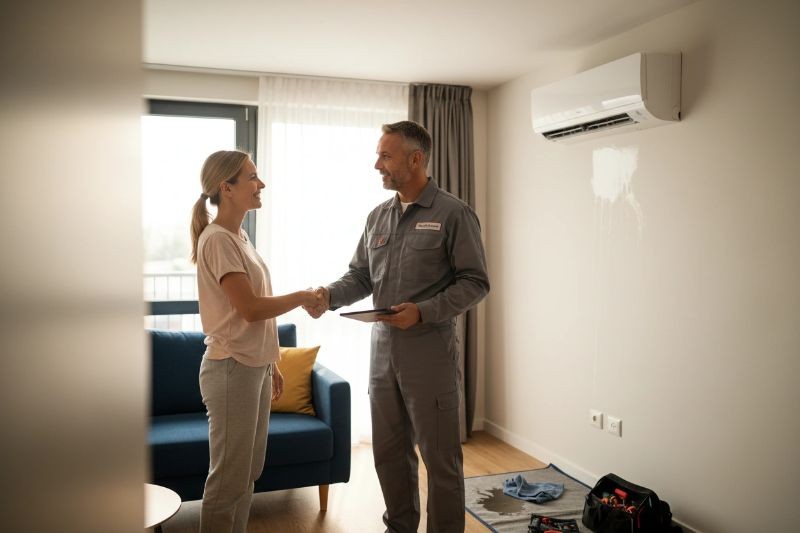
Under Oregon law, landlords must maintain rental properties in a habitable condition, and structural integrity sits at the core of that obligation. You're required to keep roofs, walls, floors, and foundations structurally sound and free from deterioration that could compromise tenant safety.
Windows and doors must close securely, and stairways and railings must remain stable and intact.
Oregon's maintenance guidelines hold you accountable for addressing structural deficiencies promptly once identified. Routine structural inspections help you catch developing problems before they violate habitability standards or trigger tenant remedies under ORS 90.365.
Neglecting structural conditions—whether a sagging ceiling, deteriorating foundation, or compromised load-bearing wall—can expose you to rent withholding, repair-and-deduct claims, or termination of tenancy. Staying proactive is both a legal obligation and a practical safeguard.
Essential Systems Standards
Beyond structural soundness, Oregon law requires you to maintain the functional systems that make a unit livable on a daily basis. Your maintenance responsibilities under ORS 90.320 cover essential utilities and operating systems across the entire rental unit.
Specifically, you must provide and maintain:
- Heating systems capable of keeping the unit at a minimum of 68°F
- Plumbing systems with adequate hot and cold running water
- Electrical systems in safe working condition
- Ventilation sufficient to prevent moisture accumulation and air quality issues
Oregon law doesn't require you to maintain tenant-supplied appliances or fixtures, but any system integral to the unit's habitability remains your legal obligation.
Failing to uphold these essential utilities can expose you to rent withholding, repair-and-deduct remedies, or lease termination by the tenant.
What Habitability Laws Don't Require You to Fix
While Oregon's habitability laws set a clear floor for livable conditions, they don't require you to maintain every aspect of a rental property.
Cosmetic repairs and tenant responsibilities fall outside your statutory obligations.
You're not required to address:
- Cosmetic wear – faded paint, minor scuffs, or dated fixtures that don't affect function or safety
- Tenant-caused damage – deterioration resulting from misuse, neglect, or unauthorized alterations by the tenant
- Aesthetic upgrades – flooring style, appliance appearance, or décor preferences that don't compromise habitability
Oregon law draws a clear line between conditions that threaten health and safety and those that simply affect comfort or appearance. Additionally, landlords must address defective fixtures that affect safety or functionality, but not aesthetic concerns.
Understanding that distinction protects you from overextending your maintenance obligations.
When Tenants Can Legally Withhold Rent in Oregon
Oregon law gives tenants a legal remedy when landlords fail to maintain habitable conditions: rent withholding. Under ORS 90.365, tenants can deposit rent into escrow or reduce rent payments if you don't make essential repairs within a reasonable timeframe after receiving written notice. These tenant rights apply specifically to conditions that violate habitability standards—not minor inconveniences or cosmetic issues. Tenants must follow statutory procedures, including providing proper written notice and allowing you adequate time to respond before exercising any legal protections. If you ignore documented habitability violations, tenants can also pursue repair-and-deduct remedies or terminate the lease entirely. Staying current on maintenance requests and responding promptly to written notices is your most effective defense against rent withholding actions. Additionally, landlords should be aware that just cause eviction can be a significant factor if they fail to address habitability issues appropriately.
How Quickly You Must Respond to Habitability Issues
Oregon law sets strict timelines for how quickly you must address habitability issues once a tenant provides written notice.
For emergency repairs—those affecting health or safety, like a failed heating system in winter or a sewage backup—you must respond within 24 hours.
Non-emergency habitability issues require action within 30 days, though acting sooner protects you from tenant remedies like rent withholding or repair-and-deduct. Additionally, ensuring compliance with state and local laws can help prevent potential disputes with tenants.
Required Response Timeframes
When a tenant reports a habitability issue, Oregon law sets strict deadlines for your response—and missing them carries real legal consequences.
Response timeframes vary based on severity, and your tenant communication must be prompt and documented.
Oregon statutes require:
- 24 hours to begin repairs for emergency conditions—no heat, no water, gas leaks, or sewage failures
- 7 days to complete repairs for serious but non-emergency habitability deficiencies
- 30 days for minor habitability issues that don't pose immediate health or safety risks
Failing to meet these deadlines gives tenants legal grounds to pursue rent reduction, repair-and-deduct remedies, or lease termination.
Document every tenant communication and every repair action with timestamps to protect yourself if a dispute arises.
Emergency Versus Non-Emergency
Knowing whether a habitability issue qualifies as an emergency determines how fast you must act. Oregon law requires you to complete emergency repairs within 24 hours of receiving notice. These include failures affecting heat, plumbing, electrical systems, structural safety, or any condition posing an immediate health or safety risk.
Non-emergency requests follow a different standard. You must address them within seven days of written notice, provided the repair is reasonable and the tenant has properly notified you.
Misclassifying an emergency as a non-emergency exposes you to legal liability. Tenants may pursue rent reduction, lease termination, or damages if you fail to respond within the required timeframes.
Accurately distinguishing between the two categories isn't optional — it's a statutory obligation you must consistently meet.
What Happens If You Ignore Oregon Habitability Standards
Ignoring Oregon's habitability standards carries real legal and financial consequences.
Tenants have enforceable remedies under ORS 90.365, and exercising them damages both your finances and tenant relations.
Unaddressed violations expose you to:
- Rent withholding or reduction – Tenants may legally pay reduced rent or withhold payment until conditions are corrected.
- Repair-and-deduct – Tenants can hire repairs themselves and deduct costs directly from rent.
- Lease termination – Tenants may terminate without penalty, leaving you with vacancy and legal repercussions.
Courts can also award damages, attorney fees, and civil penalties against you.
Oregon judges don't treat habitability failures leniently. Staying proactive about maintenance isn't optional—it's your statutory obligation and your strongest protection against costly disputes. Additionally, failure to comply with landlord obligations can lead to significant financial liabilities.
Frequently Asked Questions
Does Oregon Habitability Law Apply Differently to Furnished Versus Unfurnished Rentals?
Oregon's habitability laws don't distinguish between furnished and unfurnished rentals. You must meet the same core standards regardless. However, furnished amenities you've provided raise tenant expectations, meaning you're responsible for maintaining what you've included in the lease.
Can a Tenant's Own Negligence Reduce Your Habitability Obligations as a Landlord?
Yes, tenant negligence can reduce your landlord responsibilities. If a tenant's actions cause a habitability issue, you're not liable for repairs—Oregon law shifts the duty to maintain back to the negligent tenant.
How Do Habitability Standards Differ Between Short-Term and Long-Term Rentals in Oregon?
Oregon's habitability laws don't apply equally—you're subject to stricter long term obligations under ORS Chapter 90 for residential leases, while short term regulations governing vacation rentals fall under different statutory frameworks with lighter habitability requirements.
Are Landlords Required to Disclose Known Habitability Issues Before a Tenant Moves In?
Yes, you must disclose known habitability issues before move-in. Oregon's landlord responsibilities require upfront tenant disclosures of material defects affecting health or safety—failing to do so can expose you to legal liability.
Do Oregon Habitability Laws Change if the Tenant Rents a Room in Your Home?
Yes, Oregon's habitability laws still apply to room rentals, but tenant rights shift slightly. You're exempt from certain landlord-tenant statutes if you share living spaces, though you must still maintain essential habitability standards.
Conclusion
Oregon's habitability laws aren't optional guidance — they're binding obligations with real consequences if you ignore them. You're required to maintain structural integrity, essential systems, and safe living conditions throughout the tenancy. You're not required to preserve cosmetic features or address tenant-caused damage. Know the difference, respond within statutory timeframes, and document everything. That's how you stay compliant, protect your investment, and keep disputes from becoming legal liability.