

Your first 90 days as a landlord will expose every deferred maintenance issue your property's been hiding. You'll face appliance failures, HVAC breakdowns, plumbing faults, and pest infestations simultaneously. Combat this by executing a pre-tenancy inspection protocol, building a tiered repair response system, and assembling a pre-vetted contractor network before occupancy. Document everything with timestamped records to protect yourself legally. Master the DIY-versus-professional calculus now, and what's ahead will sharpen your operational edge considerably.
Key Takeaways
- Conduct a structured pre-tenancy walkthrough, documenting deficiencies with timestamped photos and prioritizing life-safety systems for immediate remediation before tenant occupancy.
- Establish a tiered repair response system with pre-vetted contractors, defined SLAs, and a centralized tracking system operational before tenants move in.
- Log every maintenance request with timestamps, issue classifications, communication records, and resolution confirmations to avoid liability and tenant disputes.
- Assess DIY versus professional help carefully, reserving licensed contractors for electrical, structural, and HVAC work to prevent costly code violations.
- Use a skills self-assessment checklist covering electrical, plumbing, HVAC, and structural competencies to honestly benchmark capabilities before attempting repairs.
What Actually Breaks in Your First 90 Days as a Landlord
The first 90 days of owning a rental property expose every deferred maintenance issue the previous owner never addressed. You'll encounter appliance failures, plumbing issues, and electrical malfunctions within weeks of tenant occupancy.
HVAC breakdowns typically surface during the first seasonal shift, while pest infestations emerge once tenants disturb settled structures. Exterior damage and landscaping problems compound quickly without an established maintenance protocol.
Tenant disputes often originate from these unresolved systemic failures rather than personality conflicts.
Prioritize a pre-tenancy inspection that documents mechanical systems, structural integrity, and utility infrastructure.
Categorize deficiencies by urgency: life-safety items first, functional systems second, cosmetic issues third. Establishing this triage framework early prevents reactive, costly repairs and positions you as a competent landlord before problems escalate into legal liability. Additionally, ensure compliance with local regulations and codes to avoid fines that could further complicate your early days as a landlord.
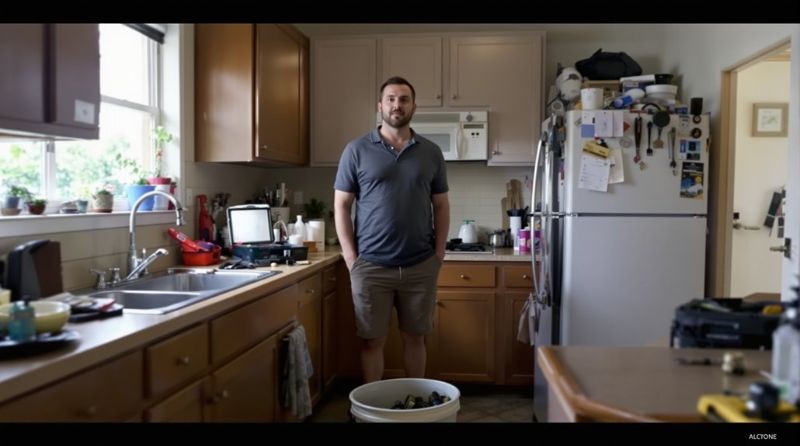
Do This Maintenance Walkthrough Before Tenants Move In
Before a single tenant sets foot on the property, conduct a structured pre-occupancy walkthrough that systematically audits every mechanical, structural, and operational system.
Your pre move inspection should follow a room-by-room protocol covering HVAC functionality, plumbing pressure, electrical panel integrity, weather sealing, appliance operation, and smoke and CO detector compliance.
Document every deficiency with timestamped photos and written condition reports. This creates your legal baseline and identifies essential repairs before they become tenant disputes or habitability violations.
Prioritize life-safety systems first—faulty detectors, exposed wiring, and compromised gas lines require immediate remediation.
Secondary items like weatherstripping gaps, caulking failures, and hardware deficiencies follow.
Completing this audit before occupancy compresses your liability exposure, establishes property condition documentation, and prevents reactive maintenance from dominating your first 90 days. Additionally, ensure that smoke and carbon monoxide alarms are functional to enhance tenant safety and compliance.
Build a Repair Response System Before You Need One
Once your pre-occupancy audit is documented and deficiencies are remediated, your next operational priority is building a repair response infrastructure before your first maintenance request hits.
Proactive communication and efficient workflows don't materialize under pressure—they require deliberate pre-tenancy configuration.
Establish these four core components now:
- Designated intake channel — A single, documented method for tenants to submit maintenance requests (text, email, or portal).
- Tiered response matrix — Categorize repairs by urgency: emergency, priority, and routine.
- Pre-vetted contractor network — Secure licensed contacts for plumbing, electrical, HVAC, and general repairs before you need them.
- Response time SLAs — Define your acknowledgment and resolution timelines in writing, per tier.
Your system's integrity gets tested at 11 PM on a Saturday. Build it before then. Additionally, ensure that you track maintenance requests to provide transparency and accountability in your repair process.
The Vendors Every New Landlord Should Line Up Now
Five vendor categories form the operational backbone of any functional landlord maintenance infrastructure: plumbing, electrical, HVAC, general contracting, and locksmithing.
Establish vendor partnerships within each category before your first maintenance request arrives. Reactive sourcing under pressure produces poor contractor selection and inflated invoicing.
Prioritize vendors offering maintenance contracts for recurring service intervals—HVAC tune-ups, plumbing inspections, and seasonal preventative work. These agreements typically enable priority scheduling and reduced emergency labor rates.
Build a tiered emergency contacts list: primary vendor, secondary backup, and after-hours escalation. Distribute this list systematically so response never stalls on availability gaps.
Run quarterly service reviews against each vendor's response times, invoice accuracy, and workmanship quality. Underperforming vendors get replaced.
Your maintenance infrastructure is only as reliable as the contractors executing within it. Additionally, consider leveraging a vast network of specialized maintenance professionals to enhance service quality and response times.
How to Handle Tenant Maintenance Requests Without Losing Your Mind
Once your tenant moves in, you'll need a structured intake process for maintenance requests—whether that's a dedicated email address, an online portal, or a text-based system—so nothing slips through the cracks. Triage every request immediately, separating urgent, life-safety issues like HVAC failures or plumbing leaks from routine, non-critical repairs that can be scheduled on a standard timeline. You'll also want to log each request in a centralized tracking system, documenting submission dates, vendor assignments, completion status, and costs to maintain a clear maintenance audit trail. Additionally, consider implementing online maintenance requests to streamline tenant submissions and improve response times.
Set Clear Request Processes
Without a defined maintenance request process, you'll spend your first 90 days fielding texts at midnight, chasing down vague complaints, and scrambling to coordinate repairs with zero documentation.
Implement a structured intake system using request templates and clear communication protocols from day one.
Your process should include:
- A single submission channel — tenant portal, dedicated email, or online form only
- Standardized request templates — capturing issue type, location, severity, and photos
- Priority tiers — emergency, urgent, and routine classifications with defined response windows
- Automatic acknowledgment — confirming receipt and next steps immediately upon submission
This framework eliminates ambiguity, creates an auditable paper trail, and sets enforceable expectations.
Tenants know where to go; you know what's coming.
Prioritize Urgent Repairs First
Having a structured intake system means nothing if you don't act on requests in the right order. Triage every incoming request using a tiered priority framework: emergency, urgent, and routine.
Emergency protocols should cover habitability threats—no heat, active leaks, electrical hazards, or compromised security. These demand same-day response windows, no exceptions.
Urgent issues, like malfunctioning appliances or minor leaks, require 24–48 hour resolution timelines. Routine cosmetic repairs can be batched and scheduled weekly.
Your tenant communication strategy must reflect these tiers explicitly. When tenants submit a request, auto-respond with a priority classification and estimated response time. This sets expectations, reduces follow-up calls, and protects you legally.
Documented prioritization isn't just operational discipline—it's liability management.
Track Every Maintenance Request
Every maintenance request that enters your pipeline needs a corresponding paper trail—no exceptions. Inconsistent request documentation creates liability exposure, missed follow-throughs, and tenant disputes.
Your maintenance tracking system should capture every interaction from initial report to final resolution.
Build your documentation protocol around these four data points:
- Timestamp — Log the exact date and time you received the request.
- Issue classification — Categorize by urgency tier: emergency, urgent, or routine.
- Communication record — Document every tenant exchange, including response times.
- Resolution confirmation — Record completed repairs with photos and contractor invoices.
Without this infrastructure, you're operating reactively. A structured maintenance tracking workflow keeps you legally protected, operationally efficient, and positioned to identify recurring property issues before they escalate into costly capital expenditures.
When to DIY and When to Call a Pro
Knowing your skill limits isn't optional—it's a core part of your risk management strategy as a landlord.
High-risk jobs like electrical, structural, and HVAC work require licensed pros, since DIY attempts can trigger code violations, void insurance coverage, and expose you to liability.
Before you grab your toolbox, run a cost-risk analysis: if the job carries significant safety, legal, or property-damage exposure, the pro's invoice is almost always the cheaper outcome. Additionally, understanding your legal responsibilities as a landlord can help you determine which repairs necessitate professional intervention.
Know Your Skill Limits
One of the fastest ways to drain your cash flow as a landlord is misclassifying which repairs fall within your skill set.
Use a self assessment checklist to audit your competencies before touching any system. Skill development resources like trade-specific YouTube channels, local workshops, and code documentation sharpen your baseline faster than trial-and-error.
Before picking up tools, benchmark yourself honestly:
- Electrical — Can you safely replace outlets, GFCI breakers, or panel components without creating code violations?
- Plumbing — Can you diagnose supply versus drain issues and handle compression fittings correctly?
- HVAC — Can you service filters, condensate lines, and thermostats without voiding warranties?
- Structural — Can you identify load-bearing elements before cutting, patching, or framing anything?
Misread any category, and you're paying double.
High-Risk Jobs Require Pros
Even with a solid skill set, certain repair categories carry liability exposure and code enforcement risk that make DIY attempts financially irrational.
High risk repairs—electrical panel upgrades, gas line work, load-bearing structural modifications, and HVAC refrigerant handling—require licensed contractors with jurisdiction-specific permits and inspections.
Attempting these without credentials exposes you to voided insurance claims, failed municipal inspections, and tenant injury liability.
Professional assessments aren't optional in these categories; they're your legal and financial protection.
Unlicensed electrical or gas work that causes property damage or injury can result in full liability transfer to you as the owner.
Code violations discovered during a sale or insurance claim compound the cost exponentially.
Identify these non-negotiable categories upfront, budget accordingly, and never treat licensing requirements as bureaucratic suggestions.
DIY Cost vs. Risk
Every maintenance decision carries a cost-benefit calculation that goes beyond the repair invoice itself. Your budgeting strategies must account for hidden variables, and your risk assessment should drive every call you make.
Before grabbing your toolbox, evaluate these four critical factors:
- Labor arbitrage — Is your hourly opportunity cost higher than the contractor's rate?
- Liability exposure — Does a botched DIY repair create tenant injury risk or code violations?
- Material procurement — Can you source parts at competitive pricing without trade accounts?
- Failure consequence — Does an incorrect repair cascade into structural or habitability issues?
DIY wins on cosmetic, low-stakes tasks. Anything touching systems, permits, or tenant safety demands licensed intervention.
Protect your asset and your liability position accordingly.
Frequently Asked Questions
How Do I Document Maintenance History for Tax and Legal Purposes?
Keep detailed maintenance logs for every repair, including dates, costs, contractor invoices, and tenant communications. You'll guarantee legal compliance and maximize tax deductions by systematically storing records digitally for easy retrieval during audits or disputes.
Should I Require Tenants to Carry Renters Insurance for Property Protection?
Yes, you should require renters insurance. It mitigates liability exposure, offsets ancillary insurance costs, and delivers measurable tenant benefits by covering personal property loss—creating a dual-indemnification framework that systematically protects both parties throughout the tenancy lifecycle.
What Maintenance Responsibilities Can I Legally Pass on to Tenants?
You can legally assign tenant obligations like minor upkeep—lawn care, filter replacements, and cleanliness standards—but you can't breach habitability statutes. Know your jurisdiction's legal limits before transferring any structural, HVAC, or plumbing maintenance responsibilities contractually.
How Often Should I Schedule Routine Inspections During a Tenancy?
Schedule inspections at move-in, mid-lease (every 6 months), and move-out. You'll optimize inspection frequency by pairing each walkthrough with proactive tenant communication, ensuring lease compliance, early defect detection, and systematic documentation of your property's condition.
Does Regular Maintenance Actually Increase My Rental Property's Long-Term Value?
Yes, regular maintenance directly drives property appreciation. By proactively managing maintenance costs, you're preserving structural integrity, preventing capital deterioration, and systematically enhancing your asset's market valuation—ensuring your rental property commands premium rental rates and maximizes long-term investment returns.
Conclusion
Your first 90 days as a landlord aren't just a learning curve — they're a critical operational window. Execute your pre-occupancy walkthrough, lock in your vendor network, and systematize your maintenance request protocol before issues escalate into liabilities. You've got the framework; now implement it. Reactive landlords bleed money. Proactive ones build equity. Treat maintenance management as infrastructure, not inconvenience, and you'll stabilize your asset's performance from day one.