

The home rental repairs that cause the most tenant complaints include plumbing issues, HVAC failures, broken appliances, pest and mold infestations, and structural or safety hazards. These problems don't just frustrate tenants — they drive move-outs, spark legal disputes, and drain your rental income. Responding quickly protects your property value and keeps good tenants renewing leases. Keep going to discover exactly what each repair category costs you when you ignore it.
Key Takeaways
- Plumbing issues like leaky faucets and clogged drains are among the most frequently reported tenant complaints in rental properties.
- HVAC failures during extreme weather directly threaten tenant safety and often trigger lease disputes or early move-outs.
- Landlords must promptly repair included appliances, as delays create frustration and unmet tenant expectations.
- Pest infestations and mold growth pose serious health risks and can lead to legal disputes if ignored.
- Structural and electrical hazards require immediate attention, as delayed repairs damage property value and increase tenant turnover.
Plumbing Repairs Tenants Report First
When a pipe bursts or a drain backs up, tenants don't wait — they call. Plumbing issues rank among the most frequently reported rental complaints, and for good reason.
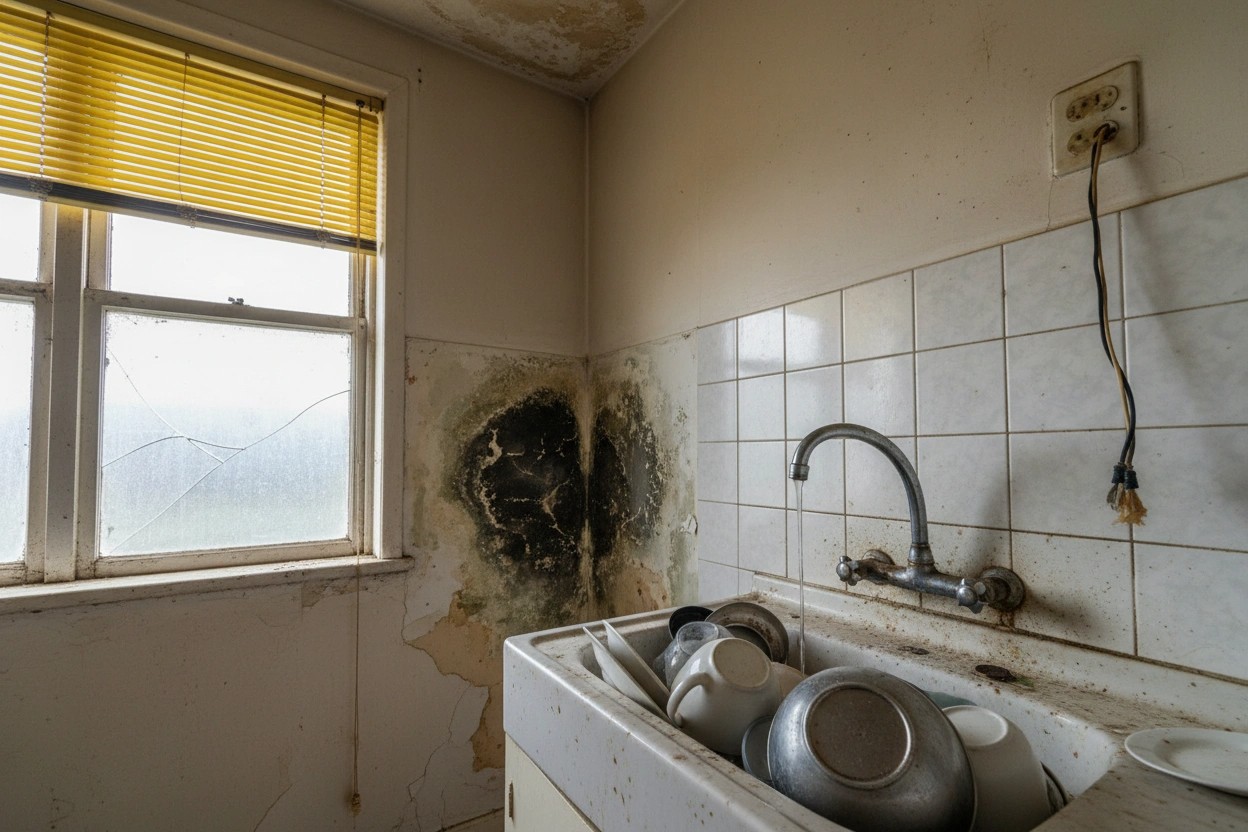
Leaky faucets waste water, drive up utility bills, and signal deeper infrastructure problems. Clogged drains disrupt daily routines and, left unaddressed, lead to water damage and mold growth.
As a rental owner, your response time matters. Delayed repairs frustrate tenants and increase the likelihood of lease non-renewal.
Worse, minor plumbing problems escalate into costly emergencies when you ignore them.
RentalRiff connects you with licensed, insured property specialists who address plumbing concerns before they spiral.
You stay ahead of repairs, your tenants stay satisfied, and your property retains its value.
HVAC Repairs That Escalate the Fastest
A broken heater in January or a failed air conditioner in July doesn't give you time to shop around for repairs. HVAC failures escalate faster than almost any other maintenance issue because they directly affect tenant safety and comfort.
Following basic HVAC maintenance tips—like scheduling seasonal inspections and replacing filters regularly—significantly reduces emergency calls.
But when systems fail despite preventative care, having clear emergency HVAC procedures in place determines how quickly you resolve the problem.
Tenants don't tolerate extreme temperatures, and delayed responses often trigger lease disputes or early move-outs.
RentalRiff keeps licensed HVAC specialists on call, responds to tenant requests around the clock, and coordinates repairs before a manageable issue becomes a costly complaint.
You stay protected without managing the chaos yourself.
Appliance Repairs Landlords Are Responsible For
Appliances included in the lease—refrigerators, stoves, dishwashers, and similar units—are your responsibility to maintain and repair. Tenant expectations around these items are high, and delays in addressing failures quickly lead to complaints.
Track appliance warranties for every unit so you're not paying out-of-pocket for repairs still covered by the manufacturer. When a covered appliance breaks down, act fast—prolonged downtime frustrates tenants and can escalate into formal disputes.
If an appliance is beyond repair, replacement is often the smarter financial move. RentalRiff connects you with licensed, insured property specialists who handle appliance repairs efficiently, keeping your tenants satisfied and your property in top condition without the overhead of traditional property management.
Pest and Mold Repairs That Drive Good Tenants Out
Keeping appliances in working order protects your tenants' daily comfort, but pest infestations and mold growth threaten something deeper—their health and their willingness to stay.
Good tenants don't tolerate rodents, roaches, or black mold. They leave.
Pest prevention starts with routine inspections, sealed entry points, and addressing moisture issues before they escalate.
Mold remediation requires licensed professionals who identify the source, not just the surface. Painting over mold or ignoring a slow leak signals neglect and exposes you to serious liability.
When tenants report these issues, speed matters.
Delayed responses turn fixable problems into legal disputes and vacancies.
RentalRiff connects you with licensed, insured property specialists who handle these repairs promptly, keeping your tenants safe and your property protected.
Structural and Safety Repairs Tenants Lose Patience Over
Structural and safety issues test a tenant's patience faster than almost anything else.
Foundation issues that cause sticking doors or uneven floors signal deeper problems.
Electrical hazards like flickering lights or faulty outlets create genuine fear.
When tenants feel unsafe, they leave—and they talk.
The repairs that break leases fastest include:
- Foundation cracks that worsen with seasonal shifts
- Exposed or outdated wiring creating fire and shock risks
- Compromised load-bearing walls from water or settling damage
- Staircase instability that threatens daily safety
You can't afford to delay these repairs.
RentalRiff connects you with licensed, insured property specialists who identify and address structural and safety concerns before tenants reach their breaking point—protecting your property and your rental income simultaneously.
What Ignored Repairs Actually Cost Landlords
Every ignored repair carries a price tag far beyond the fix itself. When you let maintenance slide, you're not saving money—you're deferring a much larger expense.
Ignored maintenance costs stack up fast: small leaks become structural damage, minor HVAC issues turn into full system failures, and frustrated tenants start looking elsewhere.
Tenant turnover expenses hit hardest. Vacancy loss, cleaning, re-leasing fees, and unit prep can easily cost thousands per cycle.
Worse, preventable damage compounds those expenses further.
RentalRiff helps you stay ahead of this cycle by connecting you with licensed, insured property specialists who handle repairs proactively.
Instead of reacting to costly emergencies or losing good tenants, you keep your property in shape, your tenants satisfied, and your bottom line protected.
Frequently Asked Questions
How Quickly Must Landlords Legally Respond to Tenant Repair Requests?
Legal timelines vary by state, but you're typically required to address urgent repairs within 24–72 hours. For non-emergency issues, tenant rights laws generally give you 14–30 days to respond.
Can Tenants Withhold Rent if Repairs Go Unaddressed for Too Long?
Yes, tenants can withhold rent in many states if you ignore repairs too long. Understanding tenant rights and legal implications is essential—RentalRiff's proactive maintenance approach helps you avoid these costly, stressful situations altogether.
Who Is Responsible for Repairs When a Tenant Causes the Damage?
When a tenant causes damage, they're responsible for repair costs. You'll need proper damage assessment to document issues and enforce tenant accountability. RentalRiff's property specialists can help you identify, document, and address tenant-caused damage efficiently.
Should Landlords Hire One Contractor or Use a Property Maintenance Service?
You'll benefit more from a property maintenance service than a single contractor. While contractor benefits include specialization, service drawbacks are minimal with RentalRiff—you'll get licensed specialists, proactive care, and 24/7 tenant communication all in one cost-effective solution.
How Do Proactive Maintenance Plans Reduce Overall Long-Term Repair Costs?
By investing in preventative measures early, you'll avoid costly emergency repairs down the line. Proactive maintenance plans deliver significant cost savings by catching small issues before they escalate into major, budget-draining problems that frustrate tenants and strain your finances.
Conclusion
Every repair you ignore today becomes a bigger problem tomorrow. Your tenants aren't asking for perfection — they're asking for a livable home. When you stay proactive about plumbing, HVAC, appliances, pests, mold, and structural issues, you're not just maintaining a property; you're protecting your investment and your reputation. Don't wait for complaints to force your hand. Address issues early, respond quickly, and you'll keep quality tenants longer while avoiding the costly consequences of deferred maintenance.