
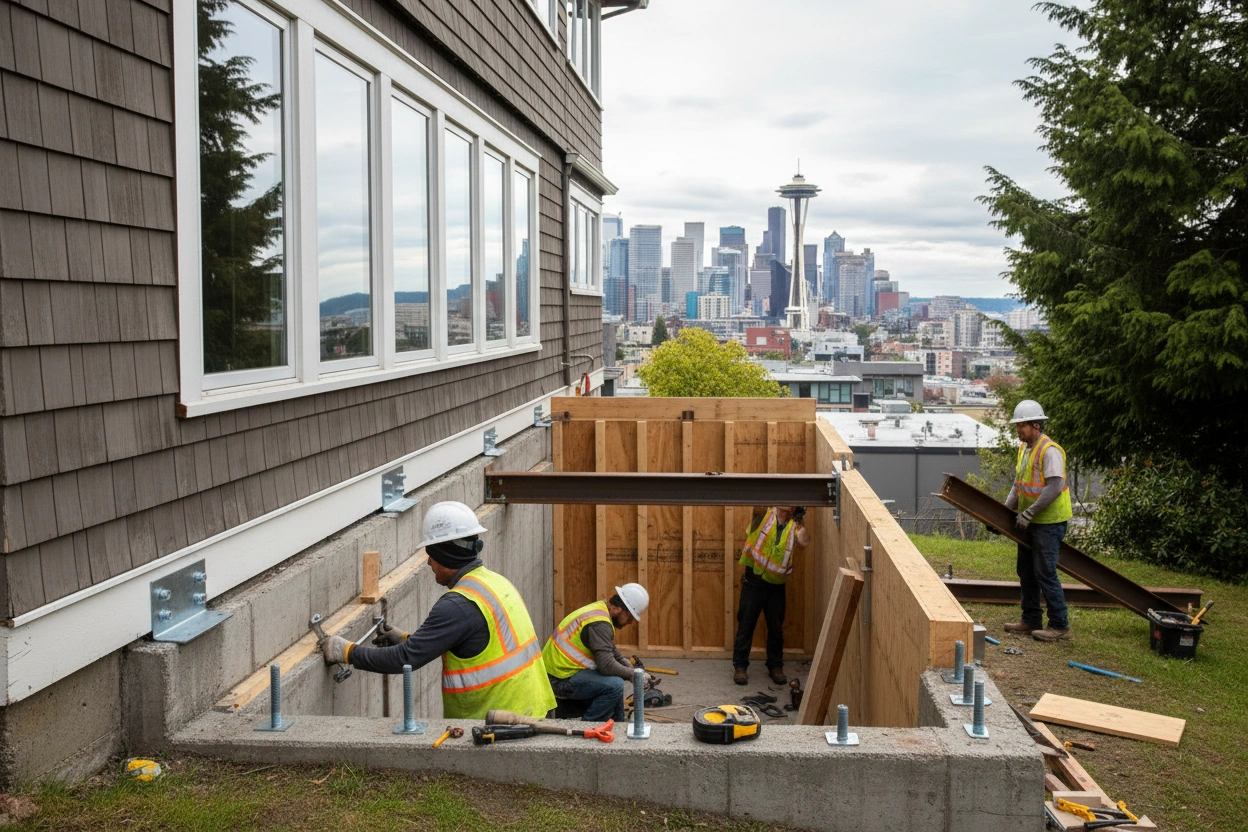
If you own a rental property in Seattle, earthquake retrofitting strengthens your building's structural connections to resist seismic forces. Pre-1980 wood-framed homes with raised foundations are especially vulnerable, particularly those with cripple walls or soft-story garages. Retrofits typically cost $3,000 to $10,000, require a permit from SDCI, and may qualify for tax deductions or FEMA grants. Understanding the full scope of what's involved can help you protect your investment, your tenants, and your long-term ownership confidence.
Key Takeaways
- Pre-1980 wood-framed Seattle rentals with raised foundations face the highest earthquake risk and likely need structural reinforcement.
- Retrofits require a building permit and engineer-stamped structural drawings submitted to SDCI before work begins.
- Most residential retrofit projects cost between $3,000 and $10,000, depending on foundation type and site conditions.
- Landlords may offset costs through federal tax deductions, Washington sales tax exemptions, and FEMA Hazard Mitigation Grants.
- Unpermitted retrofits create legal liability and can complicate future property sales, making proper permitting essential.
What Is a Seismic Retrofit and Why Does It Matter?
A seismic retrofit strengthens an existing building's structural connections so it can withstand earthquake forces without collapsing or sliding off its foundation. Seattle sits near several active fault lines and within range of the Cascadia Subduction Zone, making seismic safety a legitimate concern for any rental property owner in the region.
Older homes, particularly those built before 1980, often lack the structural bolting and cripple wall bracing that modern construction requires. Without these reinforcements, a significant earthquake can shift or collapse the structure entirely.
Retrofitting addresses these vulnerabilities before a seismic event occurs.
Beyond protecting tenants and the physical structure, a completed retrofit can strengthen your property value and reduce liability exposure. Excellent service is paramount in ensuring that property owners are well-informed about these essential safety measures.
It's a proactive investment that pays off in resilience, marketability, and long-term ownership confidence.
Which Seattle Rental Properties Need a Retrofit Most
Not every Seattle rental property carries the same seismic risk, but certain building types consistently rank as the most vulnerable.
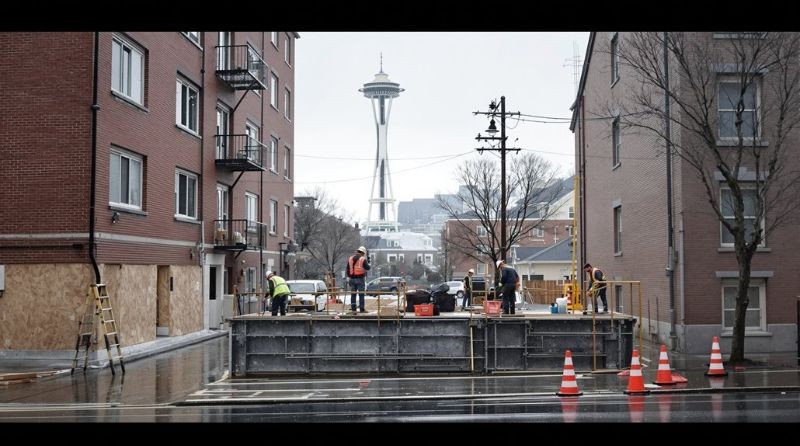
If you own a pre-1980 wood framed building with a raised foundation, cripple wall construction, or an open soft-story garage, your property faces significant collapse risk during a major seismic event.
Unreinforced masonry structures—brick or concrete block buildings without steel reinforcement—are equally high-risk and among the first to fail under lateral ground movement.
Seattle's older residential neighborhoods, including Capitol Hill, the Central District, and Beacon Hill, contain high concentrations of these vulnerable structures.
If your rental falls into any of these categories, a licensed structural engineer can assess your specific exposure and recommend the appropriate retrofit scope. Additionally, documenting leaks early on can help prevent further damage during seismic events.
What the Seattle Retrofit Permit Process Looks Like
Before breaking ground on any seismic retrofit, you'll need to pull a building permit through the Seattle Department of Construction and Inspections (SDCI). The permit application requires structural drawings stamped by a licensed engineer.
Once submitted, expect the following steps:
- Submit your permit application with engineered plans and project scope documentation.
- Await plan review, which typically takes several weeks depending on project complexity.
- Schedule inspections at required milestones—foundation work, framing, and final completion.
- Obtain final approval after passing all inspection requirements and correcting any flagged deficiencies.
Don't start work before permit approval. Unpermitted retrofits create liability issues and complicate future property sales. Maintaining good communication with landlords and tenants throughout the process is essential for ensuring compliance and understanding responsibilities.
Keeping your documentation organized throughout the process makes inspections smoother and closes the permit faster.
How Much Does a Seattle Earthquake Retrofit Cost?
Once your permit is in order, the next question most landlords ask is what the work will actually cost.
Seattle earthquake retrofit costs typically range from $3,000 to $10,000 for most residential rental properties, though complex projects can exceed that range.
Several cost factors influence your final number, including your foundation type, crawl space conditions, accessibility, and the extent of structural deficiencies.
Retrofit materials such as anchor bolts, cripple wall sheathing, hold-downs, and pressure-treated lumber contribute greatly to overall expenses.
Labor costs vary depending on contractor experience and project scope.
Older properties with deteriorated framing or limited access points tend to run higher.
Getting two to three bids from licensed structural contractors gives you a realistic baseline before committing to a specific scope of work. Additionally, ensuring your property complies with tenant rights to a livable place is vital during renovations.
Tax Breaks and Financing Options for Seattle Landlords
Retrofitting your rental property isn't just a structural investment—it can also provide meaningful financial relief through deductions and financing programs.
Seattle landlords have access to several tax incentives and financing programs worth leveraging:
- Federal Tax Deductions – Retrofit costs may qualify as deductible business expenses or depreciation under IRS guidelines.
- Washington State Sales Tax Exemptions – Certain seismic upgrade materials and labor may qualify for exemptions.
- Seattle Office of Housing Loans – Low-interest financing programs are available for qualifying residential rental properties.
- FEMA Hazard Mitigation Grants – Competitive grant funding occasionally covers partial retrofit costs for eligible property owners.
Additionally, understanding tenant rights and remedies can help ensure compliance with local regulations during the retrofit process.
Consult a tax professional and your local permitting office to confirm which programs apply to your specific property.
How Retrofitting Affects Your Tenants and Lease Terms
Beyond the financial side of retrofitting, the physical work itself directly affects your tenants and your lease agreements in ways you'll need to plan for carefully.
Retrofit construction creates noise, restricts access to certain areas, and occasionally requires temporary displacement. You're legally obligated to maintain habitable conditions throughout the process, so schedule work strategically and notify tenants well in advance.
Tenant safety during construction requires clear communication about restricted zones, contractor access schedules, and any utility interruptions. Document everything in writing. Additionally, consider providing seasonal reminders to reinforce expectations and minimize tenant stress during the retrofit.
Lease modifications may also become necessary. If your retrofit triggers new occupancy conditions or alters common areas permanently, update your lease terms accordingly before work begins.
Review your existing agreements with a landlord-tenant attorney to guarantee your retrofit timeline doesn't expose you to breach-of-lease claims.
Frequently Asked Questions
How Long Does a Typical Seattle Earthquake Retrofit Project Take to Complete?
Your project timeline typically runs two to five days. Crews'll install retrofit materials—anchor bolts, cripple wall bracing, and foundation connections—efficiently, though older or complex structures can extend your schedule slightly longer.
Will a Retrofit Increase My Rental Property's Market Value?
A retrofit can boost your property's market value, aligning with current market trends that favor seismically upgraded buildings. It strengthens your property investments by increasing buyer confidence, insurability, and long-term structural resilience in earthquake-prone Seattle markets.
Does Homeowners Insurance Cover Earthquake Retrofit Construction Costs?
Standard homeowners insurance policies don't cover earthquake retrofit construction costs. You'll need to explore specialized coverage options, as retrofits are considered property improvements. Check with your insurer about earthquake-specific endorsements or separate policies for potential partial reimbursement.
Can Tenants Legally Refuse Entry During Retrofit Inspections or Work?
Tenants can't legally refuse entry if you've provided proper notice under Washington law. You must respect tenant rights while securing entry permissions at least 24 hours in advance, except during emergencies requiring immediate retrofit inspections or work.
Are Retrofit Requirements Different for Multi-Unit Buildings Versus Single-Family Rentals?
Yes, they differ greatly. Multi unit considerations include mandatory soft-story assessments for buildings with 5+ units, while single family differences typically involve voluntary programs. You'll face stricter timelines and engineering requirements for larger residential structures.
Conclusion
Retrofitting your Seattle rental property isn't optional — it's a fundamental responsibility. You're protecting your investment, your tenants, and your long-term liability exposure against a seismic event that scientists consider inevitable. You've now got a clear picture of the permit process, cost ranges, financing tools, and tenant considerations. Don't wait for mandatory ordinances to force your hand. Assess your property's vulnerabilities, engage a licensed structural engineer, and act before the ground does it for you.