
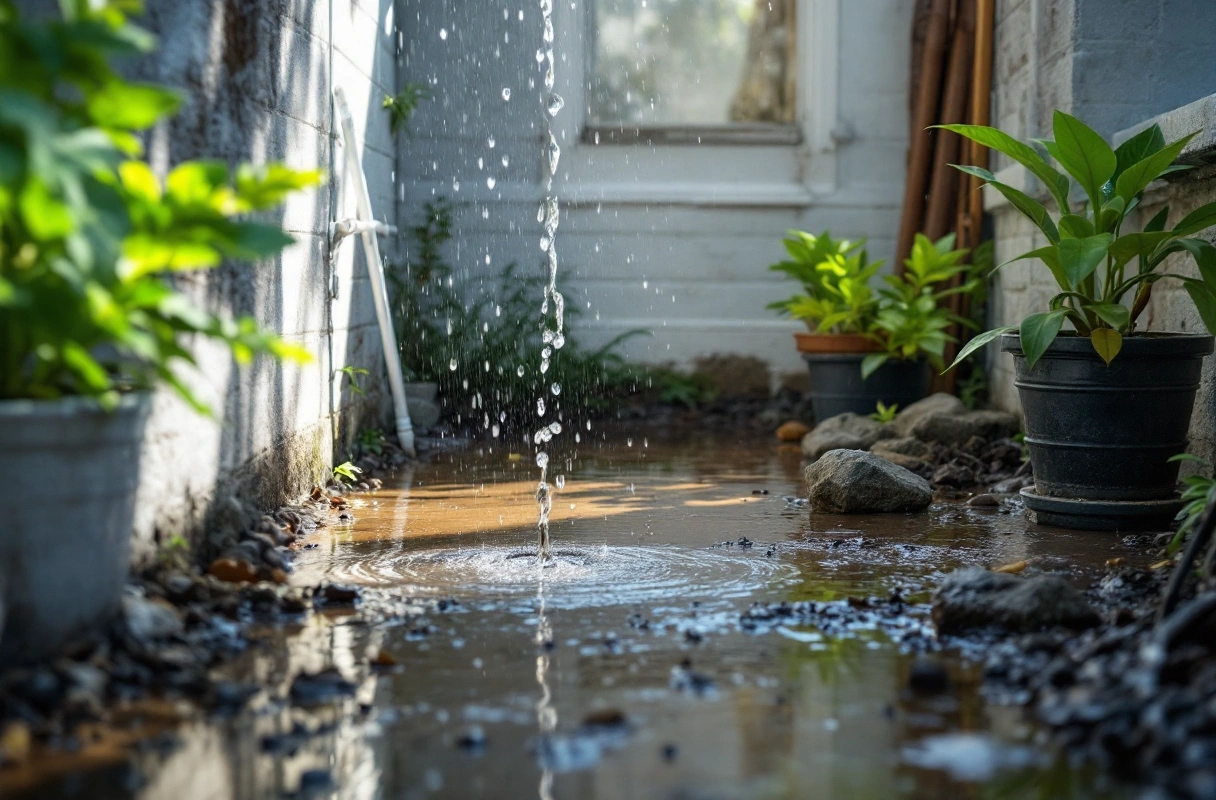
Water intrusion can be a landlord's worst nightmare, especially in the unpredictable Portland climate. The Pacific Northwest is known for its significant rainfall and moisture levels, which can lead to serious water damage if not properly managed. For landlords, this means being vigilant about the condition of their properties, particularly in basements where water issues often go unnoticed until it's too late. This guide will help Portland landlords identify water issues in basements and provide preventative measures to protect their properties.
Recognizing the Signs of Water Intrusion in Basements

Identifying water intrusion early can save landlords from costly repairs and extensive damage. Common indicators of water damage include visible stains on walls and ceilings, peeling paint, and warped flooring. Landlords should also be aware of musty odors, which often signal mold or mildew growth, and puddles or damp spots on the floor, especially after heavy rains. These signs can indicate not just current issues but also potential future problems if left unaddressed.
To further assess moisture levels in a basement, landlords can use a moisture meter, which provides a clear indication of humidity levels within the space. A reading above 20% relative humidity often suggests a problem. Additionally, landlords should check for condensation on windows and walls, which can be a precursor to more significant water issues. Regular inspections are essential to catch these signs early, ensuring that necessary actions can be taken before the situation escalates.
Implementing Effective Basement Water Intrusion Prevention Strategies
Preventing water intrusion is a proactive approach every landlord should prioritize. One key preventative measure is ensuring proper grading around the foundation of the property. The ground should slope away from the building to direct water flow away from the basement. Additionally, maintaining gutters and downspouts is critical. They should be cleared of debris and extended at least six feet from the foundation to minimize the risk of water pooling near the base of the property.
Long-term solutions may involve installing sump pumps and French drains, which are effective in redirecting water away from basements. Waterproofing the basement walls and floors with sealants can also provide an extra layer of protection against moisture penetration. Landlords should consider these strategies as part of their overall maintenance plan to safeguard their properties against water intrusion.
Creating a Comprehensive Landlord Inspection Checklist
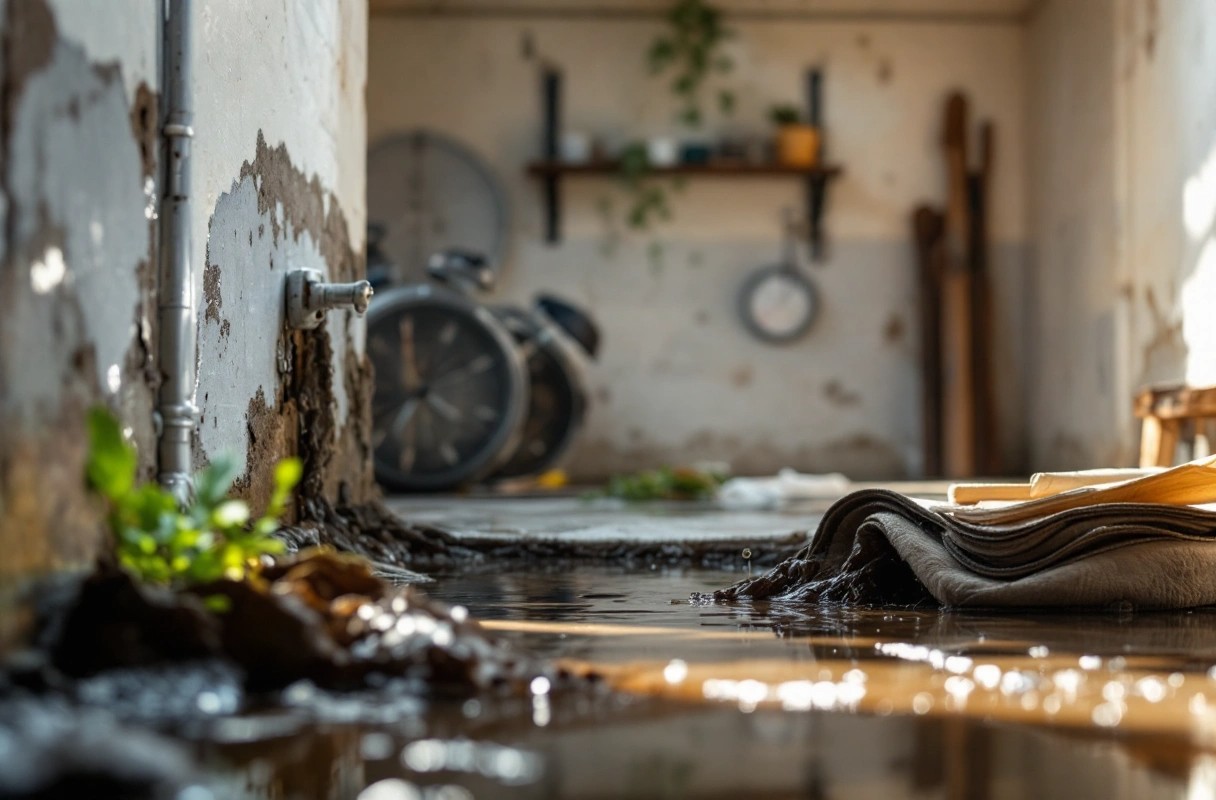
A landlord inspection checklist is an invaluable tool for maintaining rental properties. Essential items to include in this checklist for basement inspections are checking for cracks in walls, inspecting plumbing for leaks, and assessing the condition of sump pumps and drainage systems. It's also important to evaluate the overall humidity levels and look for any signs of mold or water stains.
The frequency of inspections can vary, but a good rule of thumb is to perform thorough inspections at least twice a year, ideally in the spring and fall. This schedule allows landlords to address any potential issues before they develop into serious problems. Consistent monitoring not only helps in maintaining the property but also demonstrates a commitment to tenant safety and satisfaction.
Understanding Tenant Rights Regarding Water Damage
Landlords have specific legal obligations when it comes to water damage in basements. According to Oregon law, landlords are required to maintain rental properties in a habitable condition, which includes addressing any issues related to water intrusion promptly. This means that if tenants report water problems, landlords must act quickly to investigate and resolve the situation to prevent further damage and potential health risks.
Tenants also have responsibilities in reporting water issues. They should notify landlords of any signs of water intrusion as soon as possible. Understanding these rights and obligations is crucial for both landlords and tenants, as it ensures clear communication and swift action in addressing water damage.
Mold Prevention Techniques for Basement Spaces
Mold is a significant concern in basements due to the typically high moisture levels in these areas. Mold can lead to serious health issues and costly remediation efforts. To prevent mold growth, landlords should focus on controlling humidity levels. Using dehumidifiers can help maintain optimal humidity, ideally between 30% and 50%. Proper ventilation is also essential; installing vents or windows can improve air circulation and reduce moisture buildup.
Additionally, regular inspections should include checking for any leaks or water intrusion points that could foster mold growth. If mold is discovered, it is crucial to address the source of moisture and remediate the mold promptly. Implementing these mold prevention techniques can protect both the property and the health of the tenants.
Protecting Your Property with RentalRiff
Understanding when and how to inspect basements for water intrusion is critical for Portland landlords. This guide has provided insights on recognizing signs of water issues, preventative strategies, and the legal obligations surrounding water damage. By being proactive and thorough in inspections and maintenance, landlords can protect their properties effectively.
For landlords seeking assistance with their property management needs, RentalRiff offers professional maintenance and tenant support tailored for independent landlords and small portfolio owners. To learn more about how we can assist you in managing your properties effectively, contact us today.