

Condensation on windows can be a frustrating issue, especially in homes with single-pane glass. This problem not only affects the comfort of your living space but can also lead to potential damage over time if left unaddressed. Understanding the causes of condensation and implementing effective solutions can significantly improve your home's air quality and energy efficiency. In this article, we will explore effective strategies to reduce condensation in single-pane window homes, enhance moisture control, and improve overall window efficiency.
Understanding the Causes of Window Condensation
To effectively combat condensation, it is essential to understand what causes it. The primary culprits are humidity levels in the home and temperature differences between indoor and outdoor air. When warm, moist air from inside the home comes into contact with the cold surface of a single-pane window, the air cools, and moisture condenses on the glass.
High humidity levels can result from various sources, including cooking, showering, and even breathing. Homes that lack proper ventilation are especially prone to condensation issues. Additionally, in colder months, the stark contrast between the warm air inside and the frigid outdoor air exacerbates this problem. By recognizing these factors, homeowners can take proactive measures to mitigate condensation.
Effective Moisture Control Strategies
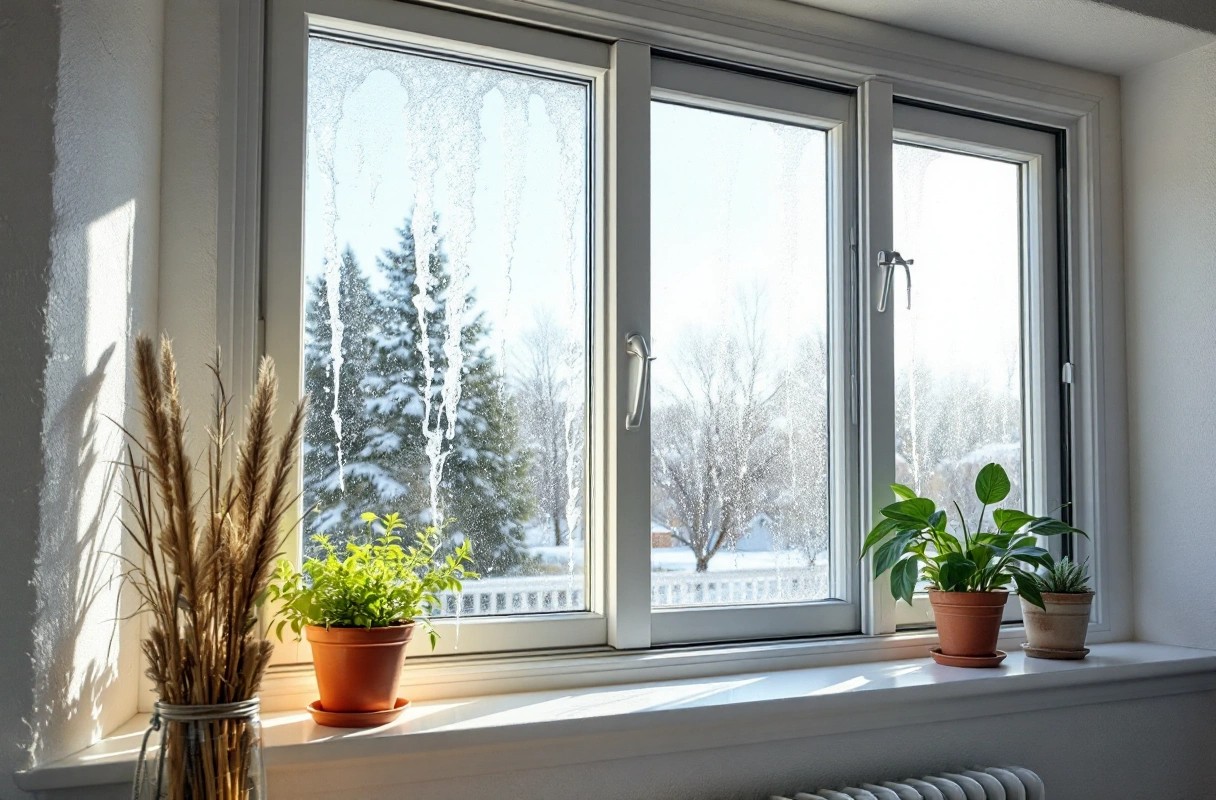
Implementing proper home humidity management is key to reducing condensation. One effective strategy involves using a dehumidifier to maintain humidity levels between 30% and 50%. This range is ideal for preventing excess moisture without compromising comfort.
Additionally, utilizing condensation solutions for homes can further help manage moisture levels. Some practical tips include:
- Regularly using exhaust fans in bathrooms and kitchens during and after activities that produce moisture.
- Opening windows when weather permits to allow fresh air circulation.
- Keeping interior doors open to promote airflow throughout the home.
By actively managing humidity and promoting airflow, homeowners can create a less conducive environment for condensation to form.
Enhancing Window Efficiency With Insulation
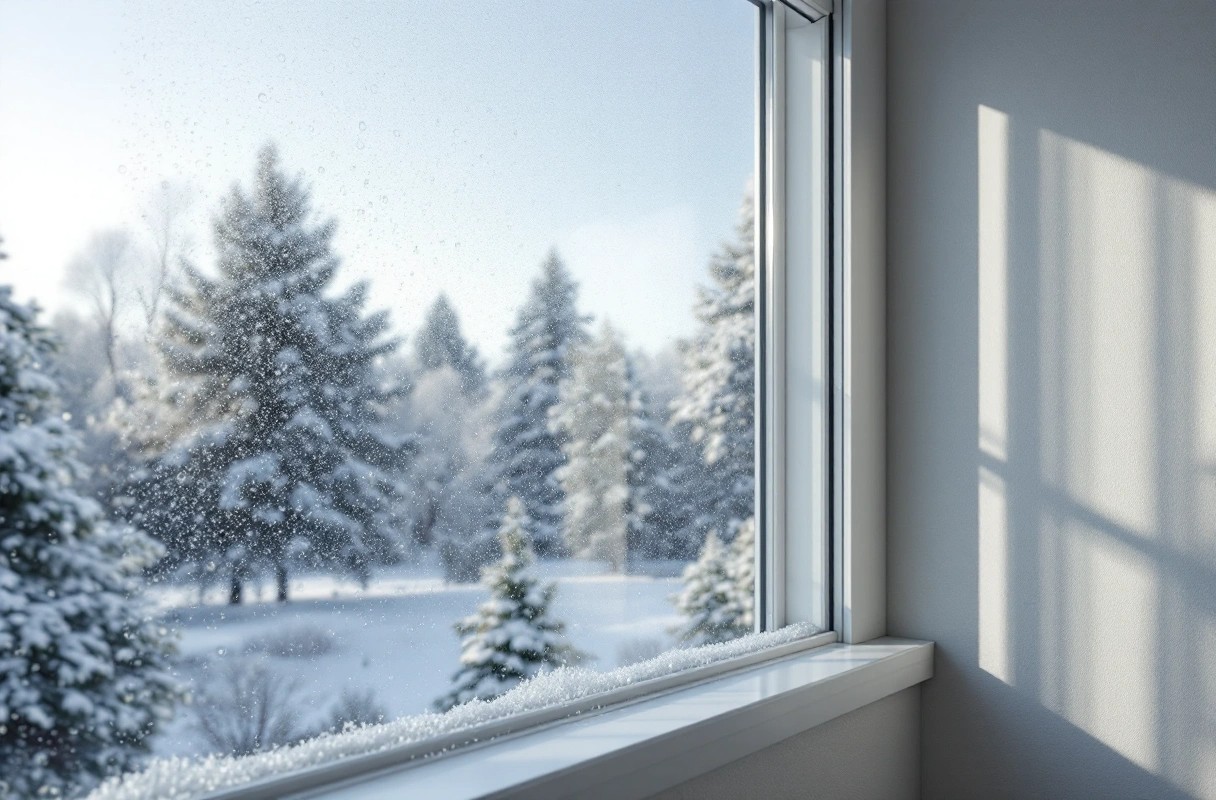
Improving window efficiency is another effective way to combat condensation. Single-pane windows are notoriously inefficient, allowing heat to escape and cold air to enter. Insulating these windows can help minimize temperature differences that lead to condensation.
There are several cost-effective insulation methods that can be employed:
- Window Film: Applying a clear insulating film to the interior of the window can reduce heat loss and improve insulation.
- Thermal Curtains: Using heavy, thermal-lined curtains can provide an additional barrier against cold air and reduce heat loss at night.
- Weatherstripping: Sealing gaps around windows with weatherstripping can help prevent drafts and improve overall insulation.
These methods not only help reduce condensation but also enhance energy efficiency, leading to potential savings on heating costs.
Long-term Solutions for Preventing Window Moisture
For a more permanent resolution to window moisture issues, investing in energy-efficient windows is a worthwhile consideration. These windows are designed with multiple panes and advanced insulating materials that significantly reduce heat transfer. While the upfront costs may be higher, the long-term benefits include enhanced comfort, lower energy bills, and reduced condensation.
Regular maintenance and inspections are also essential for preventing window moisture. Homeowners should routinely check for signs of wear or damage, such as broken seals or gaps in insulation. Addressing these issues promptly can prevent moisture buildup and maintain the effectiveness of existing window treatments.
Strategies for Reducing Condensation in Single-Pane Window Homes
Implementing a combination of the following strategies can create a more comfortable living environment:
- Use a dehumidifier to keep humidity levels in check.
- Apply window insulation film for immediate thermal benefits.
- Utilize thermal curtains to minimize heat loss.
- Ensure proper ventilation in areas prone to moisture.
- Invest in energy-efficient windows for long-term moisture control.
By taking these steps, homeowners can significantly reduce condensation on single-pane windows, improving both comfort and efficiency.
The Path to Effective Moisture Management
Reducing condensation in single-pane window homes is achievable through a combination of moisture control, window efficiency enhancements, and long-term investments. By understanding the causes of condensation and actively implementing these strategies, independent landlords and small portfolio property owners can maintain a comfortable and moisture-controlled environment for their tenants.
At RentalRiff, we provide resources and support tailored to the needs of property owners seeking to enhance their properties without the overhead of full-service management. If you're looking to apply what you've learned about reducing condensation in your home, consider reaching out for tailored solutions.