

To prepare your rental for a home insurance inspection, you'll need to address key structural, mechanical, and safety systems before the inspector arrives. Fix roof damage, exposed wiring, plumbing leaks, and foundation cracks. Verify smoke detectors, CO alarms, and deadbolt locks meet local code requirements. Document everything with timestamped photos and current maintenance records. Understanding each inspection category in detail will help you avoid coverage gaps, premium increases, and policy cancellations.
Key Takeaways
- Address roof issues by replacing missing shingles, clearing gutters, and resealing flashing before the inspection date.
- Test all smoke and carbon monoxide detectors, ensuring they are installed in required locations per local code.
- Fix visible plumbing leaks, secure connections, and confirm the water heater meets current compliance standards.
- Document property condition with timestamped photos of every room, system, and appliance, organized systematically for inspection.
- Resolve deferred maintenance promptly, as neglected systems can raise premiums, reduce payouts, or trigger policy cancellation.
What Home Insurance Inspectors Actually Look For
Home insurance inspectors evaluate several key systems and conditions when examining a rental property's insurability and premium rate. Understanding inspector expectations helps you anticipate what they'll flag before they arrive.
Inspectors typically assess:
- Roof condition – age, visible damage, missing shingles
- Electrical systems – panel type, wiring age, code compliance
- Plumbing – pipe materials, water heater condition, visible leaks
- HVAC systems – operational status, maintenance history, filter condition
- Foundation and structure – cracks, settling, moisture intrusion
- Safety features – smoke detectors, CO detectors, handrail integrity
- Exterior conditions – siding, gutters, walkways, trip hazards
Insurance requirements vary by carrier, but most prioritize functional systems, code compliance, and visible safety measures. Engaging professional services for routine maintenance ensures that your property remains compliant with safety standards and minimizes issues that could affect your insurance premium.
Documenting recent repairs and maintenance records strengthens your position before the inspection begins.
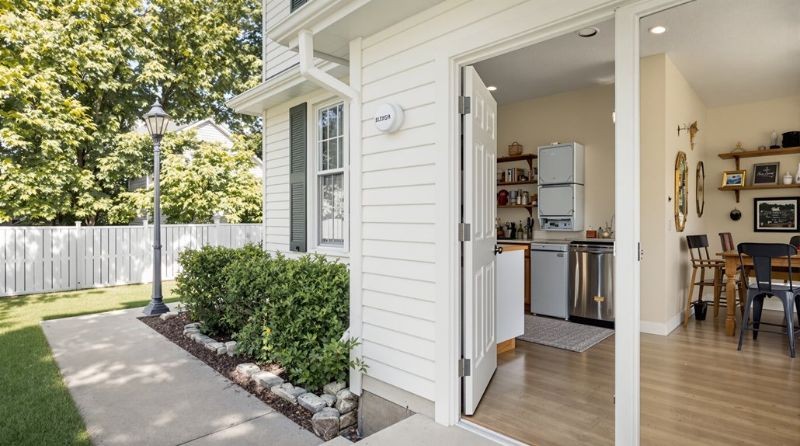
Fix These Issues Before the Inspector Arrives
Before the inspector sets foot on your property, addressing known deficiencies gives you control over the outcome. Use an inspection checklist to systematically identify and resolve issues before the scheduled date.
Prioritize repair priorities in this order:
- Roof and gutters: Replace missing shingles, clear debris, and reseal flashing.
- Electrical systems: Correct exposed wiring, replace faulty outlets, and verify the panel has no open breakers.
- Plumbing: Fix active leaks, secure loose connections, and confirm water heater compliance with local code.
- Structural components: Repair deteriorating siding, reinforce unstable railings, and seal foundation cracks.
- Safety devices: Install functioning smoke detectors, carbon monoxide alarms, and fire extinguishers per jurisdiction requirements.
Documented repairs signal proactive maintenance, reducing the likelihood of coverage denial or premium increases. Additionally, understanding landlord responsibilities can help ensure that all necessary repairs are completed before the inspection.
How to Document Your Rental's Condition Beforehand
Before your insurance inspection, walk through the entire property room by room, evaluating its current condition against any prior documentation.
Photograph every room, fixture, appliance, and system, capturing timestamps to establish a verifiable record of the property's pre-inspection state.
Store all images, videos, and written notes in an organized digital folder—labeled by date and room—so you can quickly produce evidence if a claim or coverage dispute arises. Additionally, documenting maintenance actions can provide crucial proof of the property's upkeep and care, which may positively influence your insurance assessment.
Start With a Walkthrough
Documenting your rental's condition before pursuing home insurance is a foundational step that directly affects your coverage accuracy and claims outcomes.
Conduct a systematic walkthrough using a maintenance checklist to capture the property's current state before an inspector arrives.
Prioritize these areas during your walkthrough:
- Roof and gutters – note visible damage, sagging, or debris buildup
- Plumbing and electrical systems – identify leaks, exposed wiring, or outdated panels
- HVAC units – confirm operational status and filter conditions
- Exterior and foundation – document cracks, drainage issues, or structural concerns
Maintain clear tenant communication throughout this process to coordinate access and avoid inspection delays.
Your documented findings establish a verifiable baseline that supports accurate policy underwriting and protects you during future claims.
Photograph Every Room
A thorough photo record of every room strengthens your insurance application and gives you verifiable documentation if a claim dispute arises. Before the inspection, photograph each space systematically — walls, ceilings, floors, fixtures, and built-ins.
Prioritize room organization so your image files correspond clearly to specific areas of the property. Use consistent lighting and capture multiple angles per room. Photograph mechanical systems, appliances, windows, and doors with visible condition details.
Metadata timestamps embedded in digital photos establish a verifiable timeline insurers recognize during claim reviews.
Don't overlook rental aesthetics — cosmetic conditions like paint, trim, and flooring surfaces often factor into coverage assessments or depreciation calculations.
Store photos in a cloud-based system with a logical folder structure organized by room, date, and property address for fast retrieval.
Keep Organized Digital Records
Photos only hold their value if they're stored in a system that makes them retrievable when you need them most.
Effective digital organization means structuring your files so insurers, attorneys, or inspectors can verify property conditions without delay.
Establish a record management system using the following structure:
- Folder hierarchy by date and unit: Organize files as
Property > Year > Inspection Type - Consistent file naming: Label photos using format
YYYY-MM-DD_Room_Condition - Cloud-based redundancy: Store copies across two platforms, such as Google Drive and Dropbox
- Linked documentation: Pair photo folders with repair invoices, inspection reports, and lease agreements
This approach guarantees your documentation remains audit-ready, legally defensible, and accessible across devices whenever an insurance inspection requires verification of your property's pre-existing condition.
Safety Features That Can Make or Break Your Inspection
Safety features are among the most scrutinized elements during a home insurance inspection, and gaps here can result in denied coverage or higher premiums.
You'll need to verify that smoke and CO detectors are installed in required locations, tested, and up to code, and that all entry points have functioning locks with adequate exterior lighting.
Handrails and stair assemblies must meet local building standards, as inspectors treat structural safety components as direct indicators of your property's liability exposure. Additionally, ensuring that your property is free of hazards, such as ice and snow removal, is crucial for maintaining safety during winter inspections.
Smoke and CO Detectors
Everything hinges on smoke and CO detectors when an insurer or inspector walks through your rental. Improper detector placement or dead batteries can trigger immediate coverage issues or failed inspections.
Follow these compliance requirements before your inspection:
- Install smoke detectors on every level, inside each bedroom, and outside sleeping areas
- Place CO detectors near fuel-burning appliances and within ten feet of bedroom doors
- Complete battery maintenance by replacing batteries annually or installing 10-year sealed units
- Test every detector and document the results prior to the inspection date
Inspectors won't overlook missing or non-functional units.
If your detectors don't meet local code requirements, your insurer may deny coverage or require corrections before issuing your policy.
Secure Locks and Lighting
Locks and lighting carry more weight in a home insurance inspection than most landlords expect. Inspectors evaluate whether entry points meet current security standards, and outdated hardware can flag your property as a higher-risk asset.
Lock upgrades on all exterior doors should meet ANSI Grade 1 or Grade 2 deadbolt specifications. Sliding doors require secondary blocking devices or pin locks to pass scrutiny.
Lighting enhancements aren't optional if you want favorable inspection results. Motion-activated fixtures at entry points, stairwells, and parking areas demonstrate proactive risk mitigation.
Inspectors look for consistent illumination coverage that reduces liability exposure around the property's perimeter.
Document every upgrade with photos and receipts before your inspection date. That paper trail confirms compliance and can directly influence your premium classification.
Handrails and Stair Safety
Handrails and stair conditions rank among the most scrutinized elements during a home insurance inspection, and non-compliant installations can result in immediate coverage denial or premium increases.
Inspectors evaluate structural integrity, graspability, and code adherence across all stair systems.
Ensure your rental meets these standards before inspection:
- Handrail materials must be durable, continuous, and securely anchored at both ends.
- Stair height (rise) must remain consistent, typically between 4–7.75 inches per IRC standards.
- Handrails must maintain a graspable diameter between 1.25–2 inches.
- All exterior and interior stairways with four or more risers require compliant handrail installation.
Non-uniform stair height triggers liability concerns that insurers flag immediately.
Document all handrail materials used and retain any installation or repair records to present during the inspection.
How Deferred Maintenance Affects Your Coverage and Premiums
Deferred maintenance doesn't just deteriorate your property—it can directly compromise your insurance coverage and drive up your premiums.
During a risk assessment, insurers identify unresolved maintenance issues as indicators of elevated liability exposure. A failing roof, deteriorating electrical systems, or persistent water intrusion signals negligence, which carriers factor into your coverage impact calculation.
Insurers may respond by increasing your insurance premiums, reducing your payout limits, or issuing an exclusion for damages tied to the neglected condition.
In severe cases, they'll cancel your policy outright. If a tenant files a claim stemming from deferred maintenance, your insurer can deny it entirely on the grounds of owner negligence.
Staying current on repairs isn't optional—it's a policy compliance requirement. Additionally, understanding habitability standards can help you maintain your property effectively and avoid potential insurance pitfalls.
How a Property Specialist Helps You Stay Inspection-Ready
Staying inspection-ready requires consistent oversight, and that's exactly where a dedicated property specialist delivers measurable value. Your specialist maintains property readiness by monitoring conditions proactively, not reactively, keeping your rental aligned with insurer expectations year-round.
Through structured tenant communication, your specialist identifies emerging issues before they become coverage-threatening deficiencies. Key responsibilities include:
- Documenting maintenance completions to create a verifiable compliance record
- Coordinating timely repairs that address insurer-flagged hazard categories
- Conducting periodic walkthroughs to assess structural, mechanical, and safety conditions
- Relaying tenant-reported concerns that signal deferred maintenance risks
This systematic approach guarantees your property isn't scrambling before an inspection. Instead, your rental reflects a maintained, well-documented asset that supports favorable underwriting outcomes and reduces the likelihood of coverage disputes or premium increases. Additionally, regular inspections are crucial for identifying potential issues early, ensuring your property remains in optimal condition.
Frequently Asked Questions
How Often Do Insurance Companies Require Rental Property Inspections?
Insurance companies typically require rental property inspections every 1–3 years, though it varies by insurer. You'll want to stay current on rental property maintenance and keep an inspection checklist ready to guarantee compliance when they schedule a review.
Can a Tenant's Behavior Affect Your Home Insurance Inspection Outcome?
Yes, a tenant's behavior directly impacts your inspection outcome. Their tenant responsibilities—like maintaining cleanliness and reporting damage—affect results. Prioritize inspection preparation by ensuring they've addressed lease obligations before the insurer's scheduled walkthrough.
Does a Rental Property Need Insurance Different From a Primary Residence?
Yes, you need landlord insurance, not standard homeowner's insurance. It covers landlord responsibilities like property damage and liability. Remind tenants they'll need renter's insurance for their own tenant coverage—your policy won't protect their belongings.
Will Insurance Inspectors Notify You in Advance Before Scheduling a Visit?
Most insurers will send you an inspection notice before scheduling a visit, but it's not always guaranteed. You should maintain proactive inspector communication and review your policy's specific inspection notification requirements carefully.
Can Failing an Inspection Cause Your Current Policy to Be Canceled?
Yes, failing can trigger policy consequences. If your rental doesn't meet inspection criteria, your insurer can cancel or non-renew your current coverage, requiring you to remediate identified issues or secure alternative insurance immediately.
Conclusion
Passing a home insurance inspection isn't luck — it's the result of deliberate preparation, consistent maintenance, and proactive documentation. You're responsible for ensuring your rental meets insurer standards before the inspector arrives, not after. Address structural deficiencies, verify safety system compliance, and close any deferred maintenance gaps that could trigger coverage modifications or policy cancellations. When you treat your rental like the regulated investment it is, you protect your coverage, your tenants, and your financial exposure.