
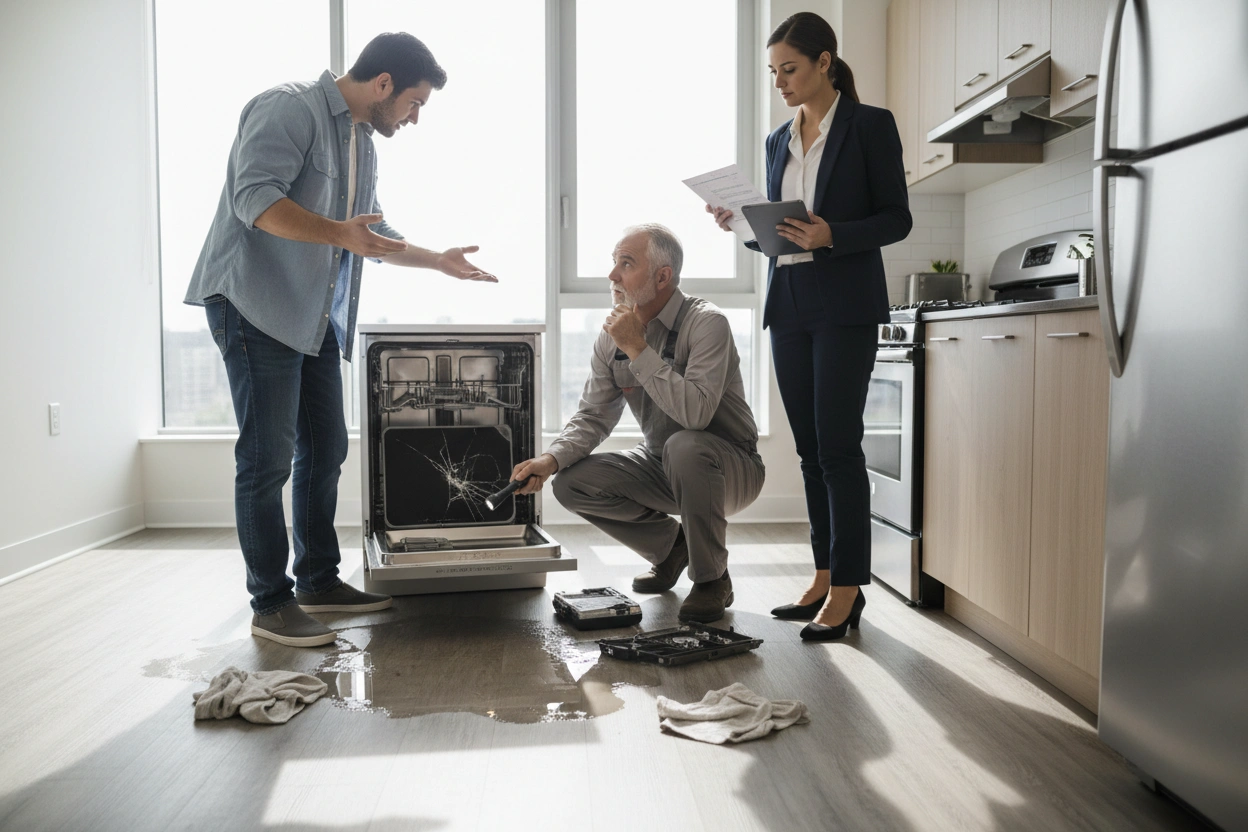
When a tenant disputes who caused an appliance failure, start by reviewing your lease to clarify maintenance responsibilities. Pull together every timestamped photo, maintenance log, and communication record you have. Distinguish normal wear from actual tenant damage using documented evidence, not assumptions. Stay calm during the conversation and present your records clearly. The decisions you make next—and how you communicate them—can protect you from costly mistakes down the line.
Key Takeaways
- Review your lease agreement first, as it outlines maintenance responsibilities and determines who is liable for appliance repair or replacement costs.
- Gather timestamped photos of the appliance before repairs begin, documenting its condition from multiple angles to support your position.
- Distinguish between normal wear and tenant damage; landlords cover normal wear, while tenants are responsible for damage caused by misuse.
- Stay calm and present documented evidence clearly during disputes, avoiding accusatory language to keep the conversation constructive and solution-focused.
- Communicate your final repair responsibility decision in writing, referencing lease terms, inspection reports, and maintenance records for full transparency.
Who's Actually Responsible When an Appliance Breaks?
When an appliance breaks, the question of who's responsible often comes down to two factors: the cause of the failure and what's written in the lease.
If the appliance failed due to normal wear and age, that's typically your responsibility as the landlord. If the tenant misused or damaged it, they're liable for the repair or replacement cost.
Check whether an appliance warranty still applies before spending anything out of pocket. Many warranties cover mechanical failures within a set window and can save you significant costs.
Tenant rights also shape your obligations. Most states require landlords to maintain habitable conditions, which often includes functional appliances if they're listed in the lease.
Know your local statutes so you're not caught off guard during a dispute. Additionally, understanding tenant responsibilities for maintenance can help clarify expectations in such situations.
Check the Lease Before You Do Anything Else
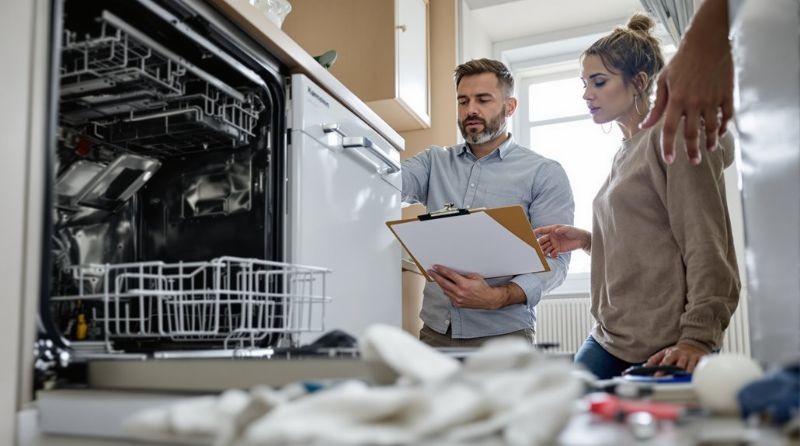
Before reacting to any tenant dispute, pull out the lease and read it carefully. Your lease terms are the foundation of every maintenance-related disagreement. They define who's responsible for what, how damage gets reported, and what qualifies as normal wear and tear versus tenant-caused damage.
Look specifically for clauses covering appliance maintenance, tenant obligations, and communication expectations. If your lease requires tenants to report issues within a set timeframe and they didn't, that detail matters. If it outlines proper appliance use, that matters too.
Don't rely on memory or assumptions. The lease is the document both parties signed, and it's your strongest starting point for resolving the dispute fairly. Remember that understanding tenant repair responsibilities can help clarify expectations and responsibilities for both parties.
If the answer's in there, use it before escalating the situation further.
How to Tell Normal Wear From Tenant Damage
One of the trickiest parts of resolving tenant disputes is distinguishing normal wear and tear from actual damage.
Normal wear includes minor scuffs, faded paint, and worn carpet from everyday use, while damage covers stains, holes, broken fixtures, or anything caused by neglect or misuse.
Your strongest protection is thorough documentation—move-in and move-out reports with dated photos give you the evidence you need to make that distinction stick. Additionally, understanding your landlord responsibilities can help clarify what constitutes normal maintenance versus tenant-caused issues.
Defining Normal Wear
Understanding the difference between normal wear and tenant damage is one of the most common sources of dispute between landlords and tenants—and one of the easiest to get wrong.
Normal wear refers to the gradual deterioration that occurs through ordinary, reasonable use over time. It's tied directly to appliance longevity—a refrigerator seal that weakens after years of use isn't damage; it's expected decline.
Maintenance expectations matter here too. If you haven't serviced an appliance according to manufacturer guidelines, attributing its failure to a tenant becomes legally and ethically difficult.
Normal wear doesn't require compensation from tenants. Damage does. Knowing where that line falls requires you to document appliance condition at move-in, track service history, and evaluate failure within the context of the appliance's age and use.
Spotting Tenant Damage
Spotting tenant damage comes down to context—age, condition at move-in, and how the failure or deterioration actually occurred. A newer appliance that fails after documented misuse points clearly to tenant responsibilities. An older unit that quits after years of normal operation doesn't.
Look for physical evidence that goes beyond expected aging: burn marks on a stovetop from unattended cooking, a cracked door hinge from excessive force, or a clogged dishwasher filter from neglected appliance maintenance. These aren't accidents of time—they're the result of specific actions or inaction.
Compare findings against your move-in documentation. If the condition at move-out is materially worse than what photos and inspection reports show at move-in, you have a defensible basis for holding the tenant accountable.
Documenting Property Condition
Without thorough documentation, distinguishing normal wear from tenant damage becomes a matter of opinion—and opinions don't hold up in disputes.
Conduct property inspections at move-in, move-out, and periodically throughout the tenancy. Photograph every appliance, noting its condition and age. Capture serial numbers when possible.
Maintain detailed maintenance logs that record every service request, repair, and technician visit. These logs establish a clear timeline, showing whether an appliance was functioning properly before a tenant reported a problem or whether neglect contributed to the failure.
When documentation is consistent and timestamped, disputes become far easier to resolve.
You're no longer relying on memory or a tenant's account—you're presenting a factual record that accurately reflects the property's condition throughout the rental period.
Document Everything Before Making Repairs
Before you authorize any repair or cleanup, pull out your phone and photograph everything.
Capture wide shots, close-ups, and any existing damage from multiple angles, making sure each image carries an automatic timestamp.
These timestamped photos become your strongest evidence if a tenant later disputes a damage charge or security deposit deduction. Additionally, keeping a log of past and present repair requests helps establish a clear timeline of repair responsibilities in case of disputes.
Photo Evidence Matters
When a tenant dispute arises, photo evidence can make or break your case. Before any repair begins, photograph the failed appliance from multiple angles. Capture close-ups of visible damage, wear patterns, misuse indicators, and surrounding areas that reveal context.
Your photo documentation should include timestamps, which most smartphones embed automatically. This metadata establishes a clear timeline and strengthens your position if the dispute escalates.
Strong visual evidence removes ambiguity. Instead of relying on competing accounts, you're presenting objective documentation that reflects the appliance's actual condition. Courts, arbitrators, and mediators respond to facts, not conflicting stories.
Store your photos in an organized, property-specific folder alongside maintenance logs and tenant communications. Consistent photo documentation habits protect you long-term, not just during a single dispute.
Timestamped Records Win
Photos capture condition, but timestamped records tell the full story. When a dispute escalates, timestamped evidence establishes a clear sequence of events that's difficult to challenge.
Maintain communication logs that document every interaction related to the appliance in question.
Keep these records organized and accessible:
- Maintenance request logs – Date and time every tenant-submitted repair request
- Inspection reports – Record scheduled and unscheduled walkthroughs with exact timestamps
- Communication logs – Save all texts, emails, and portal messages between you and the tenant
- Service records – Document each technician visit, including arrival time, findings, and completed work
Before any repair begins, confirm your records are current. Gaps in documentation weaken your position considerably, regardless of how strong your photographic evidence appears.
How to Talk to Your Tenant About the Dispute
How you approach the conversation with your tenant can set the tone for how the dispute gets resolved. Stay calm, stick to the facts, and avoid accusatory language. Present your timestamped records clearly and give your tenant space to respond.
Practice active listening during the conversation. Let your tenant explain their perspective without interruption, even if you disagree. Open communication builds trust and often reveals details that clarify what actually happened to the appliance.
Keep the conversation focused on evidence, not emotions. Reference your inspection reports, maintenance logs, and photos directly. Additionally, ensure you both understand the repair responsibilities outlined in the lease agreement.
If the tenant disputes your findings, acknowledge their concern and explain how your documentation supports your assessment. A structured, respectful conversation increases your chances of reaching a resolution without escalating to formal action.
When to Charge the Tenant and When to Absorb the Cost
Once you've had the conversation with your tenant and reviewed your documentation, you'll need to make a clear-headed decision about who's financially responsible for the damage or issue.
Your cost assessment should weigh the evidence fairly before assigning tenant accountability.
Charge the tenant when:
- Documentation confirms misuse, neglect, or unauthorized modifications caused the failure.
- The damage falls outside normal wear and tear under your lease terms.
- The tenant failed to report a known issue, worsening the damage.
Absorb the cost when:
- The appliance failed due to age, manufacturer defect, or deferred maintenance on your end.
Splitting costs is also an option when fault is shared.
Whatever you decide, document your reasoning and communicate the outcome in writing. Additionally, ensuring you are familiar with tenant rights can help guide your decision-making process.
Frequently Asked Questions
Can a Tenant Dispute an Appliance Charge After Moving Out?
Yes, you can dispute an appliance charge after moving out. Document your appliance maintenance records and clarify tenant responsibilities outlined in your lease to strengthen your case against any charges you believe are unjust.
Does Renters Insurance Cover Appliance Damage Caused by Tenants?
Renters insurance typically doesn't include appliance coverage for damage you cause through misuse or neglect. It may cover sudden, accidental events, but you'll want to review your specific policy terms to confirm what's included.
How Long Does a Landlord Have to Repair a Broken Appliance?
You'll typically need to complete repairs within 24–72 hours for essential appliances and within 30 days for non-essential ones. Following clear repair timelines and outlining tenant responsibilities in your lease helps prevent disputes.
Can Repeated Appliance Misuse Be Grounds for Lease Termination?
Yes, repeated appliance misuse can justify lease termination. If you've documented tenant liability through consistent appliance maintenance records and lease violations, you've got solid grounds to pursue termination through your state's proper legal channels.
Should Landlords Require Appliance Warranties to Be Transferred to Tenants?
You shouldn't transfer appliance warranties to tenants. Instead, retain them to maintain control over repairs. Clearly document appliance warranty benefits in your lease to establish tenant responsibility clarity and prevent disputes over misuse or damage.
Conclusion
Appliance disputes don't have to spiral into conflict. When you follow a structured process — reviewing your lease, documenting the damage, and communicating clearly — you'll resolve most disagreements fairly and quickly. Know what qualifies as wear versus damage, and don't make financial decisions based on assumptions. If you'd rather not handle these situations alone, a RentalRiff property specialist can manage the entire process for you, protecting your investment without the stress.