

Wood decking can be a stunning addition to any outdoor space, but Seattle's wet climate poses unique challenges for maintenance. The combination of persistent rainfall and high humidity can lead to accelerated wear and tear on wooden structures. However, with proper care and maintenance, you can ensure that your wood decking remains both beautiful and functional despite the elements. In this article, we will explore effective strategies to prolong the life of your wood decking in Seattle, ensuring it withstands the rainy weather while enhancing your outdoor living experience.
Understanding the Unique Challenges of Seattle's Climate
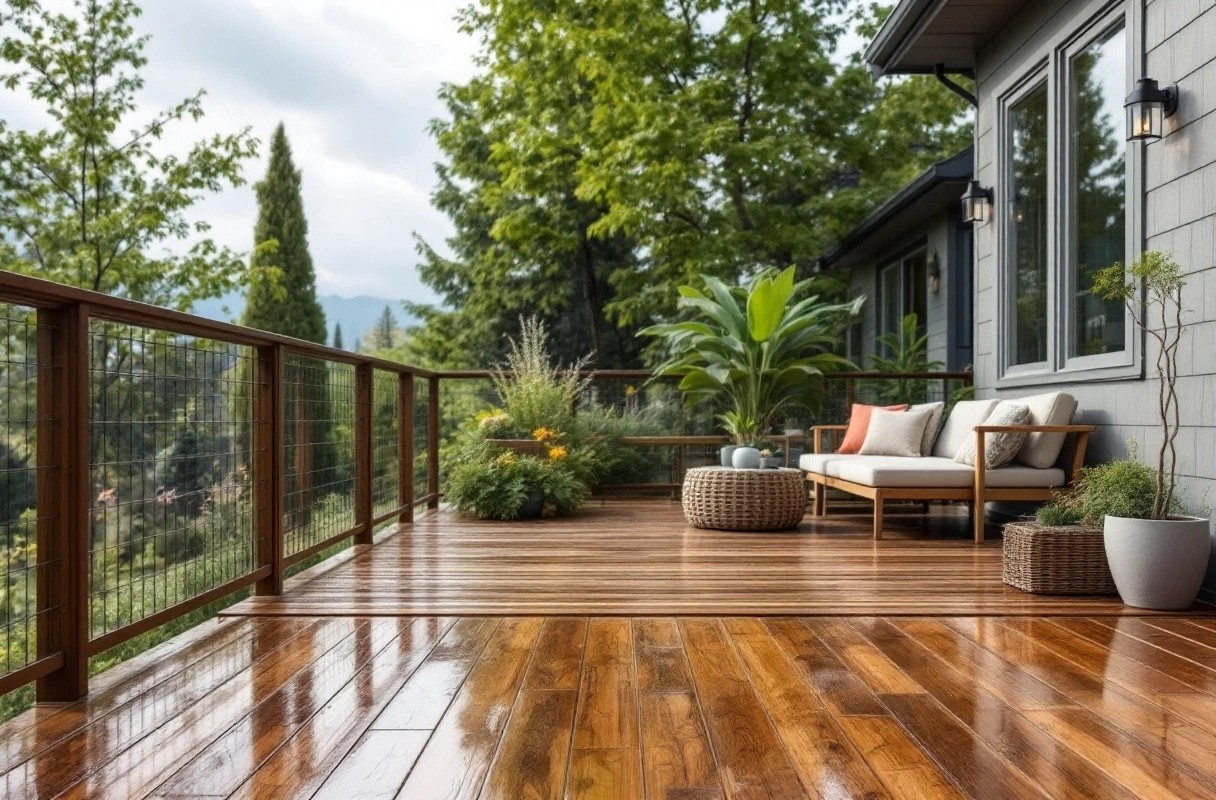
Seattle's climate is characterized by significant moisture levels and fluctuating temperatures, both of which can have detrimental effects on wood decking. The high levels of moisture can lead to wood decay, which occurs when wood becomes saturated and is exposed to fungi and other organisms. Over time, this decay weakens the structural integrity of the decking, making it susceptible to splintering, warping, and even collapse in extreme cases.
Temperature variations also play a role in the longevity of wood decking. The constant cycle of wet and dry conditions can cause the wood to expand and contract. This movement can lead to cracks and gaps in the decking, allowing moisture to penetrate deeper into the wood. Understanding these challenges is essential for property owners in Seattle who wish to extend the life of their wood decking. By implementing proactive maintenance strategies, you can mitigate the risks associated with the local climate.
Essential Wood Decking Maintenance Tips

Regular maintenance is vital for preserving the lifespan of your wood decking. One of the most effective strategies is to establish a routine cleaning schedule. Cleaning helps prevent moisture buildup, mold growth, and the accumulation of debris that can trap water against the wood. Use a mild detergent mixed with water and a stiff-bristled brush to scrub the surface of the deck at least once a year. Pay special attention to any areas where water tends to pool, as these spots are more prone to damage.
In addition to regular cleaning, conducting inspections is crucial for early damage detection. Look for signs of wood rot, loose boards, or any areas where the finish may be wearing thin. By addressing these issues promptly, you can prevent more extensive damage and costly repairs in the future. Keeping a checklist for seasonal maintenance can help you stay organized and ensure that no aspect of the deck’s health is overlooked.
Choosing the Right Decking Material for Longevity
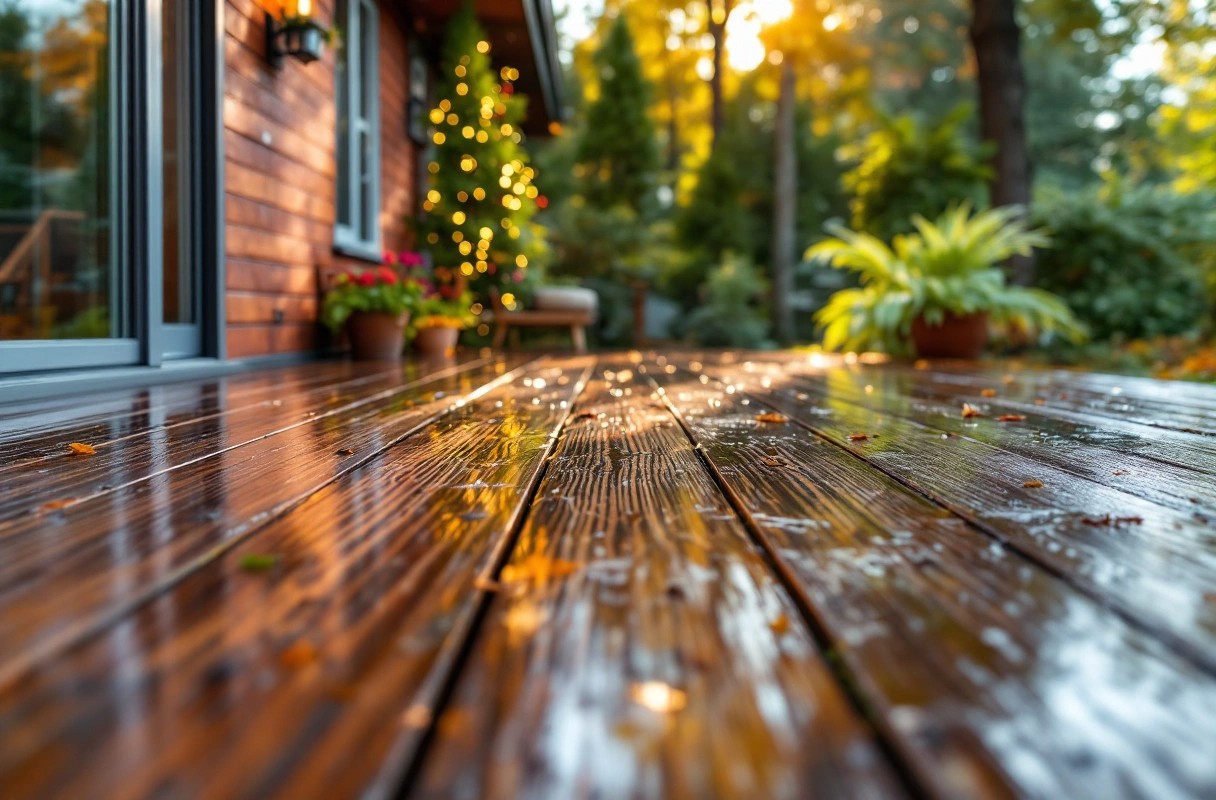
When selecting materials for your deck, it's essential to consider the specific challenges posed by Seattle's climate. Different wood types offer varying levels of resistance to moisture and decay. For instance, cedar and redwood are popular choices for decking in wet climates due to their natural resistance to moisture and insects. However, these woods may require more frequent maintenance compared to synthetic alternatives.
Weather-resistant decking options, such as composite materials, have gained popularity in recent years. These materials combine wood fibers with plastic, resulting in a product that resists moisture and does not splinter or warp as traditional wood does. While the initial cost may be higher, the longevity and reduced maintenance requirements can make them a worthwhile investment for property owners looking to extend the life of their decking.
Effective Deck Sealing Techniques
Sealing your wood deck is one of the most effective ways to protect it from the elements. A high-quality sealant creates a barrier against moisture, preventing it from penetrating the wood and causing damage. It’s advisable to apply a sealant at least every two years, or more frequently if you notice wear or if your deck is particularly exposed to the elements.
Different sealing products are available, including water-based and oil-based options. Water-based sealants typically dry faster and are easier to clean up, while oil-based sealants penetrate deeper into the wood, providing longer-lasting protection. When applying sealant, ensure the deck is clean and completely dry to achieve the best results. Following the manufacturer's instructions for application is crucial for ensuring the effectiveness of the sealant.
Restoration Tips for Weathered Decks
Even with the best maintenance practices, decks can become weathered over time. Assessing damage is the first step in planning restoration efforts. Look for signs of discoloration, splintering, or areas that feel soft to the touch. Once you have identified the extent of the damage, you can determine whether a simple cleaning and sealing will suffice or if more extensive repairs are needed.
Techniques for rejuvenating a tired deck can vary based on the level of wear. For minor issues, sanding down the surface and reapplying a sealant can restore the deck's appearance and protect it from further damage. In cases of more significant wear, replacing individual boards or using wood fillers for small cracks may be necessary. Regardless of the approach, timely restoration can prevent further deterioration and extend the life of your deck.
Maximizing the Lifespan of Your Wood Decking in Seattle
Proper care and maintenance of wood decking in Seattle's wet climate require vigilance and regular attention. By understanding the unique challenges posed by the local environment, implementing essential maintenance practices, selecting appropriate materials, and utilizing effective sealing and restoration techniques, property owners can significantly extend the life of their decks.
For independent landlords and small portfolio property owners seeking assistance with their outdoor spaces, RentalRiff provides valuable resources and support tailored to your needs. Visit our website and contact us today.