

Normal wear and tear is the gradual, unavoidable deterioration that happens through ordinary use — think faded paint, minor scuffs, or worn carpet. Pet damage, by contrast, is preventable and includes scratched floors, chewed baseboards, and urine-stained carpet. To protect yourself, you'll document both conditions thoroughly using dated photos, detailed checklists, and side-by-side move-in and move-out comparisons. Get the full picture on exactly how to build an airtight case below.
Key Takeaways
- Normal wear and tear is unavoidable deterioration from ordinary use, while pet damage results from preventable circumstances requiring tenant accountability.
- Common pet damage includes scratched floors, chewed baseboards, stained carpets, and wall scuffs at pet height.
- Conduct thorough move-in inspections using checklists, dated photos, and videos to establish a clear baseline condition.
- Mirror move-in documentation during move-out inspections, comparing identical angles and rooms to identify pet-related changes.
- Collect repair estimates, timestamp all documentation, and maintain a complete paper trail to support security deposit claims.
What Counts as Normal Wear and Tear in a Rental
Normal wear and tear refers to the gradual, unavoidable deterioration of a rental property that occurs through ordinary, day-to-day use. As a landlord, you need to distinguish this from actual damage when evaluating a unit after move-out.
Normal wear includes faded paint, minor scuffs on walls, worn carpet in high-traffic areas, and small nail holes from hanging pictures. These result from standard living conditions and align with reasonable tenant expectations across any rental period.
You can't charge tenants for these outcomes. The law recognizes that properties age through use, and holding tenants financially responsible for natural deterioration isn't enforceable. Additionally, understanding tenant responsibilities for maintenance helps clarify what constitutes damage versus normal wear.
Understanding what qualifies as normal wear protects you from disputes and helps you focus security deposit deductions where they legitimately apply.
How Pet Damage Differs From Normal Wear and Tear
Pet damage stands apart from normal wear and tear because it results from preventable circumstances, not ordinary use. When pet behavior causes scratched hardwood floors, chewed baseboards, stained carpet from accidents, or torn window screens, landlords can typically charge tenants for those repairs.
These aren't outcomes of routine living—they're the direct result of an animal's actions.
Normal wear and tear reflects gradual deterioration no tenant can reasonably prevent. Pet damage reflects something avoidable with proper oversight.
Following basic maintenance tips helps you stay ahead of the distinction. Conduct periodic inspections, document the property's condition before and after each tenancy, and note any pet-related changes immediately. This can help ensure that timely repairs are made to address any damage caused by pets.
The clearer your records, the stronger your position when determining responsibility at move-out.
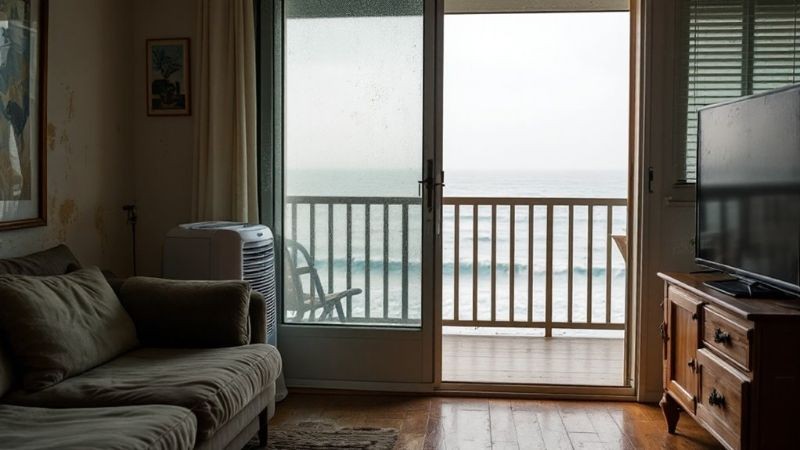
What Pet Damage Actually Looks Like Room by Room
Pet damage tends to concentrate in predictable areas, so knowing where to look helps you assess your property accurately after a tenant with pets moves out.
High-traffic rooms like living areas, hallways, and entryways typically show the most visible damage—scratched floors, stained carpet, and chewed trim.
Beyond the obvious spots, you'll also want to inspect less obvious areas where hidden damage quietly accumulates, such as under appliances, behind doors, and along baseboards. Regular maintenance of essential systems like plumbing can help mitigate additional issues that might arise from pet damage.
High-Traffic Room Damage
Damage from pets tends to concentrate in the same rooms every time: entryways, living rooms, bedrooms, and anywhere with consistent foot traffic.
High-traffic wear from pets looks distinctly different from standard use. You'll notice:
- Flooring damage along baseboards, near doorways, and in front of furniture from scratching and repeated pawing.
- Carpet pulls and matting at room entries where pets pace, dig, or circle before lying down.
- Wall scuffs and surface staining at pet height from repeated contact with fur, paws, and skin oils.
These patterns are deliberate and concentrated, not random. Normal high-traffic wear distributes gradually across a room. Pet damage clusters.
When you're documenting, photograph each affected zone with close-ups showing depth, directionality, and the specific surface involved.
Hidden Pet Damage Spots
Knowing where damage clusters is only part of the picture. Pets leave hidden scratches and odor sources in places you won't catch during a casual walkthrough.
Check beneath removable appliances, where urine can seep under refrigerators and stoves. Pull back carpet edges near doorways and corners—padding absorbs urine long before the surface shows staining.
Inspect baseboards at pet height for repeated claw contact that's easy to miss under furniture. In bathrooms, check around the toilet base and under vanities where pets sometimes mark.
HVAC vents trap dander and odor sources that require professional cleaning. Document these areas with close-up photos and written notes during move-in and move-out inspections to establish a clear, defensible record.
How to Document Normal Wear and Tear at Move-In and Move-Out
Your best protection against disputes starts with a thorough move-in inspection—walk every room, test every fixture, and note every existing scuff, stain, or worn surface in writing.
Pair that written record with dated photos and videos that capture each condition in clear detail, because documentation without visual evidence rarely holds up.
When the tenant moves out, compare that footage side by side with new photos taken under the same lighting and angles to make the distinction between normal wear and actual damage impossible to dispute. Additionally, ensure that you document maintenance tasks to provide context for any wear and tear observed.
Conducting Move-In Inspections
A thorough move-in inspection is the single most important step you can take to protect yourself from deposit disputes down the line. Use a detailed move-in checklist and complete it before handing over the keys.
Follow these inspection tips to build an airtight record:
- Photograph every room from multiple angles, capturing walls, floors, fixtures, and appliances under good lighting.
- Note existing damage in writing on the checklist, describing location, size, and condition with precise language.
- Have the tenant sign the completed checklist, confirming they agree with the property's documented condition.
Store photos, videos, and signed documents digitally with timestamps. This baseline record is what separates a defensible deposit deduction from one a tenant can successfully dispute.
Capturing Photos And Videos
Photos and videos are what turn a signed checklist into undeniable evidence. Use these photo techniques to capture what actually matters: shoot in natural light when possible, get wide-angle room shots first, then close-ups of any scuffs, stains, or worn surfaces. Timestamp every image automatically through your phone's camera settings.
For video tips, walk through each room slowly while narrating what you're seeing. Call out existing damage by name—"scratch on baseboard, left of entry door"—so there's no ambiguity later. Capture flooring, walls, appliances, and any pet-related fixtures like door frames or yard areas.
At move-out, replicate the exact same angles and sequence. Side-by-side comparisons eliminate disputes and make the distinction between normal wear and pet damage impossible to argue.
Comparing Move-Out Conditions
When move-out day arrives, your documentation process should mirror your move-in inspection exactly. Use the same move out checklist, photograph every room from identical angles, and compare conditions side by side. This parallel condition assessment removes ambiguity and strengthens your position if disputes arise.
Follow this sequence:
- Review your move-in photos and notes before entering the unit so you know exactly what to look for.
- Document each room systematically, capturing the same walls, floors, fixtures, and surfaces you recorded at move-in.
- Note the date, lighting conditions, and any tenant-present acknowledgments directly in your records.
Differences that appear between both sets of documentation tell the story clearly — what existed before, what changed, and who's responsible for the cost.
How to Document Pet Damage to Protect Your Security Deposit Claim
Thorough documentation is your strongest defense when making a security deposit claim for pet damage. Start by photographing and videoing every affected area at move-out, capturing scratches, stains, odors, and structural damage in clear, well-lit detail. Timestamp everything and organize your files by room.
Compare your move-out footage directly against your move-in documentation to establish a clear before-and-after record. Collect repair estimates and invoices from licensed contractors to validate your costs. Reference your lease's security deposit guidelines to confirm which damages fall within your legal right to claim. Understanding landlord tenant responsibilities from the start—through pet addendums and documented inspections—strengthens your position greatly. A complete paper trail makes disputes harder to contest and gives you a credible, evidence-backed claim.
When Pet Damage Crosses the Line Into a Lease Violation
When tenants ignore pet policies or exceed their tenant responsibilities, you gain legal grounds to act beyond deposit claims.
Watch for these violations:
- Unauthorized pets — any animal not disclosed or approved under your lease terms.
- Structural damage — compromised subfloors, doors, or framing that your damage assessments identify as beyond deductible repair.
- Repeated violations — documented patterns of pet-related damage despite written notice.
Each of these situations can support a formal lease violation notice or, where applicable, eviction proceedings.
Additionally, maintaining compliance with tenant rights and actions can help mitigate disputes and clarify your position in any legal matters.
Keep your documentation thorough, your notices timely, and your process consistent with local landlord-tenant law.
Frequently Asked Questions
Can Landlords Charge a Non-Refundable Pet Fee on Top of a Deposit?
Yes, you can charge a non-refundable pet fee alongside a deposit in most states, but pet fee legality varies by location. Confirm pet policy clarity by outlining both charges explicitly in your lease agreement.
How Much Should Landlords Typically Charge for a Pet Deposit?
Most landlords set pet deposit amounts between $200–$500 per pet, though it varies by state law. You'll want your pet damage policies to reflect the pet's size, breed, and potential risk to the property.
Are Emotional Support Animals Treated the Same as Pets for Damage Purposes?
You can't apply pet policies or charge pet deposits for emotional support animals under fair housing law. However, you can still hold tenants financially responsible for any actual damage they cause.
Does Renters Insurance Typically Cover Pet Damage to the Rental Unit?
Most renters insurance policies don't cover pet damage to your rental unit. You'll want to review your tenant's specific insurance coverage terms, as your pet policy should address this gap in protection directly.
Can a Landlord Deny Renting to Someone Because They Have Pets?
Yes, you can deny renting to someone with pets—it's your legal right as a landlord. Just make certain your pet policy complies with local renter rights laws, especially regarding service and assistance animals.
Conclusion
Protecting your rental starts with knowing exactly what you're dealing with. Normal wear and tear is inevitable — pet damage isn't, and you shouldn't absorb those costs. Document every move-in and move-out with photos, written notes, and timestamped records. Keep your lease language tight and your pet policies specific. When you've got clear documentation and consistent standards, you're not guessing — you're making defensible decisions that hold up when a deposit dispute gets serious.