
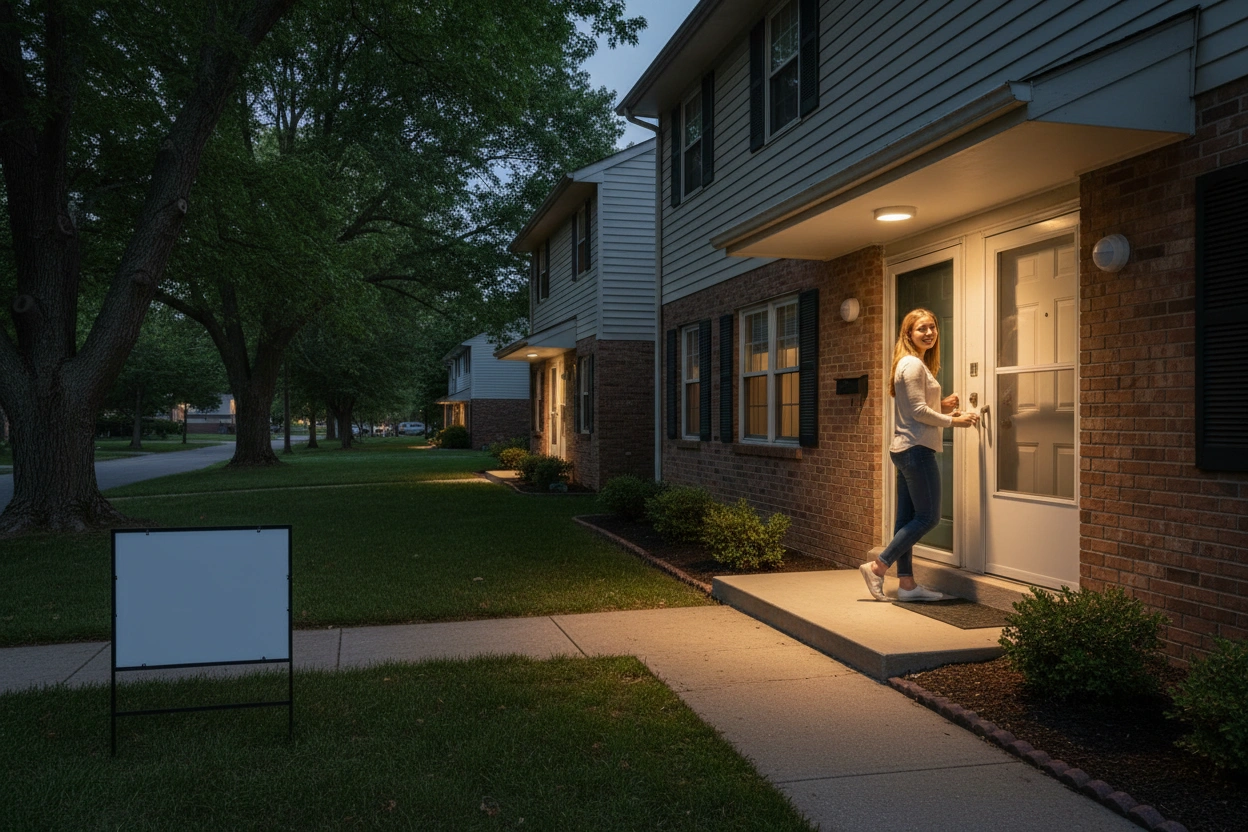
Adding motion sensor lights to your rental property is one of the smartest low-cost safety upgrades you can make. You'll reduce dark spots, deter crime, and lower your liability exposure — all without breaking the bank. Simple solar or plug-in fixtures cost as little as $20, while hardwired systems offer greater reliability. Good lighting also keeps tenants happy and reduces turnover. Keep exploring to discover everything you need to know.
Key Takeaways
- Motion sensor lights cost as little as $20 to $80 each, making them one of the most affordable rental property safety upgrades available.
- Mounting fixtures 8 to 10 feet high with PIR sensors angled toward approach paths ensures optimal detection and timely activation.
- LED bulbs rated IP65 or higher offer weather resistance, energy efficiency, and long-term durability for outdoor rental properties.
- Well-lit properties reduce tenant turnover, as tenants feel safer navigating entryways, walkways, and shared outdoor spaces after dark.
- Poor exterior lighting exposes landlords to negligence claims, while proactive lighting upgrades strengthen legal standing and reduce liability risks.
Why Exterior Lighting Is a Smart Rental Safety Upgrade
Well-lit exteriors do more than improve curb appeal—they're one of the most effective ways to reduce safety risks at a rental property. Strong lighting delivers real crime deterrence by eliminating dark spots where trespassers or vandals can go unnoticed. That directly supports tenant satisfaction, since renters feel safer when their entryways, parking areas, and walkways are clearly visible at night.
Beyond security, good lighting adds aesthetic appeal that supports property value over time. Modern installation options, including LED fixtures and solar-powered units, bring energy efficiency into the equation, lowering operating costs. Furthermore, regular maintenance of these fixtures ensures long-term functionality and enhances the overall safety of the property.
You'll also want to think through maintenance considerations early—choosing durable, weather-resistant fixtures reduces long-term upkeep. These safety benefits make exterior lighting one of the smartest, most cost-effective upgrades you can make.
Where to Place Motion Sensor Lights on a Rental Property
Placement makes or breaks a motion sensor lighting setup—even quality fixtures won't do much if they're aimed at the wrong spots.
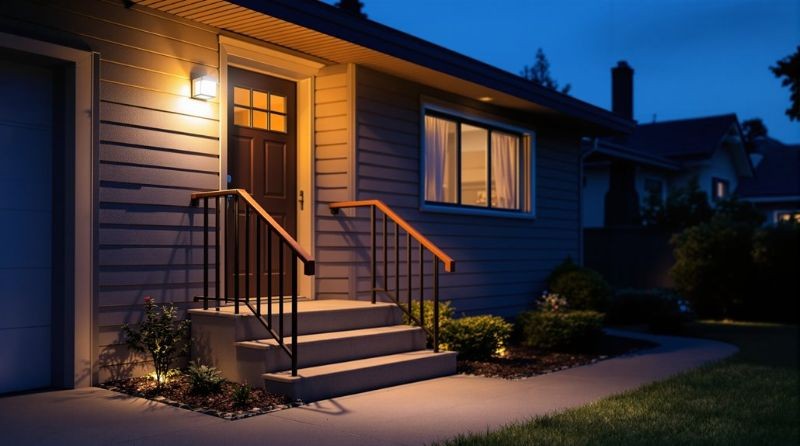
Focus your placement strategies on high-traffic and high-risk areas first: front and back entry doors, garages, side gates, stairwells, and dark pathways between structures. These are the spots where poor visibility creates real liability exposure.
When choosing sensor types, passive infrared (PIR) sensors work well for detecting body heat in defined zones, while dual-technology sensors reduce false triggers in windy or high-foliage environments.
Mount fixtures eight to ten feet high for ideal detection range without creating easy targets for tampering. Angle sensors toward approach paths, not walls, so movement triggers the light before someone reaches the door—not after. Additionally, ensure that the lighting setup complies with local health and building codes to enhance safety and liability management.
The Best Motion Sensor Lights for Rental Properties
Once you've nailed down where to put your lights, the fixture you choose determines how well the setup actually holds up over time.
Look for fixtures rated IP65 or higher for weather resistance, especially in wetter climates like Seattle or Portland. LED bulbs are non-negotiable for energy efficiency — they last longer and cut operating costs.
For coverage, choose fixtures with adjustable sensitivity and a detection range of at least 30 feet. Smart lighting options, like app-controlled or dusk-to-dawn models, let you monitor and adjust settings remotely without bothering your tenant.
Brands like Ring, Lutron, and Heath Zenith offer reliable, rental-friendly options at reasonable price points.
Prioritize durability, tamper-resistant mounting, and easy bulb replacement to reduce future maintenance calls. Additionally, ensuring proper property maintenance can help enhance tenant safety and satisfaction.
What Does Exterior Lighting Installation Actually Cost?
Costs for exterior lighting installation vary across a few key factors: the number of fixtures, the complexity of the wiring, and whether you're retrofitting an existing setup or starting from scratch.
For most rental properties, installation costs typically range from $150 to $500 per fixture when hiring a licensed electrician. Simple plug-in or solar-powered motion sensor lights sit at the lower end of your budget considerations, often running $20 to $80 per unit with minimal labor.
Hardwired systems cost more upfront but offer greater reliability and tenant confidence. If you're managing multiple units, bundling installations into a single service call reduces per-fixture labor costs considerably.
Prioritize entry points, parking areas, and any poorly lit pathways where liability exposure is highest. Additionally, investing in well-maintained walkways enhances safety and reflects management quality.
Can Tenants Install Motion Sensor Lights Themselves?
Before you install motion sensor lights yourself, check your lease for any language around alterations, electrical work, or exterior modifications—many leases require written landlord approval first.
If you get the green light, stick to plug-in or battery-powered fixtures that don't require hardwiring, since those carry real safety and liability risks without proper electrical know-how. Additionally, be mindful of your landlord's legal responsibilities to ensure you don’t inadvertently create issues that could affect your tenancy.
When in doubt, loop in your property specialist to coordinate the work correctly and keep everyone protected.
Lease Permission Requirements
Whether a tenant can install motion sensor lights on their own depends largely on what's written in their lease. Most lease agreements include clauses that restrict modifications to the property, and exterior electrical work often falls into that category.
Before purchasing anything or picking up a drill, review your lease carefully for tenant permissions around installations, alterations, or electrical changes.
If your lease is unclear, don't assume it's allowed. Reach out to your landlord directly and get written approval before starting any work.
Installing lights without permission could put you in violation of your lease, create liability issues, or result in deductions from your security deposit. A quick conversation upfront protects you and keeps the relationship with your landlord in good standing.
Safe DIY Installation Tips
Once you've confirmed your lease allows it and your landlord has given written approval, the safest DIY option for tenants is installing plug-in or battery-powered motion sensor lights.
These require minimal DIY tools—typically just a ladder and a screwdriver—and eliminate the electrical risks tied to hardwired fixtures.
For installation safety, follow these guidelines:
- Never attempt wiring work unless you're a licensed electrician
- Use a stable ladder and have someone spot you when working at height
- Follow manufacturer instructions exactly, including weight and mounting surface requirements
- Avoid drilling into siding or stucco without landlord approval, as it may cause structural damage or lease violations
If a job feels beyond your skill level, contact your landlord before proceeding.
How Exterior Lighting Affects Tenant Retention and Liability
Good exterior lighting does more than improve curb appeal — it directly influences whether tenants renew their leases.
When tenants feel safe walking to their cars or entering their homes at night, they're more likely to stay long-term, reducing your turnover costs.
On the flip side, poorly lit pathways and parking areas create fall hazards and security concerns that can expose you to significant liability if a tenant or guest is injured on your property. Additionally, investing in proactive maintenance can help prevent safety issues before they arise, further enhancing tenant satisfaction and retention.
Lighting Reduces Tenant Turnover
Tenants who feel safe at home are more likely to stay—and exterior lighting plays a bigger role in that than most landlords expect.
When your property is well-lit, tenant satisfaction goes up because people feel comfortable coming home after dark, walking to their cars, and moving through shared outdoor spaces. That directly affects whether they renew their lease or start looking elsewhere.
Poor lighting signals neglect. It chips away at property appeal and makes tenants question whether you'll handle other maintenance issues.
A few strategically placed fixtures or motion-sensor lights can shift that perception quickly.
You don't need a major overhaul. Small, targeted lighting upgrades show tenants you're invested in their comfort and safety—and that makes them far more likely to stick around.
Liability Risks Without Lighting
Poor exterior lighting doesn't just frustrate tenants—it exposes you to real legal risk. If a tenant or visitor trips, falls, or gets injured on your property due to inadequate lighting, you could face a negligence claim. Courts often consider whether a landlord maintained reasonable safety standards, and dark walkways, entry points, or parking areas can work against you.
Liability concerns grow even heavier if an incident occurs after you've received complaints about poor lighting and failed to act.
Documentation matters, but prevention matters more. Installing motion-sensor lights and maintaining consistent exterior illumination shows you've taken reasonable steps to protect people on your property.
It's a low-cost investment that not only keeps tenants safer—it also gives you a stronger legal footing if something ever goes wrong.
Frequently Asked Questions
Do Motion Sensor Lights Need to Meet Local Rental Property Code Requirements?
Yes, your motion sensor installation must meet local regulations. Check your city's rental codes for placement, brightness, and wiring standards—non-compliance can expose you to liability if a tenant's injured due to improper lighting.
How Do Motion Sensor Lights Perform in Heavy Rain or Snow?
Quality motion sensor lights handle heavy rain or snow well when they're rated for weather resistance. You'll want to check that sensor sensitivity stays calibrated, as extreme conditions can trigger false activations or reduce detection range at your rental property.
Can Exterior Lighting Deter Package Theft at Rental Properties?
Yes, exterior lighting can greatly aid package theft prevention at your rental property. You'll strengthen rental property security by illuminating entry points, deterring opportunistic thieves, and making deliveries more visible to neighbors and cameras.
How Often Should Rental Property Exterior Light Bulbs Be Replaced?
You'll want to check bulb lifespan annually at minimum. Replacement frequency depends on bulb type—LEDs last years, while incandescents need changing more often. Staying proactive keeps tenants safe and reduces your liability risks.
Are Solar-Powered Motion Sensor Lights Reliable for Year-Round Rental Use?
They're reliable in sunny climates like San Diego or Denver, but you'll want to contemplate reduced solar efficiency in cloudy regions like Seattle or Portland. Follow installation tips like south-facing placement to maximize year-round performance for tenants.
Conclusion
Exterior lighting and motion sensors are one of the smartest, lowest-cost upgrades you can make to your rental property. They reduce liability, deter crime, keep tenants happy, and signal that you're a responsible landlord. You don't need a big budget — just a strategic plan and the right fixtures. Start with your highest-risk areas, choose durable LED motion sensors, and let the upgrade pay for itself through better tenant retention and fewer headaches.