
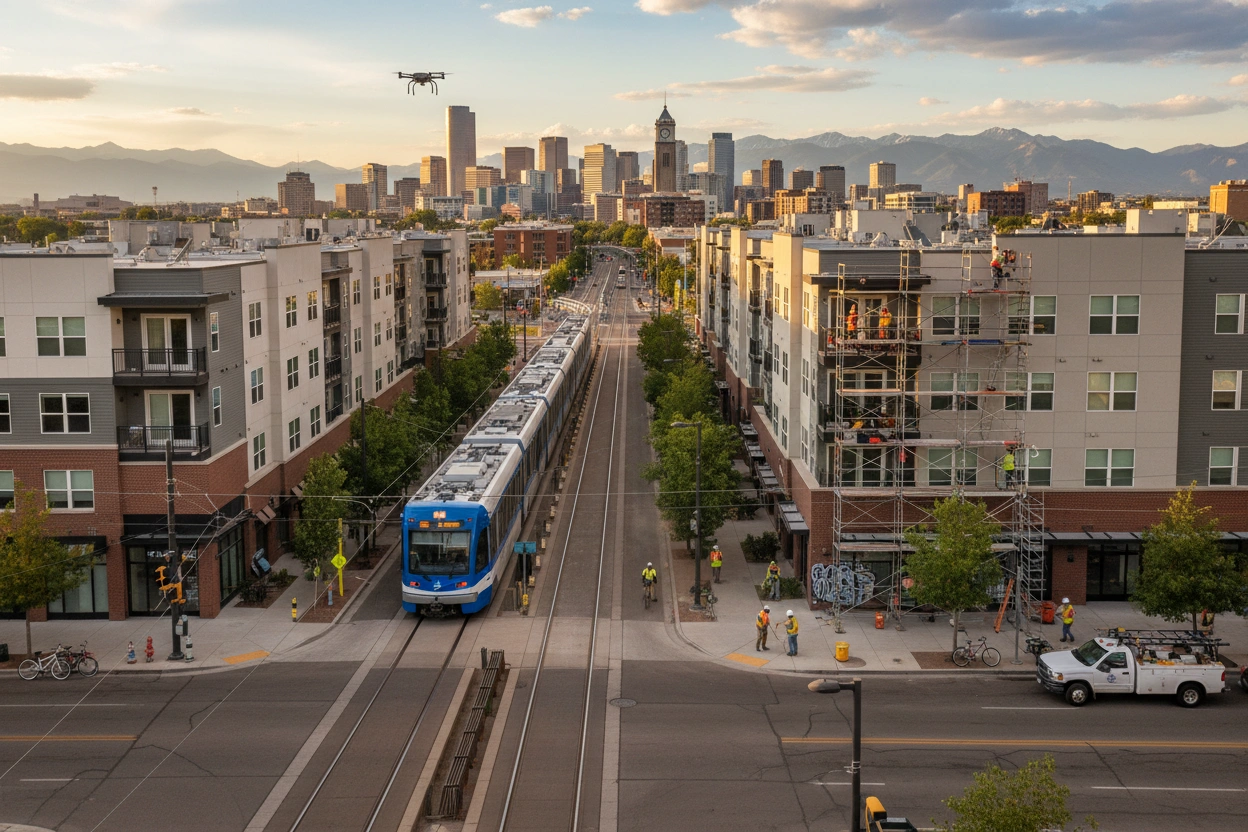
Owning a rental near Denver's light rail corridors means you're trading higher demand for a faster maintenance clock. Train vibrations accelerate structural wear, crack drywall, and loosen fixtures over time. Rail dust stains exteriors, foot traffic erodes walkways, and high tenant turnover compresses your repair windows. You'll need seasonal inspection protocols, 60-to-90-day high-traffic checks, and proactive vendor coordination to stay ahead. The strategies that protect your asset value go deeper than most landlords expect.
Key Takeaways
- Train vibrations accelerate structural wear, causing drywall cracks, loose fixtures, and degraded sound insulation requiring consistent proactive monitoring.
- Rail dust creates metallic staining on exterior surfaces that pressure washing alone cannot remove, requiring iron-dissolving treatments.
- High tenant turnover near light rail corridors demands standardized inspection checklists and rapid maintenance response between leases.
- Seasonal inspections should address Denver's freeze-thaw cycles, with spring focusing on drainage and winter confirming weatherproofing performance.
- High-traffic areas like entryways and stairwells require inspections every 60 to 90 days to prevent repairs from escalating into replacements.
Why Light Rail Proximity Changes Your Maintenance Game
Owning a rental near Denver's light rail network puts your property in a different category of demand—and a different category of wear. Higher foot traffic, vibration from passing trains, and increased tenant turnover cycles all accelerate the deterioration of surfaces, fixtures, and structural components.
You're not managing a standard rental—you're managing one that operates closer to commercial-use intensity.
Light rail proximity also raises tenant satisfaction expectations. Renters paying a premium for transit access expect a well-maintained unit in return. This means that regular property maintenance must be prioritized to ensure tenant comfort and satisfaction.
That means your response times, preventative schedules, and vendor coordination need to be sharper than average. Deferred maintenance in these properties compounds faster, costs more to correct, and directly impacts your retention rates.
Proximity to transit is an asset—but only if your maintenance strategy keeps pace with the demand it creates.
Vibration and Noise Damage Along Denver's Rail Corridors
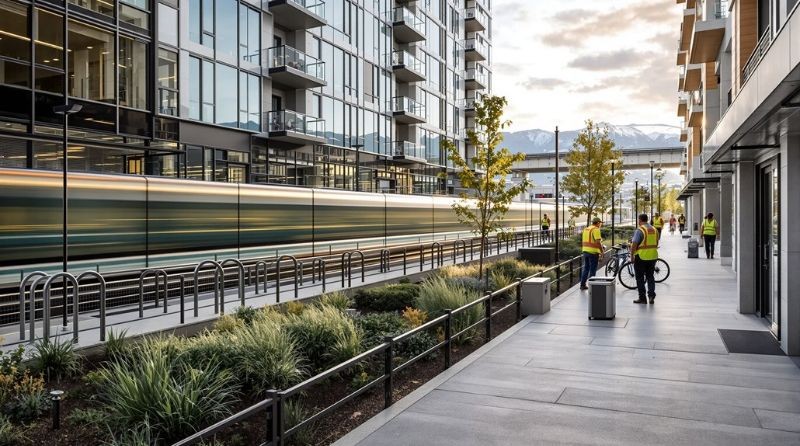
Properties sitting within a few hundred feet of Denver's light rail corridors absorb low-frequency vibration repeatedly throughout the day—and that repetition is what causes the damage.
Trains don't have to be loud to cause structural wear; cumulative vibration does its own quiet work.
Watch for these failure points in rail-adjacent rentals:
- Drywall cracking along ceiling joints and window corners, especially in older construction without structural reinforcement
- Loosened fixtures and hardware, including door hinges, cabinet mounts, and light fixtures that vibrate loose over time
- Degraded sound insulation, which loses effectiveness as repeated movement compresses or shifts batt and foam materials
You'll need to inspect these areas more frequently than a standard rental requires.
Ignoring early signs accelerates repair costs and drives tenant dissatisfaction fast. Additionally, maintaining habitable living conditions is essential to tenant satisfaction and long-term retention.
High-Turnover Tenant Patterns Near Transit Hubs
Transit-adjacent rentals attract a specific tenant profile—commuter-focused renters who prioritize location convenience over long-term commitment.
Understanding your tenant demographics near Denver's light rail corridors helps you anticipate accelerated rental turnover cycles that directly impact your maintenance planning.
These renters—often young professionals, students, and transient workers—typically sign shorter leases and relocate as job situations change.
You'll face more frequent unit turnovers, which means more wear-and-tear inspections, patch repairs, repainting, and appliance assessments compressed into tighter windows.
Each turnover also resets your baseline maintenance exposure.
Without a structured turnover protocol, deferred issues compound quickly.
You should build a standardized inspection checklist specifically for high-turnover units, ensuring every incoming tenant receives a property in documented, verified condition—protecting both your asset and your liability position. Implementing proactive maintenance strategies can significantly reduce long-term repair costs and enhance tenant satisfaction.
Exterior Wear Issues Specific to Light Rail Neighborhoods
If your Denver rental sits near a light rail corridor, you're dealing with a distinct set of exterior wear patterns that standard maintenance schedules don't account for.
Train vibrations cause micro-fractures in facade materials over time. Rail dust embeds into siding, masonry, and painted surfaces, creating stubborn metallic staining. Elevated pedestrian foot traffic accelerates erosion along walkways, entries, and landscaping edges.
You'll need a proactive inspection and maintenance cadence that specifically targets these stressors before they compound into costly repairs. Regular routine maintenance is essential to address these unique challenges effectively.
Vibration-Related Facade Cracking
Living near a light rail corridor exposes your rental property's exterior to repeated low-frequency vibrations that gradually compromise mortar joints, stucco coatings, and masonry facades.
Without consistent facade assessment and vibration monitoring, minor hairline fractures escalate into moisture intrusion points that accelerate structural deterioration.
Watch for these early warning indicators:
- Stair-step cracking along brick or block mortar joints near foundation corners
- Stucco delamination appearing as bubbling or hollow sections when tapped
- Widening gaps around window and door frames caused by cumulative micro-movement
Address cracks early using elastomeric sealants or fiber-reinforced stucco patches that accommodate ongoing movement.
Scheduling annual inspections after peak transit seasons helps you stay ahead of compounding damage before it demands costly structural repairs.
Rail Dust Surface Staining
Rail dust—the fine metallic particulate shed by train wheels, brake pads, and track friction—settles onto your property's exterior surfaces and oxidizes into stubborn rust-colored staining that standard cleaning methods won't remove.
The iron particles bond chemically with painted siding, masonry, and window frames, accelerating corrosion if left untreated.
Effective rail dust remediation requires iron-dissolving chemical treatments—typically oxalic or citric acid-based solutions—applied before any mechanical surface cleaning begins.
Pressure washing alone redistributes the particles without neutralizing the oxidation. You'll need to treat affected surfaces two to three times annually in high-frequency rail corridors, with additional applications after high-wind events that redistribute trackside particulate.
Sealing painted and masonry surfaces with anti-corrosion coatings afterward extends cleaning intervals and reduces long-term staining damage to your exterior finishes.
Elevated Foot Traffic Erosion
Properties near light rail stations absorb considerably higher pedestrian volumes than comparable rentals elsewhere. That constant foot traffic translates directly into accelerated wear on your exterior hardscaping, entryways, and landscaping edges.
Erosion patterns develop faster here, particularly along informal pathways tenants and passersby create between sidewalks and your property's edge.
Watch for these high-priority deterioration indicators:
- Soil displacement along foundation edges where foot traffic compacts and strips protective ground cover
- Concrete joint cracking at entryways caused by repeated impact load cycling
- Mulch and gravel migration from landscaping beds bordering pedestrian corridors
Addressing erosion patterns early prevents costlier structural remediation later.
Hardier ground cover, reinforced edging, and periodic topdressing keep your exterior presentable and structurally sound between seasonal maintenance visits.
Preventative Maintenance Schedules for Transit-Adjacent Rentals
Running a transit-adjacent rental in Denver demands a maintenance schedule built around the specific stressors your property faces daily.
You'll want to set seasonal inspections that catch vibration-related structural wear—think loosened fasteners, hairline cracks, and shifting foundations—before minor issues escalate into costly repairs.
Pair those inspections with ongoing high-traffic wear monitoring on entry points, walkways, and common surfaces that see amplified use from tenants who rely on nearby light rail access. Additionally, implementing predictive maintenance tools can help identify potential problems before they arise, ensuring a proactive approach to property upkeep.
Seasonal Inspection Scheduling
Because transit-adjacent rentals face heavier wear cycles than typical units, you'll want a preventative maintenance schedule built around Denver's four distinct seasons rather than a generic annual checklist.
Seasonal checklists keep inspections tied to actual environmental conditions—snowmelt, heat stress, freeze-thaw cycles—rather than arbitrary calendar dates.
Structure your inspections around three core triggers:
- Spring: Inspect drainage, foundation seals, and exterior surfaces after freeze-thaw stress
- Summer/Fall: Audit HVAC systems, shared entryways, and high-traffic flooring before peak rental turnover
- Winter: Confirm weatherproofing, pipe insulation, and heating system performance before hard freezes hit
Set automated maintenance reminders 30 days ahead of each inspection window.
That lead time lets you schedule vendors without competing against Denver's busy contractor season.
High-Traffic Wear Monitoring
Seasonal inspections catch environmental damage, but they won't surface the wear patterns that accumulate between inspection windows in transit-adjacent rentals. High traffic inspections fill that gap. Schedule them every 60 to 90 days, targeting the areas tenants and visitors contact most—entryways, stairwells, corridor flooring, door hardware, and common area surfaces.
These zones degrade faster in transit-adjacent units because foot traffic volume is simply higher than in suburban rentals.
Build wear assessments into your maintenance calendar as standalone line items, not add-ons to seasonal visits. Document surface conditions photographically at each interval so you're tracking degradation rate, not just current state.
That data tells you when to intervene before a repair becomes a replacement—protecting both your asset value and your tenant retention.
Vibration Damage Prevention
Vibration is a slow, invisible antagonist in transit-adjacent rentals. Repeated micro-movements from passing light rail traffic gradually loosen fasteners, crack grout, and compromise structural connections.
You need proactive vibration monitoring protocols to catch deterioration before it escalates into costly repairs.
Build your preventative schedule around these priorities:
- Inspect tile grout, caulking, and wall connections quarterly for hairline fractures indicating cumulative vibration stress.
- Check door and window hardware, including hinges, locks, and frames, for loosening caused by constant low-frequency movement.
- Examine plumbing connections and pipe fasteners to identify early joint fatigue before leaks develop.
Your repair strategies should address root causes, not just symptoms.
RentalRiff's dedicated property specialists implement structured vibration monitoring routines that keep transit-adjacent Denver rentals stable and well-maintained year-round.
When to Bring in a Denver Property Specialist
When maintenance requests pile up, tenant communication breaks down, or you're facing a turnover near a high-traffic corridor, it's time to bring in a property specialist.
Property specialist roles go beyond basic repairs. They coordinate vendors, assess vibration-related wear, manage preventative schedules, and serve as your tenant's dedicated point of contact—keeping issues from escalating. Additionally, they implement strategic tenant screening to ensure the right fit from the beginning, enhancing overall tenant satisfaction.
If you're noticing repeated complaints, rising vacancy rates, or deferred repairs stacking up, those are clear signals you need professional support.
RentalRiff's Denver specialists step in on-call, giving you targeted maintenance oversight without the overhead of full-service property management.
Frequently Asked Questions
Does Light Rail Proximity Affect My Denver Rental Property's Insurance Premiums?
Light rail proximity can influence your insurance factors, as insurers conduct risk assessment based on foot traffic, noise, vibration, and accident exposure. You'll want to consult your provider directly for property-specific premium impacts.
Are Transit-Oriented Rentals in Denver More Profitable Than Non-Transit Properties?
Transit-oriented rentals can outperform non-transit properties, as transit investment drives higher rental yields through increased tenant demand and lower vacancy rates. You'll typically command premium rents, but maintenance costs near light rail corridors can offset those gains.
Which Denver Light Rail Stations Have the Highest Surrounding Rental Demand?
You'll find the highest rental demand surrounding Union Station, Colorado Station, and Belleview. Light rail impact drives these rental market trends, as walkability, employment access, and connectivity make these corridors Denver's most competitive rental hotspots.
Can Light Rail Vibrations Affect Underground Plumbing or Foundation Drainage Systems?
Yes, light rail vibrations can compromise plumbing integrity and drainage systems over time. You'll want to monitor for joint loosening, pipe shifting, and soil settlement, as repeated vibration impacts accelerate wear on underground infrastructure near active rail corridors.
Do Denver Zoning Laws Restrict Rental Modifications Near Light Rail Corridors?
Yes, Denver's zoning regulations can restrict rental modifications near light rail corridors. You'll need to check TOD overlay zones, as they often govern setbacks, density, and structural changes affecting your property's compliance.
Conclusion
Managing a transit-oriented rental near Denver's light rail corridors isn't passive income — it's active asset management. You're dealing with vibration stress, accelerated exterior wear, high tenant turnover, and Denver's demanding climate simultaneously. Build your preventative maintenance schedule around these realities, address noise and structural concerns proactively, and don't hesitate to bring in a local property specialist when complexity exceeds your bandwidth. Stay ahead of the wear cycle, and your transit-adjacent investment will consistently outperform reactive management approaches.