
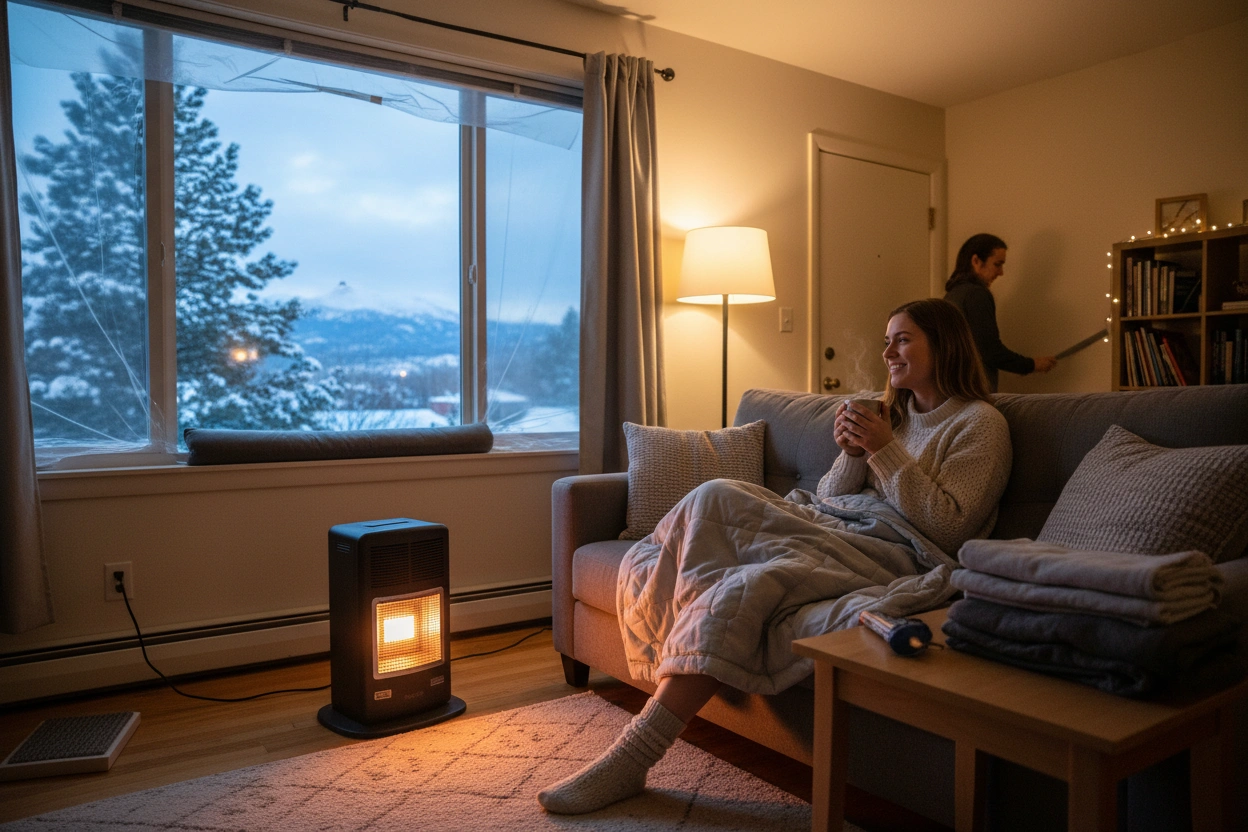
As the winter season descends upon the Mile High City, the drop in temperature brings a renewed focus on the thermal performance of your property. For Denver landlords and residents, the challenge lies in balancing a warm, inviting living environment with the reality of rising utility costs. We are going to explore practical, budget friendly strategies to maximize heat efficiency, ensuring your rental remains a cozy refuge without placing an undue financial burden on your monthly operations.
The Seasonal Struggle for Thermal Retention in Colorado
Denver is known for its dramatic weather shifts, where a sunny morning can quickly transition into a frigid evening with temperatures plummeting well below freezing. In this climate, the heating system is the heart of the home, but its effectiveness is entirely dependent on the integrity of the building envelope. When heat escapes through unnoticed gaps or thin insulation, your furnace is forced to run in a near constant state of exertion, leading to premature mechanical fatigue and astronomical energy bills.
For many older Denver units, the primary source of heat loss is not the furnace itself, but the lack of air sealing. Tiny leaks around window frames, baseboards, and entry doors act like a slow drain on your property's warmth. By understanding that heat efficiency is a holistic endeavor involving both the production and preservation of warmth, you can implement targeted fixes that offer a high return on investment. Taking a proactive stance on these minor details is essential for maintaining a profitable rental during the long Colorado winter.
Indicators of Poor Heat Efficiency
- Drafty Interior Zones: Noticing a distinct movement of air near windows or doors even when they are fully closed.
- Significant Temperature Fluctuations: One room feeling like a sauna while another remains stubbornly cold, suggesting poor airflow or localized heat loss.
- Ice Damming on the Roofline: Thick ridges of ice at the edge of the roof indicate that heat is escaping through the attic and melting snow prematurely.
- Struggling Mechanical Sounds: A furnace that cycles on and off too frequently or makes a loud rattling noise as it tries to keep up with the cold.
Cost Effective Insulation and Air Sealing Tactics
You do not need a full scale renovation to significantly improve the thermal resistance of a rental unit. One of the most effective low budget tools at your disposal is high quality weatherstripping. Replacing worn out seals on exterior doors and applying V-seal or foam tape to drafty window sashes can reduce air leakage by up to 20 percent. This simple ad-hoc maintenance task is a quick win for property owners looking to bolster their building’s defense against the winter chill.
Another overlooked strategy is the use of heavy, thermal curtains. By encouraging tenants to close thick drapes at night, you create an additional layer of insulation that traps a buffer of air between the cold glass and the living space. During the day, keeping these curtains open on south-facing windows allows the intense Denver sun to provide free solar heating. These small adjustments to the physical upkeep of the home are exactly what RentalRiff emphasizes, providing local specialists who can perform these quick, high impact tasks to keep your property running efficiently.
Budget Friendly Thermal Upgrades
- Door Sweeps and Gaskets: Installing heavy duty sweeps to prevent cold air from rushing in under the front and back doors.
- Outlet and Switch Sealers: Placing inexpensive foam gaskets behind electrical plates on exterior walls to stop hidden drafts.
- Window Film Kits: Applying transparent heat shrink film to older, single-pane windows to mimic the performance of double-paned glass.
- Caulking Audit: Sealing small cracks where the siding meets the window trim or where utility lines enter the building.
Optimizing the Mechanical Heart of the Home
A furnace that is neglected will eventually become a liability. To maintain heat efficiency on a budget, you must prioritize preventative maintenance for the heating system. The most important task is also the simplest: changing the air filter. A clogged filter restricts airflow, causing the blower motor to work harder and consume more electricity while delivering less heat. Implementing a schedule to swap these filters every three months is the easiest way to prevent expensive emergency repair calls.
Additionally, ensuring that the thermostat is used strategically can lead to massive savings. Installing a basic programmable thermostat allows for a set schedule where the temperature drops slightly during the night or while the unit is unoccupied. For a Denver rental, even a small reduction of five degrees for eight hours a day can lower annual heating costs by 10 percent. RentalRiff focuses on this type of proactive property care, offering specialists who can handle these routine tune-ups and 24/7 maintenance requests to ensure your system never fails when the temperature hits zero.
Maximizing Furnace Performance
- Vent and Radiator Clearing: Ensuring that furniture, rugs, and curtains are not obstructing the flow of warm air into the room.
- Regular Duct Cleaning: Removing dust and debris that can impede airflow and degrade indoor air quality.
- Thermostat Calibration: Verifying that the temperature on the wall accurately reflects the actual heat in the room.
- Pilot and Burner Review: Having a specialist clean the internal components to ensure the cleanest, most efficient burn possible.
Enhancing Tenant Support and Communication for Winter
The best heating system in the world can be undermined by a tenant who doesn't understand how to use it efficiently. Mastery of Denver rentals involves maintaining a professional line of tenant support and communication to educate residents on winter best practices. Providing a simple one-page guide on how to manage the thermostat or why it’s important to keep the garage door closed can prevent hundreds of dollars in wasted energy.
When a tenant feels that their comfort is a priority, they are more likely to report small issues like a whistling window or a strange smell from the vents before they turn into major problems. By providing a primary contact for all maintenance needs, you foster a relationship of trust and accountability. RentalRiff serves as this buffer, managing the logistics of specialist coordination so that independent landlords can provide top tier service without the stress of being the first point of contact for every winter inquiry.
The Long Term Value of Efficiency Audits
If your utility bills remain high despite basic fixes, it may be time for a more formal assessment of your property’s performance. A rental profit audit should include a review of energy consumption patterns across different seasons. This data allows you to identify if a specific unit is underperforming compared to others in your portfolio, pointing toward a need for deeper insulation or a system upgrade.
While turnover services provide a natural gap to perform these audits, staying proactive year round ensures that your property remains a high value asset. A rental that is known for being warm and affordable to heat will always be in high demand in the Denver market. By focusing on the physical upkeep of the home and utilizing trade specific expertise to handle the technical work, you protect your long term ROI and ensure your residents stay satisfied through every blizzard.
Strategic Planning for Future Winters
- Attic Insulation Review: Checking that your attic has at least 15 inches of insulation to prevent the massive heat loss that occurs through the roof.
- Water Heater Insulation: Wrapping older water heaters in an insulating blanket to reduce standby heat loss.
- Standardized Winterization: Creating a rigid checklist for every unit that includes exterior faucet covers and furnace inspections.
- Energy Star Upgrades: Planning for the eventual replacement of aging furnaces with high-efficiency models that pay for themselves through energy savings.
Securing Comfort and Profitability in the Mile High City
Managing a Denver rental requires a deep respect for the elements and a commitment to professional maintenance standards. By implementing these budget friendly heat efficiency tips, you are doing more than just lowering a bill; you are protecting the structural integrity of your building and the comfort of your tenants. Your property is a significant investment, and its performance during the winter is a direct reflection of your management quality.
Whether you are performing a quick turnover or managing a long term lease, staying ahead of the cold is the hallmark of a successful landlord. Trust the experts to handle the physical upkeep, keep your communication channels open, and maintain a watchful eye on the thermal health of your home. With a proactive plan and a focus on efficiency, you can navigate Denver’s winters with confidence and keep your rental business thriving in any forecast.