

Managing a Bend rental property means you're constantly battling two extremes—scorching summers that crack paint and stress landscaping, and freezing winters that burst pipes and form ice dams. You'll need a proactive, seasonal approach that includes winterizing plumbing, inspecting HVAC systems, sealing drafts, and shifting to drought-resistant plants. Staying ahead of climate damage protects your investment and keeps tenants satisfied year-round. The strategies below break it all down season by season.
Key Takeaways
- Bend's desert-to-snow climate stresses roofing, plumbing, and HVAC systems, making preventative maintenance essential for protecting rental investments year-round.
- Winterize rentals by insulating exposed pipes, sealing drafts, and scheduling annual heating system inspections before freezing temperatures arrive.
- Combat summer heat by applying heat-reflective coatings, installing efficient irrigation, and switching to drought-resistant native landscaping plants.
- Follow a seasonal maintenance calendar covering roof inspections in spring, HVAC servicing in early summer, and plumbing winterization each fall.
- Recognize when professional help is needed, including roof damage, foundation cracks, persistent drafts, or HVAC systems struggling in extreme heat.
Bend's Climate Swings and What They Mean for Rentals
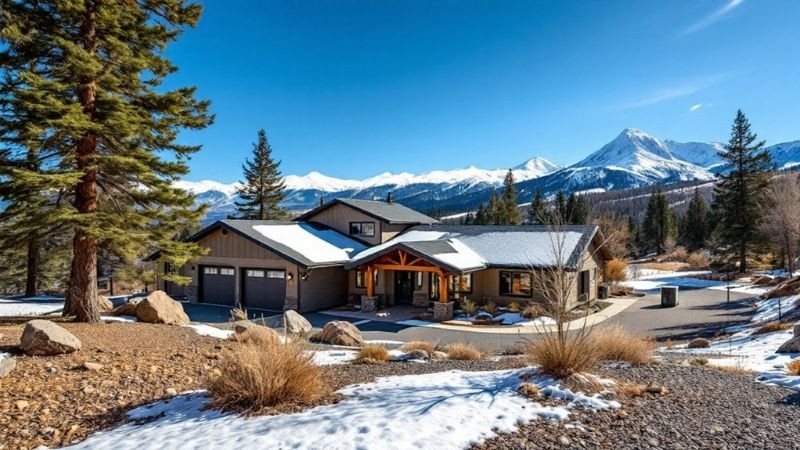
Bend's high desert climate is one of its most appealing qualities—and one of its biggest maintenance challenges for rental property owners. You're dealing with hot, dry summers, freezing winters, and dramatic temperature swings that can stress roofing, plumbing, and HVAC systems year-round.
Climate adaptation isn't optional here—it's essential to protecting your investment. Pipes freeze, irrigation systems crack, and weatherproofing degrades faster than in milder markets. Staying ahead of seasonal changes means scheduling preventative maintenance before problems escalate. Regular inspections to identify potential hazards can play a crucial role in this process.
Tenant communication plays a key role too. When tenants understand what to expect each season and know who to contact, you reduce emergency calls and catch issues earlier. Proactive planning keeps your Bend rental performing well regardless of what the weather throws at it.
Winterizing Your Bend Rental Before the Snow Hits
Before Bend's first freeze catches you off guard, you need to insulate exposed pipes, seal drafty windows and doors, and get your heating system inspected.
Skipping these steps risks burst pipes, spiking energy bills, and frustrated tenants calling at midnight in January. Taking a few hours in fall to handle these three priorities can save you thousands in cold-weather repairs and keep your property running smoothly all winter. Additionally, proactive maintenance is essential for enhancing tenant satisfaction and preventing costly damages.
Insulating Pipes Before Freezing
When temperatures in Bend drop below freezing—which can happen fast once October rolls around—uninsulated pipes become one of your biggest liability risks as a landlord.
A burst pipe can mean thousands in water damage and an unhappy tenant scrambling for somewhere to stay.
Add pipe insulation techniques to your winter readiness checklist before the first hard freeze hits. Focus on exposed pipes in unheated spaces: crawl spaces, garages, and exterior walls.
Foam pipe sleeves are affordable and easy to install, while heat tape works well for pipes in especially vulnerable spots.
Don't forget to disconnect and drain outdoor hoses, shut off exterior faucets, and remind tenants to keep interior temps above 55°F even when they're away.
Sealing Windows And Doors
Drafty windows and doors are one of the easiest ways to drive up your tenant's heating bill and one of the cheapest problems to fix before winter locks in.
Prioritize window insulation and door sealing before temperatures drop.
- Inspect all window frames for cracked or missing caulk and reseal with weatherproof silicone.
- Replace worn weatherstripping around exterior doors, including the garage entry.
- Install door sweeps on exterior doors to block cold air infiltration at floor level.
- Apply shrink-film window insulation kits to older single-pane windows.
- Check sliding door tracks for gaps and add foam tape where needed.
These fixes take a few hours but can meaningfully reduce heat loss throughout Bend's coldest months.
Heating System Seasonal Checks
Sealing up air leaks keeps the cold out, but it's your heating system that actually keeps your tenants warm when Bend's winter hits hard.
Schedule furnace inspections every fall before temperatures drop. A technician will check filters, clean components, and catch problems before they become emergency calls in January.
Don't wait for a breakdown to explore heating upgrades, either. Older systems work harder in Bend's cold, driving up energy costs and increasing failure risk.
Upgrading to a more efficient unit can reduce operating costs and improve tenant comfort considerably.
Also test your thermostat, check vents for blockages, and confirm carbon monoxide detectors are functioning.
A well-maintained heating system is one of the most reliable ways to protect your property and retain good tenants through a Bend winter.
Summer Heat and Drought: Protecting Your Property in the Off-Season
While Bend winters get most of the attention, summer brings its own set of challenges that can quietly damage your rental property.
Drought conditions stress landscaping and expose exterior surfaces to intense UV radiation, leading to cracked paint, faded finishes, and dead vegetation that drives up turnover costs.
Shifting to drought-resistant native plants and applying heat-reflective coatings on exterior surfaces are two proactive steps you can take to protect your investment through the dry season. Implementing efficient irrigation systems can also significantly enhance water conservation efforts during these prolonged dry spells.
Drought-Resistant Landscaping Strategies
Bend's high desert climate means summers can be brutal on landscaping, and drought conditions only make it harder to keep your rental property looking its best without running up water bills.
Xeriscaping techniques and native plants are your best long-term solution.
Smart drought-resistant landscaping includes:
- Native plants like sagebrush, bitterbrush, and penstemon that thrive without irrigation
- Drip irrigation systems that deliver water directly to roots, reducing waste
- Mulching around plants to retain soil moisture and suppress weeds
- Gravel or rock groundcover to replace high-maintenance turf areas
- Drought-tolerant grasses such as blue grama or buffalo grass for low-water lawn alternatives
These xeriscaping techniques cut water costs, reduce tenant maintenance complaints, and keep your property visually appealing through Bend's driest months.
Heat-Proofing Exterior Surfaces
Protecting your landscaping from Bend's heat is only half the battle—the sun and temperature swings that punish your plants do just as much damage to your property's exterior surfaces. Faded paint, cracked siding, and warped decking are common results of Bend's intense UV exposure and dramatic temperature swings.
Start by choosing heat resistant materials for any exterior repairs or replacements—composite decking, fiber cement siding, and UV-stable trim hold up far better than standard options.
Apply reflective coatings to roofing surfaces to reduce heat absorption and lower cooling costs. Seal concrete driveways and walkways before summer to prevent cracking as temperatures climb.
Inspect caulking around windows and doors annually, since thermal expansion breaks down seals quickly. Staying proactive now prevents costly repairs when temperatures drop again in fall.
The Maintenance Calendar Every Bend Landlord Needs
Managing a rental property in Bend means working around a climate that swings from snowy winters to dry, high-desert summers—and your maintenance calendar needs to reflect that.
Seasonal inspections keep small issues from becoming expensive repairs, and consistent tenant communication guarantees nothing slips through the cracks.
Build your calendar around these priorities:
- Spring: Inspect the roof, gutters, and foundation after snowmelt.
- Early summer: Service HVAC systems and check exterior caulking and seals.
- Midsummer: Clear dry vegetation, inspect decks, and test irrigation.
- Fall: Winterize outdoor plumbing, check weatherstripping, and schedule furnace servicing.
- Winter: Monitor for ice dams, inspect insulation, and confirm smoke and CO detectors work.
Staying ahead of Bend's climate extremes protects your investment and keeps tenants satisfied year-round, while proactive maintenance helps avoid unnecessary legal disputes.
Climate Damage Landlords in Bend Most Often Overlook
Even landlords who stay on top of seasonal maintenance can miss the slow-burn damage Bend's climate quietly causes between inspections.
UV exposure degrades caulking and siding faster than most climates, leaving gaps that invite moisture and pests before you notice anything wrong. Without consistent moisture control, crawl spaces and attics absorb humidity from spring snowmelt, quietly weakening structural components.
Storm damage after high-desert wind events often affects rooflines and flashing in ways that aren't obvious until leaks appear. Skipping insulation upgrades means freeze-thaw cycles work against your foundation every winter.
Build weatherproofing strategies and pest prevention checks into your seasonal inspections rather than reacting after problems surface. Consistent roof maintenance and moss removal techniques are what keep small vulnerabilities from becoming expensive repairs.
When to Call a Pro vs. Handle It Yourself
Some maintenance tasks in Bend are straightforward enough to handle yourself, but the region's climate makes it easy to underestimate what's actually going on beneath the surface.
DIY Repairs like replacing weather stripping or clearing gutters are manageable, but Bend's freeze-thaw cycles and UV intensity often signal deeper problems requiring Professional Expertise.
Call a pro when you notice:
- Roof damage after heavy snow loads or ice damming
- Persistent drafts despite sealed windows and doors
- Unexplained spikes in tenant heating or cooling bills
- Foundation cracks following extreme temperature swings
- HVAC systems struggling during triple-digit summer heat
Handling surface fixes yourself saves money short-term, but misreading Bend's climate patterns leads to costly structural damage.
Know your limits before the season forces the decision for you.
Frequently Asked Questions
Does Bend's Climate Affect My Rental Property Insurance Premiums?
Bend's climate risks can raise your insurance coverage premiums. You'll likely pay more due to wildfire exposure, heavy snow loads, and freeze-thaw cycles. Proactively maintaining your property can help demonstrate lower risk to insurers.
How Does Elevation Impact Maintenance Needs for Bend Rental Properties?
Bend's elevation effects mean you'll face harsher winters, faster roof wear, and more UV damage. Your maintenance strategies should prioritize snow load checks, weatherproofing, and regular inspections to stay ahead of climate-driven wear.
What Lease Clauses Should Bend Landlords Include for Climate-Related Damage?
Include clauses in your lease agreements addressing tenant snow removal duties, pipe freeze prevention, and HVAC filter upkeep. You'll build climate resilience by clearly defining liability for climate-related damage and seasonal maintenance responsibilities.
How Do I Find Reliable Contractors in Bend During Peak Seasons?
Build your contractor vetting list before peak seasons hit. You'll want to secure relationships with HVAC, roofing, and plumbing pros early—seasonal availability tightens fast in Bend, so don't wait until demand spikes.
Can Climate Extremes in Bend Affect My Property's Long-Term Resale Value?
Yes, climate extremes can impact your property's long-term resale value. Staying ahead of property depreciation through proactive maintenance strengthens market resilience, aligns with climate trends, and supports stronger resale forecasts when it's time to sell.
Conclusion
Bend's climate doesn't give your rental property a break, and neither can you. Staying ahead of freeze-thaw cycles, summer heat, and heavy snowpack means building maintenance into your calendar before damage shows up. You'll save money, protect your investment, and keep tenants happy when you treat seasonal upkeep as a priority rather than an afterthought. Know your property, know the climate, and act before Bend's extremes force your hand.