

Managing landscaping in a drought-prone area like San Diego presents unique challenges and opportunities. With the ongoing need for water conservation, landlords must adapt their landscaping strategies to comply with local regulations while still creating appealing outdoor spaces for tenants. This article explores effective strategies for managing rental property landscaping while adhering to water use restrictions, focusing on sustainable practices and eco-friendly solutions.
Navigating Water Use Restrictions in San Diego
Understanding the water use regulations in San Diego is essential for property owners and managers. The San Diego County Water Authority, along with local municipalities, has implemented various water use restrictions to address the ongoing challenges posed by drought conditions. These regulations often include limitations on outdoor watering schedules, restrictions on certain landscaping practices, and guidelines for maintaining water-efficient landscapes.
Landscaping choices are directly affected by these restrictions. For instance, traditional grass lawns may no longer be a viable option due to the high water consumption they require. Instead, property owners should consider landscaping alternatives that align with conservation goals. Understanding these regulations helps landlords make informed decisions about their landscaping choices, ensuring compliance while maintaining aesthetic appeal.
Choosing the Right Plants for San Diego Rentals
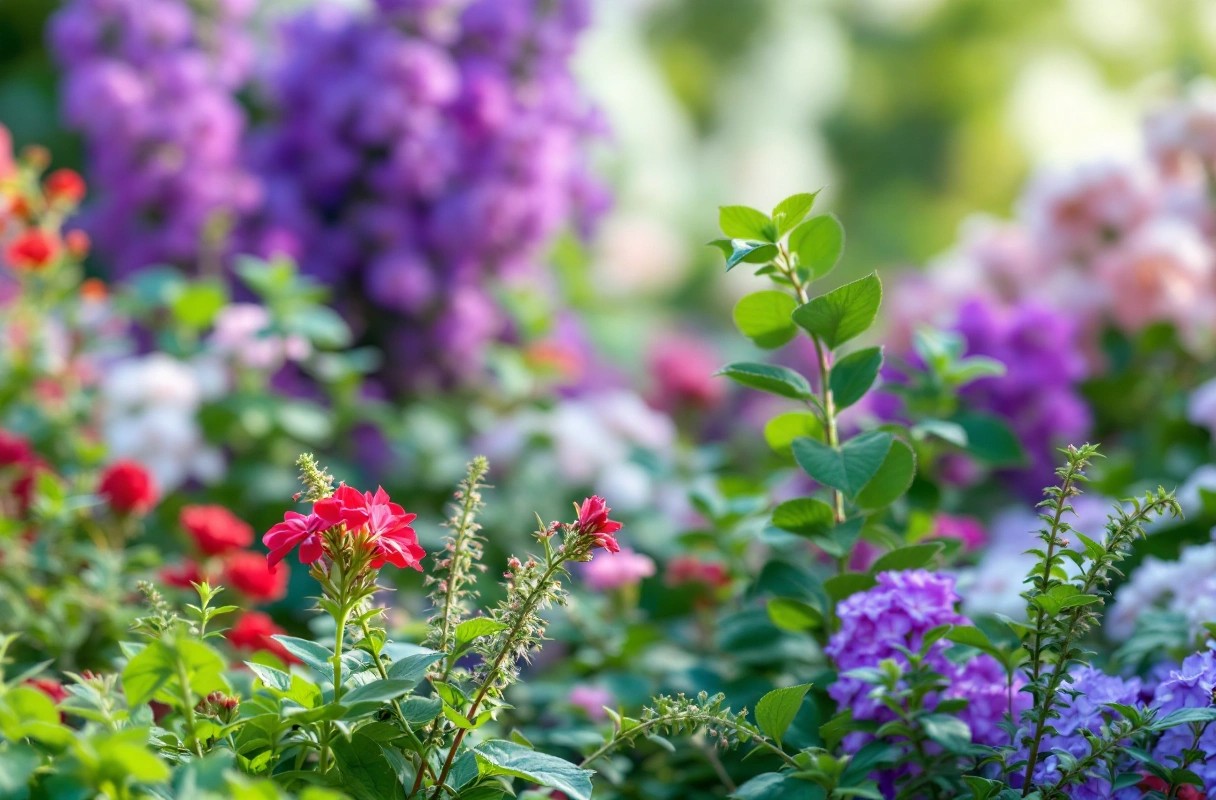
Selecting the right plants is a fundamental aspect of managing landscaping in San Diego rentals, particularly given the emphasis on drought tolerance. Drought-tolerant plants not only conserve water but also require less maintenance, making them ideal for rental properties. By incorporating these plants, landlords can create visually appealing landscapes that align with local conservation efforts.
Popular options for rental properties include native plants such as California poppies, lavender, and succulents. These plants thrive in San Diego's climate, offering vibrant colors and textures while minimizing water needs. Additionally, using a mix of perennials and ornamental grasses can provide seasonal interest without excessive irrigation. Choosing drought-tolerant plants not only enhances the property’s curb appeal but also reduces long-term maintenance costs.
Implementing Efficient Irrigation Systems
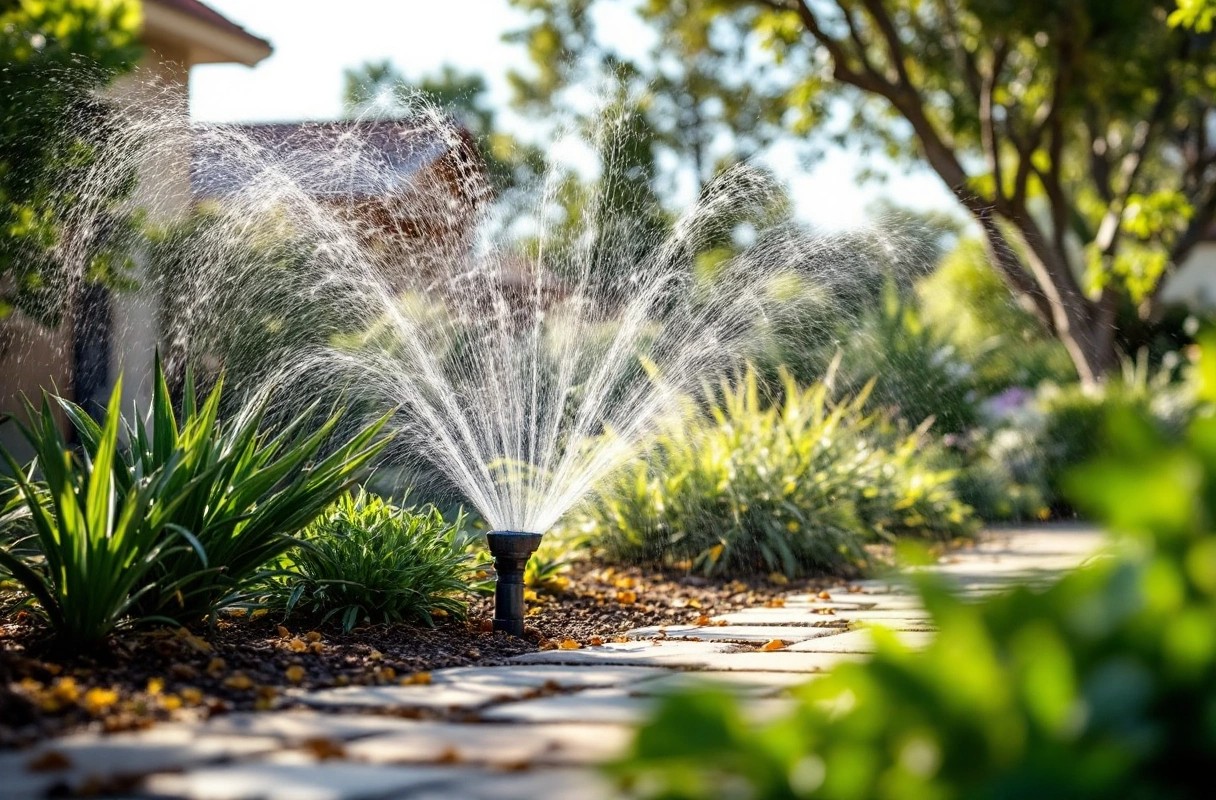
Proper irrigation is critical for sustainable landscaping, especially in an area where water conservation is paramount. Efficient irrigation systems can help landlords manage water usage effectively while ensuring that plants receive the necessary hydration. This approach not only supports plant health but also aligns with local water use regulations.
There are several types of irrigation systems suitable for rental properties. Drip irrigation is one of the most efficient methods, delivering water directly to the plant roots and minimizing evaporation. This system is particularly beneficial for drought-tolerant gardens. Additionally, smart irrigation controllers can optimize watering schedules based on weather conditions, further reducing water waste. By investing in these systems, landlords can promote sustainability while maintaining attractive landscapes for tenants.
Sustainable Landscaping Practices for Rentals
Sustainable landscaping practices play a crucial role in managing rental properties in San Diego. These practices focus on creating landscapes that are not only aesthetically pleasing but also environmentally responsible. By implementing eco-friendly landscaping solutions, property owners can enhance the value of their rentals while contributing to local conservation efforts.
One effective approach is to incorporate mulch in garden beds, which helps retain soil moisture and suppress weeds. Additionally, using organic fertilizers can promote healthy plant growth without harming the environment. Another important aspect is to reduce lawn areas and replace them with permeable hardscaping materials that allow for rainwater absorption. These sustainable practices not only benefit the environment but also lead to long-term cost savings for property owners.
Practical Landscaping Tips for San Diego Rentals
Managing landscaping in rental properties requires practical strategies that ensure both compliance with regulations and tenant satisfaction. Simple landscaping management techniques can make a significant difference in the overall appearance and health of the outdoor space.
One effective strategy is to create defined planting areas with clear borders, which helps minimize maintenance and enhances visual appeal. Regularly scheduled maintenance, such as trimming and weeding, keeps landscapes looking their best without excessive resource use. Additionally, educating tenants on the importance of water conservation and proper plant care can foster a sense of responsibility and pride in the property. Common pitfalls to avoid include neglecting regular maintenance and failing to comply with local watering restrictions, which can lead to fines and negatively impact property value.
Strategies for Managing Landscaping in San Diego Rentals with Water Use Restrictions
Managing landscaping in San Diego rentals requires a thoughtful approach that balances aesthetic appeal with adherence to water use restrictions. By understanding local regulations, selecting appropriate plants, implementing efficient irrigation systems, and adopting sustainable practices, property owners can create attractive and eco-friendly outdoor spaces.
RentalRiff offers valuable resources and support for independent landlords and small portfolio property owners seeking to implement these strategies. With the right tools and knowledge, you can effectively manage your landscaping while ensuring compliance with water use restrictions.