

Maintaining the financial health of a rental property requires more than just tracking the rent that comes in; it demands a forensic level of scrutiny regarding the money that goes out. While repairs are an inevitable part of property ownership, many landlords fall into the trap of overpaying for services due to a lack of oversight and standardized auditing processes. We are going to explore the critical role of repair audits in protecting your profit margins and provide you with actionable strategies to ensure every dollar spent on maintenance is an investment in your property's future.
The Strategic Importance of Repair Audits
A repair audit is a systematic evaluation of your maintenance spending, designed to uncover inefficiencies, overcharging, and recurring failures that drain your bank account. In the fast-paced world of property management, it is easy to simply pay invoices as they arrive without questioning the labor hours or material costs listed. However, without a regular audit process, you lose the ability to hold contractors accountable and ensure that you are receiving fair market value for the work performed.
Implementing a consistent audit schedule transforms maintenance from a chaotic expense into a managed variable. By reviewing your repair history, you can identify patterns that suggest a deeper issue, such as a specific appliance brand that requires constant attention or a vendor whose prices have quietly crept up over the last year. This proactive financial oversight is essential for independent landlords who need to maximize their cash flow to support portfolio growth. A well-executed audit provides the data necessary to make informed decisions about when to repair, when to replace, and which specialists deserve your long-term loyalty.
Key Objectives of a Maintenance Audit
- Invoice Verification: Ensuring that the labor hours billed match the actual time spent on-site and that material markups are within industry standards.
- Pattern Recognition: Identifying recurring issues in specific units or with certain systems that may indicate a need for a capital replacement rather than a patch.
- Vendor Performance Evaluation: Assessing whether the specialists you hire are providing durable, high-quality fixes or if their work requires frequent follow-up calls.
- Budget Alignment: Comparing actual year-to-date spending against your projected maintenance reserves to ensure you remain on a solid financial footing.
Identifying the Signs of Overpayment
One of the most common ways landlords overpay for repairs is through the "emergency premium." When a repair is treated as a crisis, vendors often charge higher rates for immediate dispatch. While some situations truly are emergencies, many can be avoided through proactive property care. If your audit reveals a high percentage of after-hours or emergency service calls, it is a clear sign that your preventative maintenance strategy needs a total overhaul.
Another red flag is the lack of detailed line items on your invoices. A bill that simply lists "Plumbing Repair - $450" is impossible to audit and often hides inflated labor costs or unnecessary part replacements. You should insist on transparency, requiring vendors to break down their charges into labor, materials, and trip fees. This level of detail allows you to compare quotes across different specialists and ensures you aren't paying a premium for a generalist to do a specialist’s job. RentalRiff helps mitigate these risks by providing a flat-fee alternative to the traditional model, ensuring that maintenance costs remain predictable and transparent.
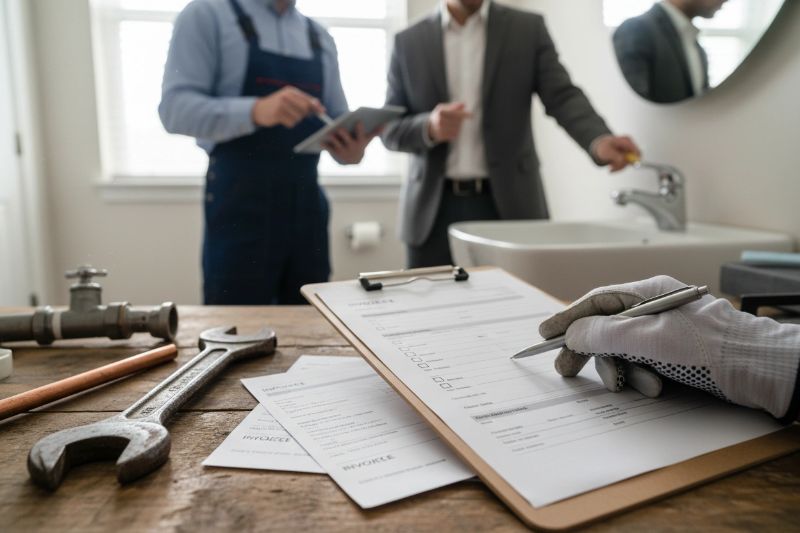
Red Flags in Maintenance Invoices
- Vague Descriptions: Invoices that lack specific details about the work performed or the parts used.
- Consistent Rounding: Labor hours that are always rounded up to the nearest whole hour or half-day.
- High Material Markups: Finding that the price you were charged for a basic part is significantly higher than retail prices.
- Frequent Recurrence: Paying for the same repair on the same system multiple times within a six-month window.
Streamlining the Repair Loop for Better Value
To ensure you are getting the best value for your repairs, you must standardize the way maintenance requests are handled and documented. This begins with the initial tenant support and communication. When a tenant reports an issue, having them provide photos or videos can help a specialist diagnose the problem before they even arrive. This reduces the time spent on-site and ensures the technician brings the correct parts, avoiding multiple trip charges.
Centralizing your repair requests also allows for better bundling of tasks. If a specialist is already at the property to fix a leaky faucet, it is much more cost-effective to have them check the other sinks and toilets while they are there. This proactive approach to physical upkeep reduces the total number of service calls and maximizes the value of the trip fee. RentalRiff serves as the primary contact for tenants, coordinating these 24/7 maintenance requests and ensuring that specialists are utilized efficiently to protect the landlord’s bottom line.
Efficiency Tactics for Repair Coordination
- Visual Pre-Diagnostics: Requiring tenants to send media of the issue to help specialists prepare.
- Maintenance Bundling: Grouping non-urgent repairs together to minimize professional service fees.
- Standardized Parts: Using common fixtures across all units to simplify repairs and reduce the need for custom, expensive components.
- Direct Vendor Communication: Ensuring the person performing the work has all the necessary information to avoid "discovery" time on the clock.
The Role of Preventative Care in Cost Management
The most effective way to stop overpaying for repairs is to prevent them from happening in the first place. A rigorous property upkeep checklist is your best defense against the high costs of reactive maintenance. By investing in small, routine tasks—like flushing water heaters, cleaning AC coils, and checking roof flashings—you extend the life of your expensive assets and avoid the "emergency" price hikes associated with sudden failures.
Proactive property care is not just about avoiding breaks; it is about maintaining a high standard of living that keeps tenants satisfied. A well-maintained property justifies market-rate rents and encourages long-term residency, which is the ultimate goal of any rental profit audit. When you stay ahead of the decay curve, you control the narrative of your expenses rather than being at the mercy of whatever breaks next. RentalRiff focuses on this preventative model, offering independent landlords a way to manage their properties with professional precision at a fraction of the cost of full-service management.
Auditing the Turnover Process
Turnover services represent one of the largest single maintenance expenses a landlord faces, making them a prime candidate for a thorough repair audit. Because these transitions happen quickly, it is easy for costs to spiral out of control. An audit of your turnover process should look at the time elapsed between move-out and move-in, as well as the specific labor performed to get the unit "rent-ready."
If your turnovers are consistently expensive, it may indicate that your ad-hoc maintenance during the tenancy was insufficient. A property that is well-cared for year-round requires much less "heavy lifting" during a transition. Using licensed and insured property specialists for your turnover ensures that the work is durable and that the new tenant starts their lease with a high standard of quality. This professional approach reduces the likelihood of "Day 1" repair requests, which are both frustrating for the tenant and expensive for the owner.
Turnover Audit Checklist
- Labor-to-Task Ratio: Does the time spent on painting and cleaning align with the size and condition of the unit?
- Material Sustainability: Are you using durable materials that will last through the next tenancy, or are you paying for "cheap" fixes that will fail quickly?
- Functional Testing: Was every system—plumbing, electrical, and HVAC—formally tested and documented as functional before the new lease began?
- Prerogative Repairs: Were any items replaced that still had significant useful life remaining?
Mastering Your Financial Strategy for Long-Term Growth
Ultimately, the goal of a repair audit is to empower you to be a more strategic and profitable property owner. By taking control of your maintenance expenses and refusing to overpay for subpar service, you preserve the capital necessary to expand your portfolio. Real estate success is built on the foundation of efficient operations and a relentless focus on the physical health of your assets.
Don't let your rental profits leak away through unvetted invoices and reactive management. By implementing professional auditing standards and utilizing specialized support like RentalRiff, you can ensure that your properties remain in peak condition without the high overhead of traditional management. Stay proactive, stay informed, and treat every repair as a business decision that requires your full attention. Your commitment to excellence in maintenance is the surest path to a thriving and resilient real estate legacy.